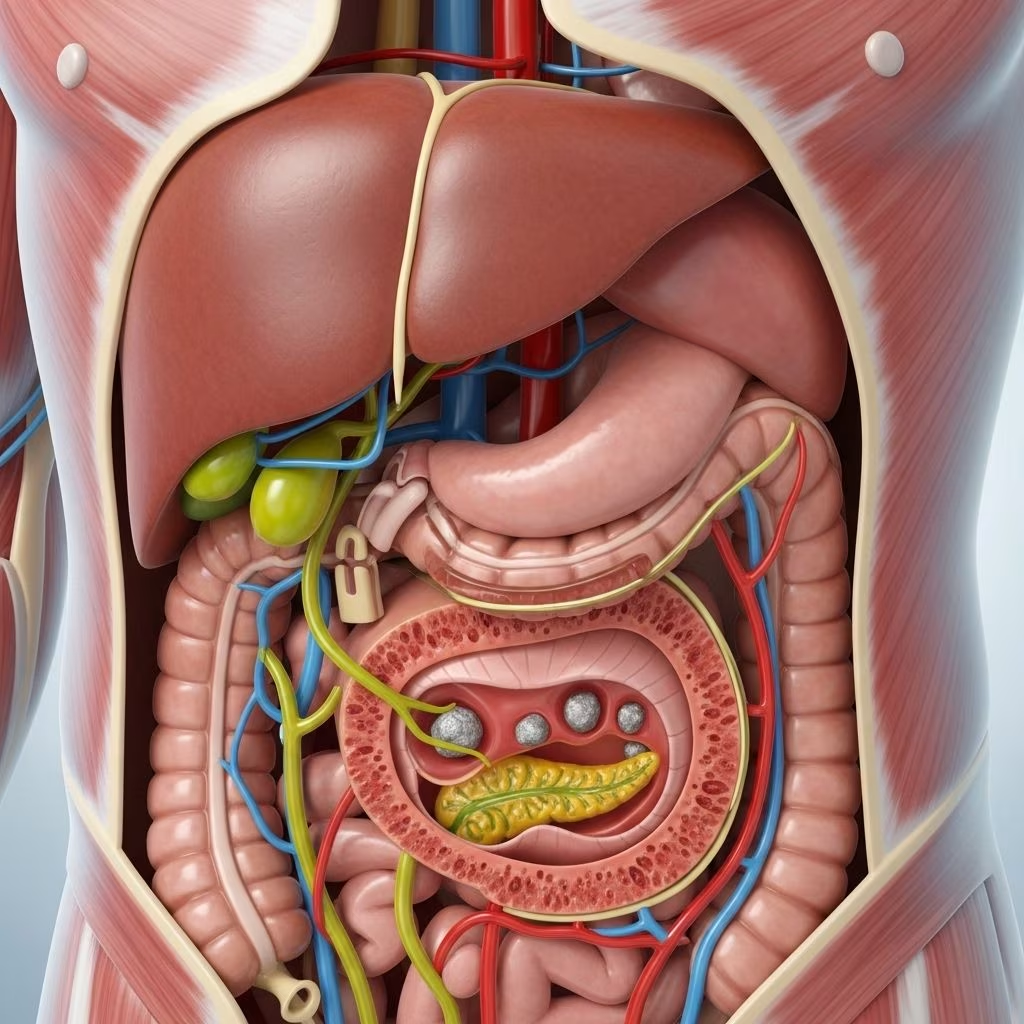
Constipation is a common digestive issue that affects people of all ages. When waste moves too slowly through the digestive tract, stool can become hard, dry, and difficult to pass. This article explores how certain juices can provide relief from constipation, how they work, effective dosages, potential side effects, and prevention strategies so you can address this uncomfortable condition safely and effectively at home.
Understanding Constipation
Constipation is typically defined as having fewer than three bowel movements per week. However, even if you have regular bowel movements, difficulty in passing stool or feeling incomplete evacuation can still indicate constipation. Recognizing the symptoms and addressing them early can help prevent complications.
Common Symptoms of Constipation
- Infrequent bowel movements (less than three per week)
- Hard, dry, or lumpy stools
- Straining to pass stool
- Sensation of blockage in the rectum
- Feeling of incomplete evacuation after a bowel movement
- Needing assistance to remove stool from the rectum, sometimes with hands or fingers
Which Juices Can Help Relieve Constipation?
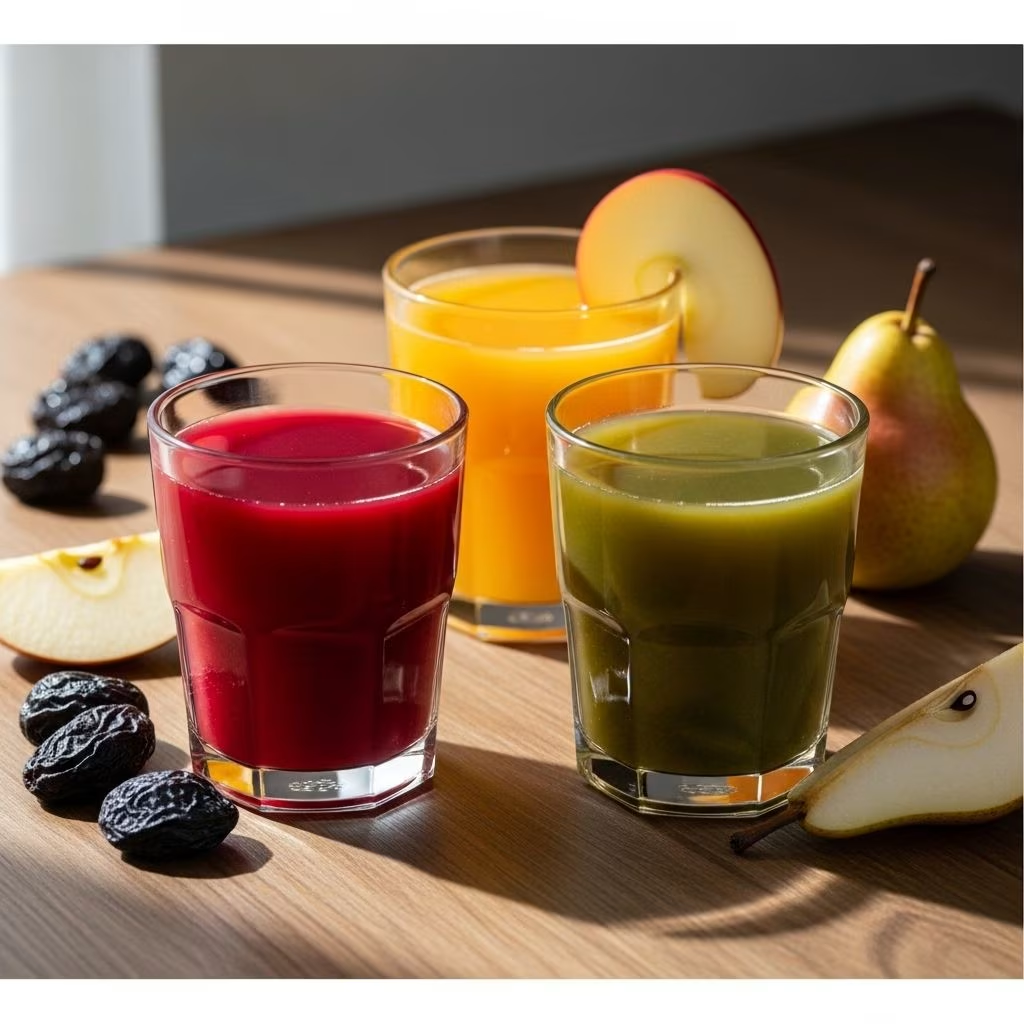
Drinking certain juices may help move things along in your digestive tract, primarily due to compounds like fiber and sorbitol. Here are the top juices known for their natural laxative effects:
Prune Juice
Prune juice is the most well-known juice for constipation relief. An 8-ounce (256-gram) glass contains approximately 2.6 grams of fiber, making up about 9% of your daily fiber requirement. The combination of fiber and sorbitol (a naturally occurring sugar alcohol) acts as a gentle laxative, helping to soften stool and make it easier to pass. Prune juice is also a good source of vitamin C and iron.
- Key benefits:
- Natural laxative due to sorbitol content
- Source of dietary fiber (though less than whole prunes)
- Contains vitamins and minerals
- Dosage for adults: 4 to 8 ounces (120–240 ml) daily, preferably in the morning
- Dosage for children: 2 to 4 ounces (60–120 ml) as needed; consult a pediatrician for infants
Additional Notes on Prunes Versus Prune Juice
- Whole prunes (dried plums) deliver more dietary fiber than the juice and may be more effective for some individuals.
- Prunes and their derivatives are supported by scientific research as first-line therapy for chronic constipation, occasionally outperforming fiber supplements such as psyllium.
Apple Juice
Apple juice offers a gentle laxative effect, largely because it contains more fructose than glucose, in combination with some sorbitol. This profile makes it a common recommendation for children with mild constipation.
- Key benefits:
- Gentle and generally well-tolerated by children
- Contains sorbitol and simple sugars stimulating the colon
- Dosage: 4 to 8 ounces (120–240 ml) daily
Notably, applesauce is less effective because it contains higher pectin, which thickens stool and is better for treating diarrhea, not constipation.
Pear Juice
Pear juice is another excellent natural remedy, often preferred by young children due to its milder flavor. Among the three, pear juice contains the most sorbitol, making it highly effective for relieving constipation.
- Key benefits:
- High in sorbitol, increasing water content in the colon
- More palatable for some children compared to prune juice
- Dosage: 4 to 8 ounces (120–240 ml) daily
Other Beneficial Beverages
- Warm or hot fluids (such as herbal tea)
- Plain water (aim for at least eight 8-ounce cups per day to help prevent dehydration and keep stools soft)
- Coffee (caffeinated drinks can stimulate the digestive tract for some people)
Be cautious with carbonated or sugary soft drinks, as they may worsen symptoms or cause additional discomfort.
How Does Juice Relieve Constipation?
Juices like prune, apple, and pear are effective because they contain sorbitol, a type of carbohydrate that the body poorly absorbs. Sorbitol acts as an osmotic agent, pulling water into the intestines and softening the stool. This action increases the frequency and ease of bowel movements.
In addition to sorbitol, small amounts of dietary fiber present in these juices can help bulk up the stool, while fluids maintain hydration and promote healthy digestion.
Who Can Benefit from Juice for Constipation?
- Adults: Most adults can safely use these juices as an occasional remedy for mild constipation, as long as they don’t have dietary restrictions (such as diabetes).
- Children: Apple and pear juices are commonly recommended for children dealing with constipation, but parents should consult with a pediatrician about proper amounts, especially for infants.
- Infants: Generally, juice is not recommended for infants unless specifically instructed by a doctor. Infant constipation usually starts after the introduction of solid foods; consult a pediatrician for safe options.
Potential Side Effects and Precautions
While juices are safe for most people, excessive consumption can cause unwanted effects due to their high sugar content and the laxative properties of sorbitol.
Possible Side Effects
- Diarrhea: Especially in children under age 10 or when large quantities are consumed at once.
- Stomach pains and bloating: Due to malabsorption of sugars like fructose and sorbitol.
- Blood sugar spikes: High sugar content in juice can be problematic for individuals with diabetes or those limiting carbohydrate intake.
- Abdominal discomfort: Especially in people with sensitive digestive tracts.
It’s a good idea to limit total daily juice intake to the recommended amounts, increase fluid intake from water, and avoid using juice as the only treatment if constipation persists for more than a few days.
Who Should Avoid Juice?
- People with diabetes or anyone on a sugar-restricted diet should consult with a healthcare professional about using fruit juice remedies.
- If you have a digestive disorder such as irritable bowel syndrome (IBS) or chronic conditions that require careful fluid management, speak to your doctor first.
Potential Complications of Constipation
Occasional constipation is not usually dangerous, but chronic problems can lead to complications, such as:
- Hemorrhoids: Swollen blood vessels from straining during bowel movements
- Anal fissures: Tears in the lining of the anus due to passing hard stool
- Fecal impaction: Large masses of stool stuck in the colon or rectum
- Rectal prolapse: Part of the intestine protrudes from the anus due to repeated straining
If you experience severe or ongoing symptoms, contact a healthcare provider to rule out serious underlying issues.
Risk Factors for Constipation
Understanding what contributes to constipation can help with both management and prevention. Common risk factors include:
- Low-fiber diet
- Inadequate fluid intake
- Lack of physical activity
- Certain medications (for pain, depression, blood pressure, etc.)
- Ignoring the urge to have a bowel movement
- Changes in daily routine, stress, or travel
- Medical conditions such as hypothyroidism, pregnancy, or neurological disorders
Tips to Prevent Constipation
Simple lifestyle changes can reduce the frequency or severity of constipation for many people. Consider these practices:
- Eat a diet rich in fiber (fruits, vegetables, whole grains, legumes)
- Stay hydrated by drinking plenty of water each day
- Be physically active; regular exercise stimulates bowel function
- Establish a consistent bathroom routine and don’t ignore urges
- Use juices as a short-term remedy only; seek medical advice if symptoms persist
Outlook and When to See a Doctor
Most cases of mild constipation respond well to lifestyle adjustments and home remedies like juice. However, see your doctor if you experience:
- Severe pain, especially rectal or abdominal pain
- Blood in your stool
- Sudden, unexplained weight loss
- Symptoms persisting for more than two weeks
- Chronic constipation interfering with daily life
These may signal a more serious underlying condition requiring professional treatment.
Frequently Asked Questions
Q: Which juice is the most effective for constipation?
A: Prune juice is generally considered the most effective due to its combination of fiber and sorbitol, but apple and pear juices are also beneficial, especially for children.
Q: How much juice should I drink for constipation relief?
A: For adults, 4 to 8 ounces (120–240 ml) daily is typical. Children should have smaller amounts, such as 2 to 4 ounces (60–120 ml), and always check with a pediatrician for infants.
Q: Are there risks to drinking juice for constipation?
A: Yes, excessive juice can cause diarrhea, abdominal pain, or spikes in blood sugar, especially in children and people with diabetes. Stick to recommended amounts and consult a doctor for chronic constipation.
Q: What else can I do if juice doesn’t help?
A: Increase your dietary fiber, ensure you’re staying hydrated, exercise regularly, and avoid delaying trips to the bathroom. Talk to your healthcare provider if symptoms persist or get worse.
Q: Should infants be given juice for constipation?
A: Generally, no. Infants should not be given juice unless specifically directed by a pediatrician. Consult your doctor before offering any remedy to an infant.
Comparison Table: Juices for Constipation Relief
| Juice | Fiber Content (per 8 oz) | Sorbitol Content | Recommended Use | Notes |
|---|---|---|---|---|
| Prune | 2.6 g | High | Adults & children | Most effective, also provides iron & vitamin C |
| Apple | 0.5 g (varies) | Moderate | Children & adults | Gentle; may cause gas if taken in large amounts |
| Pear | 0.8 g (varies) | Highest | Children & adults | Milder taste; high in sorbitol |
When using juice to relieve constipation, always start with the lowest recommended amount and increase only if necessary. For children and those with chronic health conditions, consult a healthcare professional before making changes to your diet.
References
- https://www.healthline.com/health/digestive-health/juice-for-constipation
- https://www.healthline.com/health/digestive-health/prune-juice-for-constipation
- https://cdhf.ca/en/constipation-what-to-do-if-you-cant-poop/
- https://www.healthline.com/health/video/best-foods-for-constipation
- https://www.nhs.uk/live-well/eat-well/digestive-health/good-foods-to-help-your-digestion/
- https://www.hollandandbarrett.com/the-health-hub/conditions/digestive-health/is-aloe-vera-good-for-your-bowels/
- https://www.betterhealth.vic.gov.au/health/healthyliving/gut-health
- https://www.chp.gov.hk/en/static/80034.html
- https://www.timberlinenutrition.com/nutrition-wellness/simple-ways-to-improve-your-digestion-diet-and-lifestyle