Understanding Testosterone: The Basics
Testosterone is a vital hormone for men’s health, responsible for maintaining muscle mass, bone density, blood cell production, and sex drive. Its highest levels are found in early adulthood and it gradually declines each year as men age, affecting sexual function, physical strength, and mood.
Low testosterone—or hypogonadism—occurs when the body fails to produce enough of this hormone. Symptoms may include reduced libido, erectile dysfunction, fatigue, loss of muscle, and mood changes.
Why Consider Natural Boosters for Testosterone?
While medical therapies exist for diagnosed low testosterone, many men seek natural methods to enhance or maintain their testosterone levels as part of a lifestyle approach. Natural boosters are appealing for their accessibility and minimal side effects, supporting hormone health alongside general wellness.
5 Natural Testosterone Boosters
- Sleep
- Weight Loss
- Zinc
- Reduced Sugar Intake
- Exercise
1. Prioritize Restful Sleep
Getting enough high-quality sleep is one of the strongest natural contributors to healthy testosterone levels. Most adults need 7–9 hours of sleep per night for optimal hormone production.
- Research shows a significant drop in testosterone after just one week of sleep restriction (less than five hours per night).
- Deep, uninterrupted sleep boosts levels of luteinizing hormone, which signals testosterone release.
- Lack of sleep may contribute not just to low testosterone but also to weight gain and increased stress hormones, compounding hormonal imbalance.
Tips for better sleep:
- Maintain a regular sleep schedule, even on weekends.
- Create a cool, dark, quiet, and comfortable environment.
- Avoid screen time and heavy meals near bedtime.
- Limit caffeine and alcohol intake in the evening.
2. Aim for a Healthy Weight
Maintaining a healthy body weight supports robust testosterone production. Obesity and excess body fat are strongly linked to lower testosterone levels because fat tissue converts testosterone to estrogen, decreasing available hormone. Losing weight, especially abdominal fat, can reverse these effects and improve hormonal balance.
- Losing as little as 10–15% of body weight can noticeably improve testosterone levels in overweight men.
- Weight reduction improves cardiovascular and metabolic health, which are also related to hormone regulation.
Healthy weight strategies:
- Combine a nutrient-rich diet with regular physical activity.
- Focus on gradual, sustainable weight loss.
- Reduce processed foods and added sugar intake.
3. Ensure Adequate Zinc Intake
Zinc is an essential mineral for hormone synthesis. Both mild and severe zinc deficiency can interfere with testosterone production, so maintaining healthy zinc levels is crucial for endocrine health.
- Zinc-rich foods include oysters (very high in zinc), shrimp, crab, lobster, mussels, clams, beef, poultry, nuts, seeds, and legumes.
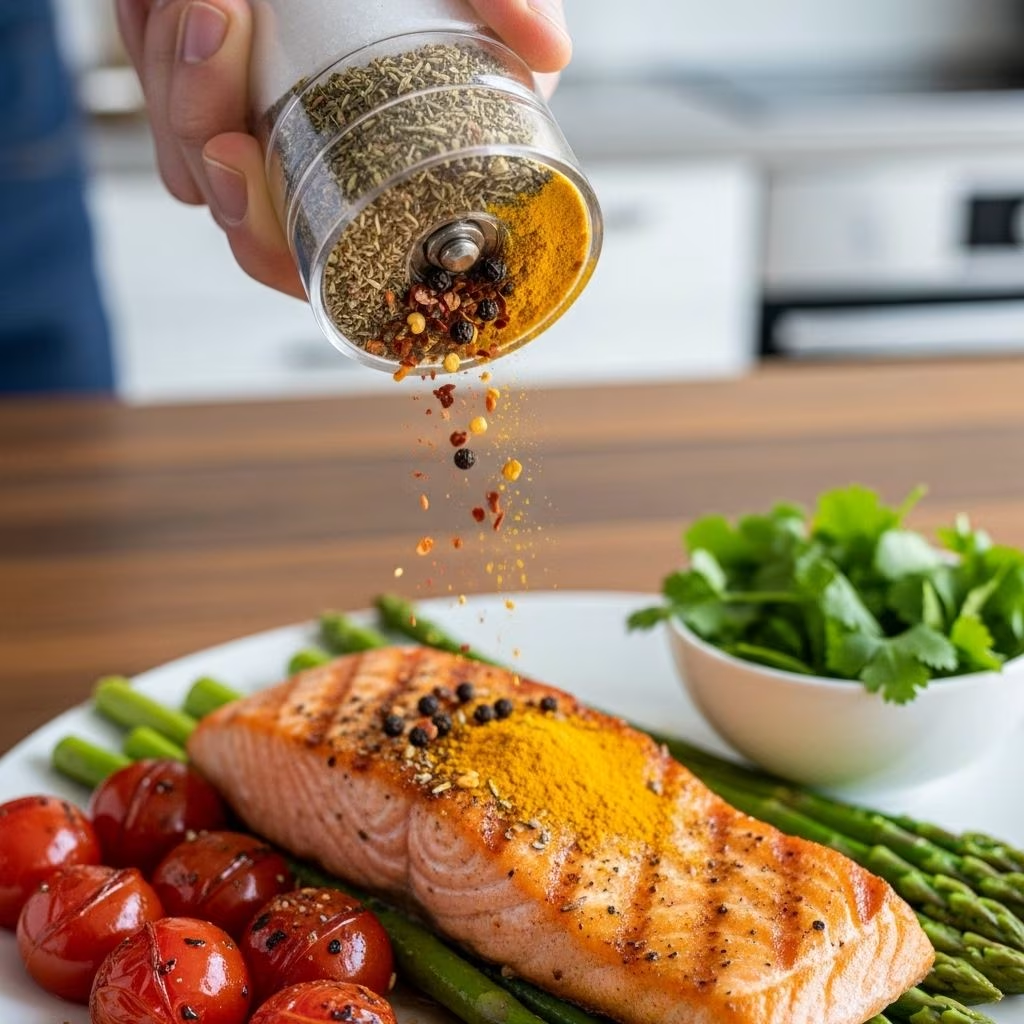
- Fatty fish—such as salmon, mackerel, and tuna—are also good zinc sources and have been associated with higher testosterone levels, especially in older adults.
- Supplements may be considered if dietary intake is low or deficiency is confirmed, but excessive zinc can cause toxicity.
| Food Source | Zinc Content (mg per serving) |
|---|---|
| Oysters (6 medium) | 32 |
| Beef (3 oz) | 5 |
| Chickpeas (1 cup) | 2.5 |
| Pumpkin seeds (1 oz) | 2 |
The recommended daily zinc intake for adult men is 11 mg. Talk to your doctor before starting supplements, especially if you have health conditions or take other medications.
4. Reduce Sugar Consumption
Consuming excessive sugar and highly processed carbohydrates can negatively impact hormone balance. High sugar intake leads to increased insulin, which may decrease testosterone production.
- Large observational studies show an association between diets high in refined sugars and lower testosterone levels.
- Reducing sugar helps not only testosterone but also body weight and metabolic health.
Simple ways to eat less sugar:
- Replace sweetened beverages with water or unsweetened teas.
- Choose whole fruits over juices or candies.
- Check labels for added sugars in packaged foods.
5. Exercise Regularly
Physical activity, especially resistance and weight training, is an effective way to stimulate testosterone production. Exercise benefits men of all ages but is especially impactful as age-related declines in testosterone occur.
- Strength training can increase both resting and acute testosterone levels.
- High-intensity interval training (HIIT) and compound lifts (like squats and deadlifts) activate more muscle groups and stimulate hormonal responses.
- Cardiovascular exercise supports heart health, which is linked to overall endocrine health and masculine vitality.
- Even moderate activity like brisk walking contributes, but more vigorous styles produce larger transient T surges.
Experts recommend incorporating at least 150 minutes of moderate-intensity exercise per week along with two sessions of strength training.
Dietary Approaches to Boost Testosterone
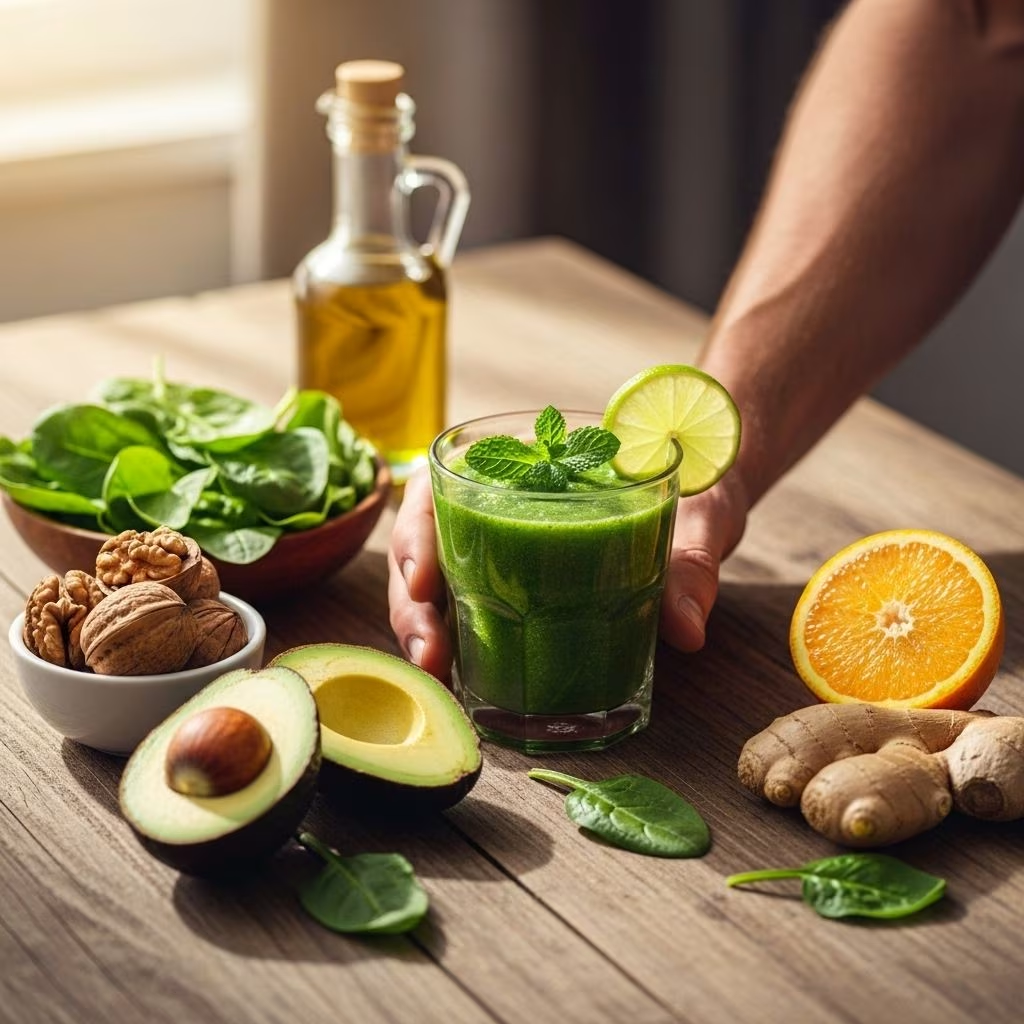
Beyond individual nutrients, overall dietary patterns matter. Eating balanced meals with plenty of micronutrients supports testosterone and general well-being. Key foods and dietary elements include:
- Shellfish and Fatty Fish: Top sources of zinc and vitamin D.
- Leafy Greens: Spinach, kale, and Swiss chard supply magnesium, aiding testosterone balance.
- Avocados: Rich in magnesium, boron, and healthy fats, potentially increasing sex hormone levels and supporting erectile function.
- Cocoa: Contains flavonoids like quercetin, which may support testosterone production.
- Cruciferous Vegetables: Broccoli, Brussels sprouts, and cabbage contain indole-3-carbinol, a plant extract beneficial to hormone health.
| Food | Main Testosterone-Supporting Nutrient |
|---|---|
| Oysters | Zinc |
| Salmon | Vitamin D & Omega-3 |
| Spinach | Magnesium |
| Avocado | Boron & Healthy Fats |
| Cocoa | Quercetin |
Herbs, Vitamins, and Supplements That May Increase Testosterone
Several herbal remedies and specific supplements are associated with testosterone support. These include:
- Ashwagandha (Withania somnifera): Traditional adaptogenic herb. Some small studies show increases in testosterone levels after 8 weeks of supplementation (300 mg twice daily). More research is needed.
- Vitamin D: Deficiency is often linked to low T. Supplementing may help relieve symptoms and support hormone health, but evidence is mixed.
- Zinc: As discussed, dietary or supplemental zinc can be beneficial when deficiency is present.
- Garlic: Animal and cell studies suggest possible testosterone benefits. Human data are limited, but garlic is safe and nutritious.
- Dehydroepiandrosterone (DHEA): A hormone precursor to testosterone and estrogen. Some studies show increases in testosterone, mostly in women, but the evidence is inconsistent. DHEA supplementation should be medically supervised.
- Pine Bark Extract (Pinus pinaster, Pycnogenol): Paired with L-arginine in some studies, this combination helped with symptoms of erectile dysfunction (ED) and sexual satisfaction, but did not consistently affect testosterone levels in all research.
- Fenugreek: Studies indicate increases in testosterone after three months of fenugreek extract. May also support libido and strength.
- Magnesium: Low magnesium is correlated with low testosterone. Supplements are beneficial if there is a deficiency.
- Boron: Linked with increases in sex hormone levels. Found in avocados, nuts, and as a supplement.
Always consult a healthcare professional before starting supplements, especially hormones or concentrated herbal extracts, to avoid interactions or side effects.
When to See a Doctor
If you notice signs of low testosterone—such as marked fatigue, loss of libido, erectile problems, or unexplained muscle loss—it’s important to consult a healthcare provider. They can assess hormone levels, rule out underlying conditions, and discuss tailored treatment options. Severe or persistent low testosterone may require medical therapies beyond lifestyle change.
Frequently Asked Questions
Q: How do I know if I have low testosterone?
A: Common symptoms include reduced sex drive, erectile dysfunction, tiredness, muscle loss, and mood changes. A blood test is needed for diagnosis.
Q: Do natural testosterone boosters work as well as medical therapy?
A: Natural boosters can help mild cases and support overall hormone health but are not replacements for medical treatment if low T is severe or caused by underlying disease.
Q: Is it safe to use testosterone supplements or hormones without a doctor’s supervision?
A: No. Hormonal therapies and potent supplements should only be used under medical guidance.
Q: How long does it take for lifestyle changes to impact testosterone?
A: Improvements may begin within weeks, but sustained effects require long-term commitment to healthy habits.
Q: Are testosterone boosters suitable for women?
A: Women also produce testosterone, but at lower levels. Certain supplements (like DHEA) may benefit women after medical consultation, while herbs like ashwagandha have broader use cases.
Key Takeaways
- Getting enough sleep, maintaining a healthy weight, eating zinc-rich foods, limiting sugar, and regular exercise are proven natural strategies to support testosterone.
- Diets with shellfish, fatty fish, leafy greens, avocados, and cocoa are associated with better hormonal health.
- Herbs and targeted supplements—such as ashwagandha, vitamin D, fenugreek, and others—may help, but evidence varies and professional supervision is advised.
- If symptoms persist, seek a healthcare provider for diagnosis and guidance.
References (Selected)
- Healthline: Testosterone Basics and Natural Boosters
- Medical News Today: Foods for Testosterone
- Healthline: Herbs, Vitamins, and Supplements
References
- https://www.healthline.com/health/herbs-vitamins-supplements-testosterone-levels-balance
- https://www.medicalnewstoday.com/articles/natural-foods-for-testosterone-booster
- https://www.healthline.com/health/low-testosterone/natural-boosters
- https://www.healthline.com/health/video/8-ways-to-boost-testosterone
- https://www.healthline.com/health/nutrition/video/foods-that-boost-testosterone
- https://www.youtube.com/watch?v=LtsGfYzHdrc
- https://www.healthline.com/health/video/herbs-vitamins-supplements-testosterone-levels-balance
- https://www.medicalnewstoday.com/articles/testosterone-boosters-uses-and-effectiveness
- https://sarasotaroboticurology.com/news-events/sex-health/6-natural-testosterone-boosters-you-can-try-today/
- https://www.health.harvard.edu/mens-health/treating-low-testosterone-levels