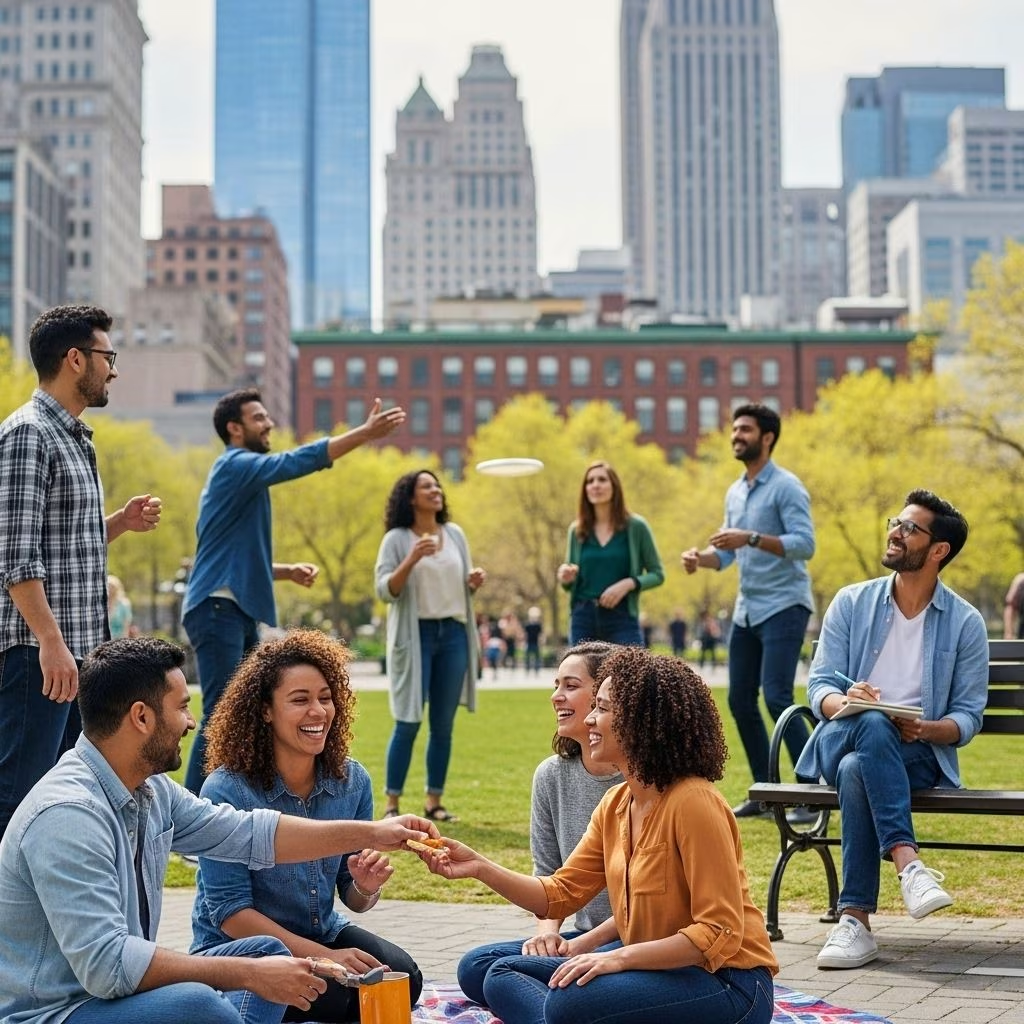
Moving to a new city can be exhilarating, invigorating—and isolating, especially when you don’t know anyone yet. Forging new friendships as an adult is a common challenge but absolutely possible. Whether you’ve relocated for work, family, or fresh adventures, building a social circle takes intention, vulnerability, and action. This guide offers practical, expert-backed advice, from mindset shifts to actionable steps, to help you cultivate new and lasting connections in your new city.
Understanding the Challenges of Making Friends as an Adult
Friendship often feels easy for children but requires greater effort in adulthood. When you move, pre-existing networks vanish and social routines are disrupted. Here’s why making friends in a new city can feel tough:
- Fewer built-in opportunities: No shared classes or playdates; you must seek out new occasions for connection.
- Busy schedules: Balancing work, family, and personal needs leaves less time and energy for friendship-building.
- Unfamiliar social norms: Each city or community can have its own culture, making it harder to gauge how to approach people.
- Fear of rejection: The risk of putting yourself out there can stir up nerves for even the most outgoing.
Despite these hurdles, research shows that meaningful friendships are possible at any stage of life. All it takes is bravery, persistence, and a plan.
Shift Your Mindset: Connection Starts with Vulnerability
Before diving into tactics, adopt a mindset that embraces discomfort and sees every encounter as a potential gateway to connection:
- Normalize awkwardness: Almost everyone feels a bit awkward when meeting new people. Instead of avoiding it, embrace it as a natural part of the process.
- Remember you’re not alone: Many others in your new city are looking for friends, too, especially in transient urban environments.
- Give yourself permission to be proactive: Waiting passively for friends to appear rarely works; taking initiative is key.
- Accept that not every attempt will succeed: Some connections won’t deepen, and that’s okay. Don’t let early setbacks deter you from trying again.
Start Before You Move: Leverage Existing Connections
Your social network might be wider than you think. Tap into connections before and after your relocation for a boost:
- Ask friends, family, or colleagues if they know anyone in your new city. Even distant acquaintances can be vital introductions.
- Announce your move on social platforms such as Facebook or LinkedIn to crowdsource connections.
- Request introductions—most people are happy to help, and mutual friends make first meetings less awkward.
Say Yes Early and Often: Embrace New Invitations
In the early weeks after your move, push yourself to accept most invitations, even those outside your comfort zone:
- If someone invites you to a gathering, a coffee, or a local event, go if you can—these moments can fast-track your integration.
- View each event as an opportunity to practice socializing and expand your network, even if friendships don’t form right away.
- Be open to reconnecting with the same people multiple times: repeated encounters are proven to build a sense of familiarity and trust.
Explore Organized Groups and Apps
Many adults find community by joining structured activities or using friendship-focused apps. Try these platforms and activities to accelerate your friendships:
- Meetup.com: Search for groups centered around hobbies, professional interests, or social outings. Attend events with an open mind and introduce yourself to fellow newcomers.
- Facebook Groups: Find local interest or neighborhood groups. These often host in-person get-togethers and are a great way to access community events quickly.
- Couchsurfing Hangouts: Even if you’re not hosting or traveling, Couchsurfing’s Hangouts feature lets you meet nearby people looking to connect for activities like coffee or exploring the city.
- Sports leagues and classes: Join a recreational soccer, volleyball, or running group; enroll in a fitness class or dance session to meet people in a more relaxed, recurring setting.
- Language, book, or crafts clubs: Shared interests foster conversation and ease introductions.
- Volunteering: Offer your time for causes you care about, meeting others who share your values while giving back.
Reconnect with Hobbies and Passions
Shared activities make natural bonding points. Revisit old hobbies or try something new to find like-minded friends:
- Creative workshops (painting, pottery, cooking classes)
- Outdoor activities (hiking, cycling, group yoga)
- Live music, trivia nights, or open mic events
- Community gardening or local markets
Tip: When you consistently show up at the same places, faces become more familiar and casual conversation can evolve into genuine friendship.
Leverage Social Media and Online Communities
Online spaces can be powerful tools for forming offline friendships:
- Use Instagram to find local content creators or follow hashtags related to your new city. Engage with their posts; some are open to offline meetups.
- Join Discord, WhatsApp, or Telegram groups built around your profession, ethnicity, or interests in your area.
- Reddit has location-based subreddits where locals share events and recommendations; participate in discussions and attend casual meetups when possible.
Practice Approaching Strangers and Making Small Talk
Small talk is the seed of new relationships. Though intimidating, approaching new people doesn’t have to be scary if you start small:
- Strike up casual conversations with neighbors, baristas, or people at the gym—over time, these interactions can blossom.
- Look for context cues: Compliment a book someone is reading, ask about local recommendations, or comment on shared experiences.
- Don’t dismiss potential friends due to age or background—connection can come from unexpected places.
Keep Connections Alive: Follow Up and Reciprocate
Initial meetings are just the beginning. Here’s how to nurture new relationships:
- Exchange contact information whenever you meet someone interesting.
- Initiate follow-ups—invite them for coffee, send them an interesting article, or suggest joining another class or group together.
- Be consistent: The more often you interact, the more quickly trust develops.
- Stay flexible: Friendships deepen at different speeds. Meet up when it works for both, and don’t be discouraged by delays.
Safety Tips for Meeting New People
Your well-being comes first whenever you’re meeting strangers, especially those from online communities:
- Arrange first meetings in public, well-lit areas.
- Let a friend or family member know where you’re going and who you’re meeting.
- Trust your instincts; if something feels off, it’s okay to leave or decline further contact.
- Vet online contacts: Check for real profiles, mutual friends, or reviews if available.
Table: Platforms and Activities to Meet New People
| Platform/Activity | Description | Best For |
|---|---|---|
| Meetup.com | Website hosting themed interest groups and regular events | Joining local hobby or professional groups |
| Facebook Groups | Online communities for neighborhoods or interests | Finding community events, discussions |
| Couchsurfing Hangouts | Meet people spontaneously for activities | Travelers, expats, spontaneous plans |
| Volunteering | Contribute to local causes and meet likeminded individuals | Community involvement, shared values |
| Fitness Classes/Clubs | Sports teams, yoga, running clubs, dance classes | Active socializers, recurring meetups |
| Online Forums & Social Media | Discord servers, Reddit, Instagram | Special interests, expat and hobbyist groups |
Embrace the Long Game: Friendship Takes Time
Building friendships is rarely instant. Allow connections to grow naturally and be patient with yourself and others. The more you engage and show up, the more likely it is that genuine bonds will follow.
- Regularly revisit favorite spots—repetition helps build rapport.
- Stay positive and persistent, even when some encounters don’t pan out.
- Celebrate small wins: Each conversation is progress toward building your circle.
Frequently Asked Questions (FAQs)
How can introverts make friends in a new city?
Introverts can benefit from structured activities like book clubs or hobby groups that offer small, predictable gatherings. Volunteering, attending classes, or joining online communities can also provide lower-pressure environments for meeting others.
What if all my attempts to make friends seem to fail?
Don’t get discouraged—forming real connections takes time. Try mixing up your approach: explore new groups, shift to different activities, or take breaks as needed. Reflection and persistence will lead you to your people over time.
Is it appropriate to follow up after first meetings?
Absolutely. If you connect with someone, send a friendly message or invite them to another outing. Most people appreciate the initiative, and consistency helps friendships deepen.
Are there risks to meeting people from online platforms?
Safety should always be a priority. Meet in public, let someone know your plans, and verify profiles if possible. Trust your instincts and exit situations that make you uncomfortable.
Can you really build lasting friendships as an adult?
Yes! Research shows that adult friendships are not only possible but vital for happiness and resilience. The key is to stay open, proactive, and persistent.
Final Encouragement: Your Community Awaits
The journey to building a social circle in a new city is filled with opportunities for connection and growth. Everyone deserves friendship and belonging—including you. Whether through organized activities, chance encounters, or digital communities, authentic bonds are within reach. With a blend of courage and consistency, you will not only find friends but also enrich your life in your vibrant new home.
References
- https://www.wheregoesrose.com/meet-people-new-city/
- https://drmarisagfranco.com/how-to-make-friends-in-a-new-city/
- https://thirdculturenellie.com/how-to-make-friends-new-city/
- https://alexlaughlin.substack.com/p/5-tips-for-making-friends-in-a-new
- https://www.oprahdaily.com/life/relationships-love/a45342932/how-to-make-friends-in-a-new-city/
- https://www.succeedsocially.com/howtomakefriendsnewcity
- https://newsletter.calvinrosser.com/p/198