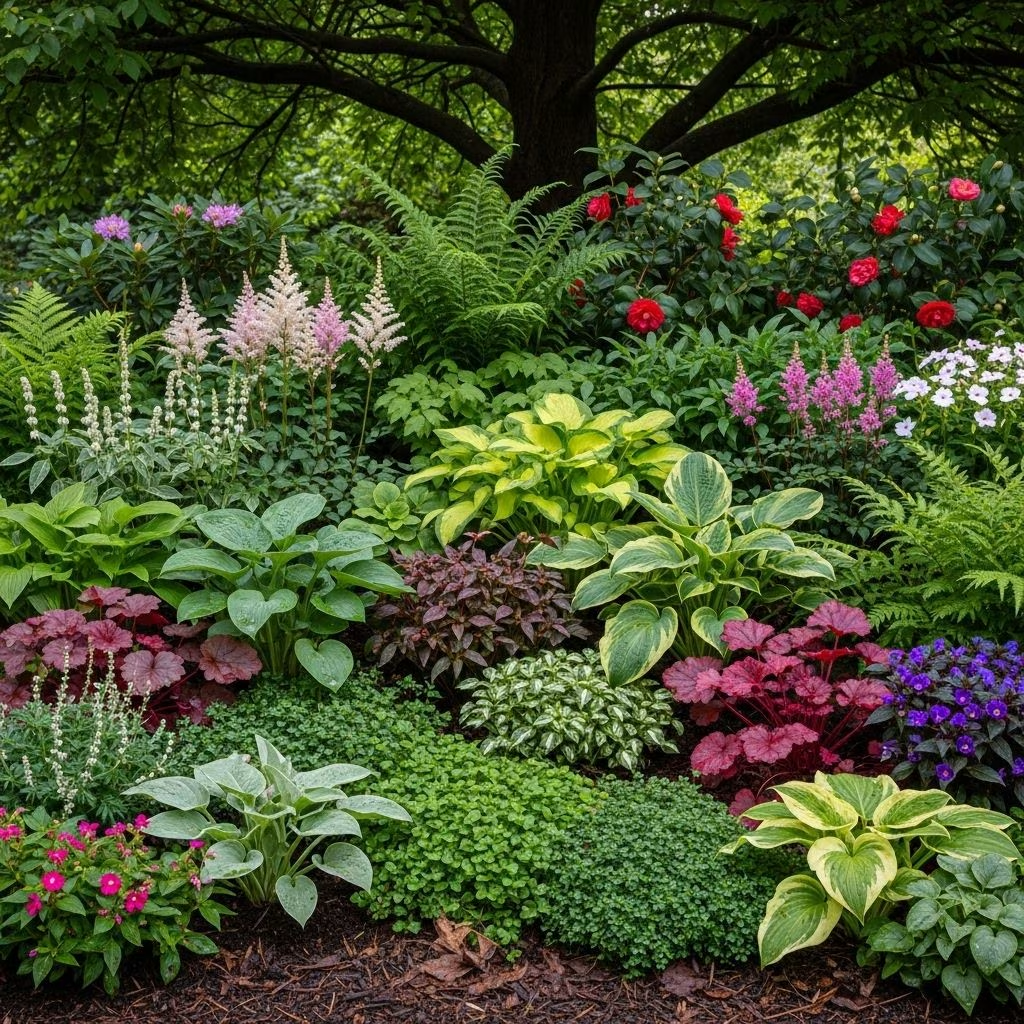
Gardening in shady spaces can be a joy with the right choices. Whether your garden is sheltered by towering trees or nestled beside buildings, these shade-loving plants offer layers of color, texture, and resilience for all your low-light corners. This guide showcases 32 top-performing perennials, annuals, shrubs, and groundcovers, each tried-and-true for their shade tolerance, beauty, and ease of care.
Why Grow Shade-Loving Plants?
Shade gardens are ideal for spaces that receive less than six hours of direct sunlight each day. Successful shade gardens depend on selecting plants that thrive in partial to full shade—these species tolerate (and often prefer) filtered light, indirect sunshine, or even deep shade beneath tree canopies. Many shade-loving plants also offer bonus qualities such as drought resistance, pollinator attraction, or striking foliage patterns, making them both practical and beautiful choices.
How to Design a Shade Garden
- Layer plants: Combine groundcovers, mid-height perennials, and taller shrubs for visual dimension.
- Mix foliage textures: Contrasting leaf shapes and colors enliven shady plots where flowers may be scarce.
- Add color with blooms: Select plants with vibrant flowers or variegated leaves to brighten dark spots.
- Provide soil and moisture: Many shade plants love rich, moist soils; amend with compost and mulch regularly.
- Consider hardiness zones: Match plants with your USDA zone for best results.
Top 32 Shade-Loving Plants
This curated list includes shade-lovers for every garden need—from spring blooms and lush greenery to fall interest and groundcovers.
| Common Name | Botanical Name | Type | Zones | Height (inches) | Sun Exposure |
|---|---|---|---|---|---|
| Astilbe | Astilbe spp. | Perennial | 4–8 | 12–48 | Partial–Full Shade |
| Begonia | Begonia spp. | Annual | 10–11 | 6–36 | Partial–Full Shade |
| Japanese Forest Grass | Hakonechloa spp. | Perennial | 5–9 | 12–18 | Partial–Deep Shade |
| Lungwort | Pulmonaria spp. | Perennial | 3–9 | 6–12 | Partial–Full Shade |
| Mahonia (Oregon grape) | Mahonia spp. | Shrub | 5–10 | 12–240 | Partial–Deep Shade |
| Primrose | Primula spp. | Perennial | 2–8 | 3–48 | Partial–Full Shade |
| Wishbone Flower | Torenia spp. | Annual | 10–11 | 8–16 | Partial–Full Shade |
| Hosta | Hosta spp. | Perennial | 3–9 | 6–36 | Partial–Deep Shade |
| Ferns (General) | Various genera | Perennial | Variable | 6–36 | Partial–Deep Shade |
| Heuchera (Coral bells) | Heuchera spp. | Perennial | 4–9 | 6–18 | Partial–Full Shade |
| Lenten Rose | Helleborus spp. | Perennial | 4–9 | 12–24 | Partial–Full Shade |
| Bleeding Heart | Dicentra spectabilis | Perennial | 3–9 | 24–36 | Partial–Full Shade |
| Periwinkle (Myrtle) | Vinca minor | Groundcover | 4–8 | 4–6 | Partial–Full Shade |
| Foamflower | Tiarella cordifolia | Perennial | 4–9 | 6–12 | Partial–Full Shade |
| Creeping Jenny | Lysimachia nummularia | Groundcover | 3–8 | 2–4 | Partial–Full Shade |
| Toad Lily | Tricyrtis formosana | Perennial | 4–9 | 18–36 | Partial–Full Shade |
| False Forget-Me-Not | Brunnera macrophylla | Perennial | 3–8 | 12–24 | Partial–Full Shade |
| Solomon’s Seal | Polygonatum spp. | Perennial | 4–9 | 12–36 | Partial–Full Shade |
| Bishop’s Weed | Aegopodium podagraria | Groundcover | 3–8 | 6–12 | Partial–Full Shade |
| Impatiens | Impatiens walleriana | Annual | 10–11 | 12–36 | Partial–Full Shade |
| Caladium | Caladium bicolor | Annual/Bulb | 9–11 | 12–24 | Partial–Full Shade |
| Trillium | Trillium spp. | Perennial | 4–8 | 12–18 | Partial–Full Shade |
| Jacob’s Ladder | Polemonium caeruleum | Perennial | 3–8 | 12–24 | Partial–Full Shade |
| Foamflower | Tiarella spp. | Perennial | 4–9 | 6–12 | Partial–Full Shade |
| Bugleweed | Ajuga reptans | Groundcover | 3–10 | 4–6 | Partial–Full Shade |
| Coleus | Coleus spp. | Annual | 10–11 | 6–30 | Partial–Full Shade |
| Spring Snowflake | Leucojum vernum | Bulb | 4–8 | 6–12 | Partial–Full Shade |
| Sweet Woodruff | Galium odoratum | Groundcover | 4–8 | 6–12 | Partial–Full Shade |
| Barrenwort | Epimedium spp. | Perennial | 5–8 | 8–12 | Partial–Full Shade |
| Virginia Bluebells | Mertensia virginica | Perennial | 3–8 | 12–24 | Partial–Full Shade |
| Wild Ginger | Asarum canadense | Groundcover | 4–8 | 6–12 | Partial–Full Shade |
| Lamium (Deadnettle) | Lamium maculatum | Groundcover | 3–8 | 4–8 | Partial–Full Shade |
| Ligularia | Ligularia dentata | Perennial | 4–8 | 36–48 | Partial–Full Shade |
| Japanese Anemone | Anemone hupehensis | Perennial | 5–8 | 24–36 | Partial–Full Shade |
In-Depth Profiles of Essential Shade-Lovers
Astilbe
Astilbe lights up shade gardens with feather-like plumes in red, pink, white, or purple, rising above fern-like leaves. Plant in groups for striking summer displays. Prefers moist, fertile soil and can tolerate deep shade but flowers best with dappled light.
Hosta
Hostas are staples for shady beds, celebrated for substantial leaves in blue-green, chartreuse, or variegated patterns. Their summer flowers attract pollinators, and most varieties are deer-resistant. Hostas thrive with even moisture and are ideal for borders, under trees, and containers.
Japanese Forest Grass (Hakonechloa)
This cascading grass forms golden or variegated mounds that bring movement and light to the darkest corners. Japanese Forest Grass is excellent for softening edges and pairs beautifully with ferns and hostas. Requires consistently moist, rich soil.
Lungwort
Lungwort is prized for early spring blooms (pink, blue, or purple) and silver-spotted foliage. It’s a dependable groundcover for moist shade and a great companion to hostas and ferns.
Mahonia (Oregon Grape)
This shade-tolerant evergreen shrub shines with spiky blue-green leaves, bright yellow flowers in winter or early spring, and clusters of blue berries in fall. Mahonia tolerates dry shade and works well for underplanting beneath trees and establishing privacy borders.
Primrose (Primula)
Primroses fill spring gardens with radiant color, thriving in cool, shaded conditions. Their rosettes of leaves and clusters of flowers add charm to woodland edges, containers, and mixed borders.
Wishbone Flower (Torenia)
Wishbone flower offers snapdragon-like blossoms in a kaleidoscope of colors from midsummer to frost. It’s perfect for brightening up deep shade and flows gracefully from baskets or urns.
Lenten Rose (Helleborus)
Lenten rose yields sturdy, evergreen foliage and upward-facing flowers (white, pink, purple, yellow) as early as late winter. It’s drought-tolerant when established and deer-resistant—ideal for problem shady patches.
Impatiens
A classic for mass color in shade gardens, impatiens provide nonstop bloom from spring to frost in hues from pink to red, white to coral. Their compact habit makes them magnets for pollinators and essential for container plantings.
Ferns
From maidenhair and ostrich fern to autumn and Christmas fern, these plants bring feathery, woodland charm to any shade garden. Ferns thrive in humid, consistently moist soil and work well along streams, ponds, or as underplantings for trees and shrubs.
Bleeding Heart
Bleeding heart is instantly recognizable for its arching stems and pink or white heart-shaped blossoms in late spring. It prefers cool, moist shade and pairs beautifully with hostas and ferns.
Heuchera (Coral Bells)
Heuchera shines in shade with vibrant, ruffled foliage ranging from deep burgundy to lime green and silver. Small bell-shaped flowers attract pollinators in late spring. Its compact form works well in borders and containers.
Creeping Jenny
This groundcover forms carpets of yellow-green foliage—perfect for dripping over walls or softening paths. Creeping Jenny loves moist soil and partial shade and can spread quickly to fill empty spots.
Toad Lily
Known for its orchid-like flowers speckled purple or white, the toad lily blooms late in the season—often September or October—adding exotic flair where few other flowers are present.
Periwinkle (Vinca minor)
Glossy foliage and blue or white blossoms make periwinkle a popular, low-maintenance groundcover for dry or damp shade. It forms dense mats and helps suppress weeds under trees or shrubs.
Tips for Successful Shade Gardening
- Moisture and Mulch: Most shade plants prefer consistently moist, well-mulched soil to prevent drought stress.
- Fertilize sparingly: Too much nitrogen encourages leaf growth at the expense of flowers.
- Watch for slugs: Hostas and other lush-leaved plants attract slugs; use barriers or organic baits as needed.
- Use containers: Many shade-lovers thrive in pots, perfect for patios or decks with dappled shade.
Common Problems and Solutions
- Soil compaction: Amend with compost and plant shallow-rooted species like ferns or foamflower.
- Drought stress: Choose drought-tolerant varieties (hellebores, mahonia, bishop’s weed) and mulch deeply.
- Poor flower production: Increase dappled light or choose shade plants known for their foliage instead of blooms.
Frequently Asked Questions (FAQs)
Q: Which shade-loving plants offer year-round interest?
A: Evergreen shrubs like Mahonia, Lenten Rose, and certain ferns provide beauty in all seasons with resilient foliage and, in some cases, winter or early spring blooms.
Q: What is the best groundcover for deep shade?
A: Periwinkle (Vinca minor), Creeping Jenny, Lamium, and Bishop’s Weed are top choices—they spread quickly, suppress weeds, and thrive in low-light conditions.
Q: Can I grow flowers in heavy shade?
A: Yes! Plants like Astilbe, Toad Lily, Primrose, Impatiens, and Bleeding Heart reliably bloom in low light. For deeper shade, focus on striking foliage and select flowers with proven performance.
Q: Are shade gardens high-maintenance?
A: Most shade-loving plants are low-maintenance, requiring regular moisture and annual mulching. Deer-resistant and drought-tolerant selections help reduce care.
Q: Will these plants work under mature trees?
A: Yes! Many shade plants thrive beneath trees, but be sure to enhance the soil with compost and provide extra water, especially during dry periods.
Design Ideas for Dramatic Shade Gardens
- Woodland Retreat: Mix ferns, hostas, trillium, and foamflower beneath deciduous trees for a natural, wild look.
- Colorful Corners: Group impatiens, coleus, caladium, and wishbone flower in pots for season-long bloom.
- Texture and Pattern: Combine lungwort, heuchera, Japanese forest grass, and primrose for contrasting foliage shapes and colors.
- Privacy Borders: Line paths or fences with mahonia, hellebore, and anemone for year-round coverage.
Additional Resources
- Check local garden centers for zone-appropriate varieties.
- Consult extension services or horticultural societies for regional advice on shade gardening.
- Online communities and gardening forums can provide inspiration and troubleshooting for challenging spaces.
Conclusion
Shade doesn’t mean you have to settle for bare soil or minimal interest. These 32 shade-loving plants provide abundant options for every garden style and site. With careful selection and attentive care, your low-light areas can burst with color, texture, and life throughout the year.
References
- https://www.gardendesign.com/shade/plants.html
- https://www.bathgardencenter.com/post/shade-loving-plants
- https://www.rareroots.com/collections/shade-lovers
- https://extension.missouri.edu/publications/g6911
- https://www.highcountrygardens.com/content/gardening/plants-for-shade-and-part-shade
- https://gardeningsolutions.ifas.ufl.edu/design/landscaping-for-specific-sites/shady-landscapes/
- https://www.missouribotanicalgarden.org/gardens-gardening/your-garden/help-for-the-home-gardener/advice-tips-resources/visual-guides/plants-for-heavy-shade
- https://www.petittigardencenter.com/resources/shade-gardening/
- https://www.finegardening.com/article/new-hardy-shade-plants-to-grow-instead-of-the-usual-suspects
- https://www.rhs.org.uk/plants/for-places/shade-planting-annuals-bulbs-perennials