\n\n
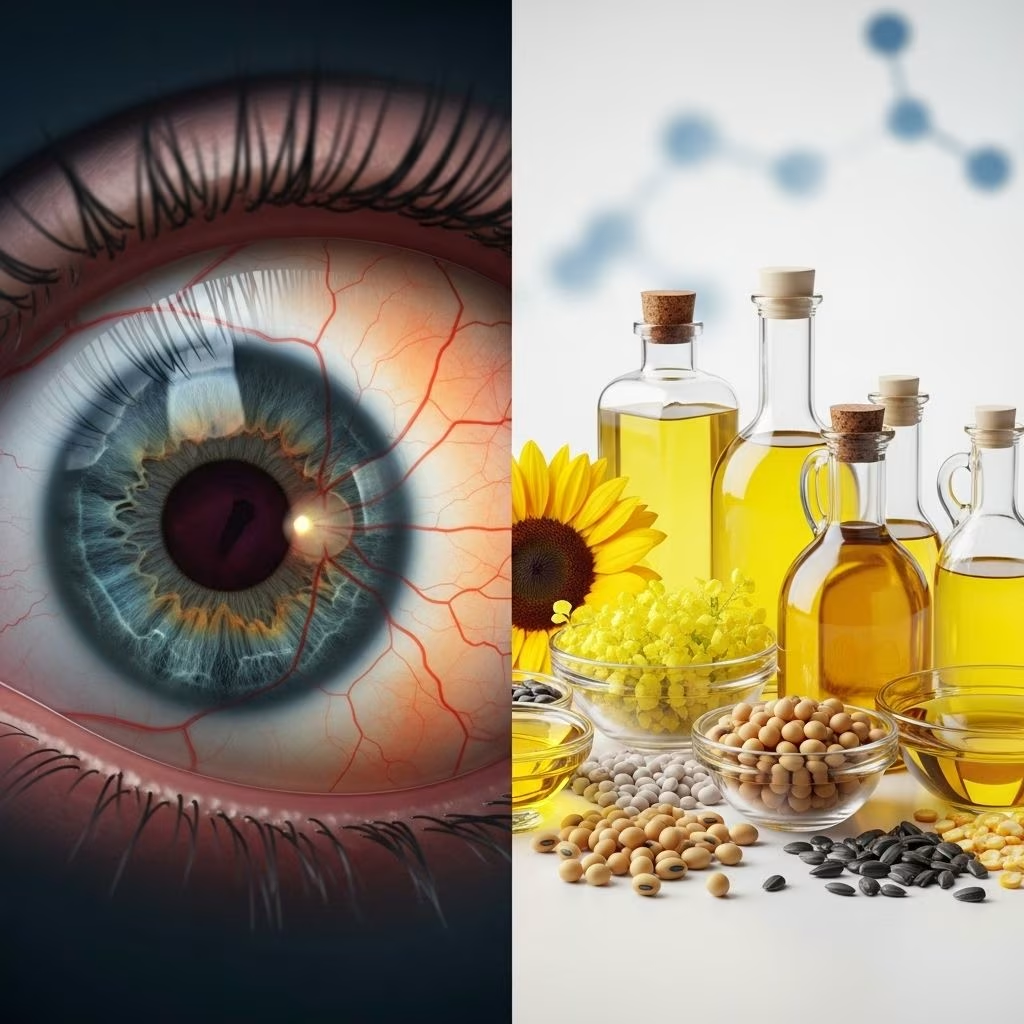
Age-related macular degeneration (AMD) is a leading cause of vision loss worldwide, with diet playing a growing role in its prevention and progression. Among dietary components, seed oils (also referred to as vegetable oils) are of increasing interest due to their prevalence in modern diets and potential impact on ocular health. This in-depth article explores the latest insights, evidence, and controversies regarding the role of seed oils in AMD, and offers practical strategies to help promote lifelong vision health.
\n\n
Understanding Macular Degeneration
\n
Macular degeneration is a progressive eye disorder that affects the macula, the part of the retina critical for sharp, central vision needed for activities such as reading, driving, and recognizing faces. There are two main forms:
\n
- \n
- Dry (atrophic) AMD: Characterized by gradual thinning and deterioration of the macula.
- Wet (neovascular) AMD: Marked by abnormal blood vessel growth under the retina, leading to rapid vision loss.
\n
\n
\n
Risk factors include age, genetics, smoking, and increasingly, dietary patterns—especially those influencing inflammation and oxidative stress in eye tissues.
\n\n
Seed Oils: What Are They?
\n
Seed oils—sometimes labeled as vegetable oils—are extracted from seeds and plants and include:
\n
- \n
- Canola (rapeseed) oil
- Corn oil
- Cottonseed oil
- Grapeseed oil
- Peanut oil
- Rice bran oil
- Safflower oil
- Soybean oil
- Sunflower oil
\n
\n
\n
\n
\n
\n
\n
\n
\n
\n
These oils are a major source of dietary omega-6 polyunsaturated fatty acids (PUFAs), primarily linoleic acid. While some omega-6 fats are necessary for health, modern diets often provide them in quantities far beyond evolutionary norms, upsetting the natural balance with omega-3 fatty acids.
\n\n
Omega-6 to Omega-3 Ratio: A Crucial Factor
\n
Omega-6 and omega-3 fatty acids are both essential, but they must be consumed in proper balance. Experts suggest an optimal dietary ratio of:
\n
- \n
- 1:1 to 4:1 (Omega-6:Omega-3)
\n
\n
However, Western diets frequently reach ratios of 15:1 or higher, driven largely by processed foods and wide use of seed oils.
\n
Why does this matter? Excessive omega-6 intake promotes inflammation, which is believed to be central in the development and progression of AMD and other chronic diseases.
\n\n
How Seed Oils May Affect Eye Health
\n
Researchers and clinicians have raised concerns that a high intake of omega-6-rich seed oils may:
\n
- \n
- Increase oxidative stress and inflammation in retinal tissues
- Contribute to the formation of harmful compounds in the eye
- Promote or exacerbate age-related macular degeneration
\n
\n
\n
\n\n
What Does the Evidence Say?
\n
Multiple studies have examined the connection between dietary seed oils, omega-6 fatty acids, and AMD risk:
\n
- \n
- Observational studies indicate that a diet high in linoleic acid (the main omega-6 fat in seed oils) is associated with a higher risk of developing macular degeneration.
- Conversely, diets low in linoleic acid and higher in omega-3s from sources like fatty fish are linked to a reduced risk of AMD.
\n
\n
\n
These patterns suggest the importance of fat quality and balance in eye disease prevention.
\n\n
Seed Oils, Inflammation, and the Eye
\n
High intakes of omega-6-rich seed oils may contribute to chronic inflammation in several ways:
\n
- \n
- Immunosuppression: Excess linoleic acid is thought to suppress certain immune responses and promote inflammation.
- Prostaglandin E2 (PGE2) Pathway: Linoleic acid can be metabolized to PGE2, a compound associated with inflammation and tissue damage.
- Oxidative stress: The retina is highly susceptible to oxidative stress, which is amplified by unstable fats like PUFAs present in seed oils.
\n
\n
\n
\n\n
Comparing Different Oils and Eye Nutrient Uptake
\n
The absorption of protective carotenoids, such as lutein and zeaxanthin, is crucial for retinal health. A recent study compared various oils for their effects on lutein and zeaxanthin uptake by retinal pigment epithelial cells in the lab.
\n\n
| Oil Type | Uptake of Lutein & Zeaxanthin |
|---|---|
| Coconut oil | Highest |
| Corn oil | Moderate |
| Peanut oil | Moderate |
| Olive oil | Moderate |
| Sunflower oil | Moderate |
| Soybean oil | Moderate |
| Castor oil | Lower |
| Linseed oil | Lowest |
\n\n
The takeaway is that the type of oil influences how well the eye can absorb protective nutrients. Oils with different fatty acid compositions affect membrane fluidity and the biological properties of retinal cells.
\n\n
Potential Risks Beyond the Eye
\n
Beyond their proposed role in AMD, seed oils have been linked to an array of other possible health consequences:
\n
- \n
- Autoimmune diseases: By promoting inflammation and oxidative stress
- Cognitive decline: High omega-6-to-omega-3 ratios are associated with greater risk of depression, anxiety, and even Alzheimer’s disease
- Obesity and diabetes: Seed oils may contribute to insulin resistance and weight gain
- Cardiovascular disease: When consumed in excess, may encourage a pro-inflammatory state in blood vessels
\n
\n
\n
\n
\n\n
Why Are Seed Oils So Ubiquitous?
\n
Seed oils are inexpensive to produce, have a high smoke point, and a neutral flavor, making them staples in processed and fried foods, salad dressings, margarines, and even many products marketed as “heart healthy.” However, their prevalence has shifted population-wide fat consumption away from traditional sources, such as olive oil, butter, tallow, and coconut oil.
\n\n
Tips for Choosing Healthy Fats to Support Eye Health
\n
To reduce your risk of macular degeneration and promote overall eye health, consider these practical steps:
\n
- \n
- Limit the use of seed oils (canola, corn, soybean, sunflower, safflower, cottonseed, peanut, grapeseed)
- Opt for traditional fats like olive oil, coconut oil, grass-fed butter, and avocado oil, which tend to have a better fatty acid balance
- Increase intake of omega-3-rich foods, especially fatty fish (salmon, sardines, mackerel), flaxseed, chia seeds, and walnuts
- Read labels to spot hidden sources of industrial seed oils in packaged foods
- Prioritize whole, unprocessed foods to naturally minimize seed oil exposure
\n
\n
\n
\n
\n
\n\n
Status of Seed Oil Research: Controversies and Gaps
\n
It’s important to note that although observational studies and mechanistic research suggest a link between excessive omega-6 from seed oils and AMD, not all clinical trials agree, and some experts argue more research is needed to establish causation rather than correlation.
\n
Other factors such as genetics, lifestyle, smoking, and overall dietary pattern also play a major role in AMD risk.
\n\n
What About Oils that Help Absorb Eye-Protective Nutrients?
\n
Fat is essential for the absorption of certain vitamins and phytochemicals. Oils or fats consumed alongside vegetables high in lutein and zeaxanthin (such as kale, spinach, and collard greens) can increase uptake of these carotenoids. Studies show that coconut oil in particular may enhance absorption of these nutrients in eye cells; however, fat quality and overall dietary pattern should still be prioritized.
\n\n
Frequently Asked Questions (FAQs)
\n\n
What exactly are seed oils?
\n
Seed oils are plant-derived oils extracted from seeds such as sunflower, safflower, soybean, corn, and canola. They often contain high levels of omega-6 polyunsaturated fatty acids, especially linoleic acid.
\n\n
Are all vegetable oils considered harmful to the eyes?
\n
Not all vegetable oils are equal—those high in omega-6 fatty acids have raised more health concerns. Oils high in monounsaturated and saturated fats (like olive oil, avocado oil, and coconut oil) may pose less risk when consumed as part of a balanced diet.
\n\n
How do seed oils increase the risk for macular degeneration?
\n
High intake of omega-6-rich seed oils may promote chronic inflammation and oxidative stress in the retina, both of which are believed to drive the development and progression of AMD. Excessive consumption also disturbs the crucial omega-6 to omega-3 balance.
\n\n
Can improving my diet really lower my risk of AMD?
\n
Many studies suggest that a diet rich in omega-3 fatty acids, the carotenoids lutein and zeaxanthin, and low in highly processed foods and seed oils, is associated with a lower risk for macular degeneration.
\n\n
What are key dietary changes to help protect my eye health?
\n
Reduce seed oil intake, favor traditional fats (such as olive and coconut oil), eat fatty fish for omega-3s, and increase your intake of leafy greens rich in lutein and zeaxanthin.
\n\n
Should I completely eliminate seed oils from my diet?
\n
While it may not be practical to totally eliminate seed oils, minimizing them and improving your omega-6 to omega-3 ratio is a reasonable step for supporting long-term eye health.
\n\n
Is there a role for supplements in AMD prevention?
\n
Some evidence supports the use of AREDS2 supplements containing lutein, zeaxanthin, omega-3s, and zinc for slowing AMD progression. However, focus on improving overall dietary patterns for best results.
\n\n
Summary Points: Rethinking Seeds Oils and Eye Health
\n
- \n
- Modern diets heavy in seed oils deliver excessive omega-6 fats, disrupting the natural balance with omega-3s and potentially fueling inflammation that harms vision.
- High linoleic acid diets may increase AMD risk, while omega-3-rich diets appear protective.
- Choosing healthy fats and a balanced diet with plentiful carotenoids is one of the most impactful strategies for protecting your sight.
\n
\n
\n
\n\n
Further Reading
\n
- \n
- Diet and Macular Degeneration: Explore more on food choices that support retinal health.
- Natural Ways to Reduce Inflammation: Foods and habits for optimal eye and general wellness.
\n
\n
\n
References
- https://www.gramzowchiropractic.com/blog/posts/seed-oils-and-the-damage-to-your-health
- https://pmc.ncbi.nlm.nih.gov/articles/PMC9815984/
- https://www.weightandwellness.com/resources/articles-and-videos/fats-avoidfats-include-macular-degeneration
- https://www.healthline.com/health/macular-degeneration-foods-to-avoid
- https://pmc.ncbi.nlm.nih.gov/articles/PMC6523787/
- https://www.youtube.com/watch?v=7kGnfXXIKZM