Hairy Cell Leukemia Treatment: Comprehensive Guide
Hairy cell leukemia (HCL) is a rare type of blood cancer that grows slowly and often responds well to treatment. While the disease isn’t curable, most individuals can manage symptoms effectively for many years, achieving extended periods of remission with modern therapies. This guide outlines key treatment options, what to expect, and addresses common questions about living with HCL.
Understanding Hairy Cell Leukemia
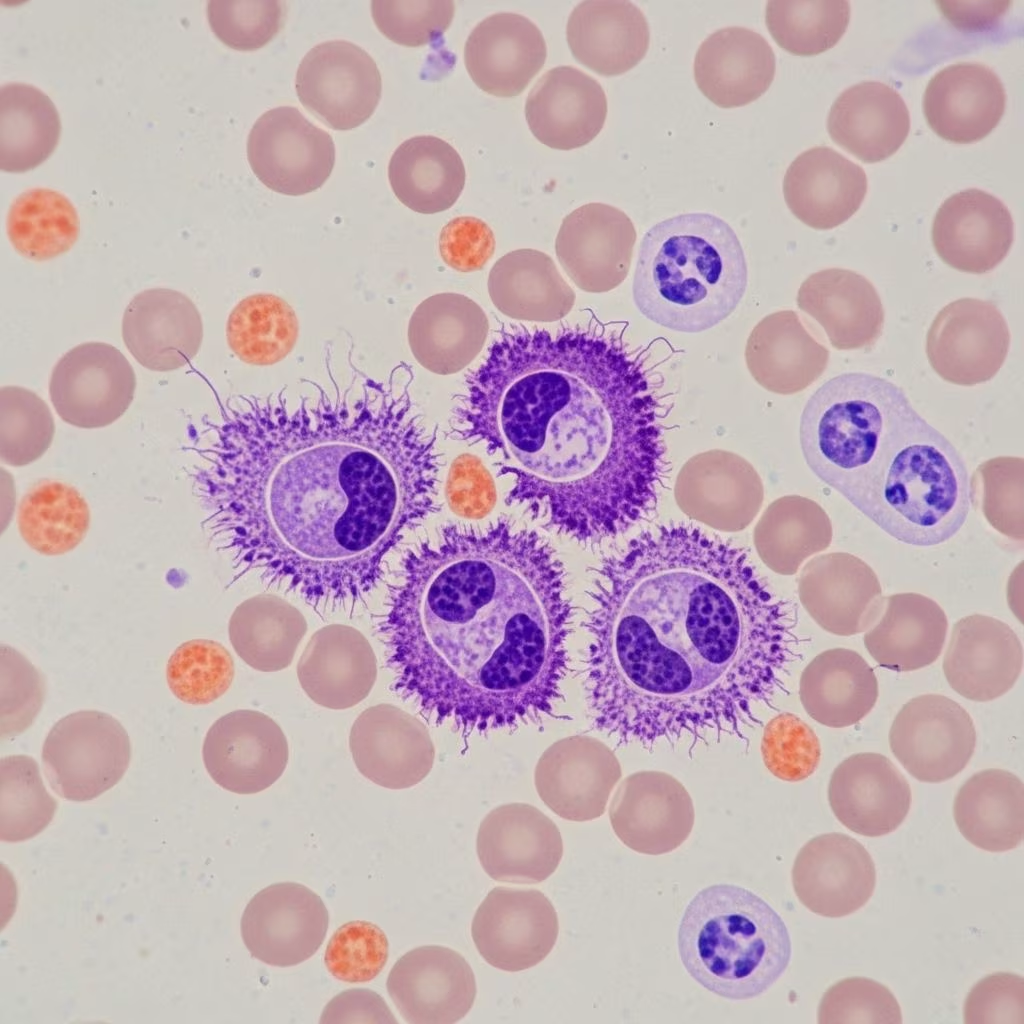
HCL originates in the bone marrow, leading to the accumulation of abnormal B lymphocytes (a kind of white blood cell) known for their ‘hairy’ projections when viewed under a microscope. These cancer cells can crowd out healthy blood cells over time, causing symptoms that can seriously impact health and quality of life. However, because HCL progresses slowly, many people can go years before needing treatment.
Treatment Overview
Key approaches to treating hairy cell leukemia include:
- Watchful waiting (active surveillance)
- Chemotherapy
- Targeted therapy
- Immunotherapy
- Surgery (splenectomy)
The choice of therapy depends on symptoms, blood cell counts, size of the spleen, and other health factors.
When Is Treatment Needed?
Not every diagnosis means immediate treatment. Many people are watched closely and only begin therapy when they experience:
- Low blood cell counts (anemia, thrombocytopenia, neutropenia)
- Frequent or severe infections
- Enlarged spleen (splenomegaly) causing pain or discomfort
- Persistent fatigue or other bothersome symptoms
Regular monitoring includes physical exams and blood tests every few months to detect changes indicating progression.
Chemotherapy
Chemotherapy remains the first-line treatment for most people with symptomatic hairy cell leukemia. These medications are effective in killing leukemia cells throughout the body, often resulting in long-lasting remissions.
- Cladribine (2-CdA): Often the preferred choice due to its ease of administration and favorable side effect profile. A short, single course (typically a week) can induce full remission in about 90% of cases.
- Pentostatin: Another purine analog with similar efficacy. Used less often but may be preferred in some cases.
- Bendamustine: Under investigation for refractory or relapsed cases.
Both cladribine and pentostatin may cause immunosuppression lasting several months, so careful attention to infection prevention is critical during recovery.
Remission and Relapse
While chemotherapy usually leads to remission, HCL is not considered curable. Remission means the absence of detectable cancer, but the disease can return (relapse). Many patients respond well to repeated courses of the same drug if remission lasted years, but alternative treatments are available if the disease becomes resistant.
Targeted Therapy
Targeted therapies attack specific genetic mutations or proteins found in cancer cells. These newer drugs may be used when:
- HCL does not respond to chemotherapy
- Relapse occurs quickly after prior treatment
- Certain genetic features are present (e.g., BRAF mutation)
Key targeted therapies include:
- BRAF inhibitors (vemurafenib and dabrafenib): Can block mutated BRAF protein responsible for cell growth. Sometimes combined with rituximab or trametinib for increased efficacy.
- BTK inhibitors (ibrutinib): Interrupt important signaling pathways that promote hairy cell leukemia cell survival.
Targeted therapies are generally well tolerated and may be given orally or through infusions, depending on the specific drug.
Immunotherapy
Immunotherapy leverages the body’s own defense systems to target and eliminate cancer cells. The most common approaches in HCL include:
- Monoclonal antibodies: Laboratory-made proteins designed to find and destroy cancer cells. Rituximab is the most commonly used monoclonal antibody for HCL, sometimes following chemotherapy or for patients who relapse.
- Peginterferon-alfa: Stimulates the immune response to help control hairy cell leukemia; reserved for cases not responsive to other therapies.
Immunotherapy is sometimes combined with other treatments for increased effect. Rituximab maintenance therapy after cladribine may enhance remission and reduce relapse.
Other Treatments
Splenectomy (Surgical Removal of Spleen)
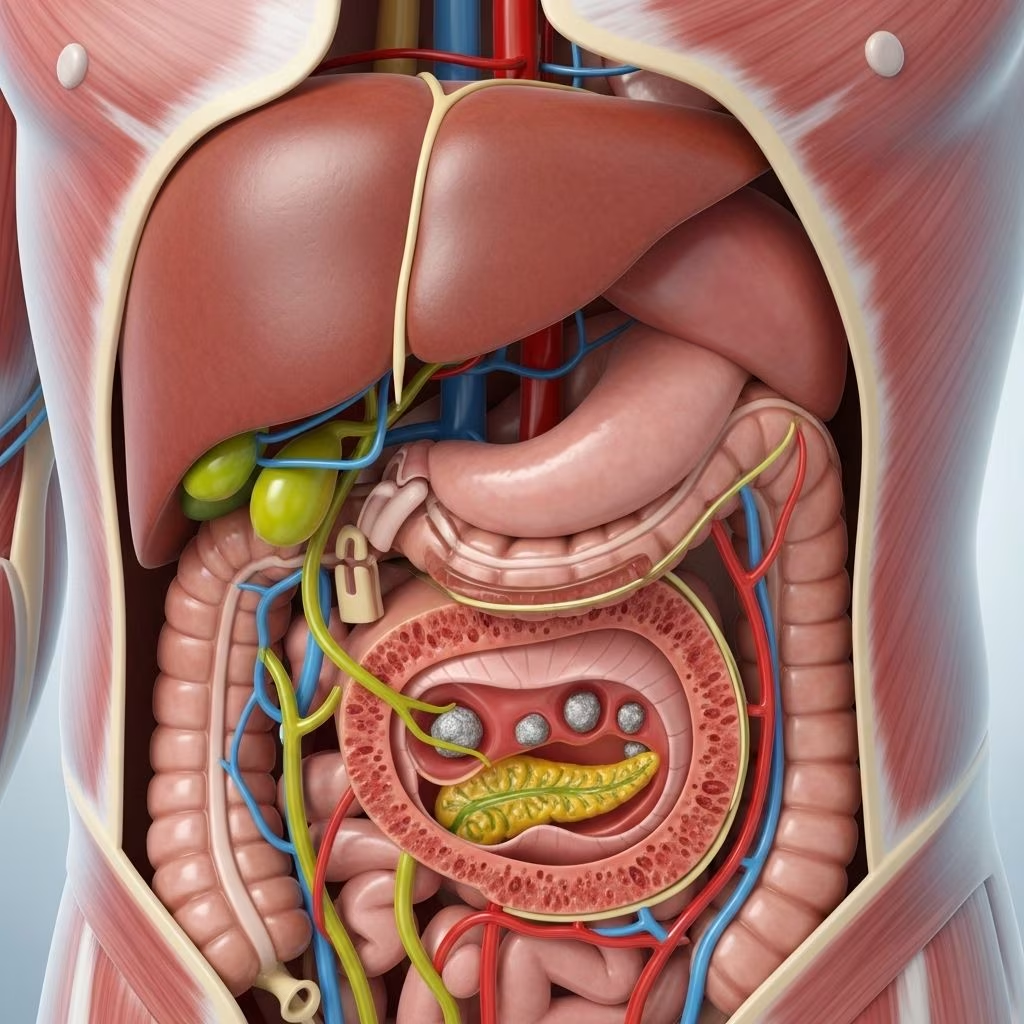
For those with a significantly enlarged spleen causing pain or threatening complications, splenectomy (surgical removal of the spleen) can provide symptom relief. While this does not cure HCL, it may help improve blood counts and decrease the risk of rupture or other complications.
Supportive Care
In addition to disease-specific therapies, individuals with HCL may benefit from interventions to manage symptoms and maintain health:
- Infection prevention and management (due to low white blood cell counts)
- Blood transfusions (for severe anemia)
- Growth factors to stimulate bone marrow recovery
- Nutritional and psychosocial support
Watchful Waiting
Watchful waiting (also called active surveillance) is a careful monitoring strategy for people who do not show symptoms or have normal blood counts. There is no immediate treatment, but regular checkups and laboratory tests ensure any progression is detected promptly. Many patients remain in this phase for years without treatment.
Living With Hairy Cell Leukemia
Most people diagnosed with HCL can expect a good quality of life, especially if they respond well to treatment. The disease’s slow progression means that extended periods free from symptoms or therapy are possible.
- Ongoing care involves regular medical follow-ups, blood work, and monitoring for potential long-term complications, including second cancers.
- Some therapies (notably chemotherapy) can lead to immunosuppression and increased risk of infections, so preventive measures and prompt management of illnesses are important.
- Patients may experience fatigue and other effects due to low blood counts. Addressing these issues with supportive care and healthy lifestyle choices is crucial.
Treatment Outcomes and Remission
| Therapy | Initial Remission Rate | Duration of Response | Notes |
|---|---|---|---|
| Cladribine | ~90% | Years (often 7–10+) | First-line choice; repeatable |
| Pentostatin | Similar to cladribine | Years | Alternative |
| Rituximab | Effective post-chemo or alone | Varied | Immunotherapy; useful in relapse |
| BRAF/BTK inhibitors | High (in suitable patients) | To be determined | For refractory cases |
| Splenectomy | Improves symptoms | Not curative | Relieves discomfort from splenomegaly |
While treatment is effective, ongoing surveillance is important to address potential relapses and complications.
Common Side Effects
Most treatments for hairy cell leukemia are well tolerated, but side effects vary based on the drug and individual patient factors:
- Chemotherapy: Temporary drop in blood counts (increased infection risk), fatigue, nausea, hair loss, and long-term immunosuppression.
- Targeted Therapy: Rash, joint pain, diarrhea, and rarely severe reactions.
- Immunotherapy: Infusion reactions, chills, fever, and possible increased infection risk.
- Splenectomy: Surgical risks, potential for increased infection (especially by encapsulated bacteria).
Doctors weigh the risks and benefits before recommending treatment options and manage side effects with supportive care.
Frequently Asked Questions (FAQs)
Q: Can hairy cell leukemia be cured?
A: HCL is not considered curable with current treatments, but most patients can achieve long-term, symptom-free remission, sometimes extending for a decade or more.
Q: What is remission, and how long does it last?
A: Remission means no signs or symptoms of HCL. Most patients treated with cladribine or pentostatin remain in remission for many years. Relapses can usually be managed with additional therapy.
Q: When do I need treatment?
A: Treatment begins when symptoms (fatigue, infections, low blood counts, enlarged spleen) cause problems. Asymptomatic individuals are usually monitored closely and treated only if the disease progresses.
Q: What are the first-line treatment options?
A: The main first-line choices are cladribine or pentostatin, both chemotherapy drugs. Rituximab may be used after chemo. Newer targeted therapies (such as BRAF or BTK inhibitors) are options for resistant or relapsed cases.
Q: Can I receive the same treatment again if my disease relapses?
A: Yes, if remission lasted at least two years, the same chemotherapy agent often works again. For shorter remissions or resistance, alternative therapies, usually targeted drugs or immunotherapies, are considered.
Q: What can I do to prevent infection while being treated?
A: Washing hands regularly, avoiding crowds or sick contacts, keeping vaccination up to date (especially after splenectomy), and reporting fevers promptly to your doctor are important strategies. Your healthcare team may suggest antibiotics or other preventive measures if your immunity is very low.
Key Takeaways
- Hairy cell leukemia usually grows slowly. Many people do not need immediate treatment.
- Chemotherapy with cladribine or pentostatin is highly effective and may be repeated for relapses.
- Targeted therapies (BRAF, BTK inhibitors), immunotherapies (rituximab), and splenectomy are options for specific cases.
- Careful monitoring and supportive care are crucial for long-term well-being.
- Talk to your cancer specialist about the best treatment plan for your circumstances and what to expect during and after therapy.
References
- https://www.cancer.gov/types/leukemia/patient/hairy-cell-treatment-pdq
- https://www.ncbi.nlm.nih.gov/books/NBK499845/
- https://www.cancer.org/cancer/types/chronic-lymphocytic-leukemia/treating/hairy-cell-leukemia.html
- https://www.mayoclinic.org/diseases-conditions/hairy-cell-leukemia/diagnosis-treatment/drc-20372962
- https://www.cancer.gov/types/leukemia/hp/hairy-cell-treatment-pdq
- https://ashpublications.org/blood/article/129/5/553/36153/Consensus-guidelines-for-the-diagnosis-and
- https://www.mskcc.org/cancer-care/types/leukemias/treatment/treatment-hairy-cell-leukemia
- https://my.clevelandclinic.org/health/diseases/23177-hairy-cell-leukemia
- https://onlinelibrary.wiley.com/doi/full/10.1002/ajh.26390
- https://www.cancerresearchuk.org/about-cancer/hairy-cell-leukaemia/treatment/about-chemotherapy