Leaky gut syndrome, also known as increased intestinal permeability, is gaining attention as both a cause and consequence of various digestive conditions. Though the scientific community continues to explore its significance, many individuals look for ways to support gut barrier health. This guide examines popular and research-backed supplements for leaky gut, their mechanisms of action, and practical considerations for use.
Understanding Leaky Gut Syndrome
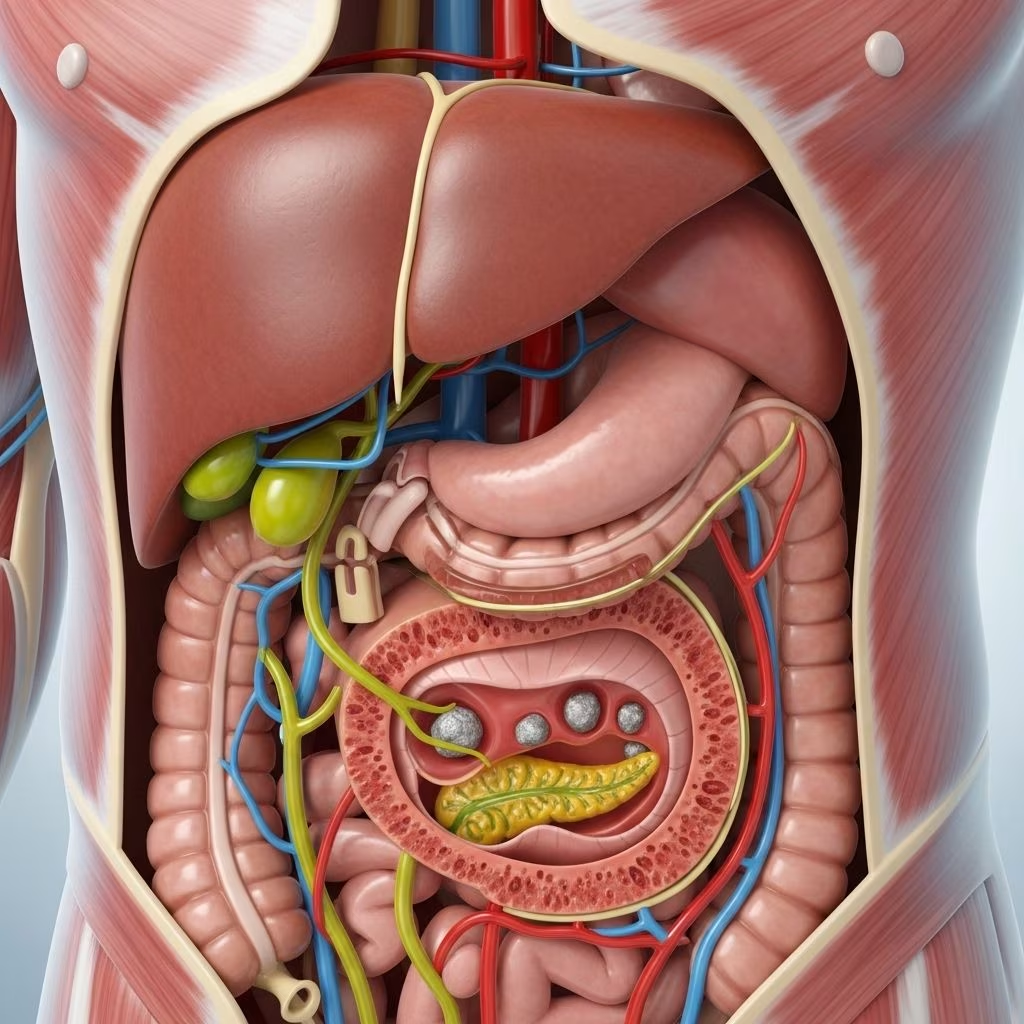
Leaky gut refers to a state in which the lining of the intestines becomes more permeable than normal, allowing unwanted substances—such as bacteria, toxins, and partially digested food—to pass from the gut into the bloodstream. This process may contribute to digestive discomfort, immune dysregulation, and even systemic inflammation.
The intestinal lining is maintained by ‘tight junctions,’ which are dynamic structures that control what can pass from the gut lumen into the rest of the body. Factors like stress, poor diet, infections, and chronic inflammation may compromise these barriers.
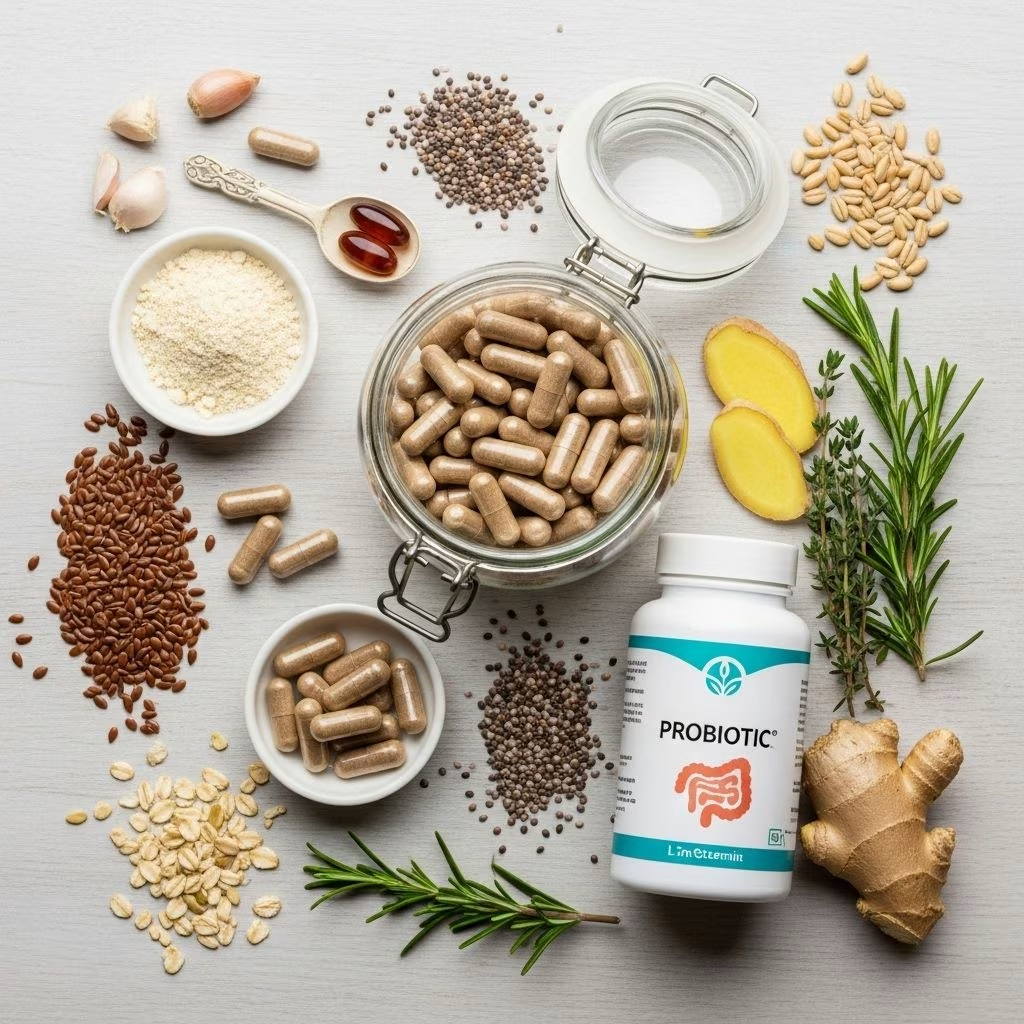
Supplements to Support Leaky Gut Syndrome
Several dietary supplements have been studied for their effects on gut permeability and mucosal health. The following sections provide an overview of each supplement, highlighting current evidence and their proposed mechanisms of action.
Zinc
Zinc is an essential trace mineral vital for over 300 enzymatic processes in the body, including immune response and tissue repair. Research suggests zinc may directly support gut health by influencing tight junction proteins and maintaining mucosal integrity.
- A 2001 study in patients with Crohn’s disease reported that zinc supplementation helped strengthen the gut barrier.
- Further research in 2015 demonstrated that zinc can help modulate tight junctions, thereby limiting intestinal permeability and reducing leakage.
Deficiency in zinc is associated with impaired gut function, so maintaining adequate levels is fundamental for intestinal health.
L-Glutamine
L-glutamine is a conditionally essential amino acid, particularly important during stress or illness. It’s the preferred fuel for enterocytes—the cells lining the intestine—and is renowned for supporting gut repair.
- Studies indicate that glutamine supplementation can enhance the growth and survival of intestinal cells, especially during injury or stress.
- Recent research has shown that even low doses of oral glutamine may improve intestinal permeability, especially after strenuous exercise.
L-glutamine not only supports cell growth but may also regulate intestinal barrier function, particularly during periods of compromised health.
Collagen Peptides
Collagen peptides are hydrolyzed forms of collagen, making them easier for the body to digest and absorb. Collagen is a structural protein pivotal for the integrity of skin, joints, and also, it appears, the gut.
- Collagen supplementation may prevent the further breakdown of the gut lining according to recent studies.
- In a 2012 study, gelatin tannate (a form of collagen) demonstrated anti-inflammatory properties within the gut, potentially aiding the repair of the intestinal barrier.
Collagen aids not only in tissue regeneration but might also provide anti-inflammatory effects that are beneficial for gut healing.
Probiotics
Probiotics are live microorganisms that, when administered in adequate amounts, confer health benefits on the host—especially by balancing the gut microbiota.
- Numerous clinical trials suggest that certain multi-strain probiotics can help reduce markers of gut leakage, such as zonulin—a key indicator of increased intestinal permeability.
- One notable 14-week trial found that those who took probiotics after intense exercise had lower levels of zonulin compared to a placebo group.
Probiotics support a healthy microbiome, which is essential for optimal gut barrier function and overall digestive health.
Fiber and Butyrate
Dietary fiber is crucial for digestive health, acting as a substrate for the growth of beneficial gut bacteria. When fiber is fermented by these microbes, it produces short-chain fatty acids, particularly butyrate.
- Butyrate serves as a primary energy source for colon cells and has been shown in research to stimulate mucus production and improve the function of tight junctions, thereby strengthening intestinal integrity.
- Increasing fiber intake and/or butyrate supplementation may, therefore, reinforce the gut barrier and decrease symptoms associated with leaky gut.
A balanced diet high in diverse fibers can support butyrate production and promote a thriving, balanced microbiome.
Deglycyrrhizinated Licorice (DGL)
Licorice root contains more than 70 bioactive plant compounds, including glycyrrhizin (GL), which, in high doses, may have adverse effects. Deglycyrrhizinated licorice (DGL) is processed to remove most GL, making it safer for regular supplementation.
- DGL exhibits anti-inflammatory effects and may enhance mucus production, thereby protecting the gastric and intestinal mucosa.
- While DGL is popular for gastric discomfort, more research is needed to confirm its effectiveness specifically for leaky gut syndrome.
DGL may support mucosal health and be useful for individuals experiencing general digestive irritation or inflammation.
Curcumin
Curcumin is the main active compound in turmeric and is well-known for its anti-inflammatory and antioxidant properties.
- Although curcumin has poor bioavailability, evidence suggests that when it is absorbed, it concentrates in the gastrointestinal tract where it can exert protective effects on the intestinal lining.
- Its potent anti-inflammatory actions may explain its therapeutic potential in supporting the gut barrier and reducing inflammation.
Curcumin may benefit digestive health when consumed as part of turmeric or specialized supplements that increase its absorption.
Berberine
Berberine is an alkaloid found in several medicinal plants and is recognized for its multifaceted health benefits—antioxidant, anti-inflammatory, antibacterial, and antiviral effects.
- Berberine has historically been used for treating various digestive ailments, such as inflammatory bowel diseases (IBD).
- Animal studies have shown that berberine supplementation can help alleviate changes in the intestinal mucus barrier, especially in the context of chronic disease or liver dysfunction.
By supporting both the microbial and epithelial aspects of gut health, berberine shows promise as an adjunct for leaky gut repair.
Additional Supplements Sometimes Recommended
Beyond the evidence-backed supplements discussed, there are additional compounds sometimes suggested for supporting gut health. These may be included as part of a broader strategy, but more research is needed to confirm their effectiveness for leaky gut specifically.
- Digestive Enzymes: Assist with the breakdown of food, reducing digestive irritation that could exacerbate gut permeability.
- Antifungal Botanicals: Such as oregano oil and garlic, which may help address microbial imbalances like candida overgrowth.
- Quercetin: A plant flavonoid touted for its role in sealing the gut lining and acting as a preventative barrier against inflammation.
- N-acetylglucosamine: Known for supporting the structure and function of the intestinal lining and possessing anti-inflammatory properties.
These supplements should be chosen in partnership with a healthcare professional and tailored to one’s medical history and current symptoms.
Dietary and Lifestyle Strategies for Leaky Gut
Supplements are most effective when combined with foundational dietary and lifestyle interventions:
- Increase fiber intake: Consuming a variety of plant fibers encourages beneficial microbial diversity.
- Limit added sugars and processed foods: These can promote inflammation and unfriendly microbial overgrowth.
- Incorporate whole foods: Focus on fruits, vegetables, whole grains, nuts, and seeds for nutrient density.
- Manage stress: Chronic psychological stress is associated with worsened gut permeability; consider relaxation techniques such as mindfulness, yoga, or deep breathing.
- Stay hydrated: Water intake ensures the optimal function of the mucous membranes lining the gut.
Safety, Side Effects, and Seeking Professional Guidance
Before beginning any new supplement regimen, it’s crucial to:
- Consult with a healthcare provider, especially if you have pre-existing health conditions, are pregnant or breastfeeding, or take prescription medications.
- Use only high-quality, third-party tested supplements to avoid contamination and ensure accurate dosing.
- Monitor for side effects, which can include digestive discomfort, allergic reactions, or, in rare cases, interactions with other medications.
Some supplements (such as zinc) may become harmful in excessive doses, while others (like berberine and curcumin) can interact with specific medications. Personalized advice is always best.
The Bottom Line
If you’ve been diagnosed with leaky gut syndrome, or are seeking to support your gut’s natural barrier function, several supplements hold promise based on current research. Key options include:
- Zinc
- L-glutamine
- Collagen peptides
- Probiotics
- Fiber and butyrate
- Deglycyrrhizinated licorice (DGL)
- Curcumin
- Berberine
Dietary changes—such as increasing fiber and limiting inflammatory foods—are also essential for gut health. Always approach supplements as a component of a broader wellness plan guided by your healthcare provider.
Frequently Asked Questions (FAQs)
Q: What is leaky gut, and what causes it?
A: Leaky gut refers to increased permeability of the intestinal lining, potentially allowing toxins, bacteria, and food particles to pass into the bloodstream. Causes may include chronic inflammation, stress, poor diet, certain medications, and infections.
Q: Which supplement has the strongest evidence for leaky gut?
A: Zinc and L-glutamine have the most robust evidence, with studies demonstrating benefits in enhancing tight junction integrity and promoting mucosal healing.
Q: Are probiotics safe for everyone?
A: Most people tolerate probiotics well, but those with compromised immune systems or severe illnesses should consult their healthcare provider before use.
Q: How long does it take for supplements to impact gut health?
A: The timeline varies; some may notice improvement within weeks, especially with dietary changes, while others may require several months for optimal results. Consistency is key.
Q: Do I need to take all of these supplements?
A: No. Supplement protocols should be individualized. Many people benefit most from just one or two targeted interventions combined with dietary and lifestyle adjustments.
References
- For detailed study citations and further reading, consult recent clinical research, systematic reviews, or your healthcare provider for personalized sources.
References
- https://www.healthline.com/health/digestive-health/leaky-gut-supplements
- https://www.brightlifechiro.com/10-supplements-that-provide-health-and-healing-for-leaky-gut/
- https://www.healthline.com/nutrition/leaky-gut-diet
- https://pmc.ncbi.nlm.nih.gov/articles/PMC11345991/
- https://pmc.ncbi.nlm.nih.gov/articles/PMC9028931/
- https://www.health.harvard.edu/blog/leaky-gut-what-is-it-and-what-does-it-mean-for-you-2017092212451
- https://my.clevelandclinic.org/health/diseases/22724-leaky-gut-syndrome
- https://www.medicalnewstoday.com/articles/326117
- https://www.betterhealth.vic.gov.au/health/healthyliving/gut-health