Bob Harper’s Heart Attack: A Wake-Up Call for Fitness and Health
Bob Harper, the famed fitness expert and host of The Biggest Loser, stunned the world when he suffered a near-fatal heart attack during an intense workout. Here, we explore his experience, the surprising genetic factors behind his cardiac event, and the critical health lessons his journey offers for everyone.
From Fitness Icon to Heart Attack Survivor
Harper spent over 25 years in the health and fitness industry, coaching countless individuals to better physical health through exercise and nutrition. Known for his dedication to wellness, Bob’s heart attack at 51 came as an utter shock to fans, colleagues, and himself. The event unfolded during a typical Monday morning workout at a New York CrossFit gym—an environment where Harper viewed himself as nearly invincible.
- Bob Harper’s reputation: Personal trainer, TV personality, and fitness authority.
- The incident: Cardiac arrest during a workout; did not remember the day’s events.
- Immediate response: Gym members—two of whom were doctors—administered CPR and used a defibrillator, saving his life within critical minutes.
What is a ‘Widow-Maker’ Heart Attack?
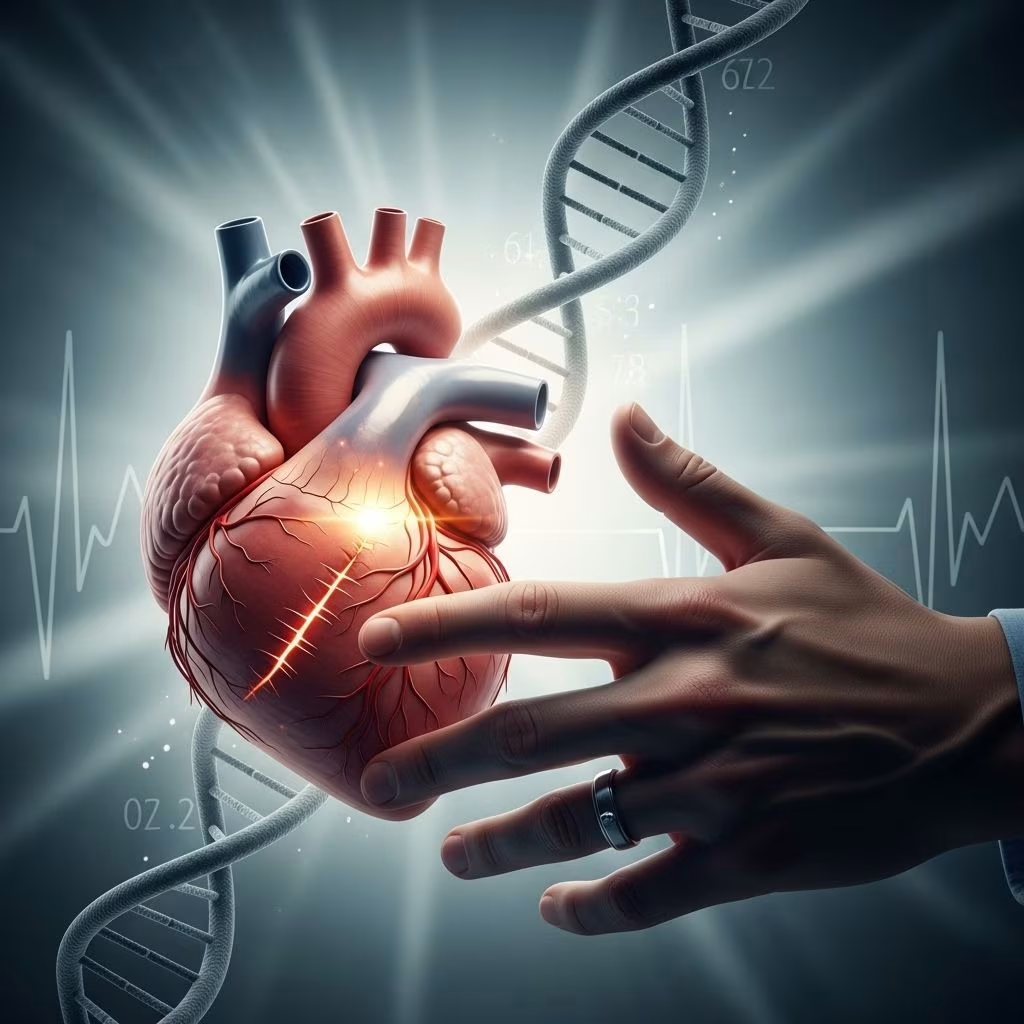
Harper experienced what doctors call a widow-maker heart attack, occurring when the left anterior descending artery, one of the primary arteries supplying the heart muscle, becomes nearly or totally blocked. This condition is especially deadly and causes sudden cardiac arrest, which means the heart stops pumping blood to the body and brain. Survival is rare—just 6% of people survive sudden cardiac arrest caused by this condition.
| Key Fact | Details |
|---|---|
| Type of Heart Attack | Widow-maker (severe blockage of left anterior descending artery) |
| Suvival Odds | Only 6% survive unless CPR or defibrillation is immediate |
| Immediate Actions | CPR, AED (defibrillator), emergency medical care |
| Recovery Aid | Medically induced coma to rest the heart |
Expert Insights: Why Did This Happen?
Harper’s event raised pressing questions: How can a seemingly healthy, active individual suffer a dramatic heart attack? According to cardiologists, several factors can contribute—even for those who seem the least likely candidates:
- Genetic conditions: Harper was later diagnosed with familial hypercholesterolemia (FH), a hereditary disorder that causes dangerously high LDL cholesterol and greatly increases the risk of heart attacks, strokes, and other cardiovascular diseases.
- Family history: Harper’s mother and grandfather both died of heart attacks, underscoring the powerful role of genetics over lifestyle alone.
- Lifestyle factors: Although Harper maintained rigorous exercise and generally healthy habits, he also had elevated cholesterol, which went largely unchecked prior to his event.
A Mixture of Warning Signs
Looking back, Harper realized he had experienced subtle warnings in the weeks leading up to his cardiac arrest. These symptoms, though easily dismissed as the results of strenuous exercise, were indicative of deeper cardiovascular distress:
- Dizziness and fainting spells during workouts
- Physical fatigue and occasional feeling “off”
- Medical advice to undergo more tests—which he postponed
Harper now acknowledges that he didn’t listen to his body’s signals, demonstrating the importance of investigating heart-related warning signs—especially for those with a family history or risk factors.
Survival and Immediate Recovery
Thanks to the swift actions of people around him—especially the two doctors at his gym—Harper received life-saving CPR and shocks from a defibrillator. After being placed in a medically induced coma to help his heart recover, he awoke in the hospital two days later, surrounded by family. His superior physical condition undoubtedly played a role in his survival and recovery, but Harper emphasizes how crucial immediate emergency attention is in these cases.
Emotional Toll: Fear, Anxiety, and Recovery
Harper has been open about the lasting psychological effects of surviving such a traumatic health event. He describes the profound anxiety, uncertainty, and emotional vulnerability that followed:
- Constant anxiety about potential relapse (“Could I have another heart attack right now?”)
- Assessing every room for individuals trained in CPR, reflecting a deep sense of caution
- Increased dependence on family, friends, and medical professionals
His story highlights how surviving a heart attack extends far beyond physical recovery—emotional healing is a major component, and ongoing support systems are critical.
Rehabilitation: A New Approach to Health
Harper’s post-heart attack journey involved considerable changes to his workout routine, diet, and overall approach to health:
- Cardiac rehabilitation: Enrolled in cardio rehab three times per week; monitored vital signs; gradually returned to exercise.
- Shift in workout intensity: Moved from high-intensity CrossFit to lower-intensity activities like yoga and walking.
- Dietary changes: Shifted from a protein-heavy “carnivore” approach to a more plant-based diet, focusing on heart-healthy foods.
He stresses the importance of medical follow-up, ongoing monitoring, and taking recommendations seriously—especially when they relate to heart health.
Genetic Factors: Familial Hypercholesterolemia and Heart Disease
Harper’s diagnosis of familial hypercholesterolemia (FH) became a central lesson from his experience. FH is a disorder characterized by high LDL cholesterol, often undetectable without blood tests. It increases heart attack risk—even in people who appear healthy. Harper urges others to know their genetic risks, get regular cholesterol screenings, and understand family medical history.
Table: Familial Hypercholesterolemia (FH) at a Glance
| Characteristic | Details |
|---|---|
| What is FH? | A genetic disorder causing high LDL cholesterol |
| Main Risks | Early heart attacks, strokes, cardiovascular disease |
| Detection | Cholesterol blood test, family history review |
| Treatment | Medication, lifestyle changes, regular monitoring |
Life After Heart Attack: Personal Transformation
Harper has described his heart attack as “life-changing.” The close brush with death gave him a new appreciation for life, relationships, and health priorities:
- A greater sense of gratitude for everyday moments
- Deeper connection with family and loved ones
- Heightened awareness of one’s own mortality
- An urge to share his experience and help others prevent similar events
He views his survival not just as a personal victory, but as an opportunity to advocate for cardiac health, early detection, and genetic awareness.
Heart Health Lessons: What Everyone Can Learn
There are key takeaways from Bob Harper’s story:
- Never ignore symptoms: Dizziness, fainting, fatigue, or any heart-related symptoms demand immediate medical evaluation.
- Know your genetics: Family history and genetic conditions like FH can dramatically increase cardiac risk, regardless of lifestyle.
- Emergency preparedness matters: CPR and defibrillators save lives—Harper credits his survival to the rapid, skilled intervention of others.
- Recovery includes mind and body: Psychological support and rehabilitation programs aid healing, help restore confidence, and reduce anxiety.
- Advocate for awareness: Heart attack survivors can inspire others by sharing their stories, educating about risk factors, and encouraging healthy choices.
Frequently Asked Questions (FAQ)
Q: How did Bob Harper survive such a dangerous heart attack?
A: Harper’s survival was due to immediate CPR and defibrillator use by fellow gym-goers, combined with his high fitness levels, which helped his body recover after a medically induced coma.
Q: What is a ‘widow-maker’ heart attack?
A: A widow-maker heart attack refers to a blockage in the left anterior descending artery, which supplies large portions of the heart—often deadly without prompt emergency response.
Q: Can healthy people suffer heart attacks?
A: Yes. Genetics, undiagnosed health conditions (like familial hypercholesterolemia), and sometimes lifestyle factors contribute to risk even among fit individuals.
Q: What changes did Bob Harper make to his lifestyle after recovery?
A: He switched to lower-intensity exercise, prioritized cardiac rehab, and adopted a more plant-based, heart-healthy diet.
Q: What advice does Bob Harper offer to others?
A: Harper stresses the importance of knowing your family’s heart health history, being proactive with medical screenings, listening closely to your body, and learning emergency skills like CPR.
Heart Attack Survivor’s Advocacy
Since his recovery, Bob Harper has used his platform to raise awareness about heart health, early detection, and the importance of understanding genetic risks. He frequently speaks about the life-saving power of CPR, encourages routine cholesterol monitoring, and advocates for survivor support networks. His message is clear: If it can happen to him, it can happen to anyone—so preparedness and vigilance are essential.
- Support heart health organizations
- Share survivor stories to inspire action
- Empower communities with emergency response training
Key Takeaways for Readers
- Heart attacks can affect anyone: Irrespective of age, fitness level, or public perception.
- Immediate action saves lives: CPR and defibrillators are critical.
- Genetics play a strong role: Know your family medical history and pursue regular cholesterol checks.
- Lifestyle changes matter post-event: Adapt exercise, diet, and mental health support in recovery.
- Emotional healing is part of recovery: Anxiety and fear may persist, and survivor support is invaluable.
Resources for Heart Health
- American Heart Association: Guidelines for heart attack prevention and survivor support
- Familial Hypercholesterolemia Foundation: Information about FH and genetic screening
- Cardiac rehabilitation programs: Support and education for recovery
- CPR and AED training courses: Lifesaving skills for individuals and communities
Frequently Asked Questions (FAQs) About Heart Attack and Recovery
Q: Can genetic heart conditions outweigh a healthy lifestyle?
A: Yes. While exercise and a healthy diet lower risk, inherited conditions like FH require medical management and cannot be reversed by lifestyle changes alone.
Q: What should I do if I experience warning signs?
A: Seek immediate medical attention. Do not ignore ongoing dizziness, chest pain, fainting spells, or unexplained fatigue.
Q: Are plant-based diets effective for heart health?
A: Research shows plant-based diets rich in fruits, vegetables, whole grains, and healthy fats support cardiovascular well-being—this is why Bob Harper made the switch after his heart attack.
Q: What is cardiac rehab?
A: Cardiac rehabilitation is a medically supervised program that includes physical training, education, stress management, and nutritional counseling to aid recovery after heart events.
Conclusion: Bob Harper’s Message to All
Bob Harper’s heart attack story is a powerful reminder: heart disease does not discriminate, and preparation, vigilance, and knowledge are essential. Knowing your risks, listening to your body, and being ready to act can mean the difference between life and death. Harper’s transformation from fitness icon to survivor is a lesson for everyone to approach health proactively, honor genetic realities, and never take a single heartbeat for granted.
References
- https://www.aarp.org/health/conditions-treatments/bob-harper-heart-attack/
- https://www.cosmopolitan.com/uk/body/health/a65650920/bob-harper-heart-attack/
- https://www.youtube.com/watch?v=Mn29uFy62Ys
- https://www.youtube.com/watch?v=y38V-hgEv0U
- https://www.heart.org/en/health-topics/at-the-heart-of-it-with-nancy-brown/the-personal-side-of-fitness-with-bob-harper