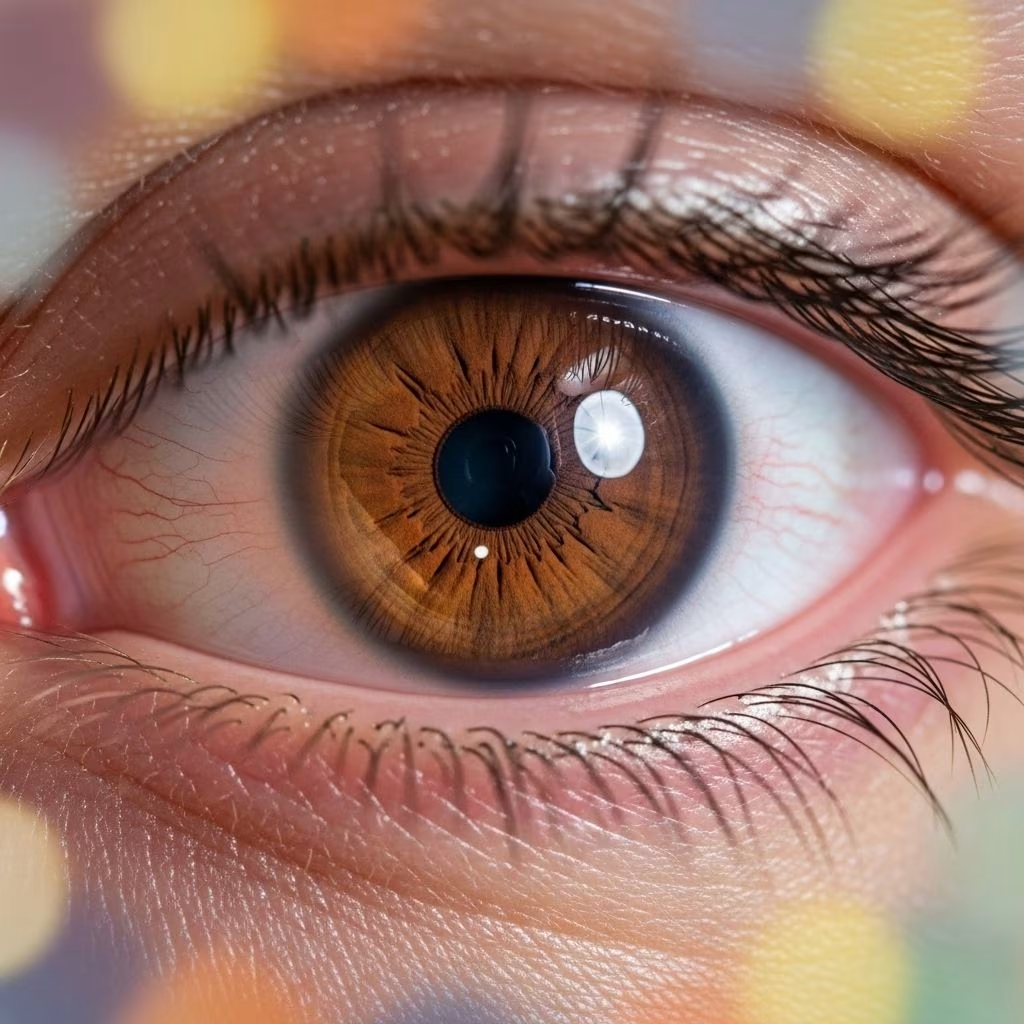
Xerophthalmia is a progressive eye disorder involving dry eyes due to vitamin A deficiency. Left untreated, it can lead to vision impairment and potentially irreversible blindness. This thorough guide explores what xerophthalmia is, its symptoms, how it develops, who is most at risk, and the best current practices for diagnosis, treatment, and prevention.
What is Xerophthalmia?
Xerophthalmia is a serious condition in which the eyes are unable to stay sufficiently moist because of a lack of vitamin A. This deficiency hampers tear production, resulting in the drying and thickening of the thin lining, or conjunctiva, that covers the eye and inside of the eyelids. If not addressed, xerophthalmia can progress to more severe eye damage, including night blindness and corneal injury that may cause permanent disability.
Understanding the Role of Tears
Tears are made of a delicate mixture of water, oil, and mucus. They maintain eye moisture, wash away dust, and supply nutrients.
- Water assists in cleaning and nourishment.
- Oil lowers evaporation.
- Mucus spreads tears evenly.
When any part of this system fails—especially due to inadequate vitamin A—the eye cannot remain adequately lubricated, putting its surface at risk.
Symptoms of Xerophthalmia
Symptoms develop progressively as vitamin A deficiency worsens. Early detection is crucial to stopping permanent damage.
- Dryness and Wrinkling: The conjunctiva starts to dry out, thickens, and wrinkles.
- Night Blindness: Difficulty seeing in low light is often one of the first signs. The World Health Organization (WHO) uses cases of night blindness to identify vitamin A deficiency in communities.
- Bitot’s Spots: White, foamy lesions (Bitot’s spots) may appear on the conjunctiva.
- Corneal Lesions and Ulcers: As symptoms worsen, ulcers can develop on the cornea, the transparent front of the eye.
- Softened/Liquefied Cornea: In severe cases, the cornea softens or melts away (keratomalacia), sometimes resulting in blindness.
- Impaired Vision: Blurred vision or other changes in sight often accompany these symptoms.
Summary: Typical Progression
| Stage | Key Symptoms |
|---|---|
| Early | Night blindness, trouble seeing in dim light |
| Moderate | Dry, wrinkled conjunctiva, Bitot’s spots |
| Advanced | Corneal ulcers, softening, possible blindness |
Causes of Xerophthalmia
The direct cause is insufficient vitamin A intake or absorption. Vitamin A is essential for maintaining a healthy eye surface, proper functioning of the retina, and sustaining tear production. When the body’s vitamin A stores are depleted, the delicate tissues of the eye become exceptionally vulnerable to dryness and injury.
Major Risk Factors
- Poor Diet: Diets low in animal products (meat, eggs, dairy) or carotene-rich vegetables can lead to deficiency.
- Malabsorption Syndromes: Conditions affecting the digestive tract (like celiac disease or Crohn’s) can make vitamin A absorption difficult.
- Liver Disorders: Since vitamin A is stored in the liver, liver diseases increase risk.
- Infancy and Childhood: Infants and young children in low-resource settings are at particularly high risk due to dietary insufficiency, rapid growth, and frequent infections.
- Pregnancy and Breastfeeding: Increased nutritional requirements can make deficiency more likely if diet isn’t supplemented appropriately.
- Chronic Illness: Certain chronic or infectious diseases (measles, respiratory infections) use up vitamin A rapidly.
Sources of Vitamin A
Vitamin A is available in two primary dietary forms:
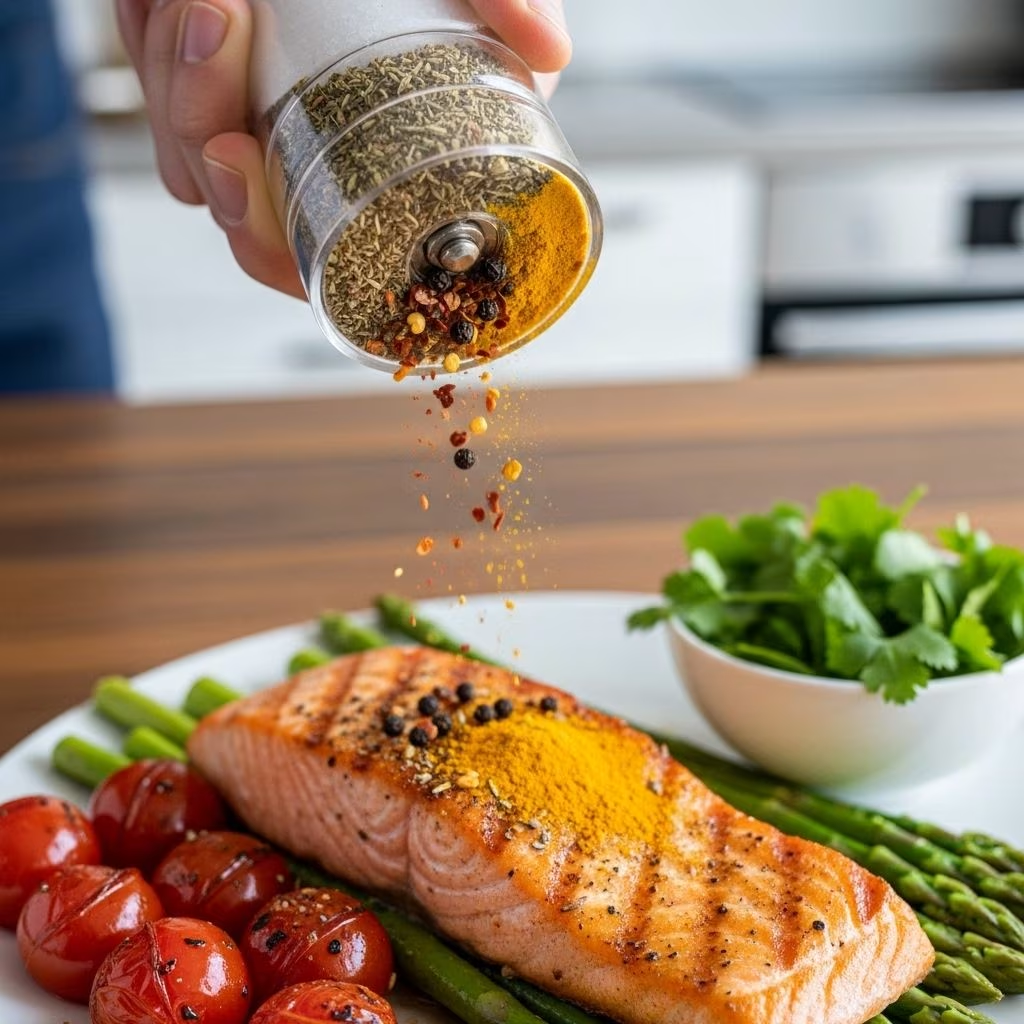
- Preformed vitamin A: Found in animal products such as liver, eggs, milk, and fish oil.
- Provitamin A (Beta-carotene): Present in brightly colored vegetables and fruits including carrots, sweet potatoes, spinach, kale, and mangoes.
Dietary variation and food fortification are effective strategies for preventing deficiency in at-risk populations.
Who Gets Xerophthalmia?
Xerophthalmia can occur at any age but is most frequent in:
- Infants and children, especially in developing countries
- Pregnant and breastfeeding women with increased vitamin A requirements
- Elderly individuals, who may have reduced dietary intake or absorption
Certain climates and circumstances can also increase risk temporarily, such as dry, windy environments or sustained exposure to irritants, but outright xerophthalmia is specifically associated with severe, chronic vitamin A deficiency rather than environmental dryness alone.
Diagnosis of Xerophthalmia
Diagnosing xerophthalmia usually combines clinical examination with questions about nutrition and general health.
- Medical History: Eye care providers will ask about dietary patterns, overall health, and previous incidents of eye problems or infections.
- Physical Examination: The doctor will look for signs such as dryness, Bitot’s spots, corneal ulcers, or scarring on the eye’s surface.
- Blood Tests: Testing for serum vitamin A levels may confirm deficiency, especially when eye symptoms are already present.
In resource-limited settings, diagnosis may be based mostly on symptoms—especially in young children presenting with night blindness or observable eye changes.
Treatment of Xerophthalmia
The cornerstone of xerophthalmia treatment is vitamin A supplementation, which can successfully reverse early symptoms and prevent vision loss when given promptly.
- Vitamin A Supplements: Given orally or by injection, with the dose determined by the patient’s age and severity of the disease.
- Dietary Improvement: Increasing consumption of vitamin A-rich foods. Beta-carotene from fruits and vegetables, and preformed vitamin A from animal sources are both advised for long-term prevention.
- Other Medications: Topical antibiotics may be given for corneal ulcers to prevent secondary infections.
- Supportive Eye Care: Artificial tears or specialized prescription eye drops may be used to relieve surface discomfort while vitamin A therapy takes effect.
Severe or advanced cases with corneal injury must be managed immediately to avoid permanent loss of sight, sometimes involving hospitalization, more intensive vitamin A therapy, and ocular surgery in extreme cases.
Prognosis and Outlook
Xerophthalmia is largely preventable and treatable if caught early, and most cases respond well to vitamin A supplementation. When left untreated, advanced disease can result in irreversible blindness. Prompt recognition of symptoms, especially in high-risk groups, is essential to prevent lasting vision impairment.
Prevention Strategies
- Nutrition Programs: Community and national strategies to provide supplements and education in areas where deficiency is common.
- Food Fortification: Adding vitamin A to staples such as cooking oil or grains can significantly reduce population-level risk.
- Routine Supplementation: WHO recommends regular vitamin A supplementation for children in regions where deficiency is endemic.
- Breastfeeding: Exclusive breastfeeding for infants provides essential vitamin A during the most vulnerable period of childhood.
- Health Monitoring: Regular health checks for signs of early deficiency—especially night blindness—help catch xerophthalmia before it causes lasting damage.
FAQs About Xerophthalmia
What’s the difference between dry eye and xerophthalmia?
Dry eye can occur due to many factors, including climate, contact lens use, or screen exposure. Xerophthalmia is specifically the result of severe vitamin A deficiency, and its symptoms are more severe and progressive than typical dry eye.
Is xerophthalmia reversible?
Early stages can be fully reversed with vitamin A therapy. Once advanced corneal damage (keratomalacia) occurs, vision loss can be permanent. Timely recognition and treatment are critical.
Who needs vitamin A supplements?
Infants, children in developing countries, pregnant women, and individuals with poor absorption due to chronic medical conditions are at highest risk and benefit most from supplementation.
What happens if vitamin A deficiency goes untreated?
Untreated vitamin A deficiency leads to xerophthalmia, increasing the risk of blindness and susceptibility to infections beyond the eyes—especially in children.
How can xerophthalmia be prevented?
Maintaining a balanced diet rich in vitamin A, strong nutrition education, routine public health measures, and supplementation in high-risk areas are the most effective prevention methods.
Key Takeaways
- Xerophthalmia is a progressive, sight-threatening eye disease caused by severe vitamin A deficiency.
- It begins with dry eyes and night blindness, and can progress to irreversible corneal damage and blindness if left untreated.
- Risk is highest among children, pregnant women, and those with underlying malabsorption or dietary problems.
- Early diagnosis and vitamin A supplementation are highly effective.
- Prevention depends on addressing dietary deficiencies at a personal and public health level.
References
- https://www.webmd.com/eye-health/what-is-xerophthalmia
- https://www.healthline.com/health/eye-health/xerophthalmia
- https://continentalhospitals.com/diseases/xerophthalmia/
- https://kidshealth.org/Advocate/en/parents/az-xerophthalmia.html
- https://resources.healthgrades.com/right-care/eye-health/xerophthalmia
- https://eyewiki.org/Xerophthalmia
- https://www.ncbi.nlm.nih.gov/books/NBK431094/
- https://mdsearchlight.com/eye-health/xerophthalmia/
- https://ufhealth.org/conditions-and-treatments/dry-eye-syndrome