


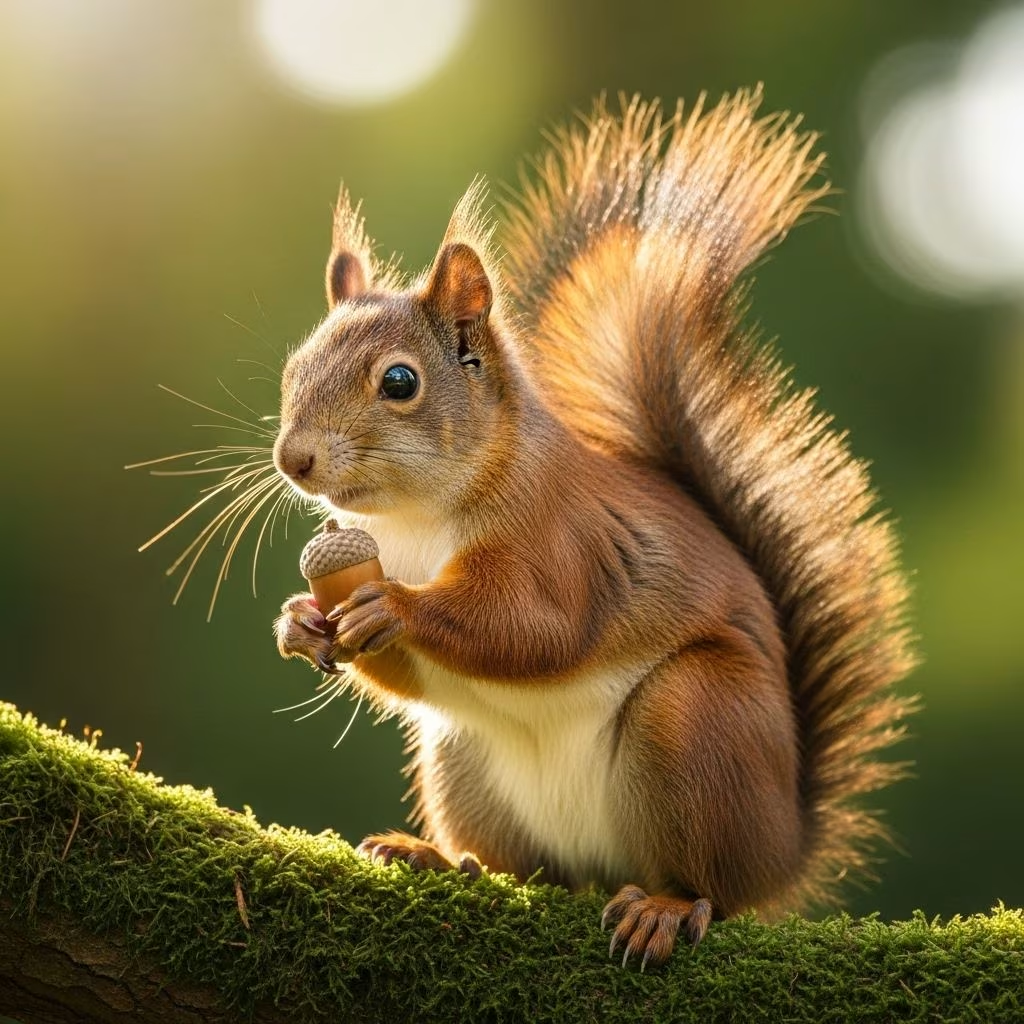
Squirrel Appreciation Day: Why We Celebrate Bushy-Tailed Marvels
Squirrel Appreciation Day, observed annually on January 21st, encourages us to pause and marvel at the lively creatures darting through parks, forests, and backyards. More than simply a day to admire their bushy tails and comical acrobatics, it’s a moment to acknowledge their ecological importance, relationship with humans, and the joy — and headaches — they bring to our daily lives.
History and Origins of Squirrel Appreciation Day
Squirrel Appreciation Day was established in 2001 by Christy Hargrove, a wildlife rehabilitator from Asheville, North Carolina. Her idea emerged from a desire to foster kindness and curiosity toward squirrels and to highlight their role in both the ecosystem and our communities. Today, people across the world use the day to learn about squirrel species, share photos, support conservation, and enjoy the unpredictable and endearing behaviors of these rodents.
The Diverse World of Squirrels
There are over 200 squirrel species found across the globe. These can be broadly categorized into:
- Tree squirrels: Including the familiar Eastern gray squirrel, Fox squirrel, and Tassel-eared (Abert’s) squirrel, they inhabit wooded areas and urban parks.
- Ground squirrels: Such as chipmunks and marmots, they dwell principally in burrows.
- Flying squirrels: Noted for their unique gliding abilities, these squirrels use furry membranes between their limbs to traverse trees.
Regardless of type, squirrels are recognized for their agility, intelligence, and resourcefulness in adapting to various environments.
Noteworthy Species
- Eastern Gray Squirrel (Sciurus carolinensis): Most commonly seen in North American cities and parks.
- Fox Squirrel (Sciurus niger): Larger than its cousins, it prefers open woods and edge habitats.
- Eurasian Red Squirrel (Sciurus vulgaris): Native to Europe and Asia, with striking red fur and tufted ears.
- Abert’s (Tassel-eared) Squirrel (Sciurus aberti): Distinguished by long ear tufts and found in southwestern U.S. forests.
Squirrels: Ecological Engineers
Beneath the squirrel’s playful exterior lies a species that is vital for ecosystem health. Here’s how their habits make them accidental benefactors:
- Seed Dispersal: Squirrels bury and hoard nuts and seeds for winter, inadvertently planting trees and aiding forest regeneration when they forget their caches.
- Soil Aeration: Their constant digging turns over soil, promoting healthy ground cover and nutrient mixing.
- Food Web Importance: Squirrels are a key prey source for hawks, owls, foxes, snakes, and other animals, maintaining predator populations.
Without squirrels, many forests would struggle with regeneration and a lack of biodiversity in smaller predator and prey relationships.
Common Squirrel Antics That Endear and Annoy
Squirrels are beloved for their charm and intelligence. Some of their most iconic behaviors include:
- Cache Building: Amassing stores of nuts and seeds for harsh seasons.
- Acrobatics: Leaping effortlessly from branch to branch or scampering across utility lines.
- Vocalizations: Chattering, barking, and tail flicking to communicate — or protest territorial intrusions.
- Clever Problem-Solving: Outsmarting bird feeders, opening containers, and navigating obstacles.
Yet, squirrels can frustrate gardeners and homeowners. Their incessant chewing stems from their need to wear down ever-growing incisors. As members of the Rodentia order (from Latin rodere, “to gnaw”), this behavior keeps teeth sharp, but also brings them into conflict with cables, insulation, and precious garden produce.
Challenges: Living With Squirrels
Though undeniably cute, squirrels can be problematic:
- Garden Raids: Squirrels dig up bulbs, eat ripe fruits, and gnaw through stakes and fences.
- Structural Damage: Their teeth make short work of soft materials, sometimes causing costly harm to wires, attic insulation, and vehicles.
- Bird Feeder Bandits: Squirrels are notorious for emptying bird seed and outsmarting deterrents.
Effective coexistence often requires creative, non-harmful solutions such as squirrel-proof bird feeders, protective plant covers, and exclusion fencing.
How to Celebrate Squirrel Appreciation Day
People worldwide mark Squirrel Appreciation Day in a variety of joyful and educational ways:
- Observe Squirrels: Take time to watch their movements, learn their habits, and identify different species in your area.
- Share Photos and Stories: Contribute your encounters, photographs, and videos on social media to build appreciation.
- Support Local Wildlife Centers: Donate to organizations that help rehabilitate injured squirrels and preserve habitats.
- Educate Others: Teach children and friends about squirrels’ ecological roles and how to safely interact with them.
- Make Your Yard Wildlife-Friendly: Plant nut-bearing trees, leave brush piles, or create squirrel-friendly spaces as safe havens.
Squirrels as Wildlife Ambassadors
Squirrels forge a visible link between people and nature. Being mostly diurnal and unafraid to forage in proximity to humans, they provide urban dwellers with daily windows into wildlife. Watching squirrels can foster an early interest in ecology among children and help adults appreciate the interdependence within our local environment.
Famous Squirrels in Popular Culture
Squirrels’ quirky personalities and expressive features have made them a fixture in books, films, and animated television. Some of the most recognizable fictional squirrels include:
- Scrat (Ice Age): The hapless acorn-chasing squirrel whose antics often cause prehistoric mayhem.
- Rocky (Rocky and Bullwinkle): The flying squirrel hero in an iconic cartoon duo.
- Sandy Cheeks (SpongeBob SquarePants): The adventurous squirrel scientist living under the sea.
- Conker (Conker’s Bad Fur Day): The star of a cult favorite video game.
- Skippy Squirrel (Animaniacs): The witty, sarcastic member of a family of cartoon squirrels.
Tips for Peaceful Coexistence With Squirrels
- Protect your plants: Use buried wire mesh or caps for bulbs, and surround vulnerable beds with fencing.
- Secure bird feeders: Try weight-sensitive feeders, baffles, or pole-mounted setups to minimize raids.
- Limit attractants: Pick up fallen fruit, seal trash cans tightly, and keep pet food indoors.
- Provide alternatives: Offer squirrel feeding areas away from high-value crops or structures to draw attention elsewhere.
Frequently Asked Questions (FAQ)
Q: When is Squirrel Appreciation Day?
A: Squirrel Appreciation Day is celebrated every year on January 21st.
Q: Who started Squirrel Appreciation Day?
A: It was created in 2001 by Christy Hargrove, a wildlife rehabilitator from North Carolina.
Q: Why should we appreciate squirrels?
A: Squirrels are critical for forest health, seed dispersal, and connecting people to local wildlife. Their presence enriches biodiversity and offers daily amusement.
Q: What can I do if squirrels are causing problems in my garden?
A: Consider humane deterrents such as wire mesh, exclusion fencing, and squirrel-proof feeders. Encourage coexistence by providing food sources away from sensitive areas.
Q: Are squirrels dangerous to humans?
A: Squirrels generally avoid humans and pose minimal direct risk. However, they can damage property if not managed, so preventative measures are recommended.
A Final Word: Marvel at Squirrels—Misunderstood and Marvelous
Squirrel Appreciation Day reminds us that these rodents, though sometimes bothersome, contribute immeasurably to the beauty and function of our natural surroundings. Next time you spot a squirrel busily preparing for winter or leaping through the branches, remember they’re much more than mischievous mammals. They are ecological engineers, wildlife ambassadors, and — for one day a year especially — worthy of our admiration and gratitude.


