


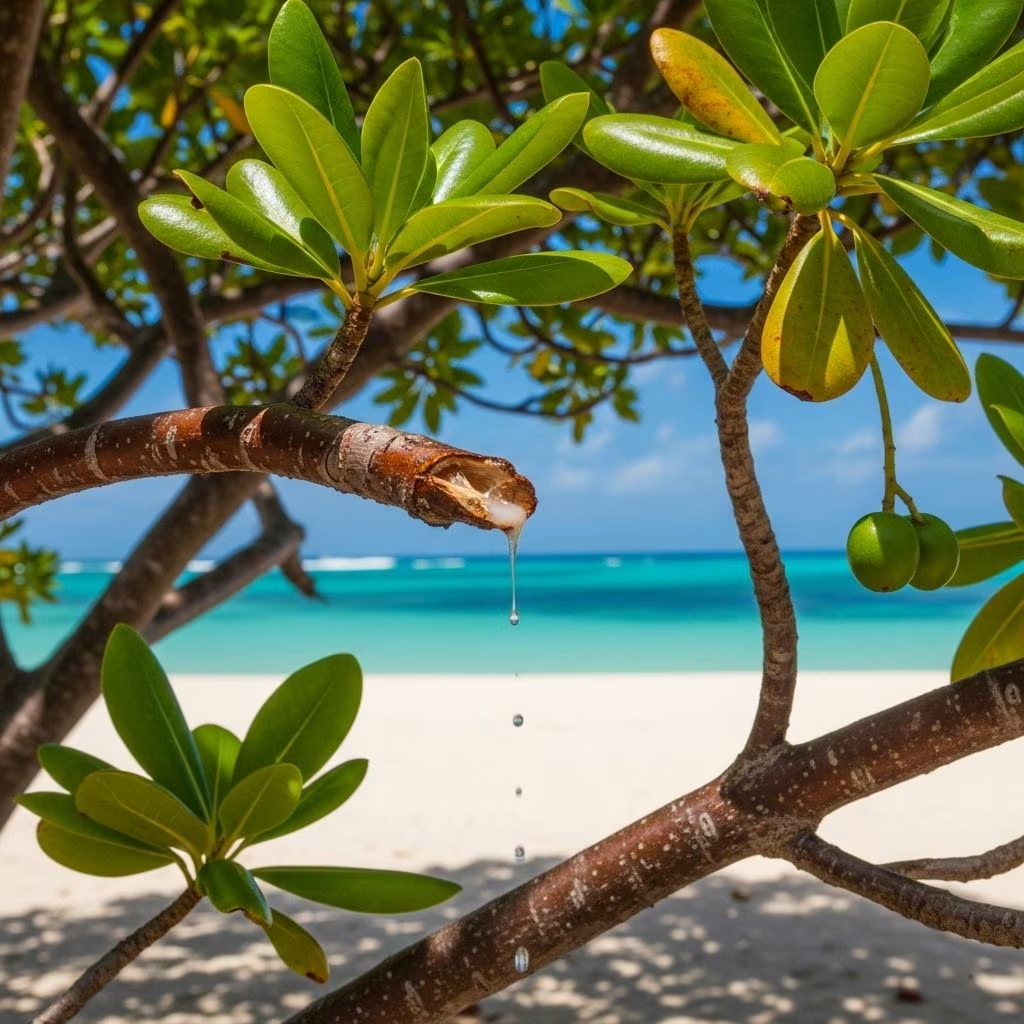
The natural world is full of wonders, but beneath the shade of a leafy tree, danger sometimes lurks. No tree embodies this paradox quite like the manchineel—an innocuous-looking plant that holds the dubious distinction of being proclaimed the most dangerous tree on earth. From its misleadingly sweet apples to its caustic sap, this tree has inspired cautionary tales, scientific curiosity, and enduring respect across centuries and continents.
What Is the Manchineel Tree?
The manchineel tree (Hippomane mancinella) is a glossy-leaved, evergreen species native to coastal regions in the Caribbean, Central America, northern South America, and the southernmost tip of Florida. At first glance, it appears unremarkable—a tree providing shade along beaches and lagoons. But every part of this tree constitutes a latent threat, earning it a spot in the 2011 Guinness Book of World Records as “world’s most dangerous tree.”
- Family: Euphorbiaceae (spurge family)
- Height: Up to 50 feet (15 meters)
- Habitat: Coastal strands, brackish wetlands, beaches
- Range: The Caribbean, Mexico, Central America, northern South America, southern Florida, Florida Keys, Virgin Islands
Its Spanish nicknames—manzanilla de la muerte (“little apple of death”) and árbol de la muerte (“tree of death”)—give a clear warning: caution is essential near this killer tree.
The Toxic Components: What Makes the Manchineel So Dangerous?
The danger of the manchineel lies in the toxicity present in every part of the plant. Its sap, fruit, leaves, bark, and even wood contain an arsenal of potent chemicals capable of inflicting severe injury or even death. The tree’s milky white latex is especially notorious.
Key Toxins
- Phorbol esters: Highly irritant, responsible for severe skin reactions
- Furocoumarins: Cause blistering and photosensitivity upon skin contact and sunlight exposure
- Sapogenins and hippomanins: Contribute to the array of toxic effects
- Mancinellin and other irritants: Give rise to the caustic qualities of the sap
Contact with even tiny amounts of the sap can result in bullous dermatitis (intense blistering), while ingestion of its small, apple-like fruit is potentially fatal though rare in modern times.
Encounters with the Tree: Human Dangers and Symptoms
The manchineel’s reputation is well-earned, not through legend but through documented injuries and poisonings:
- Skin Contact: Latex sap causes pain, burning, severe blistering. Even standing beneath the tree in rain can result in dermatitis as raindrops wash sap from the leaves onto exposed skin.
- Eye Exposure: Sap or smoke from burning wood can cause conjunctivitis, tearing, and serious eye injuries.
- Inhalation: When dried wood is burned, airborne toxins can cause respiratory irritation and eye inflammation.
- Fruit Ingestion: Initial taste is described as “pleasantly sweet” followed by an intense, peppery burning, throat tightening, severe pain, and sometimes systemic symptoms like hypotension and bradycardia. In severe cases, swallowing and breathing can become difficult, requiring medical attention.
Dozens of documented cases describe accidental poisonings, and local residents, tourists, and even wildlife have learned to give the manchineel a wide berth. In response, many trees are marked with warning signs, a painted red band, or a red “X” to alert the unwary.
Historical Tales: Manchineel in Legend and Reality
This tree’s fearsome properties have inspired cautionary lore for centuries:
- Columbus’s Warning: Christopher Columbus reportedly called its fruit “manzanilla de la muerte,” recording crew becoming ill after tasting its alluring apples.
- Deadly Arrows: The Carib people were said to poison their arrow tips and contaminate enemy water supplies using manchineel sap.
- Explorers’ Demise: Spanish explorer Juan Ponce de León was fatally wounded by an arrow believed to have been poisoned with manchineel sap.
The manchineel sheds light on the complex cultural relationship between people and potentially dangerous flora—an uneasy blend of fear, respect, and practical adaptation.
How to Spot a Manchineel Tree
Despite its hazards, the manchineel is deceptively attractive. Misidentification can lead to serious harm. Here’s how to recognize it:
- Leaves: Shiny, green, alternate, with serrated edges—resemble apple leaves
- Fruit: Small, round, greenish-yellow—looks like a crabapple
- Bark: Grayish-brown and often cracked or fissured
- Milky Sap: White latex oozes from any break in bark, leaves, or fruit
- Warning Signs: In many regions, manchineel trees are marked with warning signs, a red band, or a painted X to indicate danger
Because it grows alongside non-toxic species on beaches, some tourists or newcomers mistake its inviting fruit or appealing shade for safety—with dire consequences.
Why Does the Manchineel Tree Exist?
Given its arsenal of toxins, one might wonder why nature has equipped the manchineel so thoroughly:
- Pest Deterrent: Highly effective in warding off most herbivores, insects, and fungi.
- Protection from Overgrazing: Minimal foraging damage allows the tree to thrive in harsh coastal environments.
- Coastal Ecosystem Role: The extensive roots stabilize sandy beaches and prevent erosion, benefiting local habitats and fauna.
Interestingly, not all creatures are repelled by the tree. The black-spined iguana (Ctenosaura similis) has been observed eating the fruit without harm and living among the branches. This rare mutualism hints at ecological complexities yet untangled by science.
What Happens If You Touch or Ingest the Manchineel?
Symptoms of exposure and poisoning can be severe and frightening:
| Type of Exposure | Symptoms |
|---|---|
| Skin Contact (sap, rainwater) | Pain, intense burning, severe blistering, dermatitis |
| Eye Contact (sap, smoke) | Tearing, keratoconjunctivitis, eye injury, vision problems |
| Inhalation (burnt wood) | Coughing, sore throat, airway irritation |
| Fruit/Eating | Burning, gastrointestinal pain, throat swelling, nausea, diarrhea, potential airway obstruction |
Immediate medical attention is advised if ingestion or significant exposure occurs. While there is no specific antidote, treatment focuses on symptomatic relief—cleaning the affected area, soothing compresses, and careful monitoring. In most cases, symptoms subside with supportive care, but hospital attention may be required for severe reactions.
The Manchineel’s Place in Nature and Conservation Status
Despite its dangers, the manchineel tree is an important part of coastal ecosystems. Its extensive, salt-tolerant root system:
- Stabilizes beaches against storm surge and erosion
- Provides shelter for various wildlife species not harmed by its toxins
- Plays a key role in tropical coastal vegetation dynamics
Ironically, the manchineel is listed as endangered in parts of its range, due to development, deforestation, and habitat loss—posing a dilemma for conservationists and local residents trying to balance safety and biodiversity.
Legends, Misconceptions, and Reality Checks
Because of its notoriety, many myths and misunderstandings surround the manchineel:
- Not every contact is lethal, but even minor exposure can cause pain and hospitalization.
- No confirmed human deaths from consuming manchineel in modern medical records, though severe illness is well documented.
- Local knowledge is crucial: Indigenous people developed antidotes, like arrowroot poultices, and avoided the tree for generations.
Education—and clear warnings on beaches—are the best defense against accidental encounters.
How to Stay Safe Around Manchineel Trees
- Never touch or eat any part of the tree—including fruit.
- Avoid sheltering under manchineel during rainstorms.
- Heed all warning signs, red paint, or red X’s marking the tree.
- Do not burn dead wood from the manchineel.
- Report unmarked trees to local authorities or park rangers in known areas.
Frequently Asked Questions (FAQs)
Q: Can just touching the bark of the manchineel cause a reaction?
A: Yes, contact with the bark—especially if sap is present—can cause severe skin irritation and blistering due to the presence of toxic latex.
Q: Are there any animals that can safely eat the manchineel fruit?
A: Yes, the black-spined iguana (Ctenosaura similis) is known to eat the fruit and shelter among the tree’s branches without apparent harm.
Q: What should I do if I am exposed to the sap of a manchineel tree?
A: Immediately wash the affected area with copious water, avoid touching your face, use soothing and wet compresses, and seek medical attention for severe symptoms.
Q: Why do some beaches have trees with red bands or warning signs?
A: Markings are used to alert people to the presence of manchineel trees, which can be easily confused for harmless species but are highly toxic.
Q: Why hasn’t the manchineel gone extinct if it’s so dangerous?
A: The very chemicals that make it dangerous to humans and most animals also protect it from pests, fungi, and foragers, promoting its survival in harsh coastal habitats. However, habitat destruction is a threat in parts of its natural range.
Final Thoughts: Awe and Caution Under the Manchineel
The manchineel is a stark reminder that appearances can be deceiving in nature. While its glossy leaves and tempting fruit may invite, its biology teaches us that beauty can conceal dangerous secrets. A wonder of plant evolution and a hazard to the unwary, the manchineel deserves both respect and fascination—confirming its infamy as Earth’s most dangerous tree.
References
- https://pmc.ncbi.nlm.nih.gov/articles/PMC6803775/
- https://en.wikipedia.org/wiki/Manchineel
- https://mdedge.com/cutis/article/271292/contact-dermatitis/beware-manchineel-case-irritant-contact-dermatitis
- https://forum.inaturalist.org/t/manchineel-i-do-not-understand-this-fruit-at-all/32072
- https://www.webmd.com/first-aid/manchineel-poisoning
- https://www.britannica.com/plant/manchineel


