Canned Tuna Taste Test: Comparing 19 Brands Head-to-Head
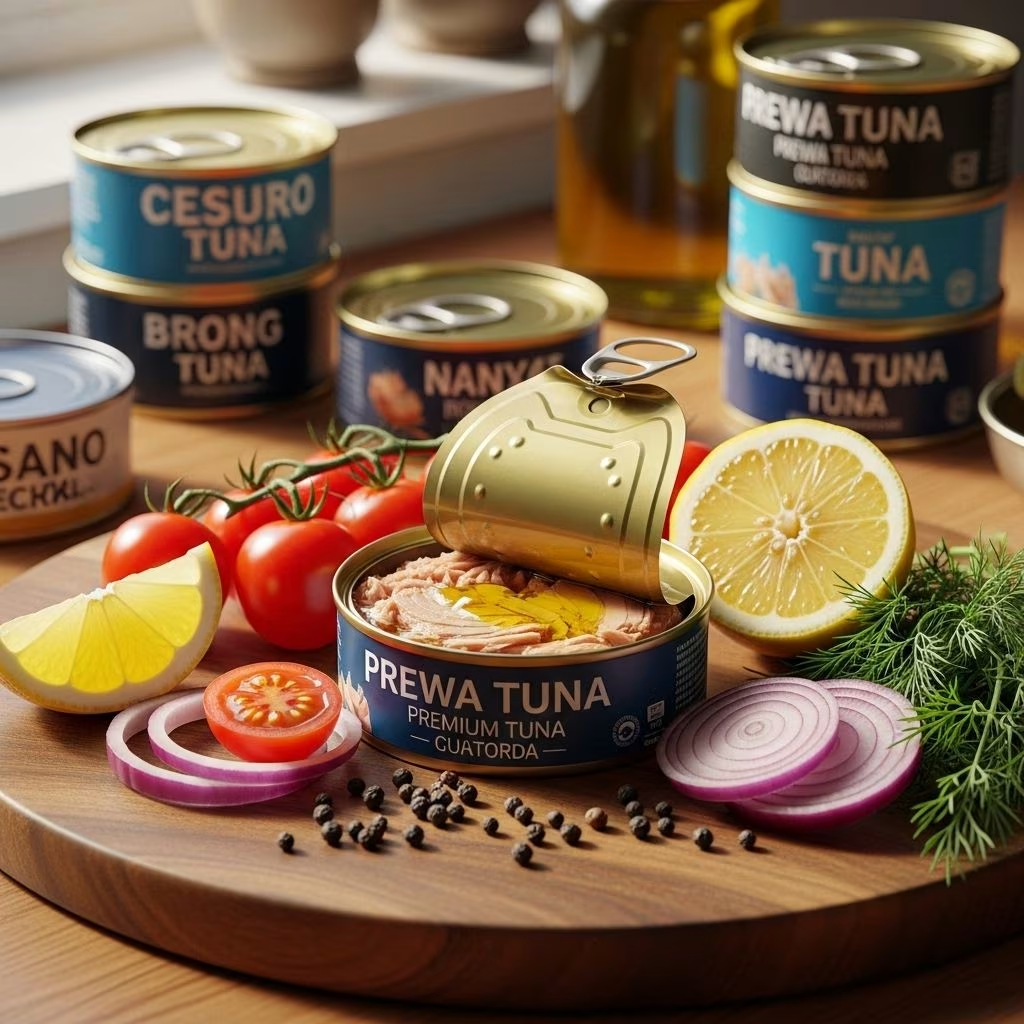
Canned tuna is a staple in home kitchens, known for its convenience, nutritional profile, and versatility. Yet, standing before the supermarket shelf, consumers face a dizzying array of choices: oil- or water-packed, light or white, albacore, yellowfin, chunk, or solid. Which should you buy for salads, sandwiches, or casseroles? We conducted an exhaustive taste test of 19 popular supermarket canned tunas to help you discover the best options for your pantry and palate.
Why Taste Test Canned Tuna?
With hundreds of brands, styles, and pack types, canned tuna can be surprisingly complex. Each variant delivers its own flavor, texture, and culinary performance. Some tunas are perfect for no-cook salads, while others shine in hearty stews or classic casseroles. Sustainability labels, species, and price differences add layers to the decision. Our goal is to demystify the choices using a rigorous side-by-side tasting.
Types of Canned Tuna: What the Labels Really Mean
- Chunk Light: Mixture of smaller pieces, usually skipjack or yellowfin, lighter in color and flavor, often flakes easily.
- Solid White (Albacore): Large, solid steaks of albacore tuna, mild flavor, very pale color.
- Yellowfin: Lightly colored, usually a bit firmer than skipjack, sometimes marketed as gourmet.
- Packed in Water: Results in milder, leaner texture—often preferred for salads and recipes where oil isn’t ideal.
- Packed in Oil: Usually olive or vegetable oil, produces a richer, softer, more flavorful result, well-suited for direct eating or Mediterranean-inspired dishes.
Species Breakdown Table
| Type | Common Species | Flavor Profile | Texture |
|---|---|---|---|
| Chunk Light | Skipjack, Yellowfin | Strong, oceanic | Flaky, moist |
| Solid White | Albacore | Mild, slightly sweet | Firm, meaty |
| Yellowfin | Yellowfin | Rich, slightly bitter | Meaty, sometimes dry |
What We Tested: Methods and Criteria
We selected 19 widely available supermarket brands, representing the full spectrum of price, pack type, and species. Each can was opened, drained, and tasted plain, as well as tested in classic recipes such as tuna salad and tuna melt. We evaluated:
- Flavor: Depth, oceanic notes, brininess, and metallic traces.
- Texture: Firmness, flakiness, moistness, and mouthfeel.
- Aroma: Freshness, fishiness, and any off smells.
- Appearance: Color, shape, and packing consistency.
- Overall Value: Taste quality in relation to price.
Top Picks: The Best Canned Tunas by Category
Best Oil-Packed Tuna
- Flaked Tuna in Olive Oil: Most tasters agreed oil-packed tuna had superior richness and mouthfeel, with standout brands offering big, meaty flakes and a savory, not greasy, finish.
- Yellowfin in Olive Oil: Yellowfin garnered high marks for bold flavor, ideal for gourmet salads and antipasti.
Best Water-Packed Tuna
- Solid White Albacore: Delicate, mild flavor and firm texture is a favorite for classic tuna salad sandwiches and recipes where tuna is a primary ingredient.
- Chunk Light in Water: More oceanic and briny, excellent when mixed with robust flavors or for casseroles.
Best Affordable Tuna
- Several budget brands performed surprisingly well, especially when used as a base for heavily dressed salads or melts where texture dominated concerns about premium flavor.
- Even the cheapest chunk light options produced reliable results in cooked dishes.
Key Characteristics to Consider When Shopping for Canned Tuna
- Texture: Oil-packed tunas are generally softer, while water-packed tend to be drier and firmer.
- Flavor Intensity: Skipjack and yellowfin bring more pronounced oceanic and salty notes, albacore is mild and sweet.
- Pack Type: Olive oil gives a luxurious, Mediterranean flavor; vegetable oil is neutral; water is clean and diet-friendly.
- Sustainability Certs: Some brands emphasize dolphin-safe or Marine Stewardship Council certification.
- Added Ingredients: Watch for added salt, preservatives, or flavorings in lower-cost options.
How to Use Canned Tuna: Recipe Pairings
- Tuna Salad: Water-packed solid white or chunk light, for reliable texture and easy seasoning.
- Nicoise Salad: Rich, meaty oil-packed yellowfin for authentic French taste.
- Tuna Melt: Budget chunk light, which spreads easily and holds flavor when grilled.
- Antipasti/Spanish Tapas: Premium oil-packed, especially when showcased with olives and roasted peppers.
- Tuna Pasta: Flaky chunk light, which distributes well without overpowering the dish.
Price vs. Quality: Is Premium Canned Tuna Worth It?
Premium brands command a higher price, justified by meaty texture, clear, ocean-fresh tastes, and minimal metallic notes. While everyday chunk light options are cost-effective and reliable for cooked dishes, upgraded cans packed in high-quality olive oil can elevate cold salads or standout entrées. If budget permits, keep both types on hand—one for flavor-forward recipes, the other for staples.
Sustainability and Ethical Considerations
Many shoppers now look for sustainability labels and ethical claims on canned tuna. Certifications such as “dolphin-safe” or Marine Stewardship Council (MSC) indicate sustainable fishing practices. Brands increasingly feature traceability information to reassure buyers of responsible sourcing. While not every top performer in our test was certified, several high scorers also boasted strong sustainability credentials.
Canned Tuna Taste Test: Full Ranking Table
| Brand | Type | Pack | Texture | Flavor Score | Best Use |
|---|---|---|---|---|---|
| Premium Yellowfin | Yellowfin | Olive Oil | Meaty, flaky | 9.5 | Nicoise, salads |
| Classic Solid White | Albacore | Water | Firm | 8.8 | Tuna salad, sandwiches |
| Value Brand Chunk Light | Skipjack | Water | Flaky | 7.0 | Casseroles, melts |
| Spanish Gourmet Tuna | Yellowfin | Olive Oil | Luxuriously tender | 9.7 | Tapas, salads |
| Eco Tuna | Albacore | Water | Firm | 8.2 | All-purpose |
*Full brand-by-brand breakdown available at your local supermarket or in-depth online resources.
Frequently Asked Questions
Q: Which tuna is best for salads?
A: Solid white albacore in water is preferred for salads due to its firm texture and mild flavor.
Q: Is oil-packed or water-packed tuna healthier?
A: Water-packed tuna is lower in calories and fat; oil-packed offers richer flavor and softer texture. Nutrition depends on your dietary needs.
Q: What is the difference between chunk light and solid white?
A: Chunk light typically uses skipjack or yellowfin and is more flaky with a stronger taste. Solid white uses albacore, which is firmer, paler, and milder.
Q: How can I ensure my tuna is sustainably sourced?
A: Look for labels like “dolphin-safe” or Marine Stewardship Council (MSC) certification. Check the package or brand website for source details.
Q: What recipes work best for cheap canned tuna?
A: Budget chunk light works well in casseroles, melts, or dishes where heavy seasoning and other ingredients mask any metallic notes.
Final Thoughts: Building the Perfect Pantry
With so many options, a truly well-stocked pantry should include at least two types of canned tuna: a premium oil-packed for elevated salads and antipasti, and a budget-friendly water-packed for cooked meals. Understand your preferences and intended uses, check sustainability labels, and don’t be afraid to experiment—great canned tuna can transform everyday meals into standout culinary experiences.