


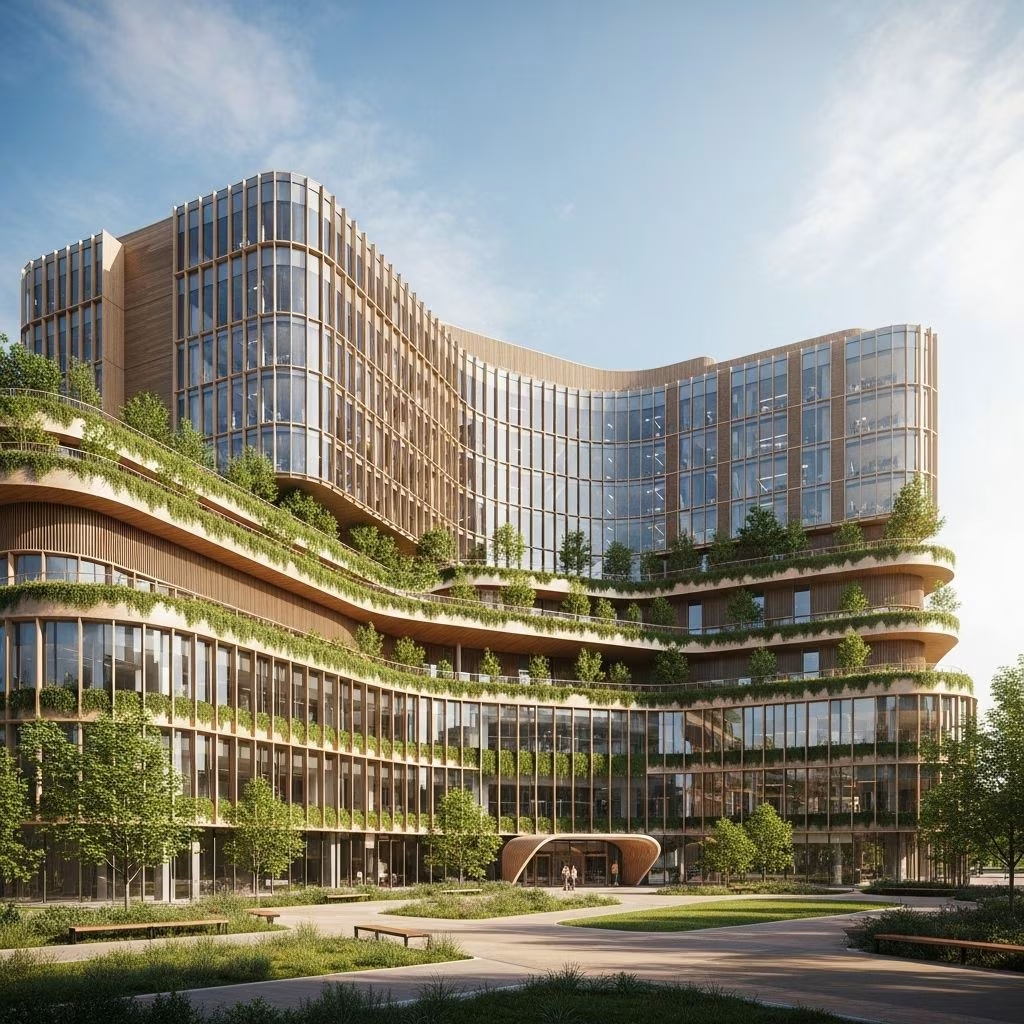
The Future of Healthcare: Hospitals Grown, Not Built
Traditional hospital buildings have long been viewed as fortresses of steel, concrete, and glass—sterile and imposing structures designed for efficiency, durability, and hygiene. Yet, mounting climate and health crises demand a radical rethinking of how we conceive, construct, and operate healthcare facilities. Could the hospitals of the future be grown instead of built? Across the world, architects, scientists, and designers are exploring how to harness living materials—fungi, bacteria, algae, and even trees—to create hospitals that nurture humans and the planet alike.
Why Rethink the Hospital?
Hospitals account for a significant portion of a nation’s carbon footprint and resource consumption. According to research, healthcare globally is responsible for approximately 4.4% of net greenhouse gas emissions. Conventional building practices emphasize hygiene and durability but have produced environments linked to stress, anxiety, and slower recovery times for patients.
- Environmental Impact: Hospital construction is carbon-intensive, relying on materials such as steel and concrete, which have large ecological footprints.
- Patient Outcomes: Windowless rooms, harsh lighting, and noisy corridors can hinder, rather than help, patient healing and staff satisfaction.
- Resilience: Climate-driven disasters and public health crises highlight the need for adaptable, self-healing, and sustainable healthcare infrastructure.
To address these urgent challenges, visionaries are looking to biology and nature for answers.
Biodesign: Growing the Hospital from the Inside Out
Biodesign is an interdisciplinary field where living organisms are used as raw materials, construction agents, and even collaborators in the architectural process. Unlike conventional structures, a grown hospital would selectively cultivate living materials to perform specific functions—insulation, filtration, support, and even advanced bio-sensing.
Key innovations driving this future include:
- Mycelium (Fungal) Composites: Mycelium—the root-like network of fungi—can be cultivated into structural panels and insulation with minimal energy or waste. These materials are fire-resistant, strong, and biodegradable.
- Bacterial Bio-Concrete: Certain bacteria can precipitate minerals that repair cracks or fortify structures, leading to self-healing hospital walls.
- Algae Facades: Building-integrated algae photobioreactors filter air, generate biofuel, and cool interiors via photosynthesis, reducing hospital energy needs.
With these technologies, the hospital becomes a living organism, adapting dynamically to its environment and its inhabitants’ needs.
Nurturing Spaces: Beyond Sterility, Toward Healing
For centuries, the hospital has prioritized clinical cleanliness above all—white walls, disinfected air, and synthetic surfaces. But does sterility necessarily promote health? Contemporary research reveals that exposure to certain microbes and natural environments can boost immunity and accelerate recovery. Biodesigned hospitals would recognize this by integrating controlled bacterial and botanical ecosystems throughout the built environment.
- Therapeutic Gardens: Green spaces, rooftop gardens, and plant-strewn courtyards lower stress, improve air quality, and facilitate patient mobility.
- Natural Light and Ventilation: Maximizing daylight and cross-breezes not only reduces energy consumption, but also positively impacts patient mood and sleep cycles.
- Microbial Diversity: Curated communities of beneficial microbes could promote resilience within hospitals while suppressing pathogens naturally.
Such biophilic design reimagines the hospital as a healing ecosystem: harmonizing human biology with the wider biosphere both inside and out.
The Building Blocks: Living Materials Explained
Core to the hospital-of-the-future movement is the use of living materials—biological substances that grow, adapt, and potentially self-repair throughout their lifetime. Here are some of the technologies at the vanguard:
| Material | Source | Key Benefit | Potential Applications |
|---|---|---|---|
| Mycelium Panels | Fungi | Low-carbon insulation, fire resistance, compostable | Wall panels, insulation, structural forms |
| Bacterial Bio-Concrete | Bacteria (e.g., Bacillus) | Self-healing cracks, enhanced durability | Wall repair, concrete slabs, architectural features |
| Living Algae Facades | Microalgae | Regulates light, purifies air, biofuel production | Exterior facades, sunshades, air filters |
| Engineered Wood/Mass Timber | Rapidly grown sustainable forests | Sequesters carbon, fast construction | Structural supports, load-bearing walls |
Case Studies: Biodesign in Healthcare Takes Root
Though the vision of a fully grown hospital remains on the horizon, real-world projects are already laying the groundwork for this paradigm shift.
- Mass Timber Hospitals: Hospitals built with engineered wood, such as cross-laminated timber, are appearing in Europe and North America. These buildings lock in carbon, have natural acoustic benefits, and foster a warm, calming atmosphere.
- Healing Gardens and Living Walls: Some recently constructed or renovated hospitals now feature integrated therapeutic landscapes and green walls to bring nature directly into patient spaces and corridors.
- Microbial Management Systems: Pilot projects test ‘probiotic’ environments that leverage beneficial bacteria to suppress dangerous pathogens, reducing reliance on harsh chemical disinfectants.
These precedent-setting efforts demonstrate the viability and far-reaching impact of biodesign on human health and sustainability.
Overcoming the Challenges of Living Architecture
While the promises of grown hospitals are compelling, the journey from prototype to mainstream adoption is filled with challenges:
- Regulation: Building codes and healthcare compliance must adapt to allow and govern the use of living materials in clinical settings.
- Safety & Hygiene: Integration of living organisms must never jeopardize patient safety or introduce uncontrolled biological risks.
- Cultural Change: Patients, staff, and regulators may initially distrust structures that diverge radically from traditional sterile paradigms.
- Longevity and Repair: Living systems require new maintenance protocols and an understanding of biological life cycles in order to ensure robustness over decades.
Despite these hurdles, the broader trends in climate, technology, and patient-centered care make the leap toward biodesigned facilities increasingly likely—and urgently needed.
Pushing Boundaries: Imagining the Hospital as a Living Superorganism
What if tomorrow’s hospital were not merely a place for healing, but a self-sustaining organism that interacts and co-evolves with its users and surroundings? Such a hospital could:
- Regulate its temperature and lighting dynamically as conditions change.
- Sequester more carbon than it emits over its lifespan.
- Communicate structural needs through sensors and machine learning algorithms tied to living cell networks.
- Heal its own structural wounds (cracks, leaks) biologically, without human intervention.
- Generate clean energy, treat waste, and provide abundant fresh air directly via built-in bioreactors.
This vision aligns with the ideals of regenerative architecture, which seeks not only to reduce environmental damage but to enhance and restore the ecosystems of which the hospital is a part.
Roots in Tradition: Learning from Nature and History
While biodesign is enabled by cutting-edge technologies, its roots stretch deep into traditional wisdom:
- Centuries-old healing centers often prioritized fresh air, sunlight, and nature exposure as much as medical intervention.
- Communities have long employed living materials—thatch, wattle, rammed earth, and local timber—for reasons of health, resilience, and connection to place.
- Hospitals built before the modern era often integrated gardens, courtyards, and natural ventilation, setting a precedent for today’s revivals.
{{ Modern biodesign thus reawakens knowledge that health comes not just from medicine, but from the spaces in which that medicine is delivered. }}
Frequently Asked Questions (FAQs)
Q: Are living materials safe for hospitals?
A: Yes, when properly managed. Advances in bioengineering ensure that only harmless or beneficial species are used, and new monitoring tools keep microbial communities in balance without compromising hygiene or patient safety.
Q: How can living hospitals improve patient healing?
A: Exposure to natural light, plant life, and beneficial microbes has been shown to lower stress, improve immune function, and accelerate recovery. Biodesigned spaces are more comfortable and foster a greater sense of connection to nature.
Q: Are there additional environmental benefits?
A: Absolutely. Grown buildings cut carbon emissions, use far less energy and water, and often turn waste into valuable resources, reducing the environmental footprint of healthcare.
Q: What is the timeline for grown hospitals?
A: While pilot projects and smaller-scale demonstrations are underway now, a fully grown, mainstream hospital is at least a decade away. However, expect to see many features—green walls, mycelium insulation, mass timber, and living roofs—adopted much sooner.
Q: Can these concepts apply to existing hospitals?
A: Absolutely. Retrofitting current hospitals with living walls, therapeutic gardens, and sustainable materials is already happening in many parts of the world, setting the stage for increasingly ambitious biodesigned healthcare environments.
Conclusion: Toward Hospitals That Heal More Than Illness
The vision of hospitals grown, not built, represents a transformative shift—from treating healthcare architecture as merely functional, to conceiving of it as regenerative, vibrant, and symbiotic with human and planetary health. By embracing living materials, biodesign, and holistic healing environments, we unlock hospitals’ potential to nurture not just bodies, but communities and ecosystems. The seeds of the future are already being planted. As they take root, they may change not only how we build, but how we heal.


