Valley Forge National Historical Park: Legacy, Lessons, and Landscapes
Valley Forge National Historical Park in southeastern Pennsylvania stands as a testament to American endurance, leadership, and transformation. As the site of the Continental Army’s winter encampment of 1777-78 under General George Washington, Valley Forge has evolved into a vibrant cultural and ecological destination where history is remembered and nature is preserved. This article explores the rich history, cultural significance, park attractions, and practical visitor information, providing a comprehensive view of Valley Forge’s past and present.
Historical Significance of Valley Forge
Valley Forge is most renowned for serving as the seasonal headquarters of the Continental Army during the harsh winter of 1777-78, at a critical stage of the American Revolutionary War. Over six months, more than 12,000 soldiers, hundreds of women, and children endured struggle, transformation, and unity—emerging as a disciplined fighting force ready to help secure American independence.
The Strategic Importance of Valley Forge
Washington strategically chose Valley Forge for several reasons:
- It lay between British-held Philadelphia and the Continental Congress in York, offering a defensive position to monitor enemy movements and safeguard supply lines.
- The site’s natural topography of hills and rivers provided essential fortifications against attacks.
- Ample land and water resources could sustain a large army over an extended period.
Encampment Life and Transformation
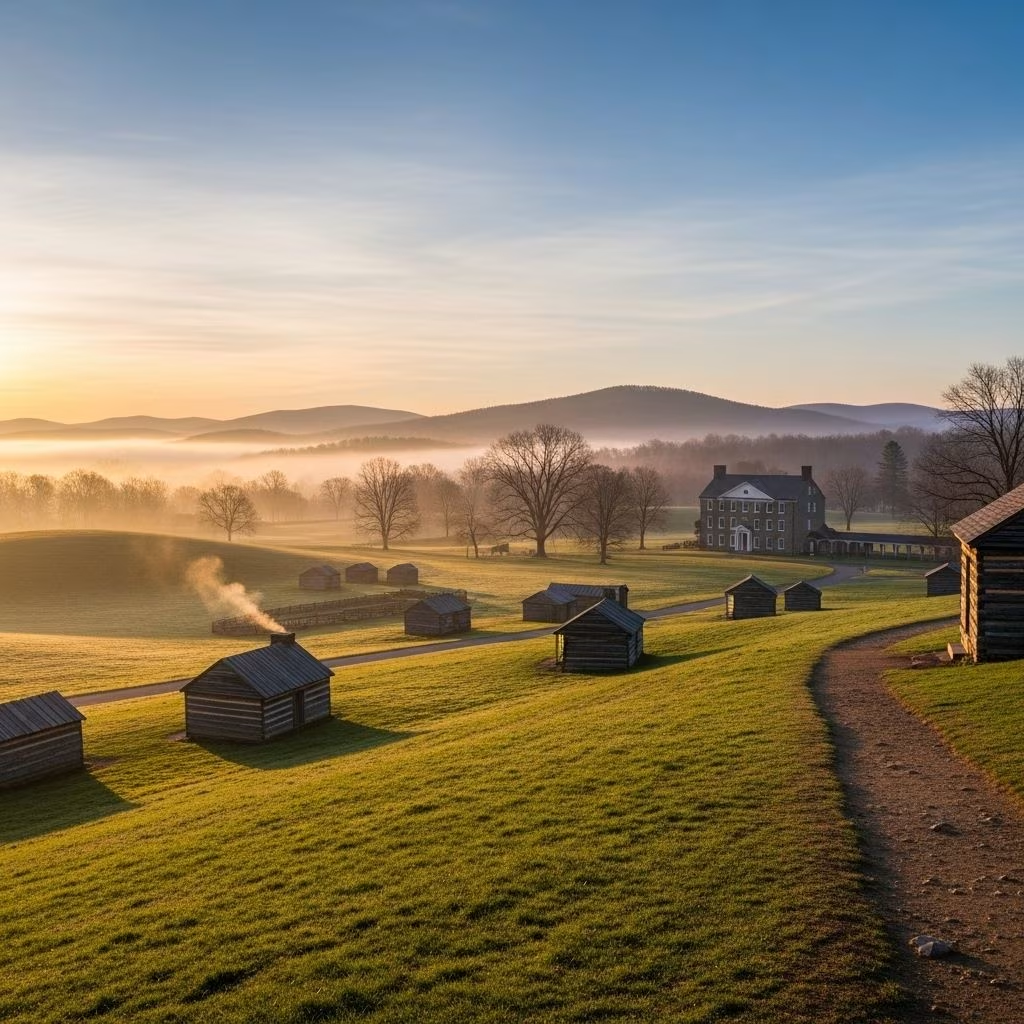
Contrary to common images of soldiers shivering in the snow, the winter at Valley Forge was marked less by extreme cold and more by persistent rain and supply shortages. Soldiers constructed more than 1,500 log huts, organized in lines to form a makeshift city, and dug miles of trenches and earthen forts for security. Daily life involved relentless work: building cabins, digging fortifications, and training.
- Cabins typically measured 14 by 16 feet and housed 12-16 men each.
- The army’s activities forged bonds of resilience and discipline, especially under Baron von Steuben’s training program.
- Diversity was notable—African American and Indigenous soldiers, women, immigrant laborers, and leaders of varying backgrounds contributed to the camp’s spirit.
Hardship and Sacrifice
- Over 2,000 soldiers died during the encampment—most from disease and poor nutrition, rather than direct combat.
- Medical care and supply lines proved unreliable, but organizational improvements laid the groundwork for future victories.
Cultural and Ecological Heritage
Native American Roots and Colonial Settlement
Valley Forge’s significance predates the Revolution. Indigenous peoples, primarily the Lenape (Delaware), lived in the river valley for thousands of years, drawn by rich natural resources. European colonists arrived in the late 17th century, clearing land and establishing prosperous farms and ironworks—the latter lending the name Valley Forge to the area by the mid-1700s.
Environmental Transformation
Today, Valley Forge encompasses over 3,500 acres of preserved meadows, woodlands, and historic structures. Efforts led by local communities and the National Park Service have protected and restored the landscape, balancing historical commemoration with ecological stewardship.
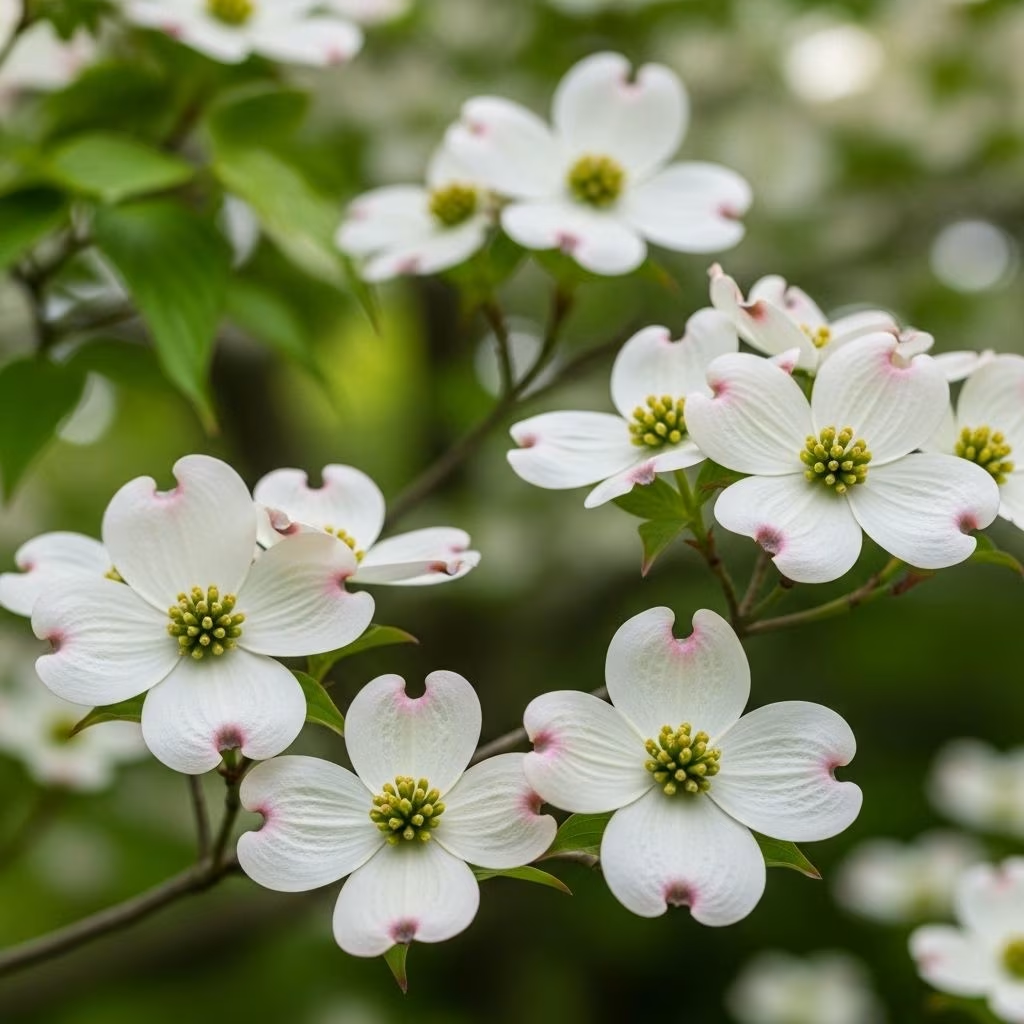
- Native flora and fauna thrive amid former battlegrounds.
- The Schuylkill River and Valley Creek add to the area’s recreational and environmental value.
- Ongoing conservation programs support biodiversity, water quality, and woodland regeneration.
Landmarks and Key Attractions
Valley Forge National Historical Park offers visitors a blend of historic sites, monuments, and recreational opportunities.
Major Historic Sites
- Washington’s Headquarters: The restored Isaac Potts House served as command central for George Washington and his staff. Furnished rooms and interpretive displays bring leadership decisions to life.
- Reconstructed Log Huts: Near the Visitor Center, these structures evoke soldiers’ living conditions and daily struggles during the encampment.
- Redoubts and Earthworks: Earthen forts highlight defensive strategies and engineering feats of the Continental Army.
- Valley Forge Train Station: A beautiful, historic building used for events and exhibitions.
- National Memorial Arch: A commemorative monument honoring the sacrifice and perseverance of the Revolutionary generation.
Museum Collections and Interpretation
- The Visitor Center hosts engaging exhibits, artifacts, and multimedia presentations on the park’s history and significance.
- Guided walks, talks, and living history demonstrations deepen appreciation for the camp’s challenges and successes.
- Educational programs serve school groups, families, and lifelong learners.
Outdoor Recreation
- More than 26 miles of hiking and biking trails traverse the park, leading through woodlands, meadows, and river landscapes.
- Picnic areas, birdwatching sites, fishing spots, and designated horseback riding trails offer diverse opportunities to connect with nature.
- Special seasonal events range from 5K runs to interpretive tours and family-friendly festivities.
Evolution from Revolutionary Site to National Park
The transformation of Valley Forge from battlefield to public park reflects shifting attitudes about history, commemoration, and conservation.
State Park Beginnings
- In 1893, the Commonwealth of Pennsylvania established Valley Forge as a state park to protect its historic landscape and interpret military heritage to the public.
- Land acquisition prioritized preserving redoubts, cabins, and sites of strategic meetings.
National Historic Status
- In 1976, as part of the United States Bicentennial, President Gerald Ford signed legislation creating Valley Forge National Historical Park under the stewardship of the National Park Service.
- The park now covers more than five square miles, divided by the Schuylkill River into historic south and recreational north sectors.
Symbolic Role in American Memory
- Valley Forge remains a touchstone for reflection and commemoration: memorial events, reenactments, and educational initiatives recall its enduring lessons.
- It has served as a rallying point for protest and advocacy, such as the Vietnam Veterans Against the War march during the 1970s.
Frequently Asked Questions (FAQs) About Valley Forge National Historical Park
Q: Where is Valley Forge National Historical Park located?
A: The park is situated in Montgomery County, Pennsylvania, about 18 miles northwest of Philadelphia.
Q: What is the significance of Valley Forge in the Revolutionary War?
A: Valley Forge was the site of the Continental Army’s transformative 1777-78 winter encampment, where discipline, unity, and leadership under George Washington helped turn the tide toward American independence.
Q: How large is Valley Forge National Historical Park?
A: The park spans more than 3,500 acres, featuring historic structures, museums, monuments, and extensive trails for hiking, biking, and exploring.
Q: Are there any entrance fees or visitor requirements?
A: Admission to Valley Forge National Historical Park is free. Certain special programs and attractions may require registration or fees.
Q: What are the top things to see and do at Valley Forge?
A: Must-see attractions include Washington’s Headquarters, reconstructed soldiers’ huts, the National Memorial Arch, museum exhibits, and extensive hiking and biking trails.
Planning Your Visit
- Park Hours: Valley Forge is open year-round from dawn until dusk. Visitor Center operating hours vary by season.
- Guided Tours: Seasonal ranger-led tours and audio guides are available at the Visitor Center.
- Accessibility: Many trails and exhibits are wheelchair accessible. Park staff can assist with specific needs.
- Parking: Free parking lots are available throughout the park.
- Events: Annual commemorations, walks, and educational events celebrate the park’s legacy and community spirit. Check the park website for the latest schedules.
Connecting to Valley Forge’s Legacy Today
Valley Forge stands as both a historic landmark and living landscape, its legacy resonating through America’s cultural memory and natural environment. Whether you visit for its dramatic history, peaceful recreational spaces, or educational programs, Valley Forge offers enduring lessons in perseverance, cooperation, and stewardship. The park’s story—from Indigenous village to battleground to heritage preserve—reflects the dynamic spirit of its people and land.
- Preservation efforts maintain both historical integrity and environmental health, ensuring the site endures for future generations.
- Community engagement and ongoing research enrich understanding of the site’s diverse heritage.
Visiting Valley Forge National Historical Park is not just a journey into the past—it is an opportunity to reflect on shared values of resilience, freedom, and hope. Across its rolling hills, tranquil meadows, and iconic monuments, Valley Forge continues to inspire visitors of all backgrounds with its story of transformation and triumph.
References
- https://www.nps.gov/vafo/learn/historyculture/valley-forge-history-and-significance.htm
- https://philadelphiaencyclopedia.org/essays/valley-forge/
- https://www.nationalparks.org/explore/parks/valley-forge-national-historical-park
- https://www.valleyforge.org/things-to-do/valley-forge-park/
- https://www.nps.gov/vafo/learn/historyculture/index.htm
- https://www.battlefields.org/learn/articles/10-facts-valley-forge
- https://www.visitphilly.com/things-to-do/attractions/valley-forge-national-historical-park/