


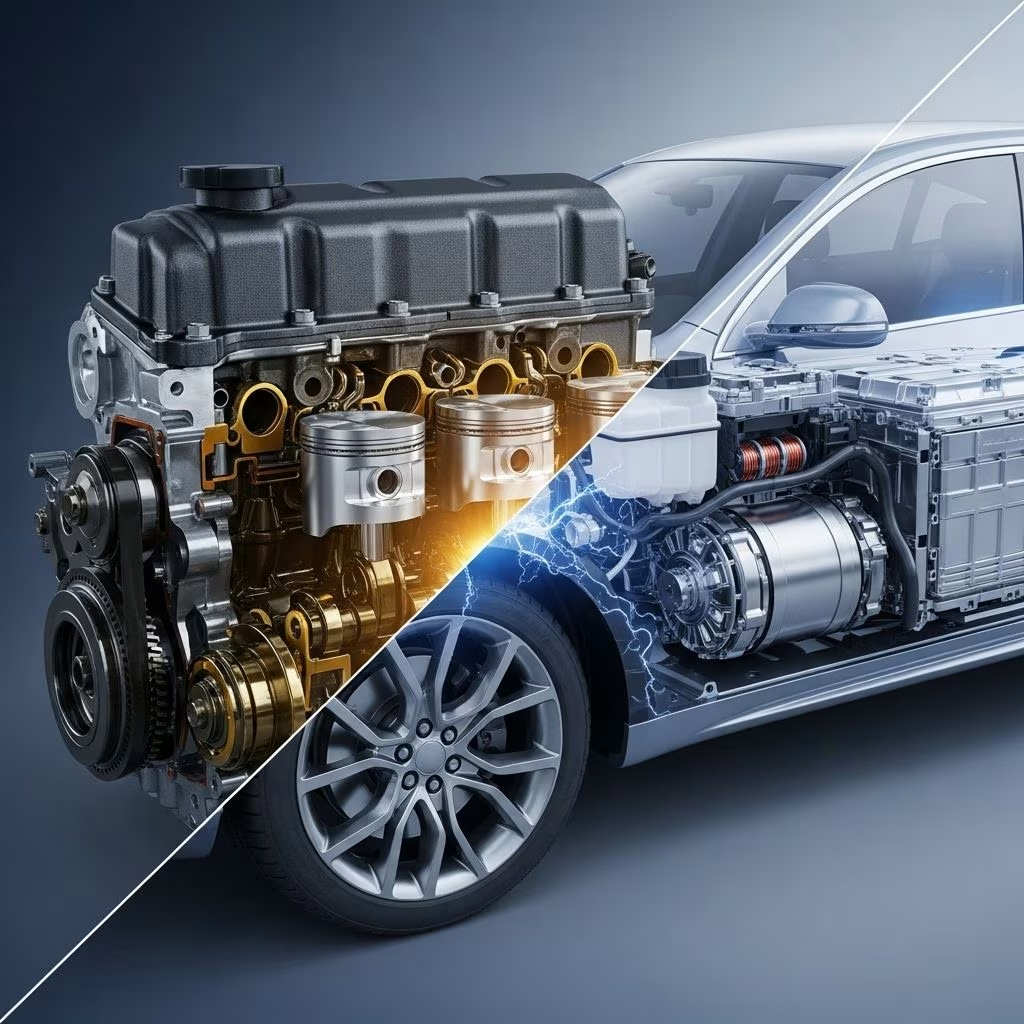
Do Electric Cars Use Oil? What You Need to Know
As the automotive market shifts towards electrification, understanding whether electric cars use oil is an important question for prospective buyers and eco-conscious drivers alike. Beyond the buzz surrounding the benefits of electric vehicles (EVs), many wonder just how different they are compared to traditional gasoline-powered cars, especially in terms of oil and fluid requirements.
Why Do Traditional Cars Need Oil?
Gasoline-powered vehicles need motor oil to lubricate the internal combustion engine, reduce friction between moving parts, and help keep it cool. Conventional engines, with their many metal components moving at high speeds, can generate enormous heat and wear. Oil:
- Lubricates pistons, valves, and camshafts
- Helps dissipate heat
- Removes impurities and micro-particles by circulating through an oil filter
- Requires periodic replacement as it breaks down or becomes contaminated
Without oil, an engine would quickly seize and suffer catastrophic damage.
Do Electric Cars Need Engine Oil?
Battery electric vehicles (BEVs) do not have traditional engines. Instead, they use electric motors powered by batteries to drive the wheels. Since electric motors do not have pistons, valves, camshafts, or the same internal friction points as combustion engines, they do not require oil for lubrication in the conventional sense.
- Electric motors use sealed bearings that are pre-lubricated for life
- No motor oil changes are required for the electric propulsion system
- As a result, EV owners experience significant maintenance reductions
What Fluids Do Electric Cars Need?
While electric vehicles sidestep engine oil, they are not completely “fluid-free.” EVs still use several fluids for ancillary systems:
- Coolant: Most EVs have coolant for battery thermal management
- Brake fluid: For hydraulic braking systems
- Windshield washer fluid: For cleaning road debris
- Transmission fluid (in some EVs): Some electric cars, especially those with reduction gearboxes, may use a specialized gear oil, but not the same as motor oil
Unlike gas cars, these fluids often have much longer service intervals. Many EVs feature simplified drivetrains and regenerative braking, which reduces brake wear and further lowers maintenance needs.
Hybrid Cars: A Special Case
Hybrid vehicles—which combine a gasoline engine with an electric motor—do require engine oil because they still use a traditional combustion engine part of the time. The need for oil changes and regular engine maintenance remains, although typically less frequently than purely gas cars.
- Plug-in hybrids (PHEVs) can run on electricity for shorter trips but switch to gasoline power for longer distances
- Standard hybrids use both power sources simultaneously, depending on driving conditions
In both cases, oil remains an essential component for engine health.
How Maintenance Differs for Electric Vehicles
Compared to gasoline vehicles, electric cars offer a much simpler maintenance schedule:
- No oil changes
- No spark plug or timing belt replacements
- Few moving parts in the electric motor system
- Brake service intervals are extended due to regenerative braking
- No exhaust system or fuel filters to replace
Many owners find maintenance costs on EVs are much lower. Some sources suggest that the overall reduction in moving parts and scheduled service translates to significant long-term savings and fewer environmental impacts.
Table: Fluids Required by Gasoline Cars vs Electric Cars
| Fluid Type | Gasoline Car | Electric Car (EV) |
|---|---|---|
| Engine Oil | Required—regular changes | Not required |
| Transmission Fluid | Required | Sometimes—specialized gear oil (varies) |
| Brake Fluid | Required | Required |
| Coolant | Required—engine cooling | Required—battery and electronics |
| Windshield Washer Fluid | Required | Required |
| Fuel | Gasoline | Electricity |
Why No Oil Is a Big Deal
The reduced reliance on oil has far-reaching implications:
- Lower environmental impact: Oil extraction, refining, and disposal contribute to pollution and greenhouse gases
- Reduced costs: No oil purchases, oil changes, or oil filter replacements
- Fewer maintenance headaches: Simpler routine care for drivers
- Less risk of leaks and spills: Improved safety for ecosystems and public health
This transition not only changes how drivers care for their vehicles but also helps advance global efforts to minimize fossil fuel dependence and mitigate climate change.
EVs and Sustainability: Beyond the Oil Question
Electric cars are often promoted as more sustainable and environmentally friendly. By eliminating tailpipe emissions and the need for regular oil changes, EVs offer several clear advantages. However, additional factors should be considered:
- Electricity source: The environmental impact depends on whether the electricity generated comes from renewables (solar, wind, hydro) or fossil fuels
- Batteries: The extraction and disposal of materials for battery production carry their own environmental concerns
- Long-term life cycle analysis: Studies find that even accounting for battery manufacturing, most EVs have lower total carbon footprints over their lifetimes compared to gas cars
As utility grids become greener, these advantages will only increase, making the absence of engine oil another step towards sustainable transportation.
Do Electric Cars Use Oil For Other Purposes?
It is important to note that while electric drivetrains don’t require engine oil, other systems may use lubricants or fluids for specialized functions:
- Electric gearboxes may contain a small amount of specialized oil for gears or bearings
- Some vehicles with “wet” axles or advanced drive units could have limited oil requirements
- These fluids are not the same as traditional engine oil and may last much longer, often the life of the vehicle
Most owners will never need to worry about these, as they’re sealed and maintained by the manufacturer.
Common Misconceptions: Oil Use in EVs
- Myth: All cars require engine oil
- Fact: Pure EVs do not need engine oil
- Myth: Electric cars have the same maintenance as gas cars
- Fact: Fewer moving parts means less maintenance
- Myth: EVs aren’t as effective or powerful as traditional vehicles
- Fact: Modern EVs offer impressive acceleration and torque, with many outperforming gasoline cars
Frequently Asked Questions (FAQs)
Q: Do electric cars need oil changes?
A: No, electric cars do not require traditional oil changes since they do not have internal combustion engines. Maintenance focuses mainly on brakes, tires, coolant, and battery systems.
Q: What fluid do electric cars need?
A: Electric vehicles require coolant, brake fluid, and windshield washer fluid. Some use gear oil for transmission parts, but not engine oil.
Q: Do hybrid cars need oil?
A: Yes, hybrids have combustion engines that need regular oil changes, especially those driven frequently on gasoline power.
Q: Are electric cars better for the environment regarding oil use?
A: Yes, the absence of engine oil in EVs leads to lower environmental impact, reduces waste, and lessens dependence on fossil fuels.
Q: Will electric cars ever need oil?
A: It’s unlikely. Future EV designs may use improved lubricants for specialized components, but standard engine oil is not needed for electric propulsion.
The Future of Vehicle Maintenance
As the industry continues its shift towards electrification, car owners can expect maintenance to change dramatically. The reduction in routine service needs, especially related to engine oil, signals a broader trend towards simplification and sustainability in transportation technology.
- Automakers are investing in maintenance-free motors and gearboxes
- EV platforms offer fewer parts to replace, less frequent service visits
- New service models (software updates, remote diagnostics) are on the rise
The electrification of the vehicle fleet could fundamentally alter how motorists interact with and care for their vehicles, making them easier to own and operate.
Helpful Tips for Prospective EV Owners
- Always review your EV’s maintenance guide to understand what fluids need periodic checking
- Monitor battery coolant systems to ensure optimal performance
- Replace brake fluid as recommended by the manufacturer
- Keep windshield washer fluid topped up for safety
- Check tire wear and alignment regularly
While the absence of oil changes simplifies ownership, regular attention to these items maximizes EV reliability and efficiency.
Conclusion: Oil and the Road Ahead
The emergence of electric vehicles marks a turning point in automotive history. Not only does it represent a leap forward in performance and user convenience, but it also significantly lessens our reliance on oil for vehicle operation. As charging infrastructure expands and the electric fleet grows, this shift offers both practical benefits and a meaningful reduction in environmental impact. The answer to “Do electric cars use oil?” is clear: for the main propulsion system—no. And that is good news for drivers and the planet alike.
References
- https://www.onpointdyno.com/an-engine-tuners-outlook-on-electric-cars-green-energy-and-the-death-of-fossil-fuel/
- https://www.axios.com/2019/10/11/gas-electric-hybrids-image
- https://www.greencarreports.com/news/1091625_tree-huggers-dont-buy-luxury-cars-says-cadillac-exec-on-electric-cars
- https://www.hometownlife.com/story/life/2016/11/11/tree-hugger-loves-her-volt-daisy/91136484/


