Finding Synergy in Your Garden: Practical Steps for Integrated Projects
Are you searching for ways to move beyond simple gardening techniques and cultivate a resilient, thriving ecosystem in your backyard? Discover how applying core synergy principles can help you design successful garden projects that support plants, wildlife, and people.
What Is Garden Synergy?
Synergy is when the combined effect of elements—plants, animals, human effort, and environment—produces outcomes greater than the sum of their individual contributions. In the context of gardening, synergy means intentionally designing your space and practices to create relationships that increase abundance, resilience, and sustainability.
Synergistic gardens do more than just yield crops: they foster biodiversity, recycle nutrients, support pollinators, save time and inputs, and create beautiful, functional landscapes.
Why Synergistic Approach Matters
- Boosts yields and ecosystem health by encouraging beneficial interactions among plants and wildlife.
- Reduces waste by making use of local, renewable resources and recycling nutrients.
- Decreases labor and inputs through mutually supportive plant combinations and natural pest control.
- Improves climate resilience by building diverse systems that can adapt to change.
- Creates beautiful and engaging spaces that support mental well-being and connect people to nature.
Core Principles of Synergistic Garden Projects
To create synergy in your garden, start by embracing these foundational ideas:
- Observation: Study your site’s natural patterns—sun, shade, water, wind, wildlife movement.
- Diversity: Use different species and varieties to attract beneficial insects, support wildlife, and prevent disease.
- Integration: Position plants and features to interact and support each other, rather than isolating them.
- Layering: Stack functions by arranging plants vertically and horizontally for maximum efficiency and resilience.
- Closed loops: Recirculate nutrients and resources on-site; compost, mulch, plant cover crops, and collect rainwater.
Layered Functions in the Garden: The Heart of Synergy
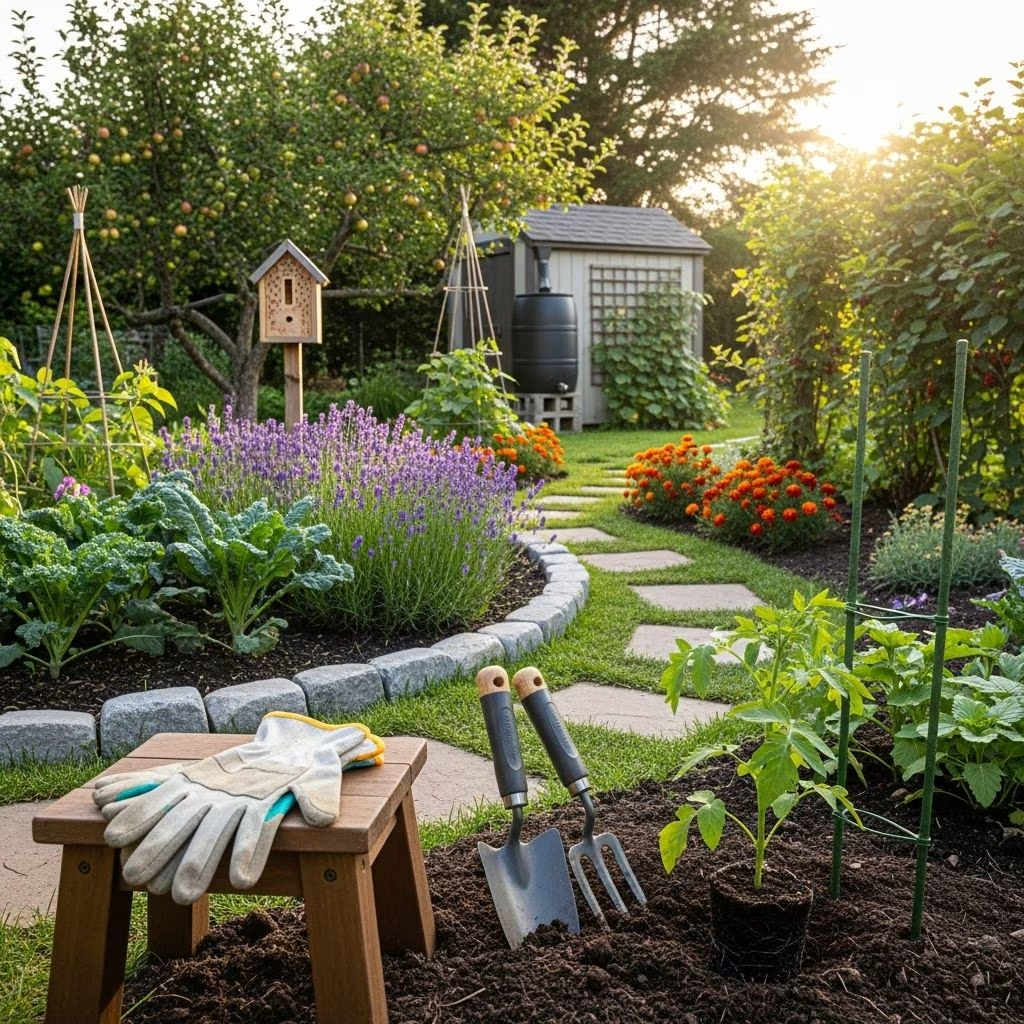
Synergistic gardens use layered functions, meaning each element (plant, animal, feature) serves multiple roles. For example, a fruit tree in a polyculture garden provides shade, attracts pollinators, feeds people and wildlife, and produces leaf litter for compost.
- Edible and medicinal plants: Offer food for both humans and pollinators.
- Wildlife habitat: Shelter and nesting spots for birds, beneficial insects, and amphibians.
- Soil improvement: Deep-rooted plants draw nutrients up, while nitrogen-fixers enrich soil.
- Pest management: Aromatic herbs and companion plants repel pests or attract predators.
- Microclimate control: Trees and shrubs regulate temperature, wind, and humidity.
Getting Started: Observing and Mapping Your Garden
Before you begin designing synergistic garden projects, spend time observing and mapping your site:
- Record sun exposure, shade patterns, wind direction, water flow, and soil types throughout the seasons.
- Note where wildlife enters, forages, shelters, or nests.
- Map existing plants, structures, and challenging areas (such as erosion or compacted soil).
- Identify microclimates (hot, cool, damp, dry spots) and resource flows (compost, leaves, water).
A garden journal or simple site sketch can help you track observations and spot opportunities for synergy.
Identifying Opportunities for Synergy
- Are there places where you struggle to keep weeds or grass under control?
- Do you see bare patches or soil erosion?
- Are certain crops always pest-prone, or do some areas get waterlogged?
- Do you wish for more pollinators, fruit, or shade?
These challenges can often be turned into strengths through integrated, synergistic approaches. For example, areas prone to weeds might benefit from dense ground cover plantings, while eroded slopes can be stabilized with deep-rooted shrubs and mulch.
Types of Synergistic Garden Projects
Here are classic examples of projects that embody synergistic thinking:
- Polycultures: Planting diverse crops together (such as the “Three Sisters”: corn, beans, squash) to improve nutrient cycling, pest control, and yields.
- Forest gardens: Mimicking young woodland structure with fruit and nut trees, shrubs, herbs, ground covers, and vines for stacked food and habitat.
- Companion planting beds: Arranging herbs and flowers among vegetables to deter pests and attract pollinators.
- Rain gardens: Capturing rainwater in swales or basins planted with moisture-loving natives that support wildlife and recharge groundwater.
- Chicken tractors or integrated animal systems: Moving livestock through gardens to fertilize, weed, and aerate soil while producing eggs or meat.
- Compost and mulch cycles: Using garden waste, fallen leaves, and kitchen scraps to produce fertile ground without synthetic inputs.
Project Planning Table: Synergy At a Glance
| Project | Main Functions | Synergy Outcomes |
|---|---|---|
| Polyculture planting | Nutrient cycling, pest reduction, food diversity | Greater resilience and yield with less management |
| Compost cycle | Waste management, soil fertility | Reduces inputs and increases plant health |
| Rain garden | Water management, wildlife habitat | Prevents runoff and attracts beneficial species |
| Chicken tractor | Weeding, fertilization, pest control | Healthy soil and productive livestock |
| Forest garden | Food, shade, pollinator and wildlife support | Year-round harvest and increased biodiversity |
Step-by-Step: Designing Your First Synergy Project
- Start with your goals.
What do you want to grow? Which resources (compost, water, sunlight) are abundant or limited? Who will benefit—people, wildlife, or both? - List site assets and challenges.
Inventory available materials (logs, leaves, mulch), and identify problem spots (bare ground, damp shade, windy corners). - Choose 2–3 species or project elements that can interact.
Mix plants of varying heights, root depths, or functions. Look for pairings like beans and corn, flowers with vegetables, or chickens rotating through annual beds. - Design the layout for interaction.
Cluster elements close enough to interact but spaced for healthy growth. Try groupings in guilds (clusters of symbiotic plants) or layered beds. - Implement gradually and adapt.
Monitor performance and tweak your system as needed. Add cover crops, mulch, or new companions based on observations.
Common Synergy Project Examples
- Edible hedgerows: Rows of fruiting shrubs, herbs, flowers, and perennial vegetables that also mark boundaries and attract wildlife.
- Pond and wetland gardens: Integrating water features with native plants for aquatic insects, birds, and frogs.
- Green manure cycles: Seasonal planting of nitrogen-fixing legumes that feed soil and provide habitat for pollinators.
- Integrated composting: Compost bins or piles located beneath fruit trees or perennial beds, enriching soil while supporting microfauna.
- Habitat logs and brush piles: Piles of wood, twigs, and leaves support beetles, fungi، and small mammals while recycling garden waste.
- Vertical gardens: Training climbing plants up trellises or walls alongside annuals and perennials for shade، beauty، and space use.
Tips for Maintaining Synergistic Garden Systems
- Regularly observe and log changes in plant health، animal activity، soil quality، and microclimate.
- Add mulch or compost as needed to maintain soil fertility.
- Harvest selectively and leave some food or habitat for wildlife.
- Rotate crops and cover species to avoid soil depletion and disease buildup.
- Experiment and adjust—no garden is ever finished. Adapt methods as conditions change.
Challenges and Solutions
Authentic synergy isn’t always easy. Here are potential roadblocks—and creative fixes:
- Too many weeds? Use dense plantings and ground covers، plus regular mulching.
- Pest outbreaks? Attract natural predators، diversify species، and use physical barriers like row covers.
- Poor soil? Add organic matter، rotate cover crops، and foster earthworms and fungi.
- Dry spells? Collect rainwater، mulch deeply، and choose drought-tolerant companions.
- Wildlife damage? Designate a small share of the harvest for wildlife and use fencing or deterrents if needed.
Synergy Beyond Plants: People، Wildlife، and Community
Synergy in the garden extends to relationships with neighbors، family، and the wider ecosystem. Community gardens، seed swaps، shared composting networks، and wildlife corridors amplify the beneficial connections begun in individual backyards.
- Share seeds، plants، and harvests with others.
- Create wildlife corridors or pollinator-friendly paths between neighboring gardens.
- Host workdays or workshops to teach and learn synergistic gardening methods.
- Document and celebrate successes—photos، lessons learned، and stories can inspire wider action.
Frequently Asked Questions (FAQs)
What is the first step to creating a synergistic garden?
Begin by careful observation and mapping—understand your site’s resources، challenges، sunlight، water، soil patterns، and wildlife presence before choosing any project elements.
Can synergy projects work in small spaces like balconies or tiny yards?
Absolutely. Layered functions—such as herbs mixed with flowering annuals، vertical trellises، and container polycultures—bring synergy even to compact urban gardens.
How do I know if my garden is truly synergistic?
If your garden’s elements support each other (e.g., pest control without chemicals، increased pollinator visits، resilient plants، year-round yields) and you notice reduced waste and labor، you’re cultivating synergy.
Do synergistic gardens require more work or less?
They may demand up-front observation and design، but over time they almost always reduce total maintenance by harnessing ecological relationships.
Is it possible to apply these principles to an existing garden?
Yes، start by integrating new companion plants، adding compost cycles، and improving habitat layers. Adapt existing layouts gradually and monitor for improved results.
Additional Resources
- Books: “Permaculture: A Designers’ Manual” by Bill Mollison; “Gaia’s Garden” by Toby Hemenway.
- Online guides: Search for “companion planting charts,” “forest garden design,” and “rain garden planning.”
- Local workshops: Many community gardens offer hands-on synergy design events and tours.
Final Thoughts
Finding and maximizing synergy in your garden is an ongoing process. By observing nature، layering functions، and integrating diverse relationships، you build not just a productive space but a haven for wildlife، people، and the planet. Every garden—regardless of size—can offer resilient، interconnected abundance for years to come.
References
- https://www.youtube.com/watch?v=0JmPPtRofqs
- https://www.gettingmoreontheground.com/2014/11/24/okay-hug-tree/
- https://3quarksdaily.com/3quarksdaily/2025/05/a-tree-huggers-parable.html
- http://www.qestenergy.com/tree-hugger-to-green-business-founder-why-i-turned-my-passion-for-the-planet-into-a-company/