


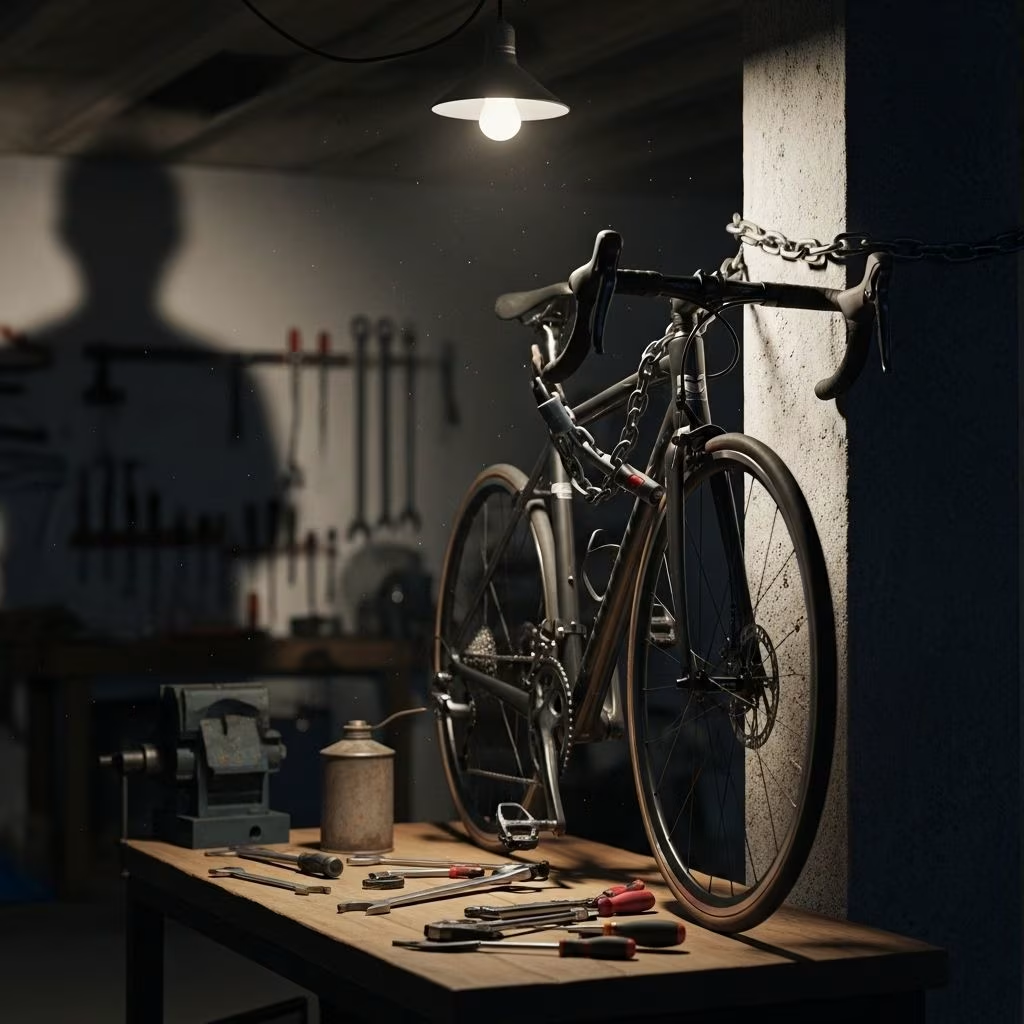
Why 50% of Bike Thefts Happen at Home—and How to Protect Your Ride
Bike theft is a persistent issue affecting cyclists around the world, but what surprises many riders is just how frequently these thefts occur at home. Despite the assumption that a personal residence is a haven for valued possessions, recent data reveals that nearly half of all bike thefts take place right where you live. This article explores the factors behind such statistics, highlights common misconceptions about security, and provides actionable strategies to safeguard your bike—no matter where you store it.
Home: The Unexpected Hotspot for Bike Theft
It seems counterintuitive: why would thieves target bikes that are stored at someone’s home instead of those left in public places? Yet, statistical analyses consistently show that about 50% of all bike thefts occur at the owner’s residence. This includes not just bikes kept outside, but also those in sheds, garages, and even inside locked homes. Understanding why home storage is particularly vulnerable can help you protect your property.
Common Targets: Sheds, Garages, and Gardens
- Sheds and garages are frequent targets because they are often less secure than the main house and may contain multiple bikes or tools useful for thieves.
- Backyards and gardens provide concealment for thieves, making them ideal spots for opportunists to work undisturbed.
- Porches and stairwells in communal buildings are also at risk, especially where access is easy and surveillance is minimal.
Why Is Home Storage So Vulnerable?
- Complacency: Many cyclists assume that their property is safe just because it’s “at home,” leading to inconsistent use of locks or alarms.
- Poor locks: Sheds and garages often use basic locks or outdated padlocks that are easy to compromise.
- Lack of surveillance: Unlike busy public places, homes—especially at night or in low-traffic areas—offer privacy for thieves to work undisturbed.
- Patterns and predictability: Thieves frequently observe routines to identify when a house will be empty for easy access.
How Do Thieves Operate?
Understanding how bike thieves operate can help you stay a step ahead. Thieves often:
- Scope out neighborhoods for visible bikes and easy points of entry.
- Take advantage of unlocked or poorly secured doors and windows in garages, sheds, or communal hallways.
- Use basic tools like bolt cutters, crowbars, or even screwdrivers to break locks.
- Work quickly; many thefts are completed in under a minute.
- Target homes at predictable times—most commonly at night, early morning, or during known absences.
Case Study: The Role of Market Demand
The rise in cycling popularity, particularly in urban environments, has created a robust black market for stolen bikes and parts. Thieves often sell stolen bicycles quickly online or at pawn shops, making recovery challenging and incentivizing further theft.
Misconceptions About Bike Security at Home
Many cyclists believe their bikes are safe at home and may neglect basic security measures as a result. Common misconceptions include:
- “It’s safe in my garage/shed.” Unless the area is fully secured and locked, thieves can easily gain entry.
- “I live in a safe neighborhood.” Bike theft occurs everywhere, and affluent areas can actually be attractive targets due to the higher value of the bikes stored there.
- “No one knows I have a bike.” Thieves often discover bikes through observation, delivery driver routes, or casual word-of-mouth within a community.
Practical Strategies to Prevent Home Bike Theft
Protecting your bicycle at home is often a matter of applying the same vigilance you would use in public. Here are some expert-recommended steps:
1. Use High-Quality Locks—Even Indoors
- Always lock your bike to an immovable object, even if stored in a shed, garage, or hallway.
- Invest in a quality U-lock or heavy-duty chain. Avoid simple cable locks, which can be cut quickly.
- If possible, use two different types of locks for added security.
2. Secure the Storage Area
- Upgrade the locks on doors and windows of sheds and garages to pick-resistant or heavy-duty options.
- Install motion-sensor lights and security cameras to deter thieves and capture footage if a theft does occur.
- Keep fences, side gates, and perimeters locked at all times.
3. Make the Bike Less Visible
- Store bikes out of sight from windows, gates, or alleyways. Use blinds, covers, or opaque doors where possible.
- Avoid leaving boxes from expensive bikes or gear visible with trash, as this can alert thieves to new valuables inside.
4. Register and Track Your Bicycle
- Register your bike with local or national databases. In many cases, registration platforms like Bike Index have helped recover stolen bikes.
- Write down your bike’s serial number, take detailed photos, and keep purchase receipts as proof of ownership.
- Consider placing GPS trackers inside saddles or handlebars; while not foolproof, they can increase the chances of recovery if a theft does occur.
5. Insure Your Bike
- Homeowners or renters insurance may cover bike theft, but check whether policies include theft from external buildings like sheds and garages.
- Consider specialized bike insurance policies for higher-value or frequently used bicycles.
Bike Theft Myths Debunked
| Myth | Reality |
|---|---|
| Bikes are safer at home than in public. | Half of all thefts happen at home; security is just as crucial indoors as out. |
| A cheap lock is enough for home storage. | Thieves exploit weak locks as easy points of entry, especially in residential settings. |
| Bike thieves are strangers to the area. | Many thefts are committed by local individuals who are familiar with the neighborhood. |
| Expensive bikes are the only targets. | All types of bikes, regardless of value or condition, can be targeted—especially if easily accessible. |
What To Do If Your Bike Is Stolen
Even with the best precautions, thefts occasionally occur. It’s important to act quickly:
- Report the theft to the police: Provide them with your bike’s serial number, photographs, and detailed description.
- Notify your neighborhood: Post a description and photo to local social media groups, cycling forums, or neighborhood watch organizations.
- Check online marketplaces: Stolen bikes are often resold within days, sometimes in the same city or even the same neighborhood.
- Alert local bike shops and pawn shops: Provide them with your bike’s details to watch for attempted resale.
- Update your bike registration: Mark the bike as stolen on platforms like Bike Index to notify other cyclists and potential buyers.
The Growing Threat: Trends in Bike Theft
Recent years have seen a steady increase in bike theft cases, driven in part by the rising popularity of cycling as a form of commuting and recreation. According to recent data, bike theft rates have increased by as much as 15% in some urban areas, and the demand for components such as e-bike batteries and branded parts has given thieves new incentives. Hybrid and commuter bikes, especially those valued under $1,000, are frequent targets.
Seasonality plays a role as well: late spring and summer evenings see a spike in thefts, with thieves making the most of longer daylight hours and open sheds or garages.
Practical Security Checklist
- Always lock your bike—even inside your home or garage.
- Upgrade all shed and garage door locks to the highest security standard you can afford.
- Install security lighting and cameras around storage areas.
- Keep all doors and windows to sheds, garages, and outbuildings locked at all times.
- Engrave or mark bikes with a unique identifier for easier recovery.
- Keep a record of your bike’s serial number and registration documents.
- Regularly review and update your security measures, especially after any neighborhood incidents.
Busting the ‘Home is Safe’ Narrative
The persistent belief that ‘my bike is safe at home’ leaves many owners exposed to unnecessary risks. The truth is that household complacency and overlooked vulnerabilities combine to make homes a primary target for professional and opportunistic thieves alike. Mitigating these risks requires a change of mindset—treat your home as you would a public bike rack, with appropriate security and vigilance.
Frequently Asked Questions (FAQ)
Q: What type of lock is best for at-home bike storage?
A: Invest in a heavy-duty U-lock or a robust chain lock—these provide much higher resistance to bolt cutters than basic cable locks. If possible, use at least two locks of different types for added security.
Q: Should I bother registering my bike even if it’s mostly kept at home?
A: Absolutely. Registration helps in recovery if your bike is stolen and provides proof of ownership for insurance claims.
Q: Is it worth insuring my bike separately from my home insurance?
A: For expensive bikes or those used frequently, a dedicated bike insurance policy often provides better coverage and quicker payout in case of theft.
Q: Does CCTV actually help deter thieves?
A: Yes, visible CCTV and motion sensor lighting often act as deterrents and provide valuable evidence if a theft occurs.
Q: What should I do if my bike is stolen from my home?
A: Report it immediately to police and local bike registries, inform your neighbors, monitor online marketplaces, and notify local bike shops.
Summary Table: Home vs. Public Bike Theft Risks
| Home Storage | Public Storage | |
|---|---|---|
| Frequency of Theft | ~50% of all thefts | ~50% of all thefts |
| Common Entry Points | Shed, garage, private yard, apartment hallway | Bike racks, posts, fences, signposts |
| Typical Security Mistake | No lock or a weak lock indoors | Poor placement or use of a single cable lock |
| Best Deterrents | Multiple locks, upgraded doors, indoor cameras | Heavy-duty locks, high-traffic visibility, surveillance |
| Recovery Chances | Better if registered and reported quickly, but resale can be fast | Variable; depends on location and presence of security cameras |
Staying proactive and shedding assumptions about at-home safety will go a long way toward keeping your bike out of thieves’ clutches. Secure smarter, register early, and always treat your home as the frontline in the fight against bike theft.
References
- https://tailwindchicago.com/fighting-bike-theft-in-chicago/
- https://www.youtube.com/watch?v=S0NRo0uoehw
- https://bikeportland.org/2022/12/07/when-it-comes-to-bike-theft-dont-despair-prepare-368000
- https://www.tandfonline.com/doi/full/10.1080/15568318.2024.2350946
- https://www.uwec.edu/stories/campus-police-combat-bike-theft-gps-monitoring


