Peat-Free Compost: Building Sustainable Gardens for the Future
Peat-free compost is rapidly emerging as the gold standard for sustainable gardening, transforming the ways we cultivate plants while protecting precious natural resources. As environmental awareness grows and gardeners seek to minimize their impact, understanding the role of peat in gardening—and the urgent need for alternatives—becomes essential. This article explores the environmental impact of peat, the benefits of peat-free compost, challenges and opportunities with alternatives, and expert advice for transitioning your garden for the future.
Why Peat Matters: The Environmental Case Against Peat Use
Peatlands—wetland areas where layers of organic material accumulate over centuries—are among the planet’s most valuable ecosystems. Although covering only about 3% of the Earth’s land surface, peatlands store nearly one-third of all soil carbon, making them vital for climate regulation and biodiversity conservation.
- Carbon Sequestration: Peat bogs lock away enormous quantities of carbon, which helps stabilize atmospheric CO2 levels.
- Biodiversity Hotspots: Unique plant and animal species thrive in peatland environments.
- Water Cycle Regulation: Peatlands moderate water flows, reduce flooding, and maintain wetland habitats.
Harvesting peat for compost disrupts these crucial functions. Extracting peat not only destroys habitats but also releases stored carbon into the atmosphere, contributing significantly to climate change.
The Decline of Peat Use: Regulations and Shifts
- Countries like the UK have imposed bans and restrictions on peat-based compost as part of climate action efforts, signaling a major shift in gardening practices.
- This transition requires both consumers and commercial growers to adapt and find suitable alternatives for soil health and plant growth.
Peat-Free Compost: What Is It?
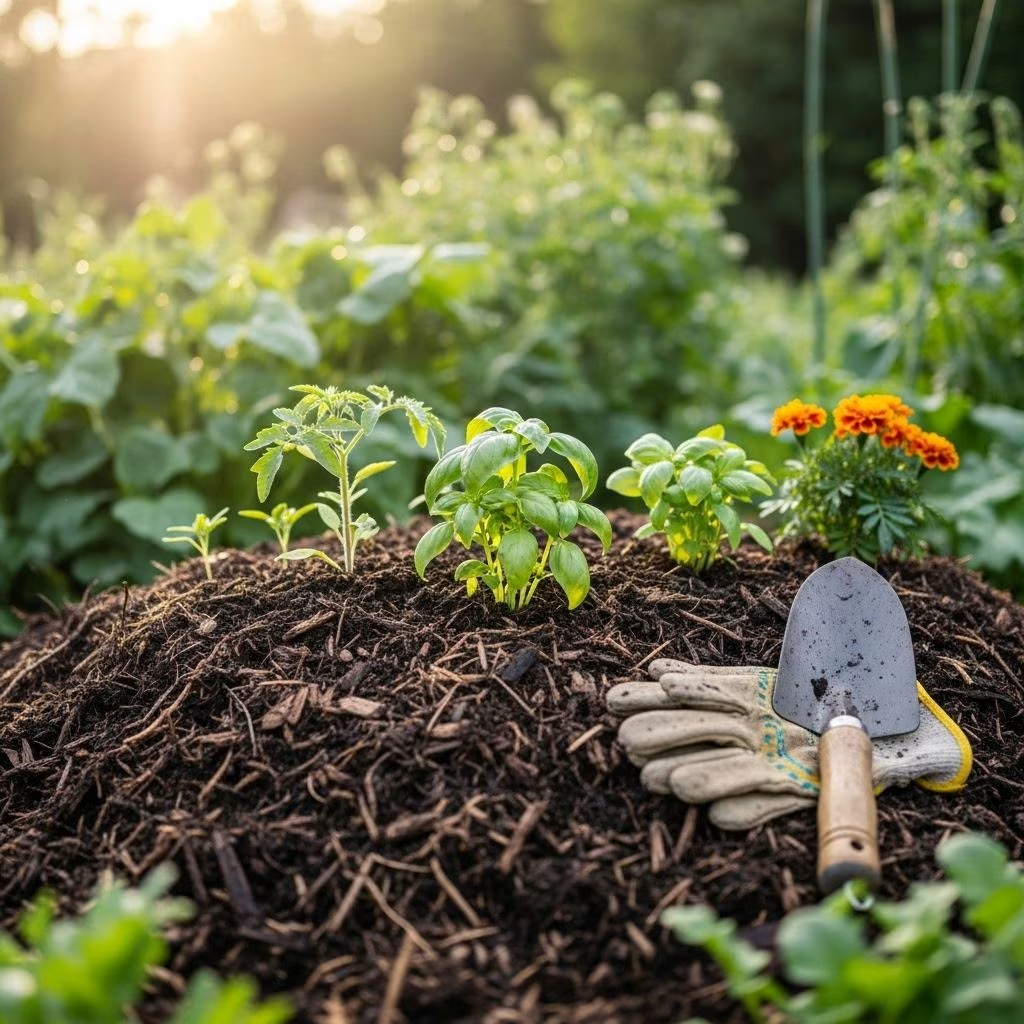
Peat-free compost is made using renewable and recycled organic materials, offering an eco-friendly substitute for traditional peat-based mixes. Common ingredients include:
- Cocomut coir: A byproduct of the coconut industry, valued for its water retention and aeration qualities.
- Composted green waste: Includes kitchen scraps, plant trimmings, and other biodegradable materials.
- Wood fibre and bark: Forestry by-products that help improve structure and drainage.
- Other additions: Biochar, recycled paper, straw, and sometimes trace minerals for plant nutrition.
When produced and used responsibly, these materials support plant health, increase soil fertility, and preserve the environment.
Key Benefits of Peat-Free Compost
1. Protects Fragile Ecosystems
Choosing peat-free compost safeguards peat bogs from destruction, ensuring continued carbon sequestration and biodiversity. Each bag of peat-free compost is a step toward preserving endangered habitats and fighting global warming.
2. Reduces Carbon Footprint
Peat extraction and degradation release substantial CO2 emissions. By shifting to peat-free alternatives, gardeners directly help lower greenhouse gas contributions.
3. Improves Soil Health
- Organic Matter: Peat-free compost increases soil organic content, boosting water retention, nutrient availability, and root growth.
- Structure & Aeration: Unlike peat, which compacts over time, peat-free mixes maintain better soil structure and allow for healthy air circulation.
- Pest & Disease Resistance: Rich microbial activity in organic compost enhances plant immunity.
4. Biodiversity Preservation
By supporting peat-free products, gardeners aid in conserving native flora and fauna threatened by peatland destruction.
5. Compliance with Sustainable Regulations
Peat-free compost meets changing environmental laws, helping gardeners align with new standards and demonstrate commitment to sustainability.
Challenges of Peat-Free Compost
Material Sourcing and Environmental Trade-offs
While avoiding peat, some peat-free compost ingredients present their own environmental considerations:
- Coconut coir: Must be transported (often overseas), increasing emissions. Its production can involve water and chemical use.
- Bark and wood fibre: Sourcing depends on sustainable forestry and responsible supply chains.
- Green waste: Processing requires robust municipal infrastructure and energy input.
Need for Fertilizers
Peat-free compost may not match peat’s innate fertility. Gardeners often supplement with fertilizers, but many commercial options rely on fossil fuels or mined minerals, which have their own environmental cost.
Performance Variability
- Young seedlings and sensitive plants sometimes struggle in peat-free mixes, requiring adjustments in nutrients and watering routines.
- Different peat-free products offer varying physical and chemical qualities—testing and experience are crucial for optimal use.
Popular Peat-Free Compost Materials: Pros & Cons Table
| Material | Pros | Cons |
|---|---|---|
| Coconut coir |
|
|
| Composted green waste |
|
|
| Wood fibre & bark |
|
|
| Biochar |
|
|
Tips for Successful Peat-Free Gardening
- Trial and error: Try different peat-free mixes to find the best match for your specific garden conditions and plant types.
- Enrich with nutrients: Supplement with sustainable fertilizers and soil amendments, especially for demanding crops and seedlings.
- Focus on water management: Peat-free composts may retain or drain water differently. Adjust your watering schedule accordingly.
- Mulch and soil covers: Use plant-based mulches to preserve soil moisture and suppress weeds.
- Compost at home: Reduce your footprint by producing your own compost from kitchen waste, prunings, and leaves.
- Choose certified products: Look for organic or Soil Association-certified peat-free composts for assurance of quality and eco-friendliness.
Future Trends: Regulations, Innovation, and Challenges
- Increasing bans: More governments and regions are restricting peat use to curb climate impacts.
- Product innovation: The compost industry is developing advanced blends—combining various materials and bioactive additives for consistent performance.
- Sustainable sourcing: Gardeners and suppliers must balance sourcing practices with ecological goals, favoring local and renewable inputs wherever possible.
- Education: Training and consumer information can help overcome skepticism and technical challenges associated with peat-free alternatives.
Frequently Asked Questions (FAQs)
Q: Why is peat so widely used in gardening?
A: Peat has historically been valued for its moisture retention, easy handling, and consistent texture, making it popular for both home gardeners and commercial growers.
Q: How does peat-free compost compare to peat-based compost in performance?
A: With proper application and supplementation, peat-free composts can perform as well as traditional peat mixes. However, some products may vary in texture, water handling, and nutritional value, requiring gardeners to adapt their practices.
Q: Is coconut coir environmentally friendly?
A: Coconut coir is renewable and offers many horticultural benefits, but its environmental impact depends on transport emissions and production methods. Look for sustainably sourced coir and minimize import distances.
Q: Are peat-free composts safe for young plants and seeds?
A: Yes, many peat-free products are suitable for seedlings and cuttings. If using green waste-heavy mixes, check for product recommendations and certifications for optimal safety.
Q: How can gardeners support the transition to sustainable compost?
A: By choosing peat-free products, supporting local composting initiatives, composting at home, and staying informed about eco-friendly gardening practices, every gardener can contribute to environmental protection and climate action.
Conclusion: Peat-Free Is the Sustainable Way Forward
Switching to peat-free compost is not just a gardening choice—it’s a commitment to ecosystem protection, climate stewardship, and sustainable living. By understanding the environmental impacts, exploring new materials, and sharing best practices, gardeners everywhere can nurture thriving gardens while preserving the planet for future generations.
References
- https://livinggreen.ie/embracing-sustainability-exploring-the-benefits-of-peat-free-compost/
- https://www.coconutcompost.com/info/peat-free-compost-pros-cons/
- https://www.carbongold.com/peat-free-organic-compost-environmental-benefits/
- https://www.jfhhorticultural.com/blog/post/navigating-the-peat-free-landscape-challenges-and-opportunities-in-sustainable-gardening
- https://www.epicgardening.com/peat-free-soil/
- https://www.gardeningknowhow.com/garden-how-to/soil-fertilizers/why-go-peat-free
- https://rosysoil.com/blogs/news/peat-free-potting-soil
- https://www.rhs.org.uk/soil-composts-mulches/peat-free