Planting and Managing Live Oak Trees: The Ultimate Guide
Live oaks (Quercus virginiana and related species) are iconic shade trees renowned for their sprawling limbs, longevity, and resilience, making them a popular feature of Southern landscapes. Properly caring for these majestic evergreens preserves not only their beauty but also their ecological and historical value. This comprehensive guide covers every aspect of live oak care, from choosing the ideal site for planting to managing common pests and diseases.
Understanding Live Oaks
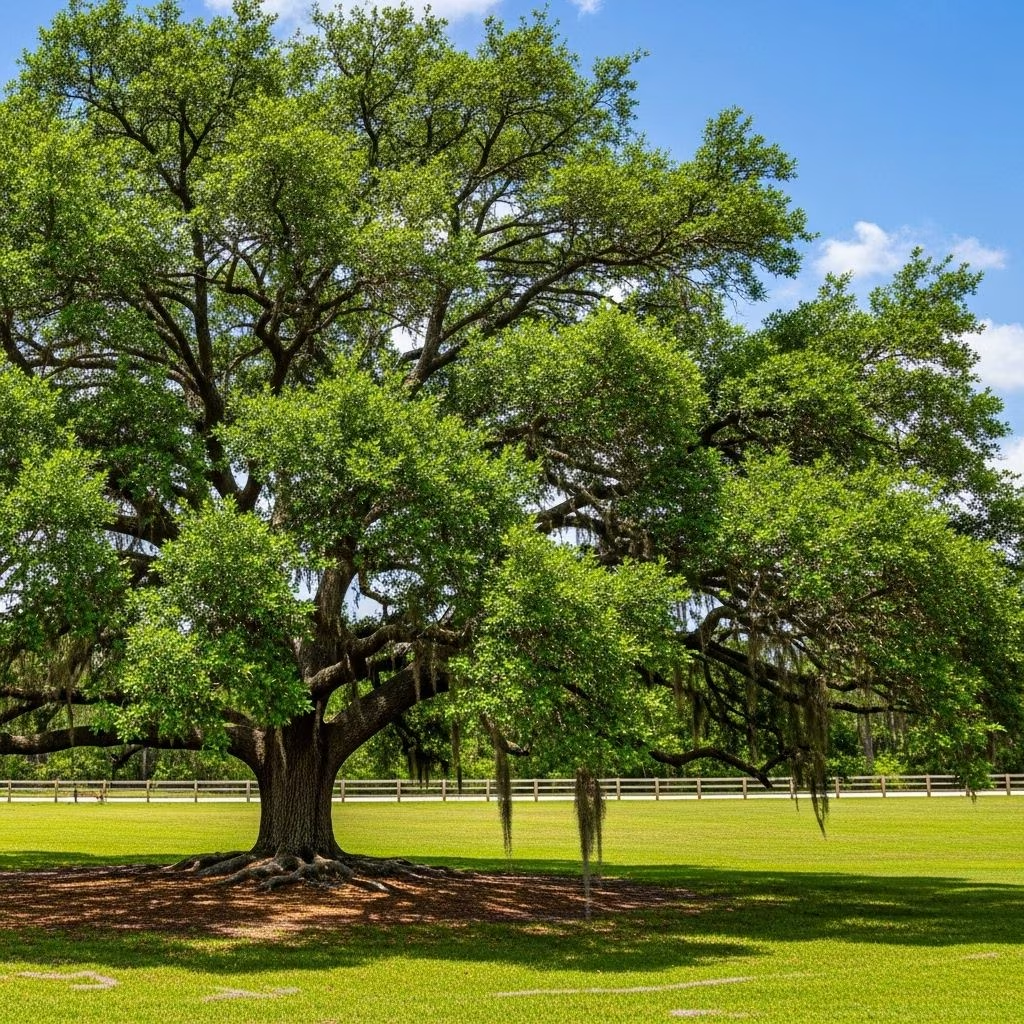
Live oaks are broad-leaved evergreens native to the southeastern United States. Known for their arching, picturesque branches and impressive spread, they play a crucial role in providing shade and wildlife habitat. With proper management, these trees can thrive for centuries, often becoming living landmarks in communities.
Main Attributes of Live Oaks
- Evergreen Foliage: Retain green leaves year-round, with new leaves emerging as old ones drop in spring.
- Massive Canopy: Capable of spreading wider than their height, often up to 80-100 feet.
- Deep, Extensive Root Systems: Offer drought resistance and anchor older trees against storms.
- Longevity: Many live for several centuries with proper care.
Site Selection and Planting
Successful live oak planting begins with selecting the right location and understanding the tree’s environmental needs. This stage sets the foundation for healthy growth and minimizes future problems.
Choosing the Best Location
- Sunlight: Live oaks require at least six hours of direct sunlight daily. Aim for a spot with full sun exposure for robust growth.
- Space: Select a site large enough to accommodate the tree’s vast canopy and root spread, ideally well away from buildings, driveways, and sidewalks.
- Soil: These trees prefer well-drained soil but tolerate a range of pH levels and soil types, from sandy to loamy or clay.
Planting Procedure
- Timing: Plant live oaks during cooler months (fall or early spring) for the best root establishment.
- Digging the Hole: Make the hole twice as wide and slightly shallower than the root ball. This encourages lateral root growth.
- Positioning: Place the tree at the same depth it grew in the nursery container. Avoid planting too deep, which can lead to rot.
- Backfilling: Fill in with native soil; avoid using excess amendments that may discourage root spread.
- Watering: Water thoroughly after planting and apply mulch to retain moisture and regulate temperature.
Essential Care for Live Oaks
Consistent care is crucial to maintain a live oak’s health and resilience. The following practices support strong growth, reduce disease risk, and promote structural integrity.
Watering
- Young Trees: Water deeply once a week for the first few years. This encourages deep roots and stabilizes new plantings.
- Mature Trees: Require less frequent watering, but benefit from deep soaks during extended dry periods.
- Drainage: Ensure the site has good drainage to prevent standing water and root rot.
Mulching
- Apply a 2–4-inch layer of mulch around the base, extending out to the tree’s drip line.
- Keep mulch 6–12 inches away from the trunk to prevent moisture buildup and pest issues.
- Renew mulch annually and check for washing away after heavy rains.
Pruning
- Prune annually for the first three years; remove multiple trunks and branches at narrow angles to develop a strong central leader.
- After the initial years, prune every five years until about age 30, and then as needed to remove dead, diseased, or crossing branches.
- Conduct corrective pruning in late winter or early spring, before new growth appears.
- Always use clean, sharp tools and consult a certified arborist for major work, especially on large or mature specimens.
Fertilization
- Most live oaks thrive without regular fertilization if planted in quality soil. Consider a professional soil test to determine nutrient needs.
- If necessary, apply a balanced slow-release fertilizer in spring to encourage healthy growth.
Protecting Roots
- Avoid digging or construction activities within the “critical root zone”, which often extends as far as the canopy.
- Limit vehicle and foot traffic to prevent soil compaction and root damage.
- Be cautious with lawn chemicals, especially herbicides, as some can be harmful to live oak roots.
Seasonal Care Calendar
| Season | Key Care Activities |
|---|---|
| Spring |
|
| Summer |
|
| Fall |
|
| Winter |
|
Common Problems: Pests and Disease Management
Even healthy live oaks can experience challenges from pests, fungi, or improper maintenance. Early identification and appropriate treatment help keep these issues under control.
Frequent Live Oak Pests
- Scale insects: Often present on stems and undersides of leaves, leading to sooty mold.
- Caterpillars and borers: Can defoliate or tunnel through branches, requiring manual removal or targeted treatments.
- Galls: Swollen leaf or twig areas caused by gall-forming wasps; usually not harmful long-term.
Major Diseases
- Oak Wilt: A fatal, highly contagious fungal disease. Prompt removal of infected trees and roots is critical to halt its spread. Consult professionals if suspected.
- Powdery Mildew and Anthracnose: Fungal infections causing leaf spotting and premature leaf drop. Manage with good air circulation and, in severe cases, fungicides.
Prevention and Treatment
- Regularly inspect trees for signs of distress or infection.
- Remove and destroy infected or infested branches/remove debris from the root zone.
- Apply appropriate pesticides or fungicides only when necessary, and always follow label instructions.
- Consider integrated pest management, using natural predators to keep populations in check.
- Professional assessment is recommended for advanced or recurring problems.
Other Challenges and Solutions
- Root Rot: Ensure soil drainage, do not overwater, and avoid soil compaction.
- Storm Damage: After hurricanes or high winds, inspect for broken branches and structural hazards. Prune and, if necessary, install cables/bracing for stability.
- Spanish Moss: While often harmless, excessive accumulation adds weight and can block sunlight. Remove by hand or with help from a professional arborist if density poses risk.
Types of Live Oaks for Landscaping
While southern live oak (Quercus virginiana) is the best-known, other varieties may suit different landscaping needs:
- Sand Live Oak (Quercus virginiana var. geminata): Grows well in sandy soils and coastal environments, with more upright branches and thick, curled leaves.
- Texas Live Oak (Quercus fusiformis): Slightly smaller and well adapted to drought-prone Western regions.
Benefits of Live Oaks
Carefully managed live oaks offer numerous ecological, aesthetic, and practical advantages:
- Shade: Provide dense, cooling shade for homes and parks.
- Wildlife Habitat: Support hundreds of insect and animal species, including birds and squirrels.
- Storm Resilience: Deep roots and flexible limbs allow mature trees to withstand strong winds.
- Longevity and Legacy: Can define landscapes for generations, enhancing property values and historical continuity.
Pro Tips: Ensuring Longevity of Your Live Oak
- Consult a certified arborist before undertaking major pruning or chemical treatments.
- Regularly clear debris, as decomposing material can harbor pests and diseases.
- Integrate live oaks into sustainable landscape designs, allowing ample space for roots and branches to develop fully.
- Select disease-resistant cultivars when possible for new plantings.
Frequently Asked Questions (FAQs)
Q: How much water does a newly planted live oak tree need?
A: Newly planted live oaks should be watered deeply once a week for the first few years, ensuring that moisture reaches the deeper roots. Adjust frequency according to rainfall and site drainage conditions.
Q: When is the best time to prune a live oak?
A: Late winter or early spring, before new growth begins, is ideal for pruning. Always remove diseased, damaged, or crossing branches and prune to shape the tree for structural integrity.
Q: How do I protect a live oak’s roots during yard work or construction?
A: Avoid digging, trenching, or driving vehicles within the tree’s critical root zone (usually extending out to the drip line). Install fencing or signage to keep activity away from this sensitive area.
Q: What are signs of disease or pest infestation I should look out for?
A: Warning signs include sudden leaf drop, wilting, dieback of branches, cankers or oozing spots on the trunk, visible insect activity, or abnormal galls on leaves and stems. Consult a professional for positive identification and treatment.
Q: Is mulch beneficial for live oaks, and how should it be applied?
A: Yes, mulch helps retain soil moisture, suppresses weeds, and insulates roots from temperature extremes. Use a 2–4 inch layer, keeping it away from the trunk, and renew it annually or after heavy rains.
Conclusion
Live oaks are much more than just trees—they are enduring symbols of strength, history, and natural beauty. By following the best practices outlined above for selection, planting, watering, pruning, and pest management, garden enthusiasts and property owners can ensure that their live oaks remain healthy and resilient for generations to come. Regular care, timely interventions, and an understanding of each tree’s unique needs are the secrets to cultivating these southern treasures.
References
- https://bayoutree.com/services/live-oak-care/
- https://treenewal.com/how-to-care-for-a-live-oak-tree-the-only-guide-you-need/
- https://blogs.ifas.ufl.edu/clayco/2021/05/17/keeping-your-live-oaks-alive/
- https://www.yellowstonelandscape.com/blog/comprehensive-guide-to-live-oak-tree-diseases-identification-prevention-and-treatment
- https://www.lsuagcenter.com/articles/page1694203062832
- https://www.picturethisai.com/care/Quercus_virginiana.html
- https://treenewal.com/complete-all-in-one-tree-care-guide-for-oak-trees/
- https://www.mcclainstreeexperts.com/3-reasons-to-carefully-manage-your-live-oak-trees