Introduction to Redbud Trees
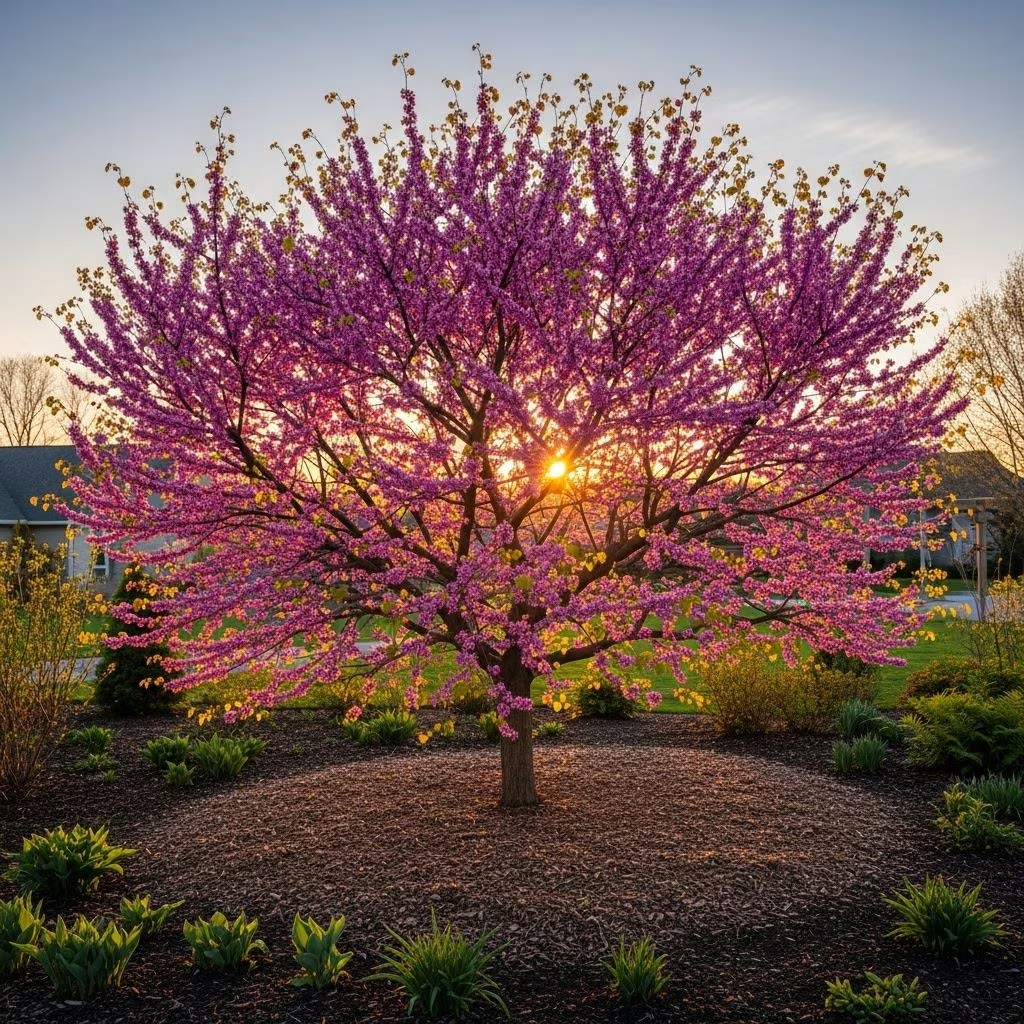
Redbud trees, including the beloved Cercis canadensis (Eastern Redbud), are sought after for their vibrant spring blossoms and attractive heart-shaped foliage. Whether you’re adding one as a focal point to your landscape or seeking a naturalizing understory tree, redbuds offer stunning seasonal interest and a manageable profile for most property sizes.
This comprehensive guide details everything you need to know to successfully grow, manage, and enjoy redbud trees—from species selection and planting techniques to ongoing care, pruning, and troubleshooting health challenges.
Getting to Know Redbud Trees
Redbuds are deciduous, small to medium-sized trees that typically grow 15–30 feet tall. They are prized for their:
- Profuse magenta-pink or purple spring blooms that often appear before the leaves emerge.
- Heart-shaped leaves in various shades, depending on variety.
- Attractive bark and branching structure, providing year-round visual interest.
As natural understory trees, redbuds fit well in both sunlit yards and woodland gardens, where they thrive beneath the canopy of taller species such as maple or oak.
Selecting and Planting Redbud Trees
Choosing the Right Location
- Sunlight: Redbuds flourish in full sun to partial shade. For optimal bloom and growth, aim for at least 6 hours of sunlight daily.
- Shelter: Because of their slightly brittle, lateral branches, select a spot with protection from strong winds to minimize breakage.
- Space: Give redbuds ample room to thrive; avoid crowding them too close to buildings or other trees.
Soil Preparation
- Drainage: Redbud trees do best in well-draining, fertile soils. Heavy clay soils should be amended with organic matter for better structure and drainage.
- pH Tolerance: Redbuds are adaptable but do best in soils that are neutral to slightly acidic.
- Site Prep: Remove rocks, debris, and any compacted soil to encourage strong root development.
Planting Steps
- Dig a hole twice as wide as the root ball and as deep as its height.
- Gently remove the tree from its container and loosen any circling roots to prevent future girdling.
- Place the tree in the hole, ensuring the top of the root ball is level with the surrounding ground.
- Backfill with native soil (amended if necessary), tamp lightly, and water thoroughly to eliminate air pockets.
- Apply 2–3 inches of mulch from the drip line inward, but leave a gap around the trunk to prevent rot.
Early spring is the preferred time for planting, giving the tree a full season to establish its roots before winter.
Popular Varieties of Redbud Trees
| Variety | Distinctive Features |
|---|---|
| Forest Pansy | Striking deep purple foliage that turns bronze-green in summer |
| Ace of Hearts | Compact form, dense rounded shape, and brilliant pink flowers |
| Hearts of Gold | Uniquely golden-yellow new leaves, maturing to lime-green |
| Eastern Redbud | Classic native species with magenta-pink spring blooms |
Research cultivars best suited to your climate and growing conditions before purchasing.
Caring for Redbud Trees: Water, Light, and Soil
Watering
- In the first growing season, water deeply once a week (more during hot, dry weather) to support new root development.
- Mature trees are moderately drought-tolerant but should get supplemental water during extended dry periods, especially if leaves wilt.
- Avoid overwatering to prevent root rot and other diseases.
Sunlight Requirements
- Best flower production and leaf color develops in full sun, but the trees also do well in partial shade.
Soil and Mulch
- While redbuds tolerate a range of soils, they do poorly in waterlogged conditions or areas with standing water.
- Aim for regular additions of organic mulch, keeping it a few inches away from the trunk to avoid rot.
Fertilization
- Redbuds are generally low-maintenance and rarely require additional fertilizer.
- If desired, you can apply a balanced, slow-release fertilizer in early spring, following package instructions.
Pruning Redbud Trees
Proper pruning helps maintain a strong structure, removes diseased wood, and shapes the tree for best appearance and health.
- Timing: Prune after blooming or in late winter before buds break. Avoid late-season cuts, as this may reduce next year’s flowers.
- Young Trees: Focus on removing damaged, diseased, or crossing branches to promote a single strong trunk and balanced crown.
- Mature Trees: Minimal pruning is best. Remove branches with weak V-shaped crotches and those competing with the main leader.
- Avoid heavy pruning as this can weaken the tree and make it prone to disease.
For best results, use sharp, clean pruners and always make cuts just outside the branch collar. Consider professional help for mature or large trees.
Common Diseases and Pests
Diseases
- Cankers: Botryosphaeria canker is especially problematic, causing dieback and girdling branches. No fungicide cures this; prune out affected limbs and keep the tree healthy.
- Leaf spot, blight, verticillium wilt, and powdery mildew can occur in wet or humid conditions.
- Dieback: Sections of the tree may die suddenly due to vascular issues or fungal infections.
Pests
- Aphids, caterpillars, borers, Japanese beetles, and scale can attack redbuds, especially if stressed from drought or injury.
Prevent issues by maintaining strong, healthy trees, avoiding trunk injury, and ensuring good airflow. Most problems are best managed with vigilance, timely pruning, and seldom require chemical intervention.
General Maintenance Tips
- Apply mulch annually to suppress weeds, regulate soil temperature, and conserve moisture.
- Inspect regularly for signs of disease or insect damage—early intervention is key.
- Protect the trunk: Avoid mower and string trimmer wounds, and don’t pile mulch directly against the bark.
- Monitor for dieback or decline as mature redbuds have a relatively short lifespan (15–30 years), especially if stressed.
- Encourage good airflow by spacing properly and pruning for an open canopy.
Special Landscape Uses and Features
- Seasonal Interest: Redbuds are valued for their vivid early spring flowers and changing foliage.
- Wildlife Value: The blooms attract pollinators, and the seeds offer food for songbirds.
- Versatility: Suitable as a specimen tree, in mixed borders, and under large canopies.
With a moderate growth rate and attractive winter form, redbuds are an asset in urban, suburban, or woodland gardens alike.
Dealing with Problems: Troubleshooting Redbud Decline
- Short Lifespan: Redbuds often live 15–30 years. Decline may be sudden due to vascular diseases or cumulative stress. Remove severely declining trees and consider replanting in a different spot.
- Regrowth: Even if the main trunk dies, suckers may sprout from the roots, potentially forming a multi-stemmed shrub.
- If health declines: Consult an arborist for accurate diagnosis before treating; improper action can worsen the problem.
Frequently Asked Questions (FAQs)
Q: How much sun do redbud trees need?
A: Redbuds grow and flower best with at least six hours of direct sunlight daily, but they also tolerate partial shade.
Q: What is the best way to water a newly planted redbud tree?
A: Water deeply at the base once a week during the first growing season. Ensure excess water can drain away to avoid root rot.
Q: When should I prune my redbud tree?
A: Prune after blooms fade in spring or during late winter before buds swell. Remove only dead, damaged, or crossing branches to maintain shape and health.
Q: My redbud has dead branches and is losing vigor. What should I do?
A: Cut back dead wood, check for signs of canker or borers, and consult a certified arborist for a full diagnosis. Improving growing conditions may help prolong tree health.
Q: Are redbud trees toxic to pets or people?
A: Redbuds are not considered toxic, but consuming plant parts may cause mild stomach upset in sensitive humans or animals.
Conclusion
Redbud trees are a treasured choice for adding color, form, and wildlife appeal to any landscape. By selecting the right site, providing consistent care, pruning judiciously, and keeping a watchful eye for disease, you can enjoy the beauty and benefits of redbuds for years to come.
For gardeners willing to invest in their health and structure, redbuds reward with one of nature’s most dazzling spring displays—a true highlight of the garden year.
References
- https://arbormasters.com/everything-you-need-to-know-about-redbud-trees/
- https://www.gardendesign.com/trees/eastern-redbud.html
- https://www.gardeningknowhow.com/ornamental/trees/redbud/caring-for-redbud-trees.htm
- https://www.youtube.com/watch?v=_uKcoRWCuXM
- https://www.gardenia.net/guide/redbud-tree-how-to-grow-and-care
- https://www.masterclass.com/articles/redbud-trees-care-guide