


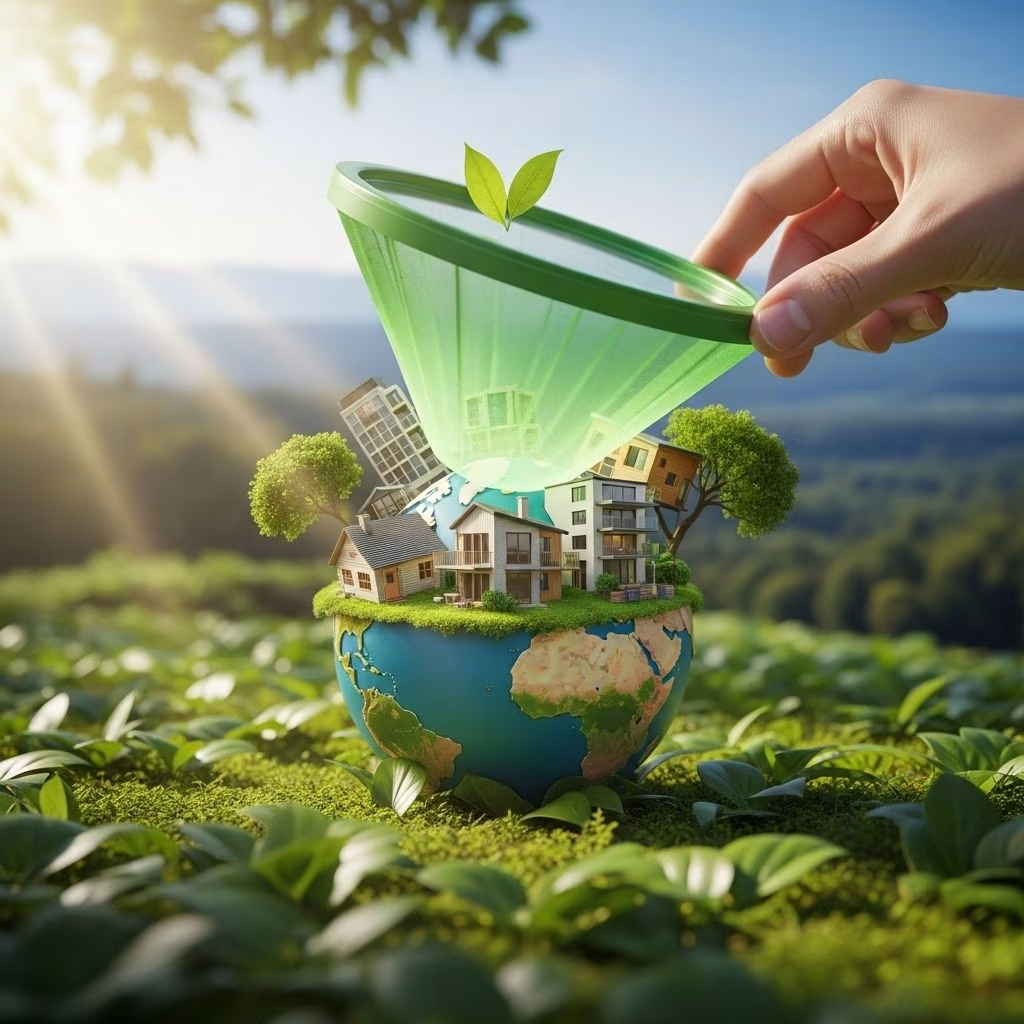
Why Airbnb Needs a Green Filter for Sustainable Stays
The climate crisis and rising environmental awareness have changed travelers’ priorities, making sustainable accommodations a leading criterion for booking lodgings. Yet, even as Airbnb celebrates growth in eco-friendly stays, the process of finding truly sustainable options remains complicated, inconsistent, and sometimes misleading. This article explores why Airbnb should implement a comprehensive green filter, how it could work, and what it means for travelers, hosts, and the future of responsible tourism.
Eco-Friendly Travel: Growing Demand Meets Lingering Frustration
The demand for sustainable travel has expanded rapidly. According to Booking.com’s Sustainable Travel Report 2022, 78% of global travelers now intend to stay in eco-friendly vacation rentals, and platforms like Airbnb have seen a 141% annual increase in stays at eco-friendly homes between 2018 and 2019.
- Environmental awareness is driving consumer choices worldwide.
- More than 364,000 sustainable stays are available on Airbnb.
- The eco-travel trend is reinforced by travelers’ desire to minimize their carbon footprint and support communities with conscious practices.
Despite impressive growth, travelers often struggle to distinguish authentic green stays from listings that simply use buzzwords or lack transparency regarding their environmental impact.
The Trouble with ‘Green’ Listings: Inconsistent, Unverified, and Confusing
Airbnb hosts can tag listings with terms like eco-friendly, sustainable, or green, but there is no standardized filter or official verification process. This lack of regulation creates several problems:
- Unclear Standards: Hosts self-identify their properties as ‘green’ but definitions vary widely.
- Greenwashing: Some listings highlight a single eco feature (such as recycling bins or LED lights) while glossing over practices that may actually harm the environment.
- Search Frustration: Vacationers spend excessive time combing through listings and reviews, often coming up empty-handed or misled.
The result is an ecosystem where travelers must become detectives, scrutinizing photos, reviews, and descriptions to evaluate sustainability—a process neither efficient nor scalable for mainstream travel.
How Airbnb Currently Addresses Sustainability
Airbnb points to increasing numbers of eco-friendly listings and hosts who adopt green practices. Notable progress includes:
- Over 88% of hosts globally incorporate some form of green practice.
- Growth in upcycled spaces—homes built or decorated using recycled materials has increased by 175% over four years.
- Hosts add solar panels, reusable amenities, and improved insulation to reduce carbon footprint.
While Airbnb encourages hosts to mention sustainable features and sometimes highlights them in marketing, there is no universal certification or method for guests to filter by verified sustainable properties.
The Business Case for a Robust Green Filter
Implementing a robust filter for sustainable accommodations is not just environmental good sense—it’s smart business:
- Market Alignment: Most travelers, especially Millennials and Gen Z, now consider environmental impact in booking choices.
- Competitive Advantage: A reliable filter would set Airbnb apart, attracting eco-minded guests and hosts alike.
- Brand Reputation: Transparency and genuine green offerings help build trust and brand loyalty.
- Cost Savings for Hosts: Energy-efficient upgrades, bulk amenities, and waste reduction lower operating costs over time.
Potential Features of an Airbnb Green Filter
For a green filter to serve its purpose, it must provide more than a checkbox. Essential features could include:
- Verified Certifications: Listings could be tagged with third-party sustainability certifications (LEED, Green Key, EcoLabel, etc.) or pass Airbnb’s in-house verification.
- Eco Scorecard: Each listing could display icons or a scoring system for core sustainability practices: energy use, water conservation, waste reduction, use of renewables, local sourcing, and more.
- Transparent Criteria: Filter settings should allow users to prioritize specific eco features, such as plastic-free amenities, solar panels, or native landscaping.
- Community Reviews: Guests could highlight sustainable practices (or greenwashing) in reviews, helping future travelers make informed decisions.
- Educational Content: A sustainability FAQ and host guide could help both guests and hosts understand what green features mean and how to evaluate them.
What Do Travelers Want?
Eco-conscious guests expect more than vague promises. Their wishlists include:
- Effortless search for verified sustainable stays—ideally one-click filtering.
- Clear descriptions of green features, not just marketing speak.
- Options that balance comfort, design, and ecological responsibility.
- Meaningful connection to local culture and environment.
Travelers also want to avoid ‘performative sustainability’—where listings highlight superficial green features but leave a large environmental footprint.
Host Challenges and How Airbnb Can Help
Many hosts aim to make their homes more sustainable, but lack clear guidance or incentives. Common obstacles include:
- Figuring out which upgrades genuinely help the planet and which are negligible.
- Balancing upfront costs of energy-efficient installations (solar, LED, rainwater harvesting) with long-term savings.
- Understanding guest expectations around eco amenities and communicating green efforts effectively.
Airbnb can empower hosts by:
- Providing step-by-step sustainability guides.
- Highlighting host achievements through profiles and rewards.
- Supporting certification programs for property sustainability.
Making Green Work for Everyone: Smart Upgrades and Simple Solutions
- Switching to refillable bulk dispensers for toiletries—cuts waste and operational expenses.
- Using planet-friendly cleaning products and providing composting bins.
- Installing smart thermostats, LED bulbs, and energy-efficient appliances for cost savings and lower emissions.
- Encouraging rainwater harvesting or low-flow water fixtures.
- Decorating with indoor or outdoor plants for improved air quality and guest satisfaction.
Hosts embracing these measures often see higher guest satisfaction and repeat bookings, while appearing on ‘green stay’ lists or filters could further amplify their efforts.
Sustainability Trends: Upcycling, Renovations, and Innovations
Upcycling—reusing and repurposing materials like glass bottles, denim, or reclaimed wood—has become a hallmark of innovative green design in Airbnb listings. Hosts are transforming spaces once destined for landfill into cozy cottages, tiny homes, or stylish urban apartments:
- The increase in upcycled spaces is now at 175% over four years.
- Unique green homes double as travel inspiration and proof that luxury and sustainability can coexist.
Examples include:
- A London loft made from shipping containers and recycled timber.
- A rainforest eco-lodge crafted from local bamboo and upcycled bottles.
- Urban studio apartments refitted with reclaimed furnishings and non-toxic paints.
Why a Green Filter Matters—Impacts on Guests, Hosts, and the Environment
| Stakeholder | Benefit of Green Filter |
|---|---|
| Travelers | Effortless discovery of verified eco-friendly listings. Confidence in environmental contribution. Time saved searching for genuine green features. |
| Hosts | Easier showcase of green upgrades. Rewards for sustainability achievements. Opportunity to attract new market segments and stand out from competitors. |
| Airbnb | Stronger brand reputation. Increased bookings among eco-minded consumers. Leadership position in sustainable travel innovation. |
| Planet | Lower carbon footprint across accommodations. Greater support and protection for communities and biodiversity. |
Practical Steps Airbnb Can Take: From Theory to Action
- Develop a Verified Green Filter: Work with independent sustainability organizations to verify listings.
- Offer Incentives for Hosts: Subsidies, profile boosts, and recognition for meeting green standards.
- Launch Education Drives: Provide training on eco upgrades and the value of sustainability to hosts.
- Track and Report Impact: Regularly release data on environmental metrics of Airbnb stays.
These steps can transform sustainability from a marketing trend into a core operational principle for Airbnb and travel as a whole.
Frequently Asked Questions (FAQs)
Q: How can travelers know if a listing is truly eco-friendly?
A: Currently, travelers must read listing details closely, look for certifications, and check guest reviews. If Airbnb introduces a green filter with verification, this process will be dramatically simplified.
Q: Do eco-friendly upgrades cost more for hosts?
A: Many upgrades, such as LED lighting, refillable toiletries, and low-flow fixtures, reduce operating costs over time. Solar panels and comprehensive renovations have higher upfront costs, but these often pay off through energy savings and increased bookings.
Q: What is ‘greenwashing’ in travel?
A: Greenwashing is when hosts or companies make misleading claims about their environmental practices, highlighting superficial eco features while ignoring unsustainable aspects. Genuine certification and guest reviews can help counter this.
Q: Are eco-friendly Airbnbs more popular with certain age groups?
A: Yes—Millennials and Generation Z are especially interested in sustainability, but demand is growing across all age groups as environmental conscience rises globally.
Q: What can hosts do now to make their Airbnb greener?
A: Install energy-efficient fixtures, reduce single-use plastics, compost, use earth-friendly cleaning products, and transparently share efforts in the listing description. Consider pursuing certifications or independent assessments for greater visibility.
Conclusion: Charting the Path to Greener, Smarter Stays
A real green filter would revolutionize how travelers book sustainable accommodations, helping responsible tourism not just grow, but thrive. By making eco-conscious stays more visible, credible, and convenient, Airbnb can lead the industry into a future where every trip supports the well-being of the planet as much as it delights its guests.
References
- https://news.airbnb.com/check-in-to-the-trend-hosts-sharing-more-upcycled-spaces/
- https://www.revolvio.com/post/airbnb-s-future-plans-in-2025
- https://amenie.com/blog/the-smart-hosts-guide-to-ecofriendly-airbnb-refills-2025-edition/
- https://www.hostaway.com/blog/eco-friendly-airbnb/
- https://ecobnb.com
- https://www.airbnb.com/stays/earth-homes
- https://community.withairbnb.com/t5/Community-cafe/Festival-of-Sustainability-2025-Lineup/td-p/2150199
- https://www.keydatadashboard.com/blog/top-eco-friendly-short-term-rental-destinations


