


Identifying and Preventing Powdery Mildew on Plants
Powdery mildew is one of the most common and visually distinctive fungal diseases affecting a wide spectrum of garden and houseplants. Easily identifiable by its white, flour-like coating, this pathogen can diminish plant health and, if left untreated, hamper plant productivity and aesthetics. Understanding how to recognize, prevent, and manage powdery mildew is essential for maintaining a vibrant, thriving garden.
What Is Powdery Mildew?
Powdery mildew refers to a group of related fungal pathogens from multiple genera, including Erysiphe, Podosphaera, and Oidium, known for generating the distinctive dusty, white appearance on stems, leaves, flowers, and fruit. It afflicts a variety of vegetation—ornamentals, fruits, vegetables, shrubs, and trees—though species of powdery mildew generally have a limited host range and specialize on certain plants.
- Common hosts include roses, lilacs, zinnias, cucumbers, squash, phlox, melons, grapes, peas, apples, and many more ornamentals and crops.
- Each species of powdery mildew is adapted to a narrow group of plants. An infection seen on oak is not likely to spread to impatiens or zinnias, for example.
Symptoms of Powdery Mildew
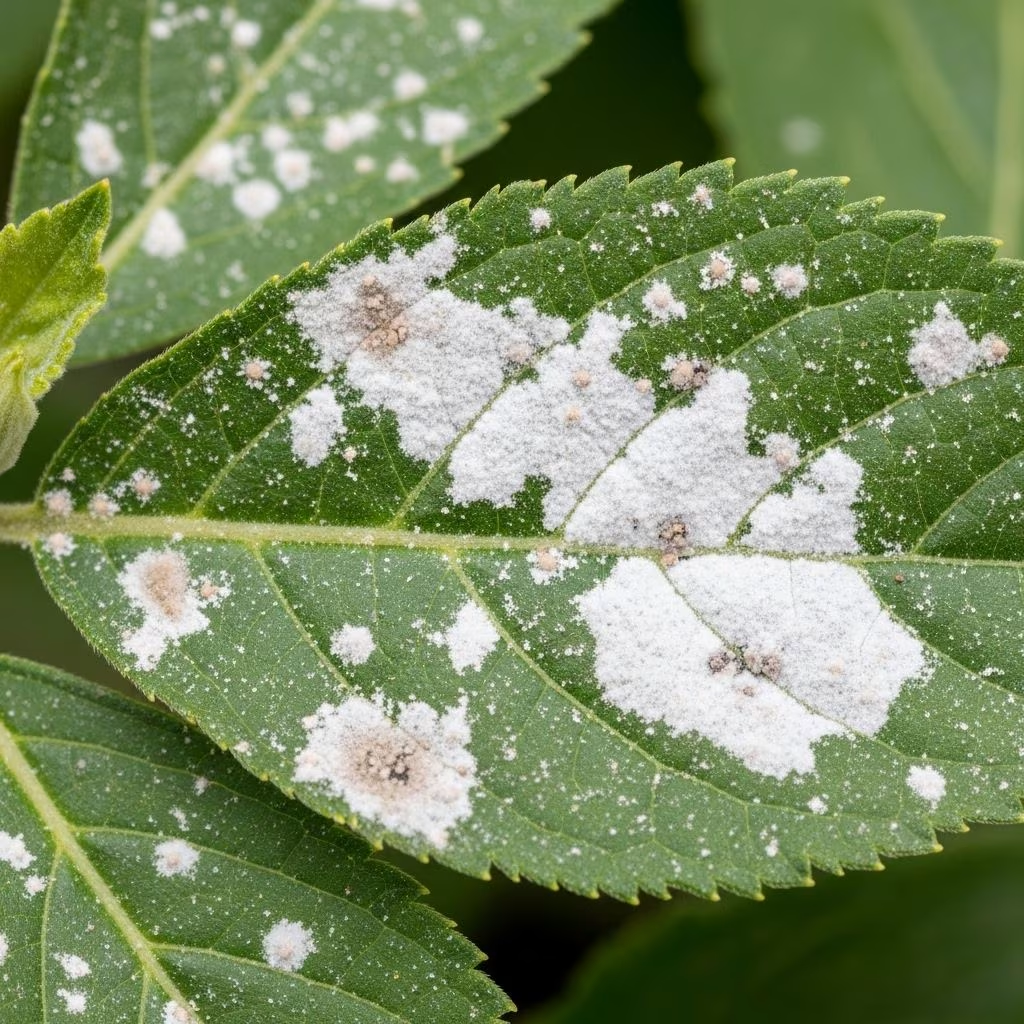
The first sign of powdery mildew infection frequently appears as small white to grayish powdery spots on the upper or lower sides of leaves. As fungal colonies expand, these patches can rapidly cover entire surfaces. In the early stages, damage is often cosmetic, but severe infections can cause a slew of physiological issues:
- White, chalky or dusty patches on leaves, sometimes on stems, flowers, or developing fruit.
- Distorted, curled, or stunted leaves and shoots, especially when new growth is affected.
- Yellowing, browning, or premature leaf drop in severe infestations.
- Scarred, russeted, or otherwise damaged fruits.
- General reduction in plant vigor and productivity.
The white powdery effect is made up of networks of fungal hyphae and masses of spores (conidia). Later in the season, tiny black fruiting bodies (ascocarps) may be visible as specks within the powdery patches.
What Causes Powdery Mildew?
Powdery mildew fungi thrive in warm, dry days and cool, humid nights—conditions commonly encountered in late spring and early summer, as well as in over-crowded gardens or greenhouses. Unlike most fungal pathogens, powdery mildew does not require free water (standing droplets) to germinate; in fact, damp leaf surfaces are not essential and may inhibit spore germination for some species.
- Temperature: Optimal fungal growth typically occurs between 60°F and 80°F (16°C to 27°C).
- Humidity: High humidity at the leaf surface (not in the ambient air) is important for spore germination and infection cycles.
- Shaded environments: Plants grown in shaded, poorly ventilated spots are more susceptible.
- Dense planting: Overcrowded plantings restrict airflow and promote humidity, increasing risk.
- Susceptibility: Vigorous new growth is particularly prone to infection, as are plant varieties lacking resistance.
Powdery mildew overwinters as dormant fungus in buds, fallen debris, or on living tissue, depending on the host species. In spring, it resumes active growth, producing spores that are dispersed by wind, insects, or garden tools to fresh plant surfaces.
Lifecycle of Powdery Mildew
Understanding the lifecycle of powdery mildew fungi is crucial for effective management:
- Overwintering: The fungi survive winter in plant debris, fallen leaves, or within dormant plant buds.
- Primary Infection: In spring, spores or mycelium initiate new infections as plants resume growth.
- Secondary Spread: Once established, the fungi rapidly produce asexual spores (conidia) that disperse by wind to other tissues or plants.
- Repetition: Under optimal conditions, the entire infection cycle can complete in as few as three days, leading to exponential spread throughout the growing season.
Powdery Mildew vs Downy Mildew: Key Differences
| Characteristic | Powdery Mildew | Downy Mildew |
|---|---|---|
| Appearance | White or grayish powder on upper/lower leaf surfaces | Yellow, angular spots on upper leaves with fuzzy, gray growth underneath |
| Preferred Conditions | Warm, dry days; cool, humid nights | Cool, wet conditions and high overall humidity |
| Spread | Wind-blown spores; thrives in crowded, shaded areas | Spreads via water, especially during rainy periods |
| Management | Improved airflow, resistant varieties, fungicides | Remove affected foliage, ensure water doesn’t splash leaves, use specific fungicides |
| Highly Susceptible Plants | Roses, cucurbits, phlox, zinnia | Basil, impatiens, cucurbits, viburnum |
How to Treat Powdery Mildew
Early detection and action are vital for controlling powdery mildew. While rarely fatal, unchecked infections can significantly stress and weaken plants.
Organic and Chemical Control Methods
- Remove Infected Plant Parts: Prune and dispose of severely affected leaves, stems, and flowers. Do not compost diseased plant matter, as spores can survive and re-infect the next season.
- Fungicidal Sprays: Apply fungicides labeled specifically for powdery mildew. Options include organic products (sulfur, neem oil, potassium bicarbonate) and synthetic fungicides (triazoles, strobilurins).
- Homemade Remedies: Weekly applications of diluted milk solution (typically 1 part milk to 9 parts water), baking soda (sodium bicarbonate), or potassium bicarbonate have shown some efficacy, especially in early or minor cases.
- Repeat Applications: Most treatments must be reapplied every 7–10 days throughout the period of high risk to protect new growth.
- Clean Tools: Disinfect pruning shears and gardening equipment after removing diseased material to prevent spread.
Always follow label instructions when applying any fungicide, whether organic or synthetic. Overuse or improper use can harm plants, beneficial microbes, or the environment.
Powdery Mildew Prevention
Prevention is the best defense against powdery mildew. Implement practical gardening practices to reduce the risk of outbreaks:
- Encourage Air Circulation: Space plants adequately and thin dense foliage to allow good airflow around and within plants.
- Choose Sunny Locations: Whenever possible, situate susceptible plants in sunny rather than shaded areas.
- Water Management: Water only at the base of plants in the early morning. Avoid wetting foliage, which can exacerbate other mildews and disease problems.
- Resistant Varieties: Select plant cultivars proven to tolerate or resist powdery mildew, especially for species with known susceptibility.
- Prudent Fertilization: Avoid over-feeding with nitrogen, which encourages lush but vulnerable new growth. Support robust but balanced plant development.
- Remove Debris: Clean up and dispose of fallen leaves and plant debris at season’s end to minimize overwintering sites.
- Monitor Regularly: Inspect plants often during periods of risk, enabling early intervention and minimizing spread.
Long-Term Management Strategies
For gardeners facing annual powdery mildew outbreaks—or those managing large plantings or commercial crops—integrated management offers long-term resilience:
- Diversify Plantings: Mix susceptible and resistant varieties to reduce overall disease pressure.
- Ensure Proper Plant Nutrition: Healthy plants are less prone to severe infection.
- Enhance Garden Hygiene: Keep the garden free from weeds and volunteer plants that can host fungal spores.
- Rotate Crops: Rotate plantings in vegetable gardens to disrupt the fungal lifecycle.
- Consult Local Extension Service: Different powdery mildew species and climates may require specific control approaches.
Frequently Asked Questions (FAQs)
Q: Can powdery mildew kill my plants?
A: Although powdery mildew is rarely fatal, severe or repeated infections can weaken plants, reduce flowering and fruiting, and leave them vulnerable to other stresses.
Q: Can I eat vegetables or fruit with powdery mildew?
A: Mildly affected fruit or vegetables can usually be washed and consumed safely, though flavor or appearance may be compromised. Heavily scarred or badly damaged produce should be discarded.
Q: Does powdery mildew spread to all plants?
A: No. Most powdery mildew fungi have a limited host range and will not infect unrelated plant species.
Q: Are home remedies effective against powdery mildew?
A: Home remedies like baking soda, diluted milk solution, and potassium bicarbonate can help control early-stage infections but may not fully eradicate severe cases.
Q: Should I remove plants that have persistent powdery mildew?
A: If resistant varieties and cultural measures fail, removing badly affected plants may be necessary to limit spread and reduce future outbreaks.
Further Resources and Reading
- For local guidance, contact your cooperative extension or horticultural society.
- Consult regional disease guides for powdery mildew prevention for specific crops.
- Read plant labels for disease resistance ratings when purchasing new plants.
Summary
Powdery mildew is a widespread, frequently encountered problem in gardens and on houseplants. Quick identification, prompt treatment, and thoughtful, preventative garden management can significantly reduce risk and minimize damage. Choose wisely, keep plants healthy, and maintain an eye for early warning signs to enjoy a flourishing, mildew-free landscape.
References
- https://pnwhandbooks.org/plantdisease/pathogen-articles/common/fungi/powdery-mildew-diseases
- https://gardeningsolutions.ifas.ufl.edu/care/pests-and-diseases/diseases/powdery-vs-downy/
- https://www.rhs.org.uk/disease/powdery-mildews
- https://www.gardendesign.com/how-to/powdery-mildew.html
- https://hgic.clemson.edu/factsheet/powdery-mildew/
- https://ipm.ucanr.edu/home-and-landscape/powdery-mildew-on-vegetables/pest-notes/
- https://www.extension.purdue.edu/extmedia/bp/bp-5-w.pdf
- https://en.wikipedia.org/wiki/Powdery_mildew


