


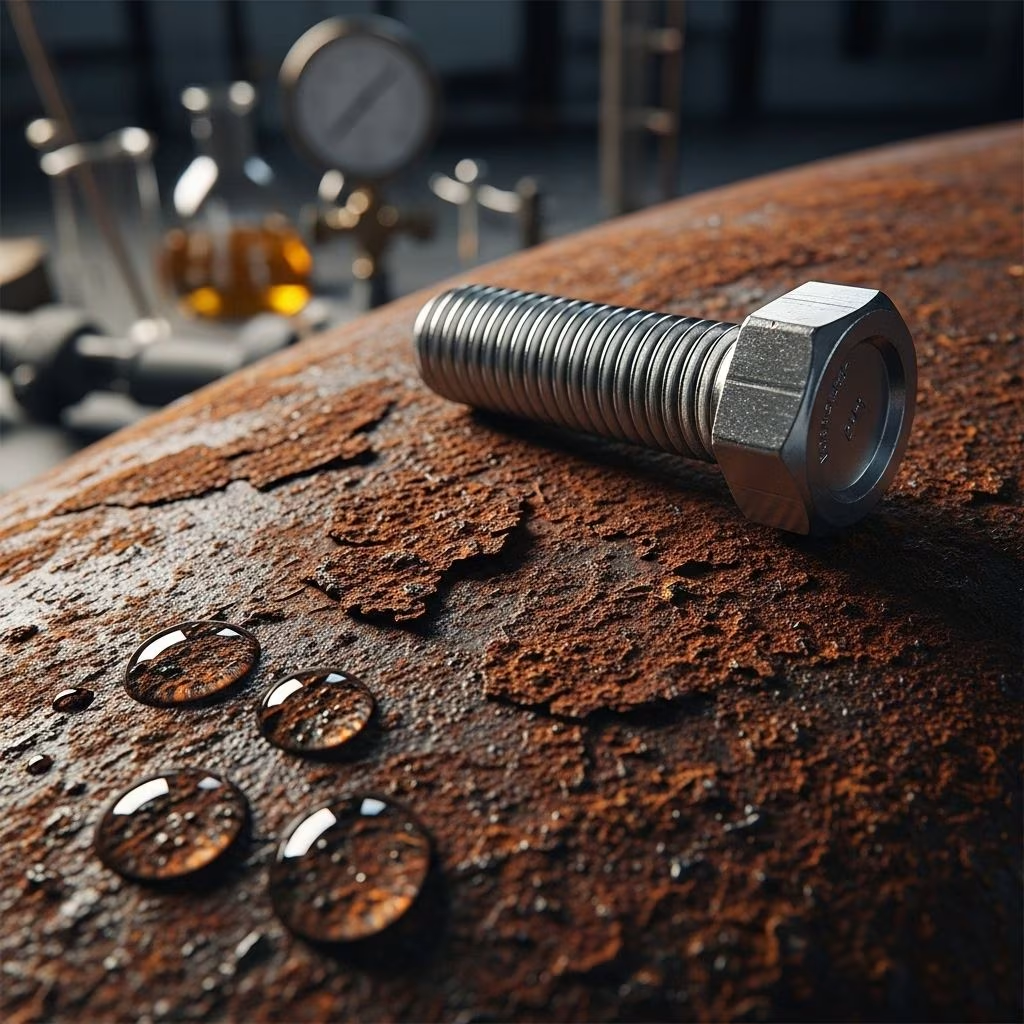
Rust Never Sleeps: Why Rust Is Relentless—And How You Can Stop It
Rust is the tireless enemy of metal—quietly corroding cars, bridges, tools, and household fittings around the clock. Despite being a simple chemical reaction, rust causes billions of dollars in property damage globally each year. Understanding what rust is, why it won’t go away on its own, and which methods can truly halt or prevent it is essential for homeowners, DIYers, and anyone who cares about the longevity of their possessions.
What Exactly Is Rust?
Rust is the common name for iron oxide, a brittle and reddish chemical formed when iron (or alloys containing iron) reacts with oxygen and water. The process is a classic example of corrosion. When exposed to air and moisture, iron atoms lose electrons to oxygen molecules—a process known as oxidation—which gradually eats away at iron-containing objects.
- Formula for rust formation: 4Fe + 3O2 + 6H2O → 4Fe(OH)3 (hydrated iron(III) oxide)
- Rusting only happens to metals containing iron (e.g., steel, wrought iron)
- Other forms of metal corrosion exist, but are chemically different (e.g., aluminum oxide on aluminum)
Rust isn’t just a cosmetic issue—left unchecked, it can weaken structural components, break down machinery, and overall shorten the lifespan of everything from vehicles to railways.
Why Does Rust Never Sleep?
The phrase ‘rust never sleeps’ became popular through Neil Young, and it’s accurate: the corrosion process never takes a break. Whenever iron, water, and oxygen meet, rust begins to form and continues as long as the conditions exist. Rust actually accelerates itself, as the flaky oxide layer can trap moisture and create crevices where fresh iron is exposed to more air and water, leading to ever-deeper corrosion.
- Continuous threat: Rust starts as soon as protective coatings wear off or moisture gets access to bare metal.
- Self-propagating: The rough, porous nature of rust traps further moisture, hastening the process.
- No natural stop: Unlike some corrosion reactions that form protective layers (e.g., patina on copper), rust keeps eating until the iron is gone.
Which Materials Are Most At Risk?
Items especially susceptible to rust include:
- Cars, trucks, and bikes (especially in places with road salt or wet climate)
- Outdoor fixtures and furniture (fences, gates, railings)
- Household tools (hammers, screwdrivers, lawnmower blades)
- Structural steel (in bridges, buildings, towers)
Stainless steel and certain alloys are less prone to rust, but even ‘rust-resistant’ metals can corrode under the right (or wrong) circumstances.
Why Should You Care About Rust?
Rust isn’t just about unsightly stains or ruined paintwork. If neglected, it can lead to severe, even catastrophic consequences:
- Structural failure: Rust can weaken beams, rebar, and fasteners in bridges, vehicles, and homes, sometimes leading to sudden collapse.
- Costly repairs: Addressing rust damage often involves replacing major components, repainting, or rebuilding machinery—far costlier than preventative care.
- Safety risks: A rusted brake line, support, or ladder can break when you least expect it, causing injuries or property damage.
How Can You Prevent Rust from Starting?
While rust never stops on its own, you can take several proactive steps to prevent it from ever starting or to slow its progress greatly. Here are effective strategies for corrosion prevention:
1. Keep Metal Surfaces Clean and Dry
Since water is essential for the rusting process, limiting exposure is the simplest way to defend against corrosion.
- Wipe down tools after use, especially if they’ve been exposed to moisture.
- Store metals in dry areas—avoid damp basements, garages, and sheds.
- Promptly dry wet vehicles, garden equipment, or any yard fixtures after rain.
2. Use Protective Coatings and Paints
Barrier coatings are a frontline defense against rust by physically shutting out air and water.
- Apply oil-based paints, primers, or special anti-rust coatings to all iron and steel surfaces.
- Touch up nicks and scratches in paint, which can become rust entry points.
- Use clear sprays, waxes, or grease for tools or undercarriages not suitable for painting.
3. Choose Rust-Resistant Alloys When Possible
Replace heavily exposed metal fixtures with more rust-resistant alternatives:
- Stainless steel (contains chromium, forms a passive oxide layer and resists rust)
- Galvanized steel (coated in a layer of zinc, which sacrifices itself to protect iron)
- Aluminum, brass, or plastic where structural strength is not critical
4. Apply Rust Inhibitors and Sacrificial Anodes
- Commercial rust inhibitors create a molecular-level barrier on exposed metals.
- Sacrificial anodes (e.g., zinc blocks in water heaters, boats) corrode instead of the iron, sparing vital parts.
5. Improve Drainage and Reduce Traps
Eliminate places where water can collect on or around metal surfaces. For example:
- Ensure gutters and downspouts direct water away from foundations or supports.
- Drill drainage holes in hollow rails or posts so water escapes rather than pooling.
- Keep outdoor furniture tilted so rainwater runs off quickly.
How to Stop Existing Rust: Removal and Restoration
If rust has already taken hold, all is not lost. Here’s how you can remove existing corrosion and restore your metal possessions:
Manual and Chemical Removal Methods
- Scrubbing: Wire brushes or sandpaper can remove surface rust, especially on tools and frames.
- Chemical removers: Commercial rust removers use phosphoric acid or oxalic acid to convert or dissolve rust. Always follow safety instructions.
- Homemade remedies: Vinegar and baking soda baths can loosen small rust patches (though not as aggressive as commercial products).
Convert and Stabilize Remaining Rust
- Rust converters turn iron oxide into a stable compound that can be painted over, stopping progression beneath coatings.
- Phosphoric acid-based convertors are readily available at hardware stores and are ideal for treating tricky frames and fences.
Prime, Paint, Protect
- After removing or converting rust, apply a primer designed for metal, followed by a suitable paint or protective topcoat.
- Ensure you completely cover all affected areas—exposed patches rapidly re-rust.
- Schedule regular inspections and touch-ups to keep rust from returning.
Common Rust-Prone Items and How to Handle Them
| Item | Where Rusts | Recommended Protection |
|---|---|---|
| Cars/trucks | Undercarriage, wheel wells, door edges | Regular wash, wax, anti-rust spray, touch-up paint |
| Garden tools | Blades, hinges, handles | Dry storage, oil blades, clean after use |
| Outdoor furniture | Leg bases, joints | Powder coating, cover during wet weather |
| Fences/gates | Screws, welds, posts at soil entry | Oil paint, galvanizing, seal ground line |
| Appliances | Base, water-line connections | Seal leaks, dry area, paint scratches |
The Special Case: Rust in Cars
Vehicles are particularly vulnerable to rust due to regular exposure to moisture, road salt, and temperature extremes. Here’s how to keep rust at bay on your car:
- Wash your vehicle regularly, especially after exposure to salt (e.g., winter roads or coastal regions).
- Check for bubbling paint, especially near wheel wells and undercarriage—these are early signs of rust lurking beneath.
- Wax your car to create a water-shedding barrier.
- Inspect drainage points and keep them unclogged to prevent water pooling inside doors or trunk.
- Consider undercoating or rustproofing treatments for added protection.
When Is It Too Late to Fix Rust?
If metal is deeply pitted, flaking, or has lost structural strength, simple fixes won’t suffice—you may need to:
- Cut out and replace affected sections, especially in structural parts (i.e., car frames, support beams)
- Consult a professional if the item carries significant load or safety risk
- Dispose of items beyond repair responsibly (many scrap metal yards recycle corroded steel)
What About Rust in Unusual Places?
Rust can turn up in surprising spots:
- Inside bathroom fixtures (especially if enamel has cracked)
- On electronics inside garages or sheds (condensation exposure)
- On metal showing through chipped paint on household appliances
The answer is almost always a combination of prompt cleaning, sealing, and drying, plus repairs if surfaces are breached.
FAQs: Rust and Corrosion—Answered
Q: Is rust dangerous to your health?
A: Rust isn’t poisonous by itself, but sharp rusty surfaces can cause tetanus if you’re injured. Always clean wounds from rusty objects and seek medical advice.
Q: Can rust ever be fully stopped once started?
A: You can halt rust’s progress with removal, conversion, and coatings, but vigilance is needed as new scratches or chips will restart the process.
Q: Does stainless steel rust?
A: Stainless steel is much less likely to rust due to its chromium content, but it can corrode in the presence of salt or acid, especially if not cared for.
Q: Are there environmentally friendly rust removers?
A: Yes, certain natural acids like vinegar and citric acid can dissolve moderate rust safely, though they may require more effort than commercial products.
Q: Why do some metals develop a green or white layer rather than rust?
A: Metals like copper and aluminum develop other forms of corrosion (patina or alumina), which are different from rust in chemical structure and appearance.
Never Ignore the Signs: Take Action Against Rust
Rust is a silent but powerful destroyer, but it can be beaten—or at least held off—for years with the right preventive strategies. The price of ignoring rust is always greater than the effort of stopping it early. With these practical tips, you can take charge of the fight against corrosion and keep your metal possessions in use for generations to come.


