


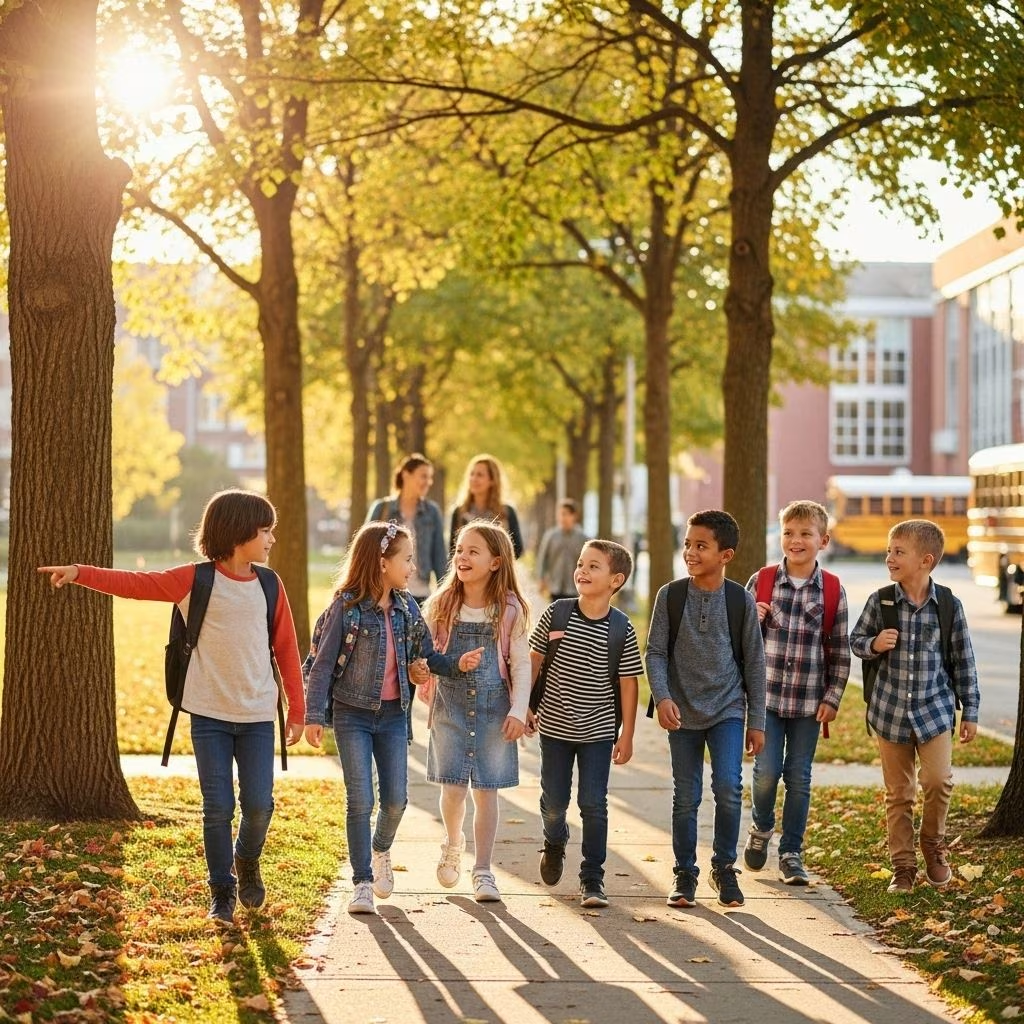
Why Parents Should Encourage Their Kids to Walk to School
Walking to school is a simple act with profound benefits—for children, families, and communities. Despite its apparent simplicity, the daily walk can literally change lives: nurturing independence, physical health, environmental awareness, and stronger neighborhoods. Yet, in many communities, walking to school has become rare, replaced by car drop-offs motivated by safety fears and convenience. This article explores why every parent should reconsider this trend and actively encourage their children to walk, and offers guidance for making this practice safe, practical, and enjoyable.
The Decline of Walking to School
In recent decades, the number of children walking or biking to school has decreased sharply. According to national travel surveys, less than 11% of students in the United States walk or bike to or from school, and the rate has remained stagnant for over a decade. Parents often cite traffic and safety concerns, shifting the school commute from sidewalks to car seats. This change has had ripple effects on children’s physical activity levels, independence, and community life.
Health Perks: Why Walking Matters for Children
- Physical Activity: Regular walking helps children achieve the recommended daily amount of physical activity, directly supporting healthy growth and cardiovascular health.
- Mental Well-being: Studies show that children who walk to school experience reduced stress and improved cognitive and motor functioning.
- Lasting Habits: Kids who walk or bike to school early in life are more likely to continue these active habits as they age, building a lifelong foundation for health.
Walking isn’t just exercise—it’s a holistic experience that helps children develop responsibility and independence. Exposure to nature on the walk can reduce stress, relieve ADHD symptoms, and enhance creativity.
Building Independence and Confidence
One of the greatest gifts parents can give their children is a sense of autonomy. By letting kids walk to school, even with guidance or in small groups, parents foster independence, trust, and problem-solving skills. Children learn to navigate their environment, make decisions, and recognize the value of responsibility. This is particularly true when children are allowed to walk unsupervised, though the readiness for this step depends on individual maturity and judgment.
- Walking enables children to gain a sense of responsibility and independence.
- Children interact with peers, develop social skills, and learn cooperation on the journey.
- Managing safety, crossing streets, and following regulations nurtures self-confidence and situational awareness.
Environmental and Community Benefits
- Reducing Emissions: Fewer cars mean lower greenhouse gas emissions and less air pollution near schools.
- Safer, Calmer Streets: Walking reduces traffic congestion, making school zones safer for everyone.
- Stronger Community Bonds: Walking encourages interactions between children, parents, and neighbors, building a sense of community.
When children walk, they connect more deeply with their surroundings and develop a lifelong appreciation for their communities and the environment. Walkable neighborhoods become more vibrant, safe, and equitable.
Addressing Safety Concerns
Many parents worry about letting children walk, especially due to traffic dangers, stranger anxiety, and neighborhood design flaws. However, evidence shows that communities can create safer walking environments with thoughtful urban planning and parental involvement:
- Improved infrastructure, such as sidewalks, crosswalks, and traffic-calming measures, greatly increase safety for young pedestrians.
- Walking School Buses: Groups of students walking together, chaperoned by volunteers, can ensure safety and foster social bonds.
- Remote Drop-offs: Parents can drop children a block or two from school so they walk part of the way.
- Judgment-Based Readiness: Like Oregon, some regions encourage parental judgment rather than arbitrary age limits, focusing on children’s maturity and ability to follow rules.
School districts and communities can collaborate to prioritize pedestrian safety, especially in underserved areas, to ensure that all children, regardless of background, can walk to school safely.
Equity and Access Challenges
- Low-Income Neighborhoods: Children from disadvantaged areas walk more often, yet face greater risks due to poor infrastructure and higher traffic volumes.
- Disability Barriers: Most students with physical disabilities encounter obstacles that limit their ability to walk or roll to school comfortably.
- Racial Disparities: Black, Hispanic, and American Indian/Alaska Native children experience higher rates of pedestrian deaths than White children. Prioritizing infrastructure improvements and safe routes can address these inequities.
Efforts to make walking safe and accessible for all must focus on infrastructure and programming, addressing disparities and ensuring that marginalized communities receive resources and support.
Safe Routes to School: Empowering Active Commutes
Programs such as Safe Routes to School (SRTS) unite stakeholders—parents, school officials, public health experts, and transportation planners—to encourage and enable children to travel actively and safely. These initiatives include:
- Developing and maintaining safe pedestrian and bicycle infrastructure
- Organizing walking school buses and bike trains
- Educational campaigns on pedestrian safety and benefits
Since 2016, tens of thousands of schools have benefitted from federal and local investments in safe infrastructure and programming. Communities with strong SRTS programs report increased walking rates and improved safety records.
Urban Planning: Making Neighborhoods Walkable
Urban design is pivotal in making walking to school a viable option. Features that encourage walking include:
- Lined trees, dedicated green spaces, and traffic-free walking areas
- Continuous, well-kept sidewalks free from obstructions
- Clear crosswalks, traffic signals, and lowered speed limits near school zones
For example, initiatives like New York City’s High Line—a car-free, green walkway—demonstrate how effective planning can transform community spaces and popularize active transportation.
Parental Judgment: Readiness Over Age
Contrary to some states with strict age limits for unsupervised walking, Oregon offers guidelines that empower parents to decide based on their child’s maturity. Key criteria for determining readiness include:
- Attention span and ability to stay alert
- Capacity to remember and consistently follow rules
- Decision-making skills and awareness of potential dangers
- Comfort and confidence being alone
This nuanced approach supports both free-range parenting and the specific needs of each family, reinforcing that parents know their children best.
| Benefit | How Walking to School Contributes |
|---|---|
| Physical Health | Builds cardiovascular and muscular strength, helps maintain healthy weight |
| Mental Wellness | Reduces stress, improves focus and mood |
| Independence | Teaches responsibility, fosters self-confidence |
| Social Skills | Encourages interaction with peers, parents, and neighbors |
| Environmental Impact | Reduces pollution and traffic congestion near schools |
Practical Tips for Parents
- Start slow: Walk with your child a few times before letting them go solo or with friends.
- Form groups: Join with other parents to organize walking school buses.
- Map safe routes: Identify streets with sidewalks, crosswalks, and low traffic.
- Practice safety skills: Teach key road rules, such as how to cross streets and respond to emergencies.
- Advocate: Work with local schools and municipalities to improve pedestrian infrastructure.
Frequently Asked Questions (FAQs)
Is it safe for my child to walk to school alone?
Safety depends on several factors: your child’s age, maturity, the route, and community infrastructure. Walking with groups or using walking school buses, and choosing well-designed routes, enhance safety. Parental judgment is key—consider your child’s attention, rule-following, and confidence.
At what age can children walk to school without supervision?
There’s no universal age. Some states have guidelines or laws, but others, like Oregon, advocate for individualized parental assessment. Consider your child’s maturity and readiness as primary criteria.
What can communities do to make walking to school safer?
Invest in pedestrian infrastructure, lower speed limits, maintain safe crossings, and organize community walking programs. Work with schools, city officials, and advocacy organizations to prioritize walkable neighborhoods.
Does walking to school improve academic performance?
While results vary, many studies find that children who walk to school have improved concentration, reduced stress, and better overall mood, which support academic achievement.
What if my child has a disability?
Children with disabilities may face additional barriers, but programs should strive to include accessible routes and assistive support, ensuring all children can benefit from active transportation.
Success Stories: Real-World Impact
- New Jersey Study: In several low-income cities, researchers found that children who started walking to school early maintained the habit as they grew older and reaped lasting health benefits.
- Safe Routes to School: Federal funding and advocacy have improved walking safety at thousands of schools nationwide, showing measurable increases in walking rates and reductions in traffic injuries.
Join the Movement: Steps for Change
Parents don’t need to wait for sweeping policy reforms to encourage walking. By starting with their own families and communities, they can:
- Support walkable infrastructure projects at the local level
- Participate in or start walking school buses
- Advocate for Safe Routes programs with school and local officials
- Connect with other parents and neighbors to build a culture of active commuting
- Model healthy behaviors by walking whenever feasible
Conclusion: Reclaiming the Walk to School
The walk to school is more than a commute—it’s a chance to shape lifelong habits, health, and values. When parents encourage their children to walk, they invest in physical health, environmental stewardship, personal growth, and community vitality. It’s time for grown-ups to get moving and let kids reclaim this fundamental childhood experience.
References
- https://www.freethink.com/transportation/walking-to-school
- https://www.walkbiketoschool.org/wp-content/uploads/2023/01/Trends-and-Research-Oct22.pdf
- https://www.scarymommy.com/oregon-dot-kids-walk-to-school-alone
- https://grist.org/article/2010-09-20-if-we-want-to-get-kids-walking-to-school-grown-ups-have-to-do-so/


