


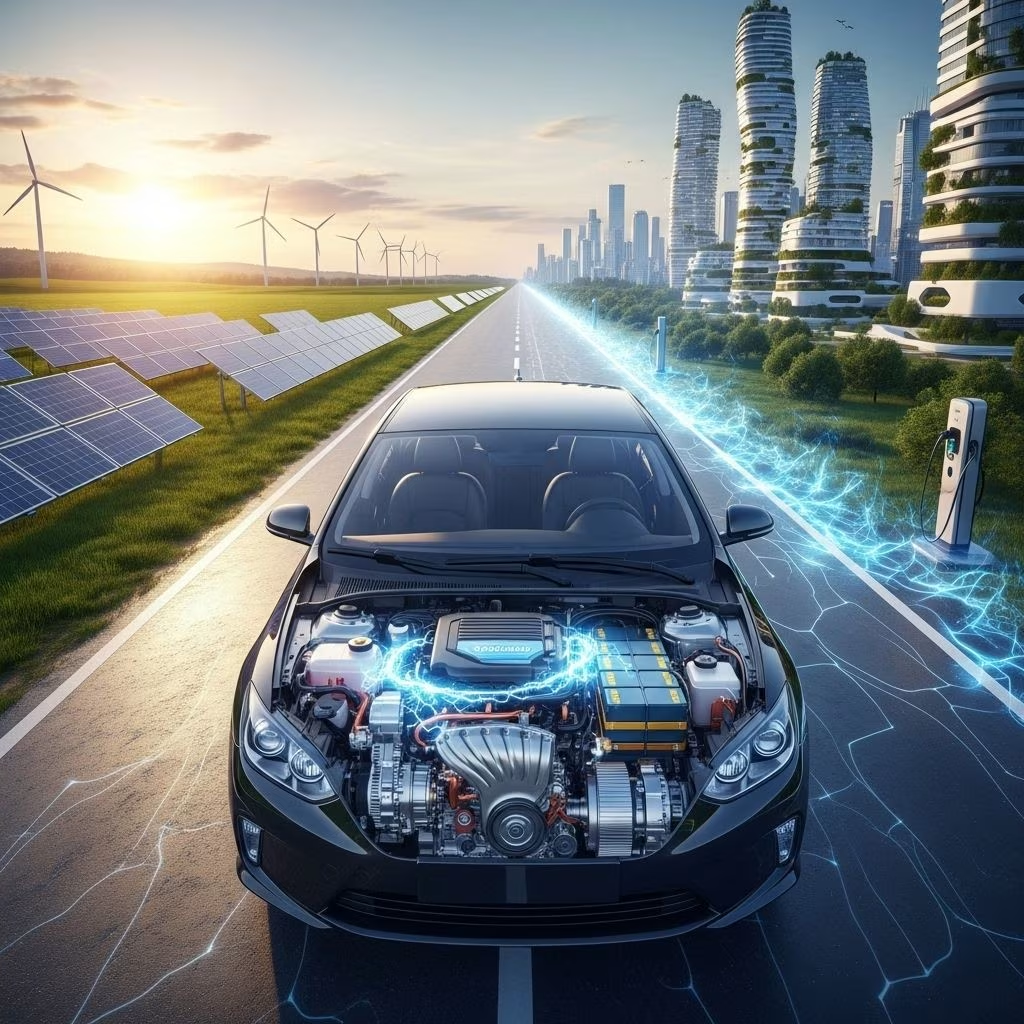
Fun and Surprising Facts About Hybrid Cars
Hybrid cars have changed the landscape of modern transportation, blending fuel efficiency with innovative technologies. While their rise is often associated with environmental movements and recent technological booms, the story of hybrid cars is rich, complex, and full of unexpected twists. This article delves deep into what makes hybrid cars unique, debunks common myths, and uncovers their evolving role in our world.
What Is a Hybrid Car?
At its core, a hybrid car is a vehicle powered by two or more different energy sources. The most common configuration combines an internal combustion engine (usually gasoline) with one or more electric motors. By efficiently blending these power sources, hybrids achieve impressive fuel economy, reduced emissions, and performance benefits that surprise many drivers.
- Parallel Hybrid: Both the engine and electric motor can directly drive the wheels.
- Series Hybrid: The electric motor drives the wheels, and the engine serves mainly to recharge the batteries.
- Plug-in Hybrid (PHEV): Can be charged from an electrical outlet for additional electric-only range.
- Mild Hybrid: Uses a smaller electric motor for start-stop operation or power assist.
- Hydraulic and Alternative Hybrids: Some prototypes use hydraulic fluid systems instead of batteries and motors.
Origins: Hybrids Are Older Than You Think
Many assume hybrids are a modern invention, but their roots trace back much further. Here are some key milestones:
- 1899: Ferdinand Porsche built the first functional hybrid car, known as the Lohner-Porsche Mixte, long before gasoline cars dominated the roads.
- Early 20th Century: Several inventors dabbled with hybrid designs, but lack of efficient batteries and low gas prices sidelined their efforts for decades.
- Late 1990s: Mainstream hybrid cars returned with the Toyota Prius in Japan (1997) and internationally (2000), igniting the modern hybrid revolution.
How Hybrid Cars Work: The Key Innovations
Hybrid cars stand out due to several innovations that optimize energy use and driving experience:
- Regenerative Braking: Converts kinetic energy from braking into electrical energy, recharging the battery instead of wasting energy as heat.
- Automatic Start-Stop: The engine turns off when the car stops (e.g., at traffic lights) and instantly restarts for seamless driving, reducing idling emissions.
- Diverse Power Modes: Hybrids can prioritize gasoline, electric, or combined power based on speed, acceleration, or driver demand.
- High Voltage Batteries: Modern hybrids rely on advanced nickel-metal hydride or lithium-ion batteries for energy storage, balancing power and weight.
Why Hybrids Matter: Environmental and Economic Benefits
When it comes to environmental impact, hybrids offer significant advantages over conventional vehicles. Here are a few compelling reasons drivers are making the switch:
- Fuel Efficiency: Many hybrids achieve more than 50 miles per gallon (mpg), dramatically lowering fuel costs for drivers who travel often.
- Lower Emissions: Reduced fuel combustion means significantly less air pollution and lower greenhouse gas emissions.
- Reduced Dependency on Fossil Fuels: By using electric power for low-speed or city driving, hybrids help decrease oil consumption.
- Longevity and Maintenance: With regenerative braking and reduced engine use, hybrid vehicles often experience less wear and tear on certain components.
Common Myths About Hybrid Cars
Despite their growing popularity, hybrid cars still face persistent myths and misconceptions. Let’s clarify some of the most common ones:
- Myth: Hybrids Are Underpowered
While early models prioritized efficiency over speed, today’s hybrids—like the Toyota RAV4 Hybrid or Ford Escape Hybrid—offer robust acceleration and competitive horsepower. - Myth: Hybrid Batteries Need Frequent Replacement
Battery technology has improved dramatically. Most modern hybrid batteries last as long as the vehicle’s typical lifespan, with warranties often extending 8–10 years or more. - Myth: Hybrids Are Only for Environmentalists
Hybrid technology has evolved well beyond the ‘tree-hugger’ stereotype. Automakers now market hybrids for their performance, luxury features, and driving range, not just eco-friendliness. - Myth: Hybrids Are Always More Expensive
The initial cost is sometimes higher than traditional vehicles, but tax incentives, lower fuel costs, and higher resale values often offset the difference.
The Changing Image of Hybrid Cars
The perception of hybrid cars has shifted dramatically over the years. Once viewed as strictly practical or environmentally conscious vehicles, hybrids are now engineered to appeal to a much broader array of consumers. Automakers have invested in making hybrids:
- Sporty and Stylish: Many new models feature aggressive styling, performance-oriented suspensions, and high-end interior finishes.
- Larger and More Versatile: SUVs and crossovers are now available as hybrids (e.g., Honda CR-V Hybrid, Toyota Highlander Hybrid).
- Focused on Performance: Hybrid systems can boost power and torque, making them suitable even for luxury sedans and performance cars (e.g., Mercedes-Benz EQ-Boost, Lexus GS450h).
- Long-Range Capable: Some hybrids boast driving ranges of 400–600 miles on a single tank, appealing to long-distance travelers and road trippers.
Types of Hybrid Cars
| Type | How It Works | Examples |
|---|---|---|
| Parallel Hybrid | Gas engine & electric motor both can propel vehicle. | Toyota Prius, Honda Insight, Hyundai Ioniq |
| Series Hybrid | Gas engine generates electricity; electric motor powers wheels. | BMW i3 (Range Extender), Fisker Karma |
| Plug-In Hybrid (PHEV) | Recharge battery via wall socket for longer electric range. | Chevrolet Volt, Toyota Prius Prime, Ford Fusion Energi |
| Mild Hybrid | Small motor provides assist; car can’t drive on electric alone. | Honda Accord Hybrid, Mercedes S400, various GM models |
| Hydraulic Hybrid | Uses hydraulic pressure storage instead of batteries. | Some prototype delivery trucks, EPA research vehicles |
Hybrid vs. Electric Cars
While both hybrid and electric vehicles are designed to reduce reliance on fossil fuels, they differ in their approaches:
- Hybrid: Combines a gasoline engine with an electric motor. Can operate on either, or both, depending on driving needs.
- Electric (EV): Powered solely by electricity stored in batteries, offering zero tailpipe emissions but limited driving range unless recharged.
- Plug-in Hybrids (PHEVs): Bridge the gap with more electric-only range, plus a gasoline engine for longer trips.
Cutting-Edge Developments and Future Trends
Technology in hybrid vehicles is moving fast, with several promising trends shaping the next generation:
- Lighter Materials: Use of aluminum, carbon fiber, and advanced plastics to reduce weight and improve efficiency.
- Further Battery Advances: Ongoing progress in battery chemistry promises more energy storage, longer life, and faster charging.
- Hydrogen Hybrids: Some experimental hybrids use hydrogen fuel cells to generate onboard electricity for even cleaner operation.
- Integrated Connectivity: Many hybrids now come with advanced telematics, driver-assist features, and app-based controls for monitoring efficiency and charging.
- Expanded Market: Automakers are electrifying their most popular models—SUVs, trucks, and family vehicles—so that hybrids are part of every segment.
Hybrid Sustainability: Beyond the Tailpipe
Hybrids don’t just help cut emissions on the road. Their design has ripple effects throughout the production and end-of-life cycle:
- Battery Recycling Programs: Most manufacturers have initiatives to reclaim valuable metals and responsibly recycle spent batteries.
- Sourcing Materials: Sustainable material sourcing for batteries and interiors is now a focus for eco-conscious buyers.
- End-of-Life: Hybrid components are being designed for disassembly and recycling to minimize landfill waste.
The Market Impact of Hybrids
The demand for hybrid vehicles continues to rise globally, driven by both regulatory pressures and consumer demand. Key trends include:
- Affordable Options: Prices have been dropping, making hybrids accessible to a wide range of buyers.
- Incentives: Many countries offer tax credits or rebates for buying hybrid or plug-in hybrid vehicles.
- Growing Choices: From compact cars to full-size SUVs and even sports cars, there’s a hybrid for nearly every taste and need.
Frequently Asked Questions (FAQs)
Are hybrids expensive to maintain?
Hybrid cars are no more expensive to maintain than conventional cars. In some cases, they may require less brake maintenance due to regenerative braking. Battery replacement is rare and often covered under warranty.
Do I need to plug in a hybrid car?
Standard hybrids do not require plugging in. Plug-in hybrids (PHEVs) can be charged from a regular outlet to increase electric driving range, but it’s optional; the gasoline engine ensures you’ll never be stranded.
How long do hybrid batteries last?
Hybrid batteries are engineered to last at least 100,000 to 150,000 miles, with many lasting the lifetime of the vehicle. Most manufacturers include generous warranties (8–10 years) on hybrid components.
Are hybrid cars safe?
Yes. Hybrids are built to the same rigorous safety standards as all other vehicles and often receive high safety ratings. Their additional weight (from batteries) can even contribute to improved crash safety in some cases.
Can hybrids drive in electric mode only?
Most modern hybrids can operate at low speeds (city driving or traffic) using only electric power. Some plug-in hybrids can travel 20–40 miles or more on electricity alone before switching to gas.
Conclusion
Hybrid cars occupy a unique space in automotive history and modern technology. Not only do they provide practical solutions for reducing emissions and conserving fuel, but their evolving designs and diverse capabilities continue to shatter stereotypes and appeal to a wide audience. As battery technologies improve and sustainability efforts grow, hybrids promise to play an even greater role in the global push toward greener transportation.
References
- https://en.wikipedia.org/wiki/Hybrid_vehicle
- https://www.axios.com/2019/10/11/gas-electric-hybrids-image
- https://www.greencarreports.com/news/1091625_tree-huggers-dont-buy-luxury-cars-says-cadillac-exec-on-electric-cars
- https://learn.eartheasy.com/guides/hybrid-car-outlook-and-other-future-technologies/
- https://www.greencars.com/greencars-101-topics/hybrids
- https://www.greencars.com/greencars-101/benefits-of-plug-in-hybrid-cars


