


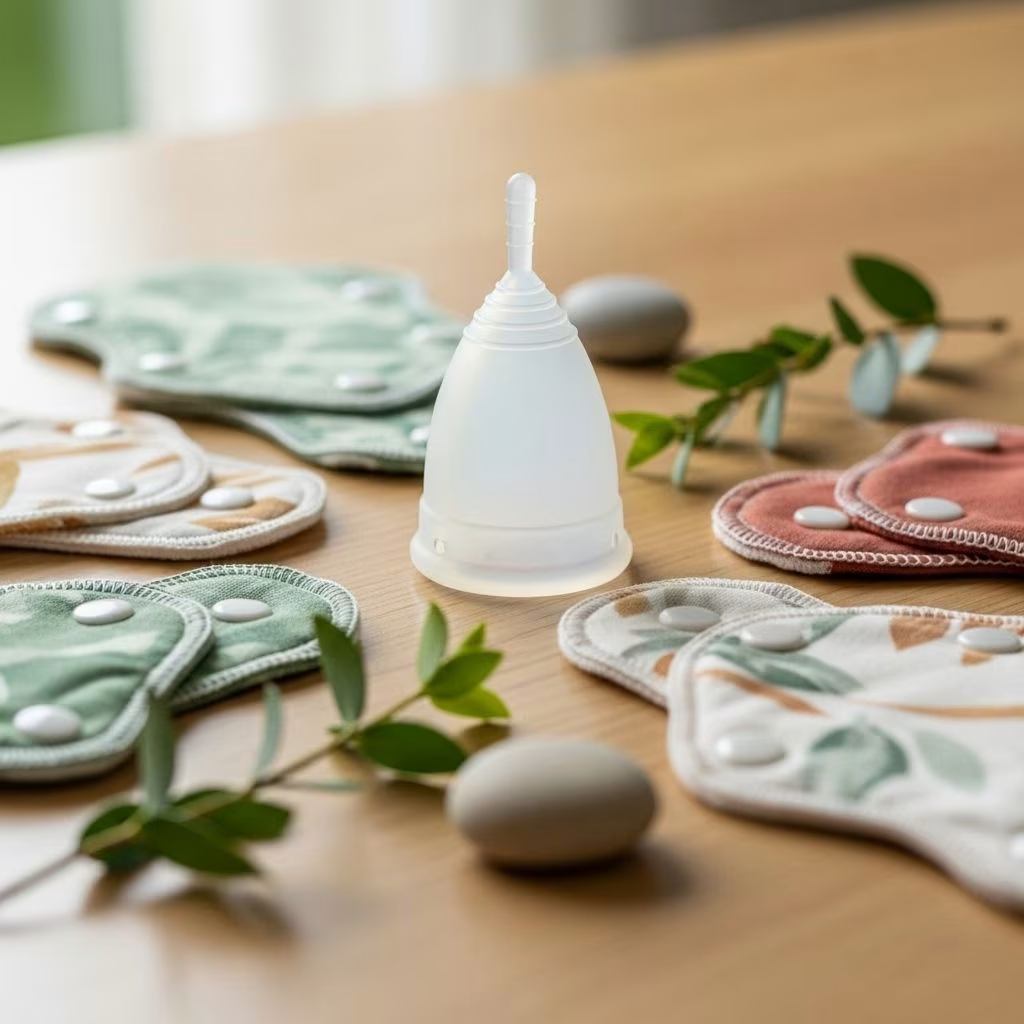
Celebrating Environmenstrual Week: Why Menstruation and Sustainability Matter
Environmenstrual Week is an annual campaign that shines a spotlight on the intersection of menstrual health and environmental sustainability. This essential event brings together activists, organizations, and individuals to break the silence around period stigma, raise awareness about the environmental footprint of menstrual products, and champion equitable, evidence-based solutions for period care worldwide. In this article, we delve into the origins of Environmenstrual Week, the complex challenges of menstrual waste, alternative period products, and actionable ways to support greener, stigma-free menstrual health for everyone who menstruates.
What Is Environmenstrual Week?
Environmenstrual Week is a climate and health advocacy initiative led by the Women’s Environmental Network (WEN). Typically observed in October, it unites eco-minded individuals and organizations for a week of digital content, grassroots events, discussions, and activism. The goal is to:
- Encourage open, stigma-free conversations about menstruation and period equity.
- Highlight the environmental and health consequences of mainstream disposable menstrual products.
- Champion affordable, accessible, and eco-friendly period solutions.
- Advocate for systemic change—at the product, corporate, and policy levels—to promote menstrual health justice.
Why Focus on Menstruation and the Environment?
Menstrual health sits at the crossroads of social equity and sustainability. With over 1.8 billion people menstruating monthly, the collective impact of period products is significant. Yet, period poverty and menstrual stigma persist globally, and the environmental costs of disposables are often overlooked in mainstream conversations on climate action and plastic reduction.
The Environmental Impact of Disposable Period Products
Most conventional menstrual products are single-use and made from non-biodegradable materials, such as plastics, super-absorbent polymers, and chemically bleached pulps. These items collectively generate an immense amount of waste each month:
- Plastic Waste: Each conventional pad contains about the same amount of plastic as four carrier bags. Tampons, especially those with plastic applicators, contribute similar volumes.
- Waterways Pollution: Many pads and tampons are flushed down toilets, leading to sewer blockages and plastics entering rivers and oceans.
- Landfill Overload: In the UK alone, an estimated 200,000 tons of menstrual product waste are disposed of annually. These materials can take hundreds of years to decompose.
- Greenhouse Gas Emissions: The full life cycle—from resource extraction and manufacturing to distribution and disposal—of disposable menstrual products has a measurable carbon footprint.
Health and Environmental Concerns
Beyond waste, the widespread use of chemicals (bleaches, fragrances, and absorbents) in some products raises questions about ecological toxicity and potential health risks—including irritation and allergenic reactions for some users.
Sustainable Period Product Alternatives
Several forward-thinking period product brands and campaigners are championing reusable or biodegradable options as alternatives to conventional disposables. These varied choices empower menstruators to make informed decisions based on their needs, preferences, and circumstances. Some leading alternatives include:
- Reusable Cloth Pads: Made from absorbent natural fibers, these pads can be washed and reused for years, reducing total waste.
- Menstrual Cups: Medical grade silicone or rubber cups collect menstrual fluid and can last up to a decade with proper care.
- Period Underwear: Specially designed absorbent undergarments offer comfort and a discreet, washable alternative.
- Compostable and Organic Disposables: Biodegradable pads and tampons made with organic cotton and without plastic offer a lower-impact option for those who prefer single-use solutions.
Comparing Period Product Options
| Product Type | Typical Lifespan | Waste Impact | Main Considerations |
|---|---|---|---|
| Conventional Pads/Tampons | Single use | High (plastic, landfill) | Convenience, high waste, accessible globally |
| Reusable Cloth Pads | 2–5 years | Low (minimal landfill) | Requires washing and drying, low ongoing cost |
| Menstrual Cup | 5–10 years | Very low | Needs sterilization, not suitable for all anatomies |
| Period Underwear | 2–4 years | Low | Comfort, washing logistics, initial cost |
| Organic/Compostable Disposables | Single use | Lower (biodegradable) | May cost more, accessibility varies |
Barriers to Sustainable Menstrual Solutions
Despite the promising advances, several practical, economic, and cultural challenges slow the normalized adoption of eco-friendly period products:
- Affordability: High upfront costs for reusables can be prohibitive without subsidies or public support.
- Accessibility: Even in affluent regions, stigmas, lack of information, and product availability can limit informed choice.
- Hygiene Infrastructure: In many areas, clean water and private spaces to wash and dry reusables are lacking—a critical barrier, especially in low- and middle-income countries.
- Health and Safety Perceptions: Misinformation and taboos around menstrual health can shape user preferences.
- Systemic Period Poverty: Globally, nearly 500 million people lack adequate resources for effective menstrual hygiene, from products to supportive civic infrastructure.
Menstrual Shame and Stigma: The Hidden Costs
Period stigma lingers in many communities, silencing public discussion about menstruation and perpetuating exclusionary norms. For many, this means:
- Limited Education: Young people may not receive science-based menstrual health education.
- Social Isolation: Shame or fear of leaks and visible products can keep menstruators away from school, work, or social events.
- Taboos and Misinformation: Misconceptions around hygiene and purity have fueled gender discrimination and shame for generations.
Environmenstrual Week fosters dialogue by encouraging communities to speak openly, share experiences, and demand inclusive, stigma-free policy solutions.
How to Take Action During Environmenstrual Week
Environmenstrual Week is anything but passive. Each year, networks of individuals and organizations host a variety of events, advocacy pushes, and digital campaigns to help shift culture, inform policy, and make sustainable period care a reality. Some common ways to get involved include:
- Attend or Host a Workshop: Educational sessions and interactive workshops about sustainable period options and menstrual health can encourage open dialogue and empower all ages.
- Film Screenings and Panel Discussions: Documentaries and Q&As tackle period poverty, product safety, and bust myths.
- Period Product Drives: Collect reusable or organic products for communities affected by period poverty.
- Social Media Campaigns: Share stories, bust stigma, and highlight facts using #EnvironmenstrualWeek and related tags.
- Policy Advocacy: Petition for free period products in schools, workplaces, and communities—and support regulation of product safety and advertising transparency.
The Women’s Environmental Network provides numerous open-access resources and a toolkit to make it easy for anyone to participate—from lesson plans to poster templates.
Why Systemic Change Is Needed
While consumer choices are important, systemic solutions are needed to address menstrual inequality and planetary health at scale. Essential actions include:
- Education Reform: Implement comprehensive, stigma-free menstrual education for all genders at school and beyond.
- Regulatory Standards: Require product ingredient transparency and ban hazardous chemicals in all period products.
- Public Provision: Fund free and accessible period products in all public institutions—especially schools, shelters, and prisons.
- Innovative Waste Management: Invest in green waste disposal systems that safely process menstrual waste without environmental harm.
- Intersectional Policies: Recognize how class, race, disability, and gender identity intersect to shape menstrual experience and access.
Frequently Asked Questions (FAQs)
Q: Why does menstrual waste matter for the environment?
Menstrual waste, especially from plastic-laden single-use products, accumulates in landfills and natural environments. Plastics and chemical residues can persist for decades or centuries, polluting soils and waterways and threatening wildlife while contributing to the global plastic crisis.
Q: Are reusable menstrual products safe and hygienic?
Yes, when cleaned and maintained properly, menstrual cups, cloth pads, and period underwear are safe hygienic options recommended by health experts. It is important to use clean water and soap and follow manufacturer care instructions. In areas without reliable water, single-use biodegradable options may be the safer interim solution.
Q: How do I choose a period product that’s best for me and the planet?
Consider comfort, lifestyle, hygiene resources, and environmental impact. If your budget and access allow, reusable options have a much lower carbon and waste footprint. Seek out products with clear, safe ingredient disclosures and avoid unnecessary plastic packaging.
Q: How can boys and men support Environmenstrual Week?
Men and boys can be allies by helping to normalize period conversations, supporting menstrual equity initiatives, and advocating for gender-inclusive education and free period products in schools and public spaces.
Q: What is period poverty and how is it connected to environmental action?
Period poverty refers to lacking access to menstrual products, hygiene facilities, or education. It disproportionately affects marginalized groups globally, limiting well-being and opportunity. Supporting sustainable and accessible product initiatives helps address both health inequity and environmental degradation.
Resources and How to Get Involved
- Explore resources from the Women’s Environmental Network to host your own Environmenstrual Week event.
- Start conversations about period product choices with friends, family, and community organizations.
- Support brands and policies committed to environmental and social responsibility.
- Advocate for comprehensive menstrual education and open dialogue in schools, workplaces, and beyond.
Toward a Greener, Stigma-Free Menstrual Future
Environmenstrual Week is a vital reminder that the way society manages periods has environmental, social, and health ripple effects for everyone. Breaking taboos, adopting low-waste options, and pushing for systemic change ensures well-being for people and the planet. Every conversation, product choice, and policy break advances the journey to menstrual equity and sustainability.


