


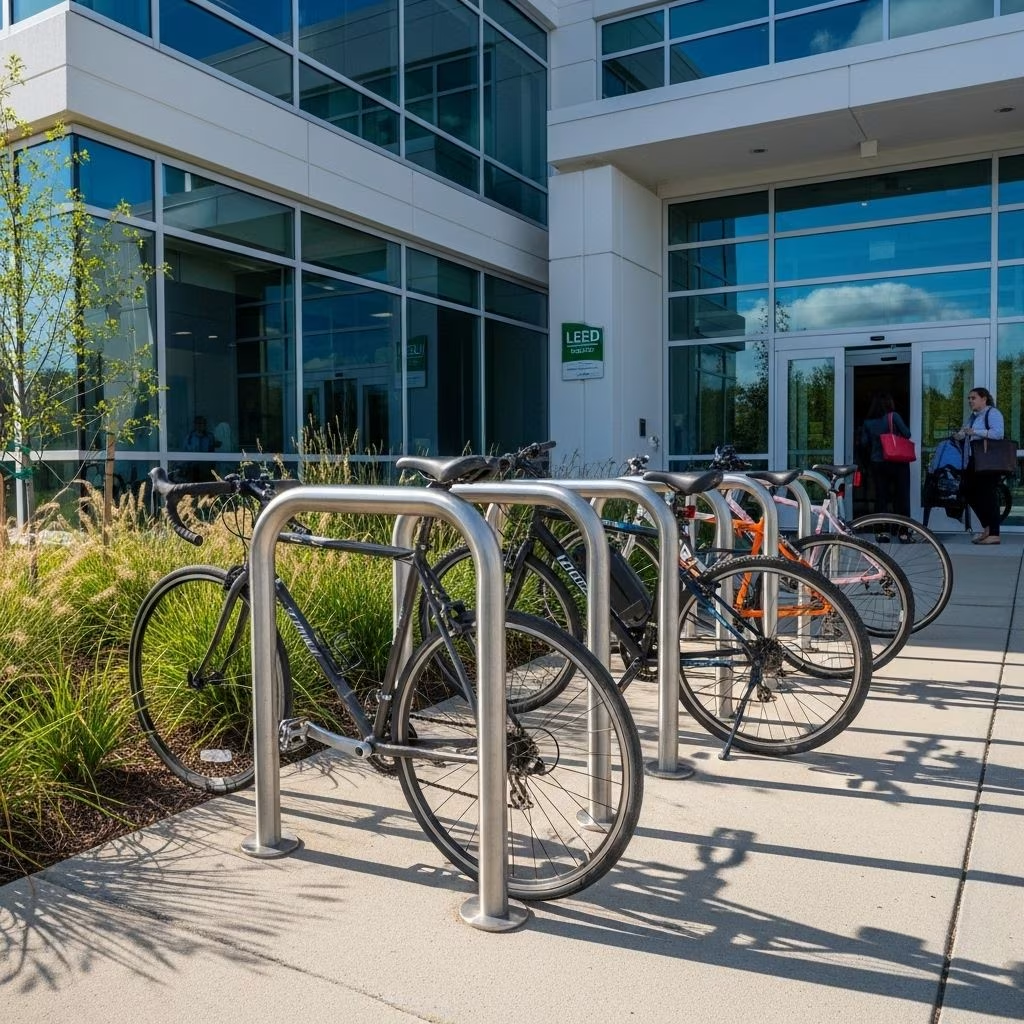
Introduction: The Unending Debate Over LEED and Bike Racks
Six years ago, the Leadership in Energy and Environmental Design (LEED) rating system came under fire for its approach to one seemingly simple urban feature: the bike rack. Critics questioned the efficacy, utility, and impact of LEED-mandated bike racks, often viewing them as perfunctory gestures rather than meaningful contributions to bike-friendliness. Yet, years later, spirited debate continues. Why does a bike rack—a utilitarian object on the urban landscape—elicit such persistent criticism in discussions about sustainable city design?
This article traces the roots and reasons for this ongoing skepticism, unpicks the nuanced requirements of LEED related to bike storage, and considers what truly makes a city, building, or workplace welcoming to cyclists.
The Historical Context: Bike Racks in LEED and Their Critics
The LEED rating system, administered by the U.S. Green Building Council (USGBC), has long included provisions aimed at reducing automobile dependence. One of the most visible of these requirements is the provision for secure, accessible bike racks and facilities in any project seeking LEED certification. The intent is clear: promote cycling as an alternative mode of urban commute and make buildings more environmentally responsible.
Yet, this well-meaning rule has often sparked pointed backlash. Urbanists, architects, and everyday riders have dismissed many LEED-compliant racks as inconveniently placed, poorly designed, or simply underused. Skeptics argue these installations signal virtue signaling rather than genuine cycling support. Six years after these debates first erupted in mainstream green design circles, why do the criticisms continue to reverberate?
LEED Bike Rack Requirements: What Do They Actually Say?
At their core, LEED’s bicycle facilities credits (typically referenced as SSc4.2 in the LEED v3 system and updated in newer versions) aim to:
- Reduce pollution and the impact of land development from single-occupancy vehicle use
- Encourage cycling by ensuring every LEED project provides bike racks for at least 5% of peak building users
- Provide shower and changing facilities for at least 0.5% of a building’s full-time employees
Importantly, LEED guidance specifies that these facilities be accessible to LEED project users only—those who frequent the certified site—not to adjacent properties. If the installed racks might be used by neighbors, building owners may need to provide signage, access control, or more racks to account for increased use.
Despite these details, the system’s underlying approach remains quantitative: number of racks installed per users. What remains less rigorously defined are the qualitative elements that might make a bike rack good or bad—such as placement, shelter, security, and user experience.
Where the Wheels Fall Off: The Most Common Bike Rack Criticisms
What do cyclists and urban planners consistently complain about when it comes to LEED-designed bike racks? Several persistent themes emerge:
- Poor Placement: Racks are too often tucked away, out of sight, or far from primary entrances, sending a message that cycling is neither welcome nor prioritized.
- Ineffective Design: Many racks don’t allow riders to secure both their frame and wheels, don’t fit modern bikes, or use confusing, wheel-bending configurations.
- Underutilization: Since LEED sets a numeric minimum, projects tend to install the cheapest racks that will satisfy the requirement—and no more—often resulting in empty racks, which in turn signal low demand and discourage future investment.
- Vandalism and Security Issues: Open, unsheltered, and poorly monitored racks increase bike theft risk, deterring users from cycling to work altogether.
Perhaps most disconcerting: when architects see racks as nothing more than compliance checkboxes, they miss out on an opportunity to shape truly supportive cycling infrastructure.
What Makes a ‘Good’ Bike Rack?
Good bike racks go beyond numerical quotas or decorative gestures. The best racks share several key characteristics:
- Visibility: Placing racks in clear sightlines deters theft and promotes a sense of welcome.
- Accessibility: Racks should be near building entrances, at-grade (avoiding stairs), and reachable without convoluted navigation.
- Design and Security: The rack design must allow both frame and wheel locking with a standard U-lock or cable lock. Sturdy, inverted-U (staple) racks are favored over racks that only accommodate front wheels or may easily be cut or bent.
- Weather Protection: Providing cover or shelter helps protect bikes (and users) from the elements.
- Sufficient Capacity: Real demand should guide the number and type of racks, not just a basic percentage minimum.
Manufacturers like CycleSafe and Madrax, for example, focus on modularity, weather resistance, and high-density solutions capable of meeting the needs of modern workplaces and growing cities.
The Paradox of Compliance: When ‘Green’ Design Misses Its Mark
Here lies a central irony: while LEED bike rack requirements seek to signal environmental leadership, a focus on simply meeting technical minimums can lead to racks that are overlooked or avoided. The problem is not so much LEED itself, but how narrowly it is interpreted. Buildings striving for quick points may neglect to:
- Integrate racks with the building’s main entrance or street edge (where cyclists actually want them)
- Consult with local cycling groups or facilities experts to choose the best rack design
- Consider broader amenities, such as lockers, repair stations, or lighting, to encourage real day-to-day use
Because of these oversights, urban cycling advocates often spot racks that are technically correct but practically useless. The gap between the letter and the spirit of sustainability can be wide.
Why Do These Critiques Persist?
Why, then, is the conversation about LEED bike racks still so heated after all these years?
- Bursting the Bubble: The presence of empty, ill-placed racks is a visible, public failing—undermining the credibility of green building standards.
- Changing City Cycling Needs: As urban cycling infrastructure matures, expectations rise for what counts as real support. Cyclists want end-to-end journeys, not just a parking spot.
- Symbolism: For many, racks are the most tangible indicator of a city or organization’s values. A neglected rack speaks volumes about overall priorities for sustainable transport.
The ongoing criticisms reflect a larger debate about the meaning and mechanics of green design, and a desire for urban systems that support actual behavior change.
What Does Real Bike Friendliness Look Like?
Beyond basic racks, truly bike-friendly cities and buildings distinguish themselves in several ways:
- Comprehensive Infrastructure: Safe cycling routes, traffic-calmed streets, and secure end-of-trip facilities are integrated, not tacked-on extras.
- Accessibility for All: Facilities support casual riders, dedicated commuters, and everyone in between—including those with e-bikes, cargo bikes, or adaptive bikes.
- Feedback Loops: Facility planning responds to rider input and usage data, adjusting over time as needs evolve.
- Cycling Amenities: Onsite repair benches, air pumps, lockers, and even showers signal real cultural buy-in for bike commuting.
Cities recognized for their cycling cultures—think Amsterdam, Copenhagen, or Portland—blend infrastructure, policy, and culture to produce an environment where cycling is safe, easy, and aspirational.
Innovations in Bike Parking: Solutions for the Real World
Recent years have seen the emergence of more sophisticated bike parking solutions designed to address many of the shortcomings identified in LEED-driven projects. Examples include:
- Smart Bike Lockers: App-accessible lockers that offer individual security and weather protection, supporting both daily commuters and casual riders.
- High-Density Racks: Modular, vertically-oriented racks suited for space-limited sites and urban infill projects.
- Integrated Facility Design: Combining parking with showers, changing rooms, and minor repair services within the same complex.
Manufacturers have responded to user complaints by improving designs, adopting more durable materials, and focusing on modularity and scalability for expanding needs.
Lessons Learned: Moving Toward Better Policy and Practice
So, what can be learned from the years-long debate over LEED and bike racks?
- Beyond Minimums: Meeting the minimum is just a start. To foster real change, developers and building managers should exceed LEED’s requirements where possible.
- Cyclist Consultation: Asking current and potential users about their actual needs leads to more successful, well-used installations.
- Location, Location, Location: Placement is just as important as quantity or style. Entrances, transit exchanges, and retail frontages matter.
- Visibility = Value: When racks are easy to see and access, they get used—and send a genuine signal of support for sustainable travel.
Ultimately, LEED can be an effective tool to encourage green strategies—but its full potential is realized only when paired with genuine commitment to and understanding of cycling as transportation.
Frequently Asked Questions (FAQs)
Q: Does LEED dictate specific types or brands of bike racks?
A: No. LEED requires bike racks to meet certain capacity and security principles but does not mandate specific rack styles or brands. Designers are encouraged to select solutions that balance durability, security, and convenience for users.
Q: What is the intent behind required bike rack signage or restricted access?
A: When racks could be used by people from neighboring buildings or sites, LEED recommends signage or access control so racks remain available for project users as intended, or that additional capacity is provided.
Q: Why do so many LEED-approved bike racks seem underused or poorly placed?
A: Some projects treat racks as a checkbox for certification, prioritizing the cheapest or most convenient option for the owner rather than the actual needs of cyclists, leading to racks that are out of sight, exposed, or impractical to use.
Q: How can a building manager ensure their racks will truly support bike commuting?
A: Involve regular cyclists in planning, place racks within sight of main entrances, opt for designs allowing both frame and wheel locking, consider shelter, and provide amenities like repair stations or changing facilities.
Q: Is LEED to blame for bad bike racks?
A: LEED sets important minimum standards, but poor interpretation or lack of ambition by building owners leads to suboptimal installations. LEED should be viewed as a baseline to exceed, not a finish line.
Conclusion: The Road Forward for LEED and Urban Cycling
The ongoing criticism of LEED bike rack requirements highlights a universal truth in sustainable design: the best rules achieve their goals only when applied with context, creativity, and true buy-in. Bike racks may seem trivial, but their placement, usability, and visibility are symbolic of a deeper commitment to sustainable mobility. Through better design, smarter policy, and continued dialogue with the cycling community, LEED-certified projects can evolve from compliance-driven gestures to truly transformative urban interventions.
References
- https://leeduser.buildinggreen.com/forum/bike-rack-requirements-buildings-outside-project-scope
- https://cyclesafe.com/cyclesafe-sets-bar-high-continuous-improvement-innovation/
- https://www.youtube.com/watch?v=1IfkTap_yZs
- https://blog.madrax.com/blog/high-density-bike-racks
- https://wagnercompanies.com/resources/blog/company/benefits-of-including-bike-racks-in-landscape-design


