


How to Save a Wet Book: Complete Recovery Guide
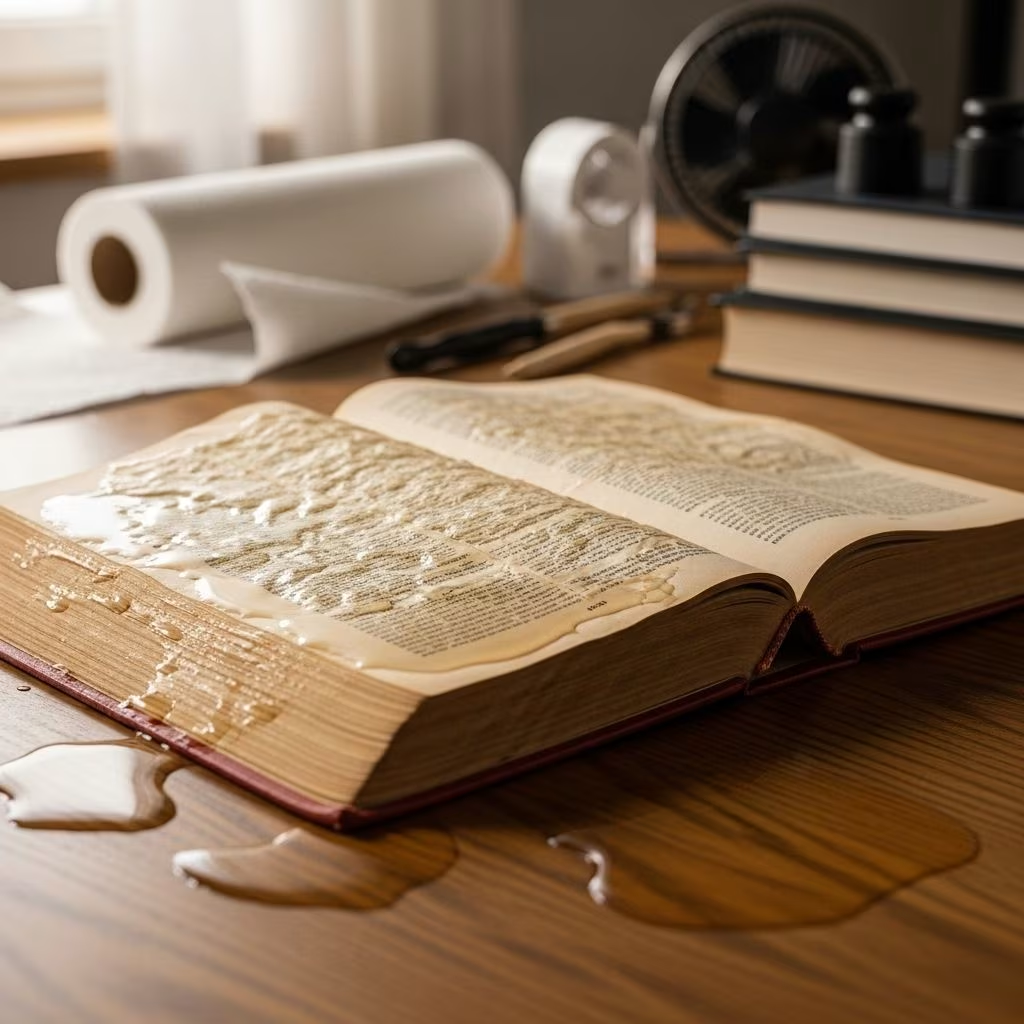
Few things alarm a book lover more than discovering a treasured volume drenched in water. Whether from a spilled beverage, burst pipe, leaking roof, or flood, water damage to books can threaten both their physical structure and sentimental value. The good news: with prompt, careful action and proven methods drawn from conservation experts, it is possible to restore many wet books to readable, usable condition.
Contents
- Assessing the Damage
- Immediate Actions to Take
- Air-Drying Method
- The Freezing Method
- Preventing Mold Growth
- Restoring Shape and Flattening
- Advanced Recovery Techniques
- When to Seek Professional Help
- Future Book Preservation Tips
- Frequently Asked Questions
Assessing the Damage
Before acting, evaluate the severity of the water damage:
- Slightly damp: Pages feel cool and soft but are not dripping.
- Soaked: Water is dripping from the volume. The binding and pages are thoroughly wet.
- Partial damage: Only the cover or page edges are wet.
The method you use to save the book depends on this initial assessment. Severely soaked books require more urgent measures to prevent mold and minimize deformity.
Immediate Actions to Take
Regardless of the extent of moisture:
- Act quickly. Mold begins growing within 24–48 hours in damp conditions.
- Keep pages from sticking. Do not force wet pages apart, which may cause tearing.
- Remove excess water gently. Hold the book closed and gently shake to expel loose water. Use absorbent towels on covers, avoiding rubbing to minimize damage.
- Protect photographic or glossy paper. Insert wax paper between glossy pages to prevent adhesion.
If you cannot begin full drying immediately, place the wet book inside a watertight plastic bag and store in the freezer to halt mold and further damage.
Air-Drying Method
This is the recommended approach for most single wet books, provided that conditions permit:
- Place the wet book upright on paper towels in a location with great airflow but away from direct heat and sunlight.
- Open the book only slightly. Do not force fully open when it is soaked.
- Interleave sheets of paper towels or absorbent paper every 20–30 pages. This draws out internal moisture.
- Replace towels frequently as they get wet. Never leave saturated towels inside the book.
- Use a gentle fan to circulate air near (but not directly on) the book. Pages should not physically move or riffle.
- For pages that remain stubbornly damp, sprinkle cornstarch between them and brush out once dry.
Slower drying is better for appearance, as rapid drying with high heat or direct sun risks warping, curling, and further damage.
The Freezing Method
For multiple wet books, severely soaked items, or times when immediate treatment isn’t possible, use this method:
- Seal the book inside a plastic freezer bag. Press out as much air as possible.
- Set your freezer to its lowest (warmest) freezing temperature, and opt for a no-frost setting if available, to minimize ice buildup.
- Freezing stops mold growth and buys time for future recovery without worsening the damage.
- When ready to dry, thaw the book slowly at room temperature. As it thaws, interleave paper towels and change them frequently, following air-drying steps.
Note: Home freezers do not dry wet books. They merely pause the damage process until you are able to treat the book or can seek professional help.
Preventing Mold Growth
Mold is the main long-term risk of water-damaged books. Its spores thrive in moist, stagnant environments, quickly colonizing pages and binding. To guard against mold:
- Dry the book as rapidly as safety allows.
- Keep it in a room with low humidity (<40% is optimal).
- If possible, use a dehumidifier in the area while drying the book.
- If mold has already appeared (discolored, fuzzy patches), handle affected books separately and clean nearby shelves thoroughly.
- To remove light mold, gently wipe with a slightly damp cloth and allow to dry in bright, circulating air. Severe infestations require professional help.
Restoring Shape and Flattening
After drying, books often have wavy, curled, or warped pages. To flatten:
- Once the book is almost dry (slightly damp but no longer wet), close it and lay it flat under a heavy weight such as a board and several large books or a dictionary.
- Leave under weight for several days, checking periodically for further drying and shape restoration.
- For severe warping, repeat the process or consider professional flattening tools.
This step reduces curling and helps restore the book’s original profile.
Advanced Recovery Techniques
Some rare or valuable books may need extra intervention:
- Vacuum freeze drying: Used by libraries and conservation specialists. This technique dries books by reducing pressure and temperature, causing water inside to vaporize and be removed without further damage. It is not achievable in a home freezer.
- Professional book restoration: Seek help if pages remain stuck, torn, or moldy after initial home treatment. Experts use specialized cleaning and re-binding methods.
For cherished or irreplaceable volumes, professional help offers the best chances of full recovery.
When to Seek Professional Help
- The book is rare, highly valuable, antique, or holds vital information.
- Paper has become fragile, pages are stuck, or cover is highly distorted.
- Mold is persistent after home cleaning, or health reasons dictate caution.
Most public and university libraries can direct you to local conservators for specialized needs.
Future Book Preservation Tips
Prevention is the first line of defense against water damage:
- Avoid damp storage. Basements, attics, and areas near windows are risky due to high humidity and leaks.
- Use shelving positioned away from potential sources of water.
- Maintain indoor humidity below 40% and provide airflow.
- Regularly inspect your book storage, looking for leaks, condensation, or pest invasion.
These habits will help protect your collection for years to come.
Frequently Asked Questions (FAQ)
Q: Can I use a hairdryer to quickly dry a wet book?
A: Using a hairdryer risks curling and further damaging pages. If used, keep the setting low and be cautious; slower air-drying with indirect airflow yields better results.
Q: Is freezing always the best option?
A: Freezing is the best choice if you cannot immediately treat a wet book or have many to restore at once. For single items, air-drying is simpler and practical.
Q: How can I tell if mold is starting?
A: Mold first appears as fuzzy, powdery, or discolored spots—often white, gray, or black. It may have a musty smell. Immediate separation and drying are critical if mold is detected.
Q: My book pages are stuck together. What should I do?
A: Do not forcibly separate; seek advice from a professional conservator. Attempting to pry apart stuck, wet pages will cause tearing and more harm.
Q: Are there techniques for saving books with photographic material?
A: Yes. Immediately insert wax paper between photographic pages to prevent adhesion and treat with extra care.
Quick Reference: Saving a Wet Book
| Problem | Best Initial Action | Advanced Solution |
|---|---|---|
| Just damp | Air-dry with paper towel every 20 pages, fan nearby | Press under weight |
| Soaked through | Gently shake, towel covers, insert towel between pages | Freeze if cannot treat or for multiple books; vacuum freeze-dry for library/archive items |
| Moldy | Isolate, air-dry with strong airflow, remove visible mold | Conservator restoration |
| Stuck pages | Do not force separation | Professional help |
Key Takeaways
- Speed is crucial—act immediately to prevent irreversible damage.
- Gentle handling preserves binding, pages, and structure.
- Airflow and absorbent materials are essential for successful drying.
- Freezing buys time, not restoration.
- Ask for professional help when needed—especially with valuable or rare books.
With purposeful action and the right methods, most wet books can be saved. These steps enable book enthusiasts to respond confidently when water threatens a cherished collection—ensuring stories, history, and knowledge survive for years to come.
References
- https://www.youtube.com/watch?v=QDuzIVFqvys
- https://bookriot.com/how-to-save-a-wet-book/
- https://nha.org/research/nantucket-history/history-topics/drying-wet-books/
- https://www.nps.gov/articles/000/preservation-matters-disasters-saving-wet-books-after-a-flood.htm
- https://www.nedcc.org/free-resources/preservation-leaflets/3.-emergency-management/3.6-emergency-salvage-of-wet-books-and-records
- https://www.archivalmethods.com/blog/water-damage-saving-wet-water-damaged-books/
- https://apps.lib.umich.edu/files/files/wetbooks-1.pdf
- https://www.nedcc.org/free-resources/preservation-leaflets/3.-emergency-management/3.12-freezing-and-drying-wet-books-and-records
- https://ccaha.org/sites/default/files/attachments/2018-07/technical-bulletin-salvaging-books.original.pdf


