Hydrangeas of the Azores: A Blooming Tapestry
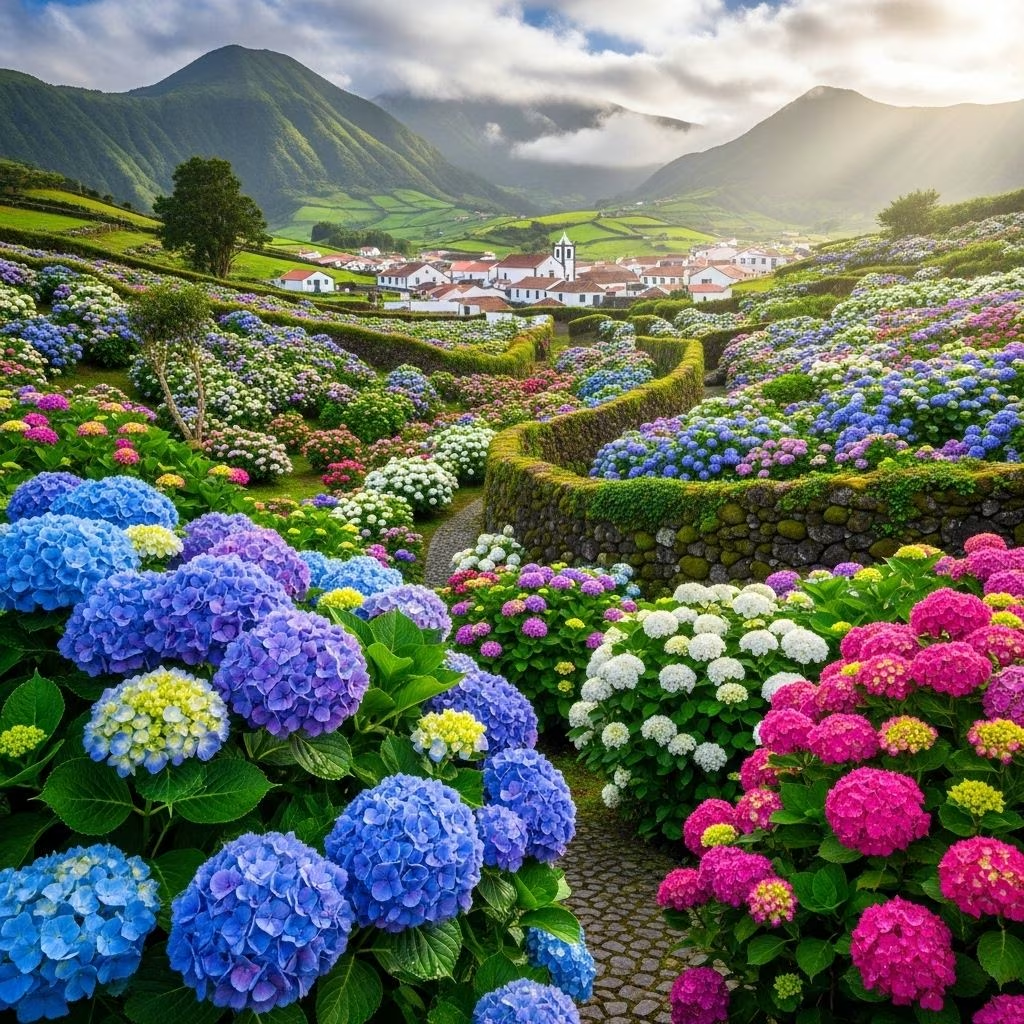
The Azores, a remote archipelago of nine volcanic islands in the mid-Atlantic, are world-renowned for their stunning landscapes—lush crater lakes, towering peaks, and above all, a summer spectacle of hydrangeas painting roadsides, fields, and valleys in vivid hues of blue, pink, purple, and white. The hydrangea has become much more than a seasonal flower; it is an emblem of Azorean identity, a symbol of local heritage, and an integral part of the islands’ ecological balance.
The Arrival of Hydrangeas: How Flora Became a Symbol
While the Azores are home to diverse flora, hydrangeas are not native to these islands. It is believed that Hydrangea macrophylla first arrived from Japan in the 19th century as an ornamental plant. Finding fertile volcanic soil and a moist, temperate climate, hydrangeas quickly flourished—spreading beyond gardens to the wild and rural peripheries. Their popularity stemmed from their resilience, ease of propagation, and beauty, eventually leading to the transformation of entire vistas.
Today, visitors to the Azores are greeted by seemingly endless hydrangea hedges, which:
- Line roads and rural tracks, creating striking, natural corridors.
- Mark property boundaries, fields, and gardens.
- Frame the dramatic volcanic landscapes, especially around iconic sites such as Sete Cidades on São Miguel, where the twin lakes reflect hydrangea banks in mirror-like serenity.
Cultural Identity, Symbolism, and Island Colors
Hydrangeas are deeply woven into the cultural fabric and symbolism of the Azores:
- Terceira is nicknamed the “Lilac Island,” thanks to the prevalence of lilac-hued hydrangeas. The flowers decorate homes, churches, and public spaces, representing religious heritage and a sense of community pride.
- Flores Island is called the Island of Flowers, not just for hydrangeas, but also for azaleas, which together create a colorful display, making the island especially popular among flower lovers.
- São Miguel, the largest island, features hydrangeas amid rich greenery and volcanic terrain. Hydrangea hedges contribute to the “Green Island” nickname, supporting the rich palette that defines Azorean aesthetics.
Hydrangeas and Island Ecology
Although hydrangeas add undeniable beauty, their ecological impact is complex. Local biologists note that hydrangeas are invasive, occasionally displacing endemic species. Still, they are prized for their ability to:
- Stabilize Soil: Hydrangea roots help prevent erosion on the islands’ steep, volcanic slopes, contributing to landscape stability.
- Act as Natural Fences: Hydrangea hedges partition farmland, serving both practical and aesthetic purposes.
The islands maintain a careful balance—preserving unique native habitats such as misty laurisilva forests and endemic flora, while celebrating hydrangeas as a major contributor to ecological harmony and tourism.
Hydrangea Season: When and Where to Visit
Hydrangeas bloom in the Azores from late spring through early autumn, with peak spectacle in June through August when roads, fields, and crater rims burst into color. Travelers planning hydrangea-focused visits should aim for summer to experience:
- Full-bloom vistas on São Miguel, Terceira, and Flores.
- Hydrangea-lined hiking trails and panoramic viewpoints.
- Abundant photographic opportunities—many visitors enjoy capturing iconic scenes and portraits amid the blooms.
Some islands, like Terceira and Faial, maintain hydrangea displays into early autumn, offering extended tourist seasons.
Hydrangeas in Azorean Life and Commerce
Hydrangeas are more than decoration; they influence local livelihoods and export markets:
- Faial Island has developed hydrangea agriculture. The most beautiful blossoms are harvested, dried, and exported as decorative flowers, especially to Germany, Spain, and Italy, where they enrich floral designs and arrangements.
- Hydrangea motifs appear in local crafts, art, and souvenirs, symbolizing Azorean pride and natural abundance.
- Cuisine and hospitality often center on flower-based events and traditions, attracting tourists eager to immerse themselves in the islands’ cultural heritage.
Exploring the Azores: Highlights by Island
Each Azorean island offers its own hydrangea experience and character, captured in the following summary:
| Island | Nickname/Color | Hydrangea Features | Other Highlights |
|---|---|---|---|
| São Miguel | Green Island | Roadsides, crater lakes, tea estates lined with hydrangeas | Sete Cidades, hot springs, Terra Nostra Park |
| Terceira | Lilac Island | Hydrangea hedges in gardens, churches, and public squares | Angra do Heroísmo (UNESCO site), volcanic caves |
| Faial | Blue Island | Harvested hydrangeas for export; volcano ridge trails | Caldeira crater, marina, whaling museum |
| Flores | Island of Flowers (Pink) | Abundant wild hydrangeas among waterfalls, valleys | Lakes, dramatic cliffs, rich biodiversity |
| São Jorge | Brown Island | Fajã plains with hydrangea banks, rural gardens | Cheese farms, rugged coast, coffee plantations |
Visitor Experience: What to Expect
The beauty of hydrangeas transforms every aspect of an Azorean journey, whether you are:
- A nature enthusiast, drawn to hiking, birdwatching, and photography among vivid blooms and dramatic landscapes.
- A history lover, exploring centuries-old villages, volcanic heritage, and local folklore framed by hydrangea backdrops.
- Seeking tranquility and wellness, with the islands’ peaceful atmosphere enhanced by floral scents and lush scenery.
- Interested in local engagement—islanders are proud of their hydrangea culture, often sharing stories, tips, and hospitality that deepen visitors’ appreciation of their home.
The Ecological Challenge: Balancing Beauty and Biodiversity
Despite their popularity, hydrangeas present ecological challenges:
- Invasive Species: Hydrangeas, as non-natives, can sometimes crowd out local plants, prompting conservation efforts to protect endemic flora while managing hydrangea spread.
- Regulation: Landowners, farmers, and ecologists work toward strategies that maintain hydrangea appeal but do not threaten fragile island ecosystems.
This balance ensures that future generations can enjoy both the hydrangea spectacle and the islands’ rich, endemic natural heritage.
Hydrangeas as Inspiration: Art, Culture, and Community
Hydrangeas are a deep source of inspiration for Azorean artists, writers, and craftspeople. Their presence appears in:
- Literature and poetry celebrating island life and natural beauty.
- Art—paintings, ceramics, embroidery, and textiles feature hydrangea motifs as expressions of local identity.
- Cultural events—festivals, fairs, and exhibitions, especially in summer, spotlight hydrangea themes in music and dance.
Frequently Asked Questions (FAQs)
Q: When is the best time to see hydrangeas in full bloom in the Azores?
A: The best period is from June to August, though blooms can appear from spring to early autumn depending on the island and weather conditions.
Q: Are all hydrangeas in the Azores blue?
A: Hydrangeas in the Azores bloom in shades of blue, pink, purple, and white. Soil acidity affects color, with more acidic soils displaying blue flowers and alkaline soils resulting in pinks and purples.
Q: Why did hydrangeas become so widespread in the Azores?
A: Their hardiness, beauty, and ability to thrive in the islands’ volcanic soils and moist climate allowed hydrangeas to spread rapidly after their initial introduction from Japan in the 19th century.
Q: Can I take hydrangeas home from the Azores?
A: Export of fresh hydrangeas is regulated, but dried hydrangeas can often be purchased as souvenirs, especially from Faial, where they are grown for export.
Q: What other flowers are notable in the Azores?
A: Azaleas and wildflowers are also prominent, particularly on Flores and São Miguel, contributing to the islands’ reputation for dramatic natural beauty.
Travel Tips for a Hydrangea-Filled Trip to the Azores
- Timing: Visit from June to August for peak hydrangea blooms.
- Photography: Early morning and late afternoon light best capture floral colors and island landscapes.
- Local Guides: Consider hiring a local photographer or guide for exclusive hydrangea vistas and cultural insights.
- Island-Hopping: Each island offers a unique hydrangea experience, so plan time to explore at least two or three.
- Eco-Conscious Travel: Support conservation efforts by respecting protected habitats and following local guidelines for nature walks and hikes.
Conclusion: Azorean Hydrangeas—A Living Legacy
The hydrangeas of the Azores are more than a tourist attraction. They are a living legacy—part of a dynamic landscape where people, history, and nature converge in vibrant color. Whether seen for their aesthetic charm, cultural symbolism, ecological value, or as a simple moment of wonder along a flower-lined road, hydrangeas invite visitors and locals alike to experience the beauty, heritage, and ongoing story of the Azores.