


How to Prevent and Control Sooty Mold on Trees and Plants
Sooty mold is a common but often misunderstood problem affecting a wide range of trees, shrubs, and garden plants. While unsightly, sooty mold itself rarely causes direct harm to plant tissues, but it can impede photosynthesis and signal underlying pest issues. Effective management requires addressing both the mold and its insect-related causes.
What Is Sooty Mold?
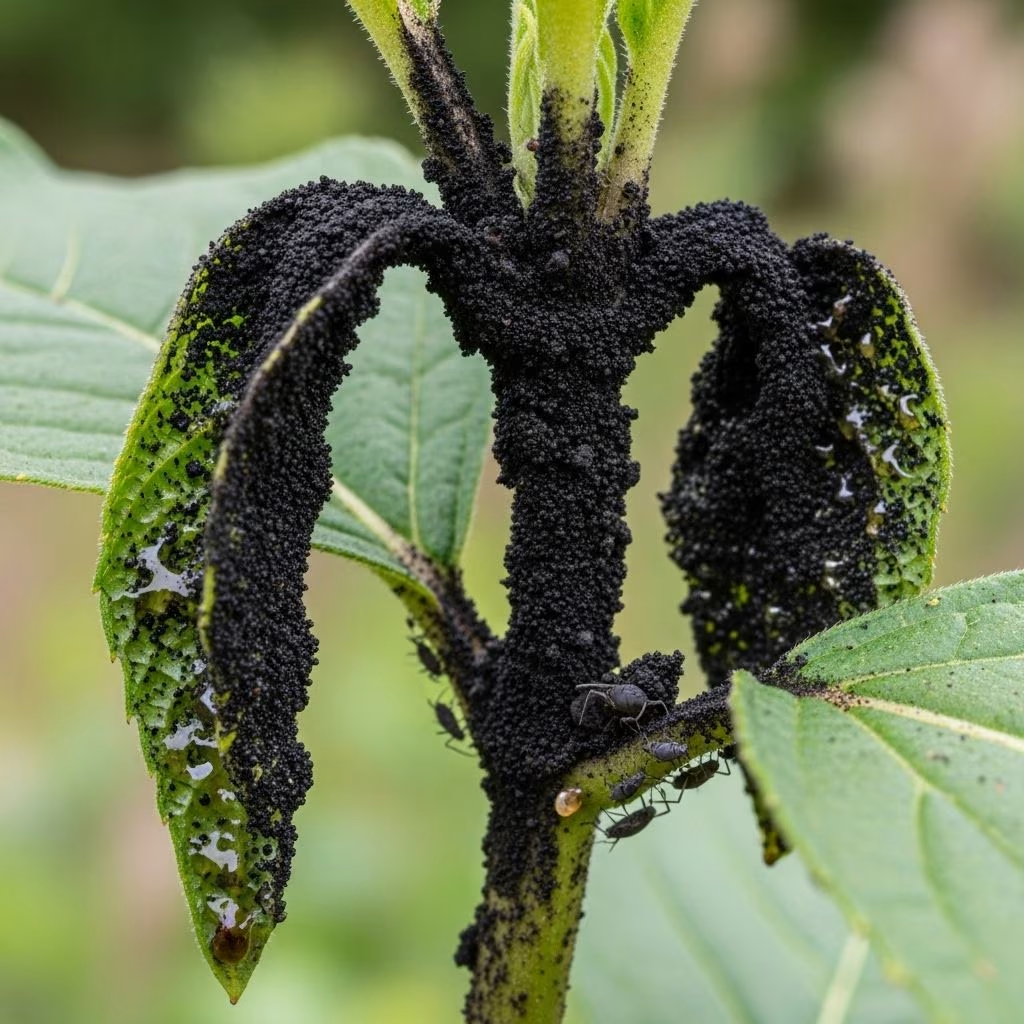
Sooty mold refers to a group of dark, powdery or velvety fungal growths that develop on the surfaces of leaves, branches, fruits, and even outdoor furniture beneath infested plants. This fungus thrives not on the plants themselves, but on sticky, sugary substances (honeydew) secreted by certain sap-feeding insects. The blackened appearance can prompt concern, but understanding its biology is the first step toward effective control.
Key Characteristics of Sooty Mold:
- Color: Ranges from dark gray to jet black.
- Texture: Powdery or felt-like and easily rubs off.
- Spread: Often covers large swaths of plant surfaces; may also appear on nearby hard surfaces.
- Location: Most abundant where honeydew accumulates—often beneath clusters of insects.
What Causes Sooty Mold?
Sooty mold does not infect the plant’s tissues directly. Instead, it colonizes the honeydew—the sugary waste excreted by various sap-feeding insects. Common insect culprits include:
- Aphids
- Whiteflies
- Soft scales (including green and cottony cushion scales)
- Mealybugs
- Treehoppers
Wherever these pests are active, copious honeydew accumulates, providing a perfect substrate for sooty mold fungi.
How Sooty Mold Develops
- Sap-feeding insects infest plant parts and excrete honeydew onto leaves, stems, or bark.
- Sooty mold spores, present in the environment, land on honeydew-coated surfaces.
- The fungus grows rapidly, forming black films that block sunlight and hamper photosynthesis.
- Secondary pests, such as ants, may further protect the sap-feeding insects, complicating control efforts.
Which Plants and Trees Are Susceptible?
Sooty mold can occur on virtually any tree or shrub experiencing sap-feeding insect infestations. Some plants are particularly prone:
- Apple and citrus trees (lemon, orange, banana, guava)
- Stone fruit trees (apricot, peach, nectarine, plum, cherry)
- Ornamentals: azalea, camellia, crape myrtle, holly, laurel
- Maple, elm, pine, linden, oleander
- Roses and gardenias
Any plant under or next to an infested specimen may develop sooty mold as honeydew drips down or gets transferred by wind and rain.
Symptoms and Plant Damage
While sooty mold is mostly a cosmetic issue, heavy infestations can negatively affect plant health:
- Photosynthesis inhibition: Black fungal growth blocks sunlight, reducing a leaf’s ability to produce food.
- Stunted growth: Persistent, heavy mold shields can weaken plants, especially young or already-stressed specimens.
- Fruit blemishes: Fruits covered in mold have lower market value and reduced appeal.
- Reduced gas exchange: Severe coverage can disrupt leaf respiration and transpiration.
- General decline: Prolonged infestations, combined with the stress of insect feeding, may predispose plants to further issues.
However, sooty mold does not invade or kill plant tissue directly, and with proper care, most plants can recover fully.
Effective Prevention Strategies
Managing sooty mold is best accomplished through a holistic approach that targets both the fungus and its supporting insect population.
1. Control Honeydew-Producing Pests
- Inspect regularly: Monitor plant foliage, especially leaf undersides, for tiny bugs and sticky residue.
- Identify the pest: Understanding the specific culprit—aphids, scales, mealybugs, whiteflies—guides your treatment choices.
- Encourage natural predators: Attract or introduce ladybugs, lacewings, and parasitic wasps to keep pest numbers in check.
- Avoid broad-spectrum insecticides: These can harm beneficial insects and upset the ecological balance.
- Use targeted controls: Prefer options like insecticidal soap, horticultural oil, or neem oil—always according to label instructions and with full coverage, especially targeting leaf undersides and branch crooks.
- Control ants: Since ants protect sap feeders, use ant baits or sticky barriers to disrupt this mutually beneficial relationship.
2. Foster Plant Health
- Prune congested plant parts to improve air circulation and sunlight penetration.
- Remove heavily infested twigs or branches: Destroy them off-site to break insect and fungus cycles.
- Avoid excessive nitrogen fertilization: Too much nitrogen can prompt lush, tender growth favored by pests.
- Maintain even moisture: Water plants deeply but infrequently; avoid wetting foliage if possible to reduce humidity.
3. Environmental Adjustments
- Regular cleanup: Remove fallen leaves and debris under trees to limit the spread of both insects and fungus.
- Space plants properly at planting to maintain good airflow.
- Plant companion flowers: Grow species that attract beneficial predatory insects.
How to Remove Sooty Mold from Plants and Surfaces
Once insect populations are reduced or eliminated, sooty mold naturally disappears over time. However, you can accelerate the cleaning process:
- Rinse foliage with water: Use a strong but gentle stream to dislodge mold and honeydew. Repeat as needed.
- Hand-wash leaves: For small or valued plants, wipe affected leaves with a soft cloth soaked in a mild solution of water and gentle dish soap (about 1 tablespoon per gallon), then rinse thoroughly.
- Baking soda solution: Mix 1 teaspoon baking soda with 1 quart (about 1 liter) of water, apply with a soft cloth or spray bottle, and gently wipe.
- Remove affected plant parts: Clip and discard severely blackened leaves, twigs, or shoots.
- Repeat as needed: Often, multiple washings (once pests are under control) may be necessary to fully clear the surface mold.
Note: Fungicides may slow fungal growth but do not remove existing black residue; their use is generally unnecessary unless another fungal disease is also present.
Organic and Integrated Pest Management Approaches
Integrated Pest Management (IPM) seeks to minimize chemical use while effectively controlling both insects and sooty mold. Consider these eco-friendly steps:
- Sticky traps: Catch flying pests like whiteflies early in their life cycle.
- Neem oil and horticultural oils: These suffocate soft-bodied insects and slow mold development, yet are gentle on beneficials when used carefully.
- Physical removal: For small infestations, manually remove or crush insects and wash leaves regularly.
- Beneficial insect habitats: Allow some leaf litter and flowering plants nearby to sustain non-pest insect populations.
Ongoing Maintenance and Prevention
- Regularly inspect plants (at least every two weeks during growing season), paying attention to sticky leaves, visible insects, and the first signs of black or gray fungal growth.
- Monitor vulnerable trees and plants: Fruit trees, gardenias, and crape myrtles often need extra vigilance.
- Keep areas around plants clean to reduce fungal spore sources.
- Address new pest problems quickly: Early intervention prevents sticky honeydew and fungus buildup.
Table: Comparison of Common Insecticide and Organic Control Options
| Control Method | Pest Target | Effectiveness on Sooty Mold | Benefits/Drawbacks |
|---|---|---|---|
| Insecticidal Soap | Soft-bodied insects (aphids, mealybugs, whiteflies) | Good (indirect by removing honeydew) | Safe for most plants, avoids harming beneficials, must fully cover pests |
| Neem Oil | Aphids, scales, whiteflies, mealybugs | Good (disrupts both pest and some mold directly) | Organic, mild fungicidal effects, do not apply in extreme heat |
| Horticultural Oil | Wide range of pests | Good (limits honeydew production) | Effective against eggs and immature pests; gentle on plants if dilute |
| Washing/Manual Removal | None | Excellent for cleaning mold from surfaces post-pest control | Time-consuming, best for small plants or sections |
| General Fungicide | Fungi | Poor for sooty mold (does not remove black pigment) | Unnecessary unless concurrent disease is present |
Frequently Asked Questions (FAQs)
Q: Is sooty mold harmful to humans or pets?
A: No, sooty mold itself is not directly harmful to humans or animals. It is non-toxic, though its sticky residue may attract nuisance pests and reduce fruit quality.
Q: Will sooty mold kill my plant?
A: Sooty mold does not invade plant tissues or kill plants directly. However, by blocking sunlight, it can stress plants, especially if already weakened by pest infestations or other problems.
Q: Do I need to use fungicides to get rid of sooty mold?
A: Typically, fungicides are unnecessary for managing sooty mold. The most important action is eliminating the honeydew-producing insects; afterward, the fungus will disappear as the sugar source dries up or is physically washed away.
Q: How soon after treatment will plants recover?
A: Visual improvement may take weeks or months, especially for large plants. New, healthy foliage will gradually replace heavily affected leaves over time.
Q: Can sooty mold come back?
A: Yes. Recurrence is likely if pest populations rebound or preventative steps are skipped. Maintaining vigilance and regular pest management is key to long-term control.
Key Takeaways for Effective Sooty Mold Management
- Sooty mold is an indicator—not a direct cause—of plant health issues; always look for and address underlying insect infestations first.
- Promote good plant health (pruning, balanced nutrition, correct watering) to minimize vulnerability to pests and secondary fungal growth.
- Use eco-friendly management strategies wherever possible to encourage beneficial organisms while controlling pests.
With patience, observation, and a proactive approach, most sooty mold problems can be solved—restoring your landscape to full health and beauty.
References
- https://www.overbergarborists.com/post/a-close-up-on-sooty-mold
- https://www.arborvisioninc.com/tree-treatment/black-sooty-mold
- https://blogs.ifas.ufl.edu/stlucieco/2020/09/21/mango-tree-sooty-mold/
- https://extension.msstate.edu/publications/the-plant-doctor-sooty-mold
- https://plantdiseasehandbook.tamu.edu/problems-treatments/problems-affecting-multiple-crops/sooty-mold/
- https://grangettos.com/blogs/pests-and-diseases-20/managing-sooty-mold-on-fruit-trees
- https://ipm.ucanr.edu/home-and-landscape/sooty-mold/pest-notes/
- https://site.extension.uga.edu/bartow/sooty-mold/
- https://bioadvanced.com/sooty-mold


