From Atlanta to Appalachia: Moving from the City to Morgantown, West Virginia
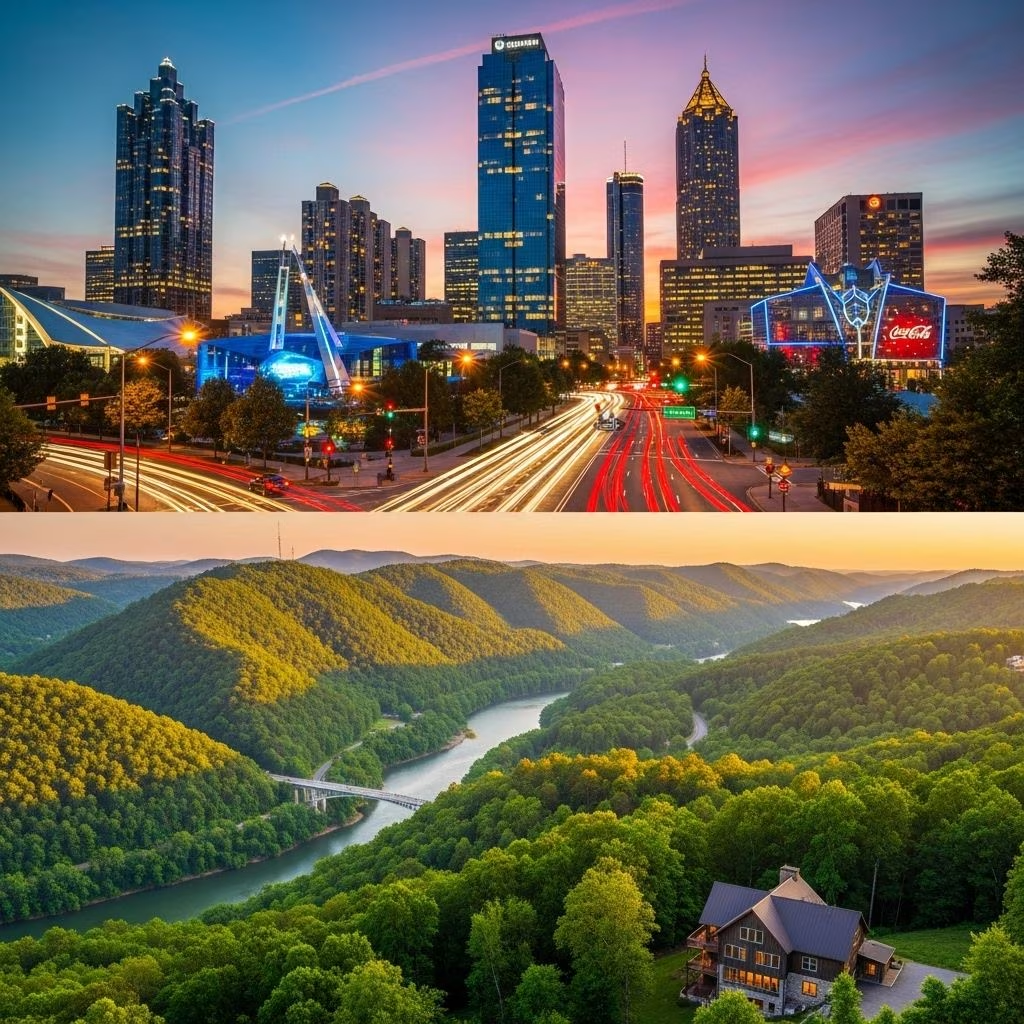
Transitioning from a bustling metropolis like Atlanta to the charming, rugged landscape of Morgantown, West Virginia is both a leap and a journey. For many urban dwellers, the idea of trading busy streets, constant noise, and endless hustle for serene mountain views and local quirks might sound idyllic, but the reality requires adjustment, discovery, and a healthy dose of enthusiasm. This article explores the transformative experience one city boy had upon moving to the Appalachian foothills—and offers a guide to the area’s must-see spots, hardest-learned lessons, and daily joys.
Facing the Myths and Realities of Appalachia
Appalachia is a region often shrouded in stereotype and misunderstanding. Moving here from a city like Atlanta means confronting both personal preconceptions and outsider skepticism. The negative reputation that sometimes attaches to West Virginia and its mountain towns can spark doubtful comments, but actual experience often paints a different picture. Morgantown, in particular, reveals itself as welcoming, vibrant, and surprisingly modern, boasting not just natural beauty but also a strong sense of community and abundant opportunities for adventure.
- Breaking Stereotypes: Many expect isolation or backwardness, but Morgantown offers social ties, active outdoor culture, and progressive amenities.
- Embracing Change: Even reserved newcomers can build connections, pursue hobbies, and find purpose in this new environment.
- Natural Joys: The arrival at the state border—marked by the sign, “Welcome to West Virginia: Wild and Wonderful”—serves as a metaphor for unexpected happiness in adaptation.
The Road There: Atlanta to Morgantown
The journey itself sets the stage for the transition: a 613-mile drive from Atlanta to Morgantown, through changing landscapes and mindsets. For those planning their own move, the trip takes approximately 9 hours and 38 minutes under normal traffic conditions. Along the way, travelers can stop in vibrant cities and scenic parks, including Charlotte, Greenville, Helen, and Stone Mountain Park, each offering a glimpse of the cultural and geographical differences between the Southeast and Appalachia.
- Route highlights: Stone Mountain, Ameris Bank Amphitheatre, and diverse city stops.
- Total distance: 613 miles (986 km).
Adapting to Local Life: First Impressions and Daily Adjustments
Life in Morgantown is a blend of adventure, challenge, and discovery. Making the switch from city driving to negotiating steep, narrow, and winding mountain roads is not just a logistical change but a psychological one. Likewise, the smaller scale of the town means less “advanced planning” is needed for recreational outings, and more serendipity is possible. Accessible outdoor activities and relaxed social settings encourage newcomers to take part and build networks, both socially and professionally.
- Transportation quirks: Steep, narrow roads test driving skills; public transit options are minimal compared to a big city.
- Social scene: Small-town friendliness makes networking smoother but requires some initiative—especially for the naturally reserved.
- Outdoor accessibility: Kayaking, hiking, and cycling can be daily activities, rather than rare special events.
Morgantown Musts: The Best Places to Experience
Morgantown’s compact size hides a trove of local treasures. Whether you’re seeking adventure, good food, unique shopping, or memorable lodging, the town delivers more than its modest population suggests.
Adventures & Outdoor Recreation
- Caperton Trail: Six-mile paved path paralleling the Monongahela River, ideal for walkers, runners, and cyclist sightings; passes charming businesses like Brownie House and Country Roads Quilts.
- Coopers Rock: One of the region’s signature destinations, boasting 50 miles of trails and breathtaking overlooks—perfect for hiking, mountain biking, and sharing that “most Instagrammable view” in West Virginia.
- Gritstone Climbing + Fitness: Massive indoor climbing facility offering over 100 rope routes. Suitable for all levels, with added perks like yoga and fitness classes.
- Hazel Ruby McQuain Park: Riverside green space and amphitheater accessible by trail or water. Popular for concerts, picnics, and waterside relaxation.
- Core Arboretum: Managed by West Virginia University, features three miles of trails, a botanical garden, and preserved old-growth forest.
- White Park: Five miles of wooded trails, plus a seasonal indoor ice rink for winter sports enthusiasts.
- Cheat Lake: Large, man-made lake with beaches, waterfront restaurants, and a nearly five-mile paved walking/biking path.
Eats & Culinary Highlights
- Terra Cafe: Health-focused establishment for all meals, offering vegetarian dishes and a standout bakery with local acclaim.
- Black Bear Burritos: Local favorite for creative burrito selections (including unusual options like kiwi salsa) and craft brews from Chestnut Brew Works.
- Mountain State Brewing Co.: Known for microbrews and wood-fired pizza, with casual outdoor seating along the rail trail.
- Table 9: Chef-driven gastropub with an evolving menu and craft cocktails, all perched overlooking the river for scenic dining.
Shops & Places to Browse
- Appalachian Gallery: Two-floor shop stocking locally made stained glass, paintings, soaps, and historic maps.
- Hoot and Howl: Downtown mercantile with a curated selection of stationery, jewelry, home décor, and vintage items.
Stays & Local Accommodation
- Hotel Morgan: Boutique hotel in the heart of downtown; 81 rooms and the Anvil + Ax bar channel a Roaring Twenties vibe for visitors seeking both style and comfort.
Morgantown’s Community Spirit
Despite its reputation for rural quiet, Morgantown offers surprising opportunities to connect. Whether through technology meetups, regular outdoor outings, or friendly exchanges at local shops, the sense of neighborliness is pronounced. For those wary of isolation or loneliness, the town’s social fabric can be a pleasant surprise, cultivating belonging without overwhelming city-scale crowds.
- Ease of Making Friends: Community events, local interest groups, and a welcoming attitude from residents make it easier for newcomers to integrate and network.
- Embracing New Hobbies: With fresh produce stands, local culinary traditions, and unique crafts, Morgantown encourages creative exploration and new habits.
Cultural Gems: Music, Art, and Appalchian Traditions
Morgantown’s character is shaped by a mix of university culture, Appalachian roots, and small-town art scenes. Local galleries and vintage shops celebrate regional crafts and history, while seasonal concerts and events keep the town lively. West Virginia University also brings in a youthful energy and academic diversity, contributing to the town’s reputation for both tradition and innovation. Appalachian sensibility—resourcefulness, friendliness, and understated creativity—runs through daily life.
Insights and Surprises: Lessons from the Move
- Unexpected Contentment: Happiness isn’t always tied to familiarity; the move can yield joy in surprising ways, whether through new friends or unplanned adventures.
- New Perspectives: Remote working programs and a growing tech community provide career and networking opportunities not always visible to outsiders.
- Comfort in Nature: Whether it’s the view at Coopers Rock, kayaking on Cheat Lake, or running the Caperton Trail, access to outdoors improves quality of life.
- Local Cuisine: Unique flavors (like kiwi salsa burritos) challenge established food preferences and inspire curiosity.
- Seasonal Changes: Four distinct seasons affect daily activities, culinary choices, and even local events. Winter brings ice skating; spring ushers in farmers’ markets and arboretum strolls.
Table: City vs. Country Life — Urban Atlanta vs. Morgantown, WV
| Aspect | Atlanta, GA | Morgantown, WV |
|---|---|---|
| Scale | Large metropolis | Small college town |
| Traffic | Heavy, urban | Light, mountain roads |
| Outdoor Access | Parks distant | Trails/lakes close by |
| Food Scene | Diverse, global | Local, creative, Appalachian flavors |
| Community | Broad, dispersed | Tight-knit, approachable |
| Cost of Living | High | Lower |
| Culture | Cosmopolitan | Appalachian, university-influenced |
Frequently Asked Questions (FAQs)
Q: Is it difficult to adjust to life in Morgantown as a newcomer?
A: While there are some challenges, such as navigating mountain roads and building a social network, Morgantown’s size and active local scene make adjustment easier than expected—even for introverts.
Q: What are the top outdoor activities accessible from Morgantown?
A: Hiking and mountain biking at Coopers Rock, kayaking on Cheat Lake, walking or cycling along the Caperton Trail, and indoor climbing at Gritstone Climbing + Fitness are all easily accessible.
Q: How vibrant is the food scene in Morgantown?
A: The food scene is surprisingly diverse for a small town, featuring everything from health-conscious cafes (Terra Cafe) to creative burrito and brew spots (Black Bear Burritos and Mountain State Brewing Co.).
Q: Are there good accommodation and shopping options for visitors?
A: Yes—Hotel Morgan offers boutique comfort, while local shops like Appalachian Gallery and Hoot and Howl provide unique crafts and gifts.
Q: What’s the best part about living in Morgantown?
A: Many cite the ease of access to outdoor adventure, the welcoming community, and the sense of finding unexpected happiness and belonging as the best parts of living in Morgantown.
References
- https://wanderlog.com/drive/between/58169/58708/atlanta-to-morgantown-drive
- https://www.atlantamagazine.com/southbound-articles/pay-to-play-a-new-west-virginia-program-offers-enticing-reasons-to-relocate/
- https://wvpublic.org/podcasts/inside-appalachia/
- https://marginalrevolution.com/marginalrevolution/2023/09/south-appalachia-north-appalachia.html
- https://southernspaces.org/2018/ramp-hollow-ordeal-appalachia/
- https://researchrepository.wvu.edu/cgi/viewcontent.cgi?article=2677&context=faculty_publications