


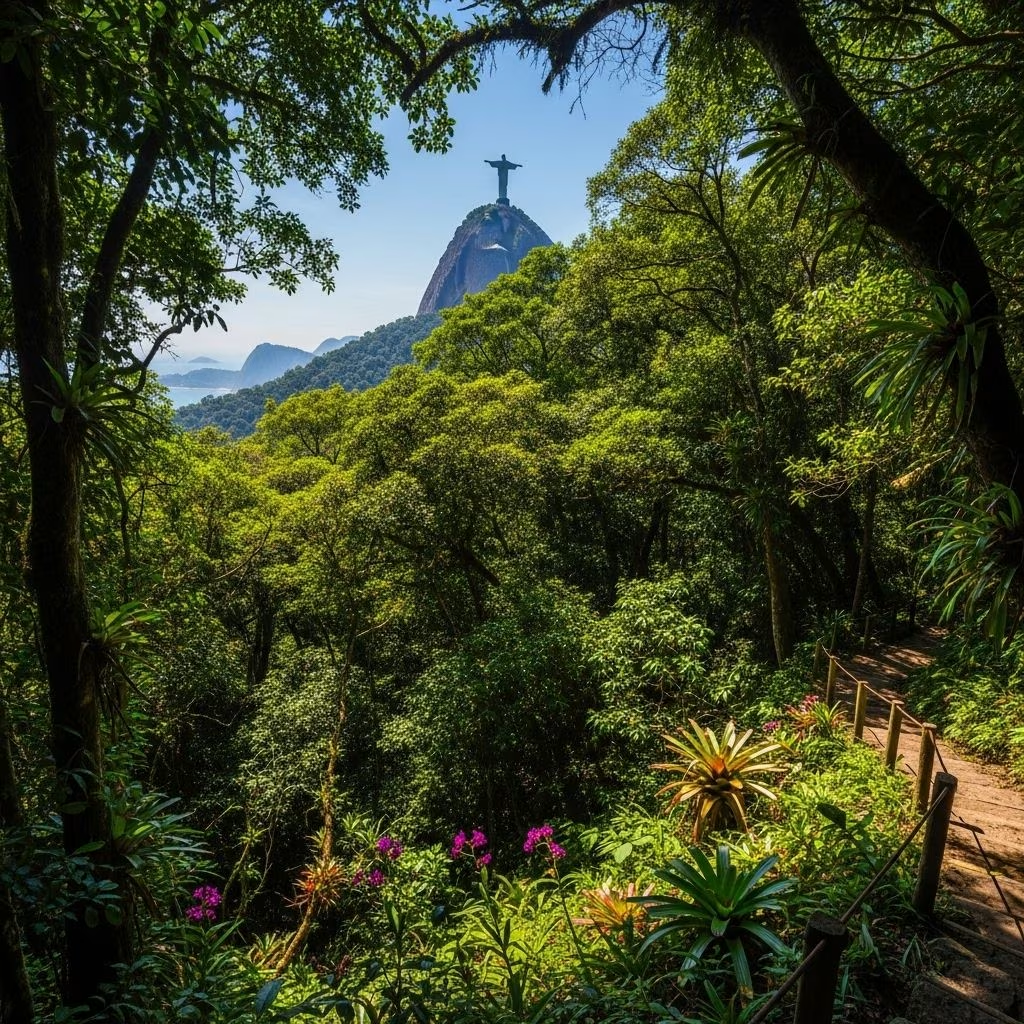
The Tijuca Forest: A Hand-Planted Urban Wonder
In the vibrant heart of Rio de Janeiro, the Tijuca Forest stands as a testament to the resilience of nature and human determination. Covering more than 32 square kilometers, it is recognized as the world’s largest urban forest, and remarkably, much of it was painstakingly planted by hand.
This green expanse, today a captivating tapestry of biodiversity, was not always so lush. In fact, Tijuca’s transformation reflects a story of ecological crisis, human intervention, and the enduring benefits of urban green spaces.
Origins: From Exploitation to Restoration
During the 19th century, Rio de Janeiro was rapidly expanding, and the hills surrounding the city were systematically deforested. The main drivers included the clearing of land for coffee plantations and fuel, which severely depleted the native Atlantic Forest ecosystem. This widespread destruction led to dramatic changes in the local climate, increased flooding, and threats to the city’s watersheds.
- Deforestation impacts: Soil erosion, reduced rainfall, and loss of wildlife became pressing concerns during this period.
- Coffee industry demands: Plantations replaced vast areas of native forest, contributing to ecological decline.
- Water scarcity: Deforestation threatened the springs and rivers supplying drinking water to Rio’s residents.
The Visionary Replanting of Tijuca Forest
The turning point arrived in 1861. Emperor Dom Pedro II, alarmed by the water crisis and environmental degradation, initiated a bold reforestation plan. The mission was entrusted to Major Manuel Gomes Archer, a military engineer and environmental steward.
- Start of restoration: Major Archer began the replanting phase in July 1861, enlisting teams of workers to plant native trees.
- Hand-planted process: Over a span of 13 years, more than 100,000 trees — mostly indigenous species of the Atlantic Forest — were planted by hand, tree by tree.
- Restoring balance: This reviving act set the foundation for long-term conservation and ecological stability.
The Significance of Urban Forests
Urban forests like Tijuca serve vital functions for both cities and nature:
- Regulating climate: Trees absorb carbon dioxide and help moderate urban temperatures.
- Water management: Restored forests protect watersheds, reduce flooding, and maintain water quality.
- Biodiversity: Native forests provide habitat for countless species, some of which are endangered.
- Recreation and well-being: Green space supports physical and mental health for city dwellers.
Ecology and Biodiversity: Tijuca’s Living Richness
Today, Tijuca Forest is home to an impressive array of flora and fauna, sustaining some of Brazil’s most renowned wildlife and endemic plants.
- Plant species: Ancient fig trees, bromeliads, orchids, and other Atlantic Forest natives flourish here.
- Bird life: The forest harbors toucans, howler monkeys, sloths, and over 100 bird species.
- Mammals: Capuchin monkeys, Brazilian squirrel, and armadillos can be spotted in the dense canopy.
- Ecosystem resilience: Biodiversity has rebounded, creating a self-sustaining ecological balance.
Community Involvement and Conservation Efforts
The preservation of Tijuca Forest is a testament to community engagement and continued stewardship. Conservation agencies, local volunteers, and educational programs keep the forest thriving and accessible.
- Active restoration: Ongoing reforestation and removal of invasive species help protect the forest’s health.
- Public awareness: Educational trails and interpretive signs highlight ecological value for visitors.
- Wildlife corridors: Efforts are underway to connect Tijuca with other green areas, supporting genetic diversity and migration.
Tourism and Recreation: An Urban Escape
As a protected National Park since 1961, Tijuca Forest offers locals and tourists a haven of natural wonder — all within reach of the city’s bustling urban life.
- Accessible trails: Hiking routes such as Pico da Tijuca (the park’s highest peak at 1,021 meters) provide panoramic views of Rio.
- Famous landmarks: The iconic Christ the Redeemer statue, set atop Corcovado Mountain, is surrounded by Tijuca’s greenery.
- Outdoor activities: The forest is perfect for birdwatching, nature walks, rock climbing, and photography.
Challenges and Ongoing Threats
Despite its success, Tijuca Forest faces ongoing challenges:
- Invasive species: Exotic plants and animals threaten the balance of native ecosystems.
- Pollution: Urban encroachment brings risks of litter, noise, and disruption to wildlife.
- Climate change: Extreme weather and global shifts threaten forests worldwide.
Conservation strategies focus on monitoring threats, restoring native species, and fostering sustainable tourism to minimize environmental impact.
Sustainable Urban Forest Management: Lessons from Tijuca
The hand-planted legacy of Tijuca has inspired urban forestry initiatives globally. Key lessons include:
- Restoration is possible: Even heavily degraded landscapes can recover with vision and effort.
- Community stewardship: Success depends on the involvement of local residents, governments, and environmental organizations.
- Focus on native species: Planting indigenous trees ensures ecological resilience and biodiversity.
- Long-term monitoring: Ongoing care, data collection, and adaptive management are essential.
Comparing Tijuca With Other Urban Forests
| Urban Forest | Location | Area (sq km) | Main Features |
|---|---|---|---|
| Tijuca Forest | Rio de Janeiro, Brazil | 32 | Hand-planted, Atlantic Forest, high biodiversity, urban integration |
| Central Park | New York City, USA | 3.41 | Designed landscape, urban park, cultural icon |
| Bukit Timah Nature Reserve | Singapore | 1.64 | Tropical rainforest, native flora, wildlife refuge |
| Yuelu Mountain Forest | Changsha, China | 5.8 | Ancient forest, cultural heritage, scenic vistas |
Ecological Benefits of Urban Forests
- Carbon sequestration: Urban forests play a key role in mitigating climate change by absorbing greenhouse gases.
- Air purification: Trees filter pollutants, improving urban air quality.
- Water cycle balance: Forests regulate rainwater, reducing runoff and replenishing aquifers.
- Cooling effects: Shaded areas help lower city temperatures and provide relief during heatwaves.
- Psychological well-being: Studies show access to nature reduces stress and improves happiness.
Frequently Asked Questions (FAQs)
Q: How big is the Tijuca Forest?
A: The Tijuca Forest stretches over 32 square kilometers, making it the largest urban forest in the world.
Q: Was Tijuca Forest really planted by hand?
A: Yes, most of the reforestation work was done manually in the 19th century, with over 100,000 trees hand-planted by laborers under Major Archer’s direction.
Q: Can visitors explore Tijuca Forest?
A: Absolutely. The park is open to the public and features hiking trails, scenic viewpoints, waterfalls, and the famous Christ the Redeemer statue.
Q: Why was the forest replanted?
A: Replanting was necessary to address environmental crises such as deforestation-driven water shortages, loss of habitats, and ecological instability in Rio’s watershed.
Q: What can other cities learn from Tijuca?
A: Tijuca demonstrates how urban forests can be restored through community involvement, focus on native species, and sustained management — essential lessons for cities globally facing ecological challenges.
How You Can Help Urban Reforestation
- Participate in community tree-planting programs and environmental education initiatives.
- Support urban forest conservation through local organizations and responsible tourism.
- Promote policies that protect green spaces and connect fragmented habitats.
- Advocate for sustainable urban planning that integrates natural ecosystems.
A Living Legacy for Generations
The hand-planted Tijuca Forest tells a story of despair transformed into hope, and ecological crisis answered with environmental vision. As the world’s largest urban forest, it provides not only a haven for countless species but also a model for urban restoration and resilience. The continued stewardship of Tijuca demonstrates the power of individual and collective action, offering inspiration for green cities and thriving communities everywhere.
References
- https://www.en-vols.com/en/inspirations-en/environment/urban-forest-rio-brazil/
- https://growbilliontrees.com/pages/inside-the-world-s-largest-miyawaki-forest-how-kutch-is-redefining-india-s-green-future
- https://www.tripadvisor.com/ShowUserReviews-g303506-d311246-r181534121-Parque_Nacional_da_Tijuca-Rio_de_Janeiro_State_of_Rio_de_Janeiro.html
- https://www.intelligentliving.co/most-impressive-urban-forests-around-the-world/


