\n\n
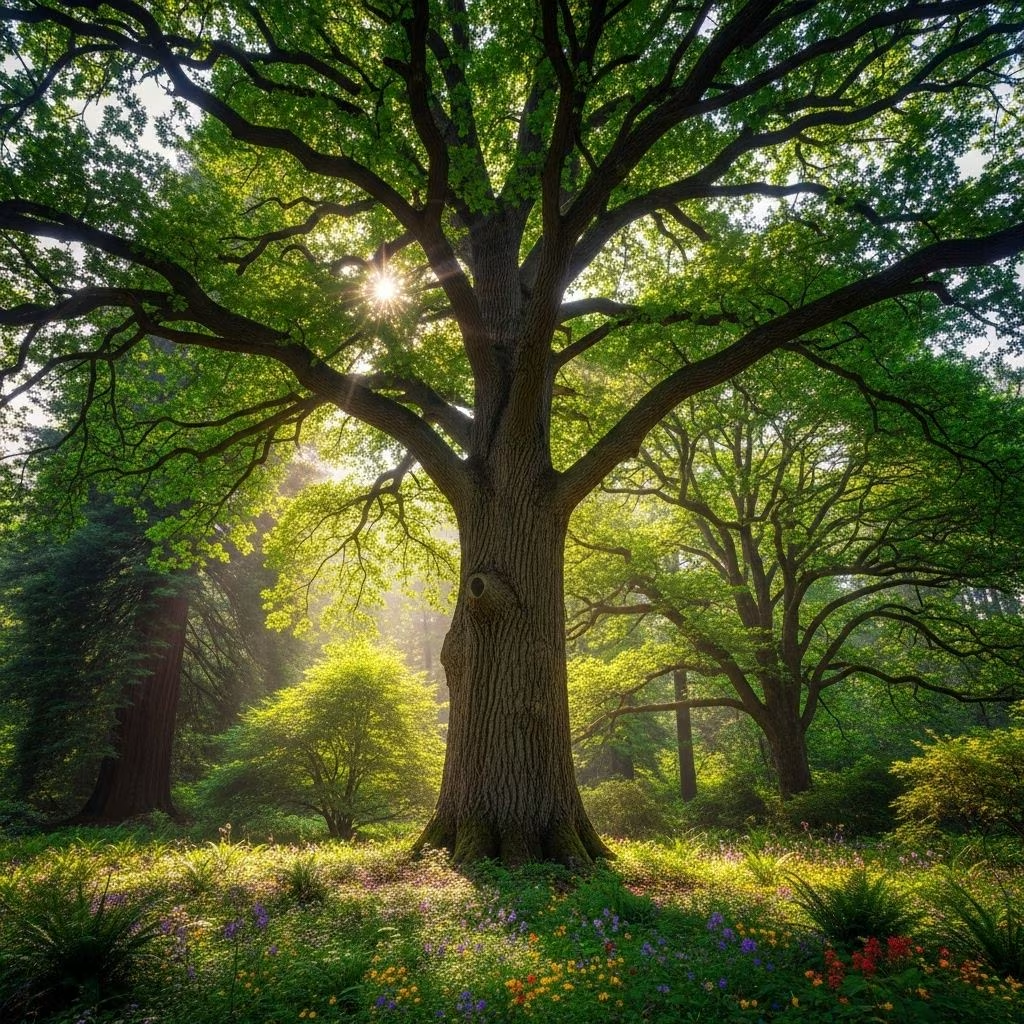
The United States is home to thousands of towering, ancient trees that have stood watch over the landscape for centuries. These monumental living landmarks, known as Champion Trees, are the largest of their species and are celebrated on the National Register of Champion Trees. For anyone curious about these gentle giants, this article offers a comprehensive journey through the origins, criteria, and wonders of America’s big trees—along with a guide to finding your state’s tallest residents.
\n\n
What is the National Register of Champion Trees?
\n\n
The National Register of Champion Trees is an official list managed since 1940, originally by American Forests and now overseen by the University of Tennessee School of Natural Resources. Its purpose is to document, recognize, and protect the largest specimens of native and naturalized tree species across the United States.
\nEvery tree listed as a champion has been measured and verified against a strict set of criteria. The register serves not only as an archive of spectacular trees but also as a call for stewardship, education, and community involvement in tree conservation.
\n\n
How Are Champion Trees Measured and Crowned?
\n\n
Champion Trees earn their place in the register using a distinctive point system, which ensures fair comparison across different species:
\n\n
- \n
- Trunk Circumference: Measured in inches.
- Height: Measured in feet.
- Average Crown Spread: One quarter of the tree’s average crown spread in feet is added to its score.
\n
\n
\n
\n\n
The formula for calculating a Champion Tree’s points is:
\n\n
Points = Trunk Circumference (in inches) + Height (in feet) + (Average Crown Spread in feet / 4)
\n\n
After trees are nominated by the public or expert observers, state coordinators verify the measurements and health status before adding them to the registry. Trees are re-verified every ten years, and new nominations are considered annually.
\n\n
The Legacy and Importance of Big Trees
\n\n
Champion Trees are more than natural curiosities—they are biological treasures, ecological anchors, and living bridges between generations. Many serve as vital habitats, preserve genetic diversity, and offer a living record of environmental history:
\n\n
- \n
- Ecological Role: Provide habitat for wildlife, contribute to water and soil health, and store vast amounts of carbon.
- Cultural Significance: Some champion trees are woven into the stories and identities of local communities.
- Educational Value: Inspire scientific research and environmental stewardship.
- Historical Context: Many have survived early logging booms, storms, and changing climates over centuries.
\n
\n
\n
\n
\n\n
Finding Your State’s Champion Trees
\n\n
Every state in the U.S. maintains its own record of champion trees, often in partnership with local forestry programs and universities. Whether you’re seeking a white pine in Maine, a towering Sitka spruce in Alaska, or the legendary cypresses of Florida, here’s how you can start your search:
\n\n
- \n
- Consult the latest National Register of Champion Trees online database, searchable by state, species, and county.
- Check with your state’s Champion Tree Program or forestry department for regional listings and updates.
- Many local organizations and universities also maintain lists of significant trees in city parks, campuses, and nature preserves.
\n
\n
\n
\n\n
| State | Champion Tree Species | Circumference (inches) | Height (feet) | Total Points | Location |
|---|---|---|---|---|---|
| California | Abies concolor (White Fir) | 251 | 227 | 489 | Mariposa County |
| Pennsylvania | Abies balsamea | 160 | 104 | 277 | Adams County |
| Florida | Taxodium distichum (Bald Cypress) | ~545 | ~96 | ~766 | Multiple locations |
| Washington | Picea sitchensis (Sitka Spruce) | ~680 | ~191 | ~922 | Olympic National Park |
| Missouri | Quercus macrocarpa (Bur Oak) | ~350 | ~90 | ~464 | Private Property |
\n\n
How Trees Are Nominated and Verified
\n\n
Anyone can nominate a potential champion tree. Here’s how the process works:
\n\n
- \n
- Submit a nomination with detailed measurements and photographs through the official Champion Tree Program website or your state coordinator.
- State and national experts review measurements and confirm the tree’s species and health status.
- Trees crowned as national champions receive official recognition, are added to the register, and must be re-verified regularly.
\n
\n
\n
\n\n
Beginning in 2025, nominations are opening not only for native and naturalized species, but also for “culturally important non-native” species for the first time in the history of the register.
\n\n
Why Do Champion Trees Matter?
\n\n
Champion Trees play a pivotal role in conservation, public education, and scientific research. Their protection brings several benefits:
\n\n
- \n
- Raise awareness about the importance of old-growth forests and tree diversity.
- Provide valuable data on resilience, adaptation, and growth patterns over time.
- Support community engagement and stewardship among volunteers, researchers, and local governments.
- Highlight rare and unique species deserving further conservation efforts.
\n
\n
\n
\n
\n\n
State Champion Tree Programs and Resources
\n\n
Many states have robust tree champion programs and public databases. Examples include:
\n\n
- \n
- Alabama Champion Tree Program
- Arkansas Champion Tree Program
- Virginia Big Tree Program
\n
\n
\n
\n\n
These programs not only identify noteworthy trees but also involve citizens in tree measurement, protection, and celebration.
\n\n
How You Can Get Involved
\n\n
Anyone can contribute to the preservation and celebration of big trees:
\n\n
- \n
- Explore local champion tree lists on forestry websites.
- Participate in tree measurement days hosted by local or state forestry departments.
- Nominate exceptional trees in your area for recognition on the state and national register.
- Educate others about the significance of protecting large, old trees.
\n
\n
\n
\n
\n\n
Champion Tree Facts and Records
\n\n
- \n
- The Champion Tree program began in 1940 with just 77 recognized giants. By 2021, the registry listed over 562 national champions.
- There are currently over 1,200 eligible tree species for nomination.
- Champion Sitka spruces in Olympic National Park have reached over 190 feet tall and earned more than 900 points in the register.
- Programs moving to new management have broadened accessibility and conservation partnerships nationally.
\n
\n
\n
\n
\n\n
Frequently Asked Questions (FAQs)
\n\n
Q: What is a Champion Tree?
\n
A: A Champion Tree is the largest documented individual of its species in the United States, determined by specific measurements of circumference, height, and crown spread.
\n\n
Q: Can non-experts nominate a tree?
\n
A: Yes. Anyone can nominate a tree using the register’s online portal or by contacting state coordinators.
\n\n
Q: How often are champion trees verified?
\n
A: All trees on the national register are re-verified every 10 years to ensure accuracy and health status.
\n\n
Q: Are all the champion trees protected?
\n
A: While recognition raises awareness, not all champion trees have formal protection. However, many reside in parks, preserves, and other protected lands.
\n\n
Q: How can I find champion trees near me?
\n
A: Use the searchable register online, check state champion tree databases, and consult local forest service or conservation groups.
\n\n
Conclusion: Celebrating America’s Gentle Giants
\n\n
Whether you’re a scientist, a hiker, a nature lover, or a curious citizen, America’s Champion Trees have stories to tell and lessons to teach. Discovering your own state’s big trees can spark a lifelong passion for conservation and environmental stewardship. By exploring the National Register and getting involved in your local tree programs, you help ensure these monumental living landmarks thrive for future generations.
\n
References
- https://www.iflscience.com/champion-trees-assemble-new-register-seeks-to-crown-the-united-states-largest-trees-77706
- https://en.wikipedia.org/wiki/National_Register_of_Champion_Trees
- https://utianews.tennessee.edu/new-register-crowns-champion-trees-across-the-u-s/
- https://d3f9k0n15ckvhe.cloudfront.net/wp-content/uploads/2021/11/2021-National-Register-of-Champion-Trees.pdf
- https://nationalchampiontree.org
- https://www.americanforests.org/champion-trees/champion-trees-registry/
- https://www.americanforests.org/champion-trees/
- https://nationalchampiontree.org/champion-tree-registry/