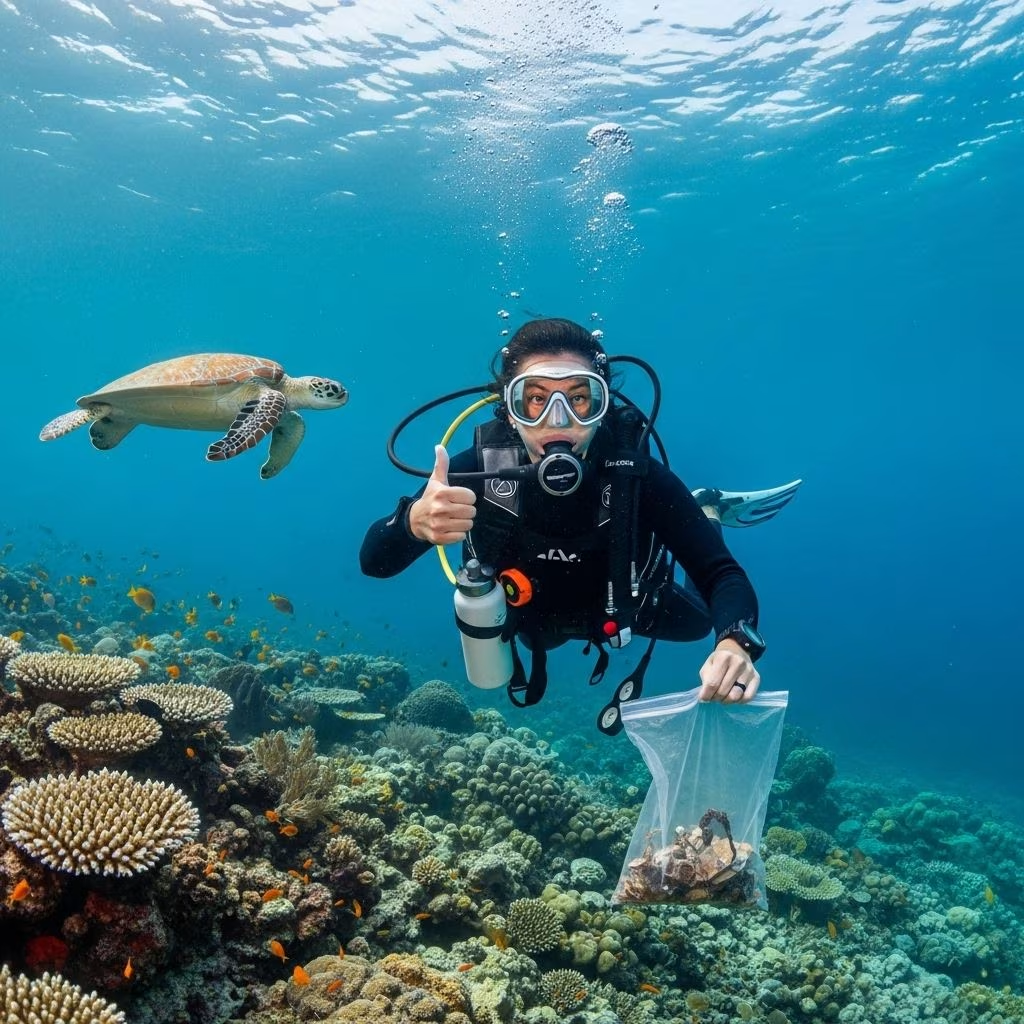
Can Scuba Diving Be Green?
Scuba diving offers a unique glimpse into the vibrant, mysterious world beneath the waves. For many, it’s a life-changing experience, inspiring a new level of awe and respect for the ocean. However, the growth of recreational diving worldwide has raised legitimate concerns about its potential environmental impact. This article examines the ways in which scuba diving can— and must— become greener, outlining practical steps for both divers and operators to help protect marine ecosystems.
Understanding the Environmental Impact of Scuba Diving
While scuba diving is often associated with environmental awareness, its practice can have unintended negative effects on fragile marine habitats. These effects can be direct—such as divers accidentally kicking coral, stirring up sediment, or touching marine life—or indirect, like pollution from dive boats, anchors damaging the seafloor, or increased localized pressure on popular dive spots.
- Coral Damage: Even a single fin kick or unintentional grab can break delicate coral polyps, disrupting entire micro-ecosystems.
- Disturbance to Marine Life: Touching or chasing marine animals can cause them great stress, interrupt mating or feeding, and alter their natural behavior.
- Pollution: Dive operations can contribute to marine pollution through fuel spills, waste, or the use of single-use plastics on boats.
- Anchor Damage: Boats anchoring near reefs can crush corals and other seafloor organisms.
- Tourism Footprint: Large numbers of divers can erode reefs and leave cumulative impacts, especially at popular, unregulated sites.
But does this mean scuba diving can’t be sustainable? Not at all. As stewards of the underwater world, divers and operators have a responsibility—and an opportunity—to lead the way in ocean conservation.
What Does Sustainable Scuba Diving Look Like?
Sustainable or green scuba diving minimizes harm and ideally supports the long-term health of marine ecosystems. It goes beyond simply “not damaging” the environment; it actively contributes to conservation, education, and restoration.
Key principles of sustainable diving include:
- Mastery of buoyancy control to avoid contact with the reef and seafloor.
- “Hands-off” interaction—never touching corals, fish, or other marine life.
- Use of permanent mooring buoys instead of boat anchors.
- Participation in conservation projects, such as reef clean-ups or coral planting.
- Selection of eco-friendly equipment and dive operators that prioritize the well-being of reefs.
- Education and advocacy to spread awareness among fellow divers, local communities, and the broader public.
Sustainable diving also means supporting marine protected areas (MPAs), respecting local regulations, and considering the broader environmental footprint of travel—including carbon emissions and plastic use.
How Divers Can Reduce Their Impact
Individual divers can make a substantial difference simply by adopting a few essential skills and habits:
- Perfect Your Buoyancy: Being in control of your buoyancy prevents accidental contact with the reef and minimizes sediment disturbance, a key cause of coral stress. Consider additional training like Peak Performance Buoyancy courses.
- Observe, Don’t Touch: Never touch, chase, or attempt to ride marine creatures. Even shells, rocks, and sand are habitats for life forms.
- Streamline Your Gear: Secure hoses, gauges, and cameras so they don’t drag or dangle.
- Keep Your Fins Up: Avoid using your fins for balance or propulsion close to the bottom; fin kicks can break corals and stir sediment.
- Respect the Rules: Follow all posted rules at dive sites, including restrictions on areas or species.
- Choose Reef-Safe Sunscreen: Many commercial sunscreens contain chemicals harmful to reefs. Opt for mineral-based or “reef-safe” variants, or wear UV-blocking rash guards instead.
- Minimize Plastic Use: Bring reusable water bottles and bags; avoid single-use plastics when possible.
- Participate in Conservation: Join local clean-ups, help with citizen science projects, or donate to reputable marine conservation organizations.
The Role of Dive Operators in Conservation
Dive operators are gateways to the underwater world—and bear special responsibility for safeguarding the environments they depend on. Forward-thinking dive centers are adopting strategies that prioritize both business viability and ecosystem health.
- Use of Mooring Buoys: Establishing permanent buoys prevents harmful anchoring and reduces habitat destruction.
- Eco-Friendly Boats and Operations: Upgrading to fuel-efficient engines, maintaining vessels, and switching to eco-friendly cleaning products helps reduce overall pollution.
- Education and Briefings: Effective pre-dive briefings emphasize environmental rules and best practices. Continued education for both staff and guests is essential.
- Supporting Local Conservation: Operators often partner with NGOs, schools, and citizen science initiatives; some participate in coral nurseries or adopt local reefs for long-term stewardship.
- Reducing Waste: Offering water refill stations, banishing single-use plastics, and providing reusable cups or containers to guests are increasingly common measures.
- Responsible Group Management: Limiting group sizes lessens cumulative damage at sensitive sites.
- Community Engagement: Investing in local education, employment, and marine biology training creates advocates and stewards within the community.
Partnerships with eco-friendly gear brands and sustainable suppliers further reinforce these commitments.
Choosing Eco-Friendly Scuba Gear
Even the equipment divers use can influence sustainability. Many manufacturers now offer responsible solutions, and divers can make mindful choices by:
- Opting for gear made from recycled or sustainable materials, such as wetsuits from recycled plastics.
- Using long-lasting, high-quality equipment, which reduces waste.
- Choosing a reusable water bottle instead of disposable plastics, and packing out all waste.
- Purchasing biodegradable, non-toxic cleaning products for gear maintenance.
- Selecting eco-friendly sunscreens certified “reef safe” by reputable organizations or opting for physical sun protection (like UV shirts).
- Supporting innovations such as dive computers or cameras that record environmental data and can contribute to marine research (e.g., the Paralenz Vaquita underwater camera).
| Gear/Item | Feature | Eco Benefit |
|---|---|---|
| Paralenz Vaquita Camera | Collects environmental data (temperature, depth) | Supports marine science, raises awareness |
| Stream2Sea Sunscreen | Reef-safe, biodegradable | Reduces chemical harm to coral reefs |
| Reusable Aluminum or Steel Water Bottle | Durable, easy to refill | Eliminates single-use plastics on dive trips |
| Fourth Element Surface Suit | Sustainable materials, keeps divers warm | Reduces resource use, longevity |
Certifications and Eco-Labels for Sustainable Diving
Eco-certifications help divers and travelers identify operations committed to environmental responsibility. Key programs include:
- Green Fins: Supported by the UN and NGOs, this certification provides standards for sustainable diving and snorkeling operators worldwide.
- Travelife: Awards sustainable tourism operators who meet strict social, economic, and environmental standards.
- Blue Flag: Certifies sustainable beaches and marinas, often near desired dive sites.
- PADI’s Eco Center and Adopt the Blue: Recognizes dive centers with active conservation involvement.
When planning travel, look for these or similar certifications as a first step.
Making a Real Difference: Community and Marine Conservation
The impact of green scuba diving reaches beyond individual reefs and tourist destinations. It helps foster strong, engaged communities who value and defend their marine resources far into the future. Many successful conservation programs integrate:
- Education: Teaching youth and adults about reef health, biodiversity, and sustainable tourism.
- Active Restoration: Establishing coral nurseries, transplanting coral, and creating artificial reefs to rehabilitate degraded areas and provide new habitats.
- Direct Action: Organizing and participating in underwater cleanups, debris removal, and monitoring programs.
- Research & Citizen Science: Equipping divers with tools and knowledge to collect valuable data for marine scientists (species ID, water quality, and coral health).
- Community Partnerships: Supporting local livelihoods reduces unsustainable practices such as overfishing, dynamiting, or coral extraction.
By working together—divers, operators, scientists, and local communities—scuba diving can truly act as a force for good in ocean conservation.
Frequently Asked Questions (FAQs)
Q: Can scuba diving ever be 100% environmentally neutral?
A: Complete neutrality is difficult due to factors like boat fuel, travel emissions, and human presence. However, with careful planning, responsible choices, and restorative actions, the impact can be minimized—and often offset with positive contributions.
Q: What are some signs of a sustainable dive operator?
A: Look for environmental certifications (like Green Fins), evidence of conservation efforts, education-focused pre-dive briefings, mooring buoys instead of anchors, commitment to reducing waste, sustainable equipment, small group sizes, and community engagement.
Q: Is it better to avoid popular reefs entirely?
A: Not necessarily. Popular reefs often have management protocols to reduce damage. The key is to follow best practices and support operators who rotate sites, invest in restoration, and limit visitor pressure.
Q: What should I do if I see another diver damaging the reef?
A: Politely and constructively share information on best practices, or speak with the guide or instructor. Raising awareness is key to improving diver behavior.
Q: Are there risks to marine life from sustainable dive gear?
A: Most eco-friendly gear is designed to reduce harm, but it’s important to avoid anything (like clips, lights, or loose items) that could entangle or harm wildlife. Always secure all gear before every dive.
Final Thoughts: Guardians of the Blue
With thoughtful practices, scuba diving can become a net positive for the ocean. The sport gives divers unique access and a deeper sense of stewardship, empowering them to protect what they love. By understanding their impact, supporting sustainable operators, choosing eco-friendly gear, and participating in restoration and education, divers can ensure that the wonders of the underwater world remain healthy and accessible for generations to come.
References
- https://sanddollarsports.com/sustainable-scuba-diving-in-cozumel-with-sand-dollar-sports/
- https://www.zubludiving.com/articles/zublu-insights/5-must-have-scuba-equipment-for-the-sustainable-diver
- https://www.divevolkdiving.com/blogs/diving/sustainable-diving-practices
- https://www.coralguardian.org/en/sustainable-scuba-diving/
- https://www.diversdirect.com/w/sustainable-diving-blog
- https://blog.padi.com/top-5-practices-best-sustainable-diving-destinations/
- https://www.divessi.com/en/blog/tips-for-sustainable-diving-8521.html
- https://coral.org/en/blog/a-call-for-sustainable-practices-in-diving-community/