


Why You Should Save the Real Thing Instead of Buying Knockoff Designer Furniture
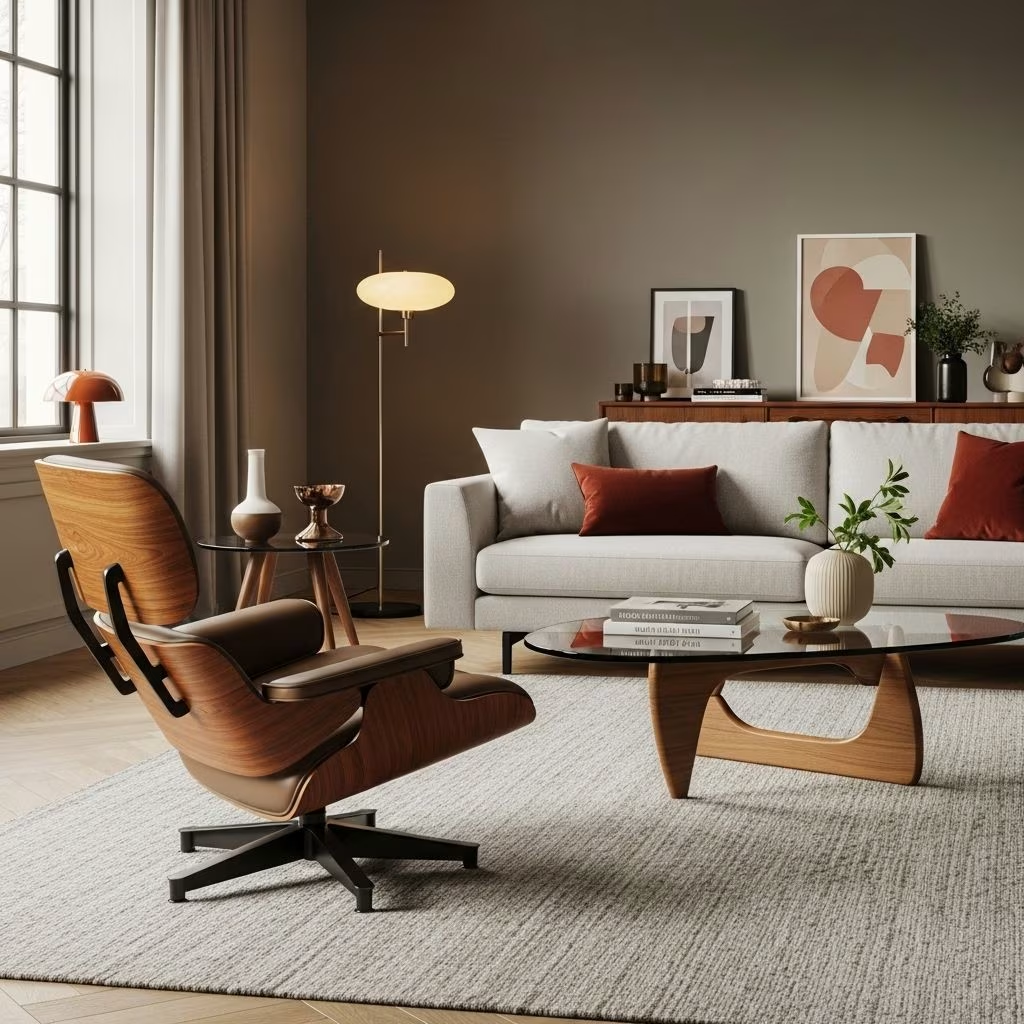
Designer furniture occupies a unique place in our homes and culture. Whether it’s the elegant Eames Lounge Chair, the iconic Barcelona Stool, or a timeless mid-century modern piece, the decision to invest in authentic designer furniture versus a knockoff isn’t just about looks—it’s about sustainability, quality, ethics, and true value. Below, we explore the complex reasons why choosing the original matters so much more than opting for a copy.
The Lure of Knockoff Designer Furniture
In the age of online shopping, it’s easy to stumble across strikingly affordable “replicas” or “inspired by” versions of designer chairs, tables, and lamps. The appeal is obvious: why spend thousands on a Vitra or Herman Miller original when you can get the same look at a fraction of the price?
- Cost savings: Knockoffs are often priced much lower than originals—sometimes at less than half the cost, making them attractive for budget-conscious shoppers.
- Easy availability: Replica furniture can be found everywhere from large e-commerce platforms to specialty knockoff sites catering to every taste.
- Instant gratification: Quick shipping and stock availability mean buyers can obtain the look they want without delay or long backorders.
However, behind the initial savings and convenience lies a series of pitfalls that buyers may not recognize until it’s too late.
What Makes a Piece Authentic?
When we talk about “original” furniture, what do we really mean? The answer is nuanced and has to do with both history and legal protections.
- Original: The initial prototype or the very first limited batch made by the designer or under their direction—often only found in museums or specialized auctions.
- Licensed re-edition: Official reproductions manufactured with the designer’s approval or their estate’s consent, often manufactured by established brands such as Herman Miller, Knoll, or Cassina with attention to original designs and details.
- Knockoff/Replica: Unlicensed versions produced without consent, often with lower-quality materials and construction, and sometimes infringing on intellectual property laws.
The distinction is crucial not just for legality but for the quality and sustainability of what ends up in your home. Licensed manufacturers invest in consistent quality, authentic materials, and environmental certification, while knockoff producers often do not.
The True Cost of Knockoffs: Environment, Quality, and Ethics
Though cheap knockoffs may be tempting, their hidden costs go far beyond the sticker price. When you factor in the lifecycle of the product, supporting original design becomes the more sustainable and responsible choice.
1. Environmental Impact
- Shorter lifespan: Knockoffs, built from inferior materials with rushed manufacturing processes, tend to break, discolor, or deform much faster than originals. This means more frequent disposal or replacement, often ending up in landfills.
- Lack of sustainability certifications: Established brands often utilize FSC-certified woods, low-VOC finishes, and recycled materials—standards that aren’t guaranteed with replicas.
- Supply chain concerns: Knockoff production may involve unsustainable practices, questionable sourcing, and excessive shipping footprints.
2. Quality and Durability
- Structural integrity: Tests demonstrate originals withstand far greater wear and tear. For example, a stress test found that authorized Series 7 chairs from Fritz Hansen survived multiple heavy impacts, while knockoffs collapsed after just a few jumps.
- Warranty and support: Established manufacturers back their designs with 5- to 12-year guarantees, extensive support, and repair services. Knockoffs offer little to no after-sale service or warranty, leaving buyers vulnerable.
- Material quality: Brands like Herman Miller perform rigorous material tests on everything from textiles to metals, resulting in pieces that last decades with proper care.
3. Ethics and Fairness
- Intellectual property theft: Knockoff production involves copying protected designs, undermining the creative work of designers and depriving original companies (and sometimes their employees) of income.
- Workers’ rights and safety: Many knockoff factories, especially overseas, have little oversight on working conditions and fair pay, unlike long-established design companies who must meet regulatory and ethical standards.
Ultimately, the hidden environmental, social, and ethical toll of knockoffs can make them the most expensive option in the long run.
Authentic Design and Sustainability
One of the most powerful arguments for saving and purchasing originals is their inherently sustainable nature:
- Long service life: Real designer furniture is built to last a lifetime, often becoming heirlooms that can be repaired, resold, or passed down rather than discarded.
- Timeless appeal: True design icons rarely go out of style. Their enduring value encourages owners to maintain and cherish them, reducing wasteful turnover.
- Repairability: Unlike mass-produced knockoffs, timeless designs often have available replacement parts and services, extending their lifespan even further.
- Secondhand market strength: Originals hold resale value and are prized in vintage and antique markets, further maximizing their usefulness before they exit the material stream.
The best designer furniture sets a standard for sustainability, offering a reusable, repairable, and endlessly desirable alternative to “fast furniture.”
The Lasting Value of Originals
When comparing originals and knockoffs, price can be deceiving. Consider the value and cost over time:
| Aspect | Original Designer Furniture | Knockoffs / Replicas |
|---|---|---|
| Initial Cost | High | Low |
| Durability | Decades (often lifetime with maintenance) | 1–5 years (commonly) |
| Resale Value | High (may increase with age or rarity) | Little to none |
| Warranty & Support | Extensive | Rare or nonexistent |
| Aesthetic & Cultural Value | Enduring appeal, design history authenticity | Superficial resemblance, no real provenance |
While the upfront expense is greater, investing in genuine designer furniture pays off in longevity, aesthetics, and even future monetary return if you ever resell.
How to Recognize Originals vs. Knockoffs
Not every buyer is a design historian, but some clues will help you determine if a piece is the real deal:
- Check documentation: Originals often come with certificates of authenticity, stamped markings, or serial numbers. Beware of vague or missing paperwork.
- Examine details: Authentic pieces feature pristine joinery, consistent stitching, and substantial weight. Look for high-quality hardware and finishes.
- Compare pricing: If a price seems too good to be true—more than 50% off regular retail for a supposedly new design classic—it very likely is a fake or unauthorized replica.
- Reputable sources: Purchase only from authorized dealers or trusted vintage shops that can verify provenance.
Knowledge is your best weapon against inadvertently boosting the knockoff market.
Ethical Concerns and Cultural Impact
Investing in authentic design supports not only the original creator but also upholds a culture of innovation and respect for intellectual property. Here’s how:
- Designer recognition and compensation: Buying legitimate pieces ensures that royalties, credit, and recognition flow to those who spent years developing groundbreaking designs.
- Cultural preservation: Every authentic piece sold helps keep manufacturing knowledge, craft, and respect for design history alive. Knockoffs erode this precious ecosystem by prioritizing profit over creativity.
- Brand support: Sustaining the companies that manufacture licensed re-editions allows for ongoing innovation, design experimentation, and the creation of tomorrow’s classics.
Tips for Buying Authentic Designer Furniture
If you’re considering a design classic, some smart steps can ensure you get the genuine article and maximize its value for years to come:
- Do your research: Learn about your target piece’s history, common marks, and authentic manufacturers.
- Buy from authorized retailers: Purchase through certified dealers, galleries, or direct from brands renowned for their commitment to authenticity and service.
- Look for documentation: Ask for certificates, provenance, serial numbers, and any supporting paperwork.
- Inspect the piece in person: Whenever possible, closely examine quality details—stitching, finish, materials, and weight.
- Consider the secondhand market: Well-preserved originals often appear at auction houses, vintage fairs, and online specialty shops, offering access to unique pieces with a proven pedigree.
Frequently Asked Questions (FAQs)
Q: Why are originals so much more expensive than knockoffs?
A: The price of authentic designer furniture reflects not only the quality of materials and skilled manufacturing but also pays royalties to designers or estates, funds responsible production methods, and supports long-lasting warranty and aftercare.
Q: Are all knockoffs illegal?
A: Not always—some older designs have moved into the public domain, but many replicas are produced without authorization and breach intellectual property laws, especially when marketed as authentic or bear brand logos.
Q: Can vintage or secondhand furniture be considered sustainable?
A: Absolutely. Purchasing or restoring vintage originals is among the most sustainable choices, maximizing value and reducing waste while retaining a piece of design history.
Q: How can I tell if my furniture is a licensed re-edition or a knockoff?
A: Check for official certification, dealer reputation, specific markings or stamps, and compare with online resources. If in doubt, consult with an expert or appraiser familiar with the specific design.
Q: What happens to knockoffs when they break?
A: They are usually disposed of, given that replacement parts and repair support are rare. Landfills then absorb much of this waste, contributing to sustainability problems in the furnishings industry.
Final Thoughts
Every time we choose to invest in an authentic piece of designer furniture, we support creativity, craftsmen, and a more sustainable planet. The choice between an original and a knockoff is about more than just money—it’s a statement about our values, the future we want to see, and the type of world we’ll leave behind.
References
- https://www.connox.com/design-knowledge/original-plagiarism-certified-copy-differences.html
- https://ipmall.law.unh.edu/sites/default/files/hosted_resources/IDEA/56_idea_359_alcantar.pdf
- https://www.thegoodtrade.com/features/eco-friendly-furniture-brands-for-a-stylish-and-conscious-home/
- https://www.cb2.com


