The Art and Science of the Peanut Butter & Jelly Sandwich
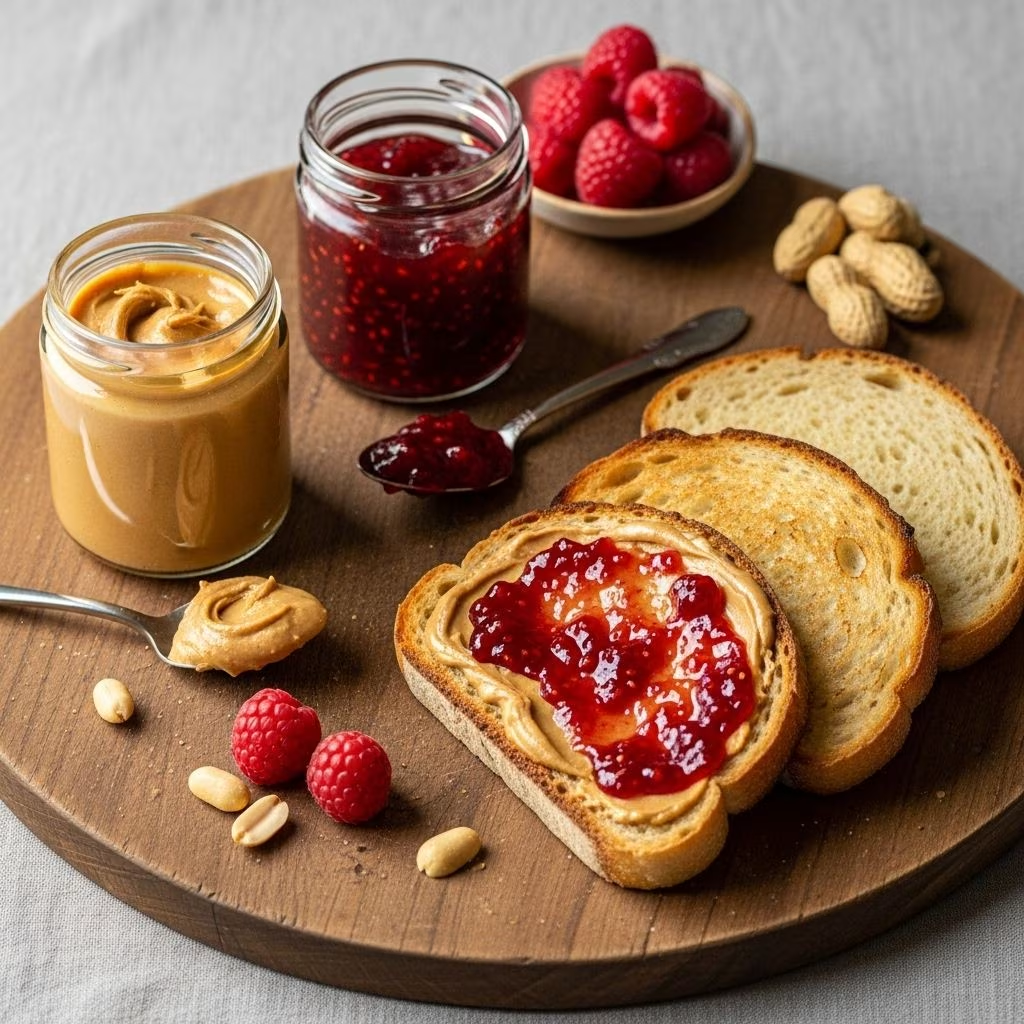
The peanut butter and jelly sandwich (commonly called PB&J) remains a timeless comfort food. Its simplicity belies the science, craftsmanship, and customization that go into creating a truly epic version. Whether you crave nostalgic flavors or an elevated experience, understanding the details—from your bread choice to the order of spreads—can transform this lunchbox staple into a masterpiece.
Why Technique Matters for PB&J
Though it may seem basic, how you assemble your sandwich dramatically affects texture, flavor, and satisfaction. Each component offers opportunities for personalization and enhancement, and small changes can have big impacts.
- Bread type alters texture and flavor foundation.
- Peanut butter selection affects creaminess, stickiness, and overall mouthfeel.
- Jelly consistency and flavor determine spreadability and sweetness.
- Assembly technique decides whether your sandwich is balanced, clean, and delicious—or messy and forgettable.
Step 1: Choosing the Right Bread
Bread is the structural base of a PB&J. Here are criteria to consider when making your selection:
- Soft, uniformly sliced sandwich bread works best for spreadability and nostalgia.
- Sturdy, crusty loaves like sourdough or whole wheat offer more chew and rustic flavor, but may require more peanut butter to avoid tearing.
- Texture and flavor should complement—not overpower—the fillings.
Common bread choices:
- Classic white sandwich bread
- Whole wheat sandwich bread
- Challah (for richness and softness)
- Sourdough or country loaf (for tang and structure)
- Brioche (for a tender, sweet variation)
Tip: Avoid bread that’s too dry or stale to prevent crumbling, and steer clear of breads with strong flavors that might compete with peanut butter and jelly.
Step 2: Picking the Best Peanut Butter
Peanut butter is more than simply “creamy” or “crunchy.” The type, texture, and even the salt and sugar content influence every bite.
- Creamy peanut butter spreads easily and offers a uniform mouthfeel.
- Chunky or crunchy peanut butter adds textural contrast, with bursts of nutty flavor.
- Natural vs. commercial: Natural peanut butters may separate and require stirring but deliver intense peanut flavor; commercial brands are emulsified and reliably spreadable.
- Salt and sweetness: Balancing a touch of salt or a hint of sweetness, depending on the jelly, is essential for harmony.
Experiment with almond, cashew, or sunflower seed butters for nutty alternatives to classic peanut butter.
Step 3: Jelly, Jam, or Preserves?
Jelly, jam, and preserves are not interchangeable. Each one brings unique qualities to your sandwich:
- Jelly is smooth and gel-like, easy to spread, and less likely to spill.
- Jam contains more fruit pulp, offering richer flavor and a bit of texture.
- Preserves have larger fruit chunks, offering bursts of fruity intensity and a rustic bite.
- Marmalade brings citrus brightness for those who love a tart note.
Classic PB&J flavors include:
- Grape jelly (traditional and sweet)
- Strawberry jam (bright and balanced)
- Raspberry preserves (tart, sometimes with seeds)
- Apricot, cherry, or fig for creative twists
Look for high-quality, fruit-forward spreads that avoid high-fructose corn syrup for best results.
Step 4: The Great Butter Debate
Some home cooks and culinary professionals advocate for a thin layer of butter, especially on each bread slice’s jelly side.
- Why butter? It acts as a barrier, preventing soggy bread, and adds richness.
- How much? A whisper-thin layer—don’t overpower the peanut butter and jelly.
- Toasted bread: Butter turns extra golden and crisp when grilled, yielding a decadent treat.
Butter is optional. For those who prefer a lighter sandwich, skip it.
Step 5: The Ideal Peanut Butter to Jelly Ratio
Balance is paramount in the ultimate PB&J. Too little jelly equals dryness; too much, and the sandwich becomes slippery.
- Recommended starting point: About 2 parts peanut butter to 1 part jelly (by weight or volume).
- Adjust based on: Bread type, spread thickness preference, type of peanut butter and jelly.
Pro Trick: Always spread peanut butter on both slices of bread to form a protective barrier—this prevents jelly from seeping into the bread and keeps the sandwich intact.
Step 6: Smearing and Layering for Perfection
| Step | Action | Purpose |
|---|---|---|
| 1 | Evenly spread peanut butter onto both slices of bread | Protects bread, maximizes peanut flavor |
| 2 | Spread jelly evenly over one peanut butter-coated side | Prevents sogginess, keeps jelly contained |
| 3 | Close the sandwich with peanut butter side facing jelly side | Creates sandwich with even layers |
| 4 | Press gently to seal edges | Reduces spillage and mess during eating |
Extra Tips:
- Use a butter knife or offset spatula for smooth, even spreading.
- Clean the knife between spreading each filling to keep flavors distinct and prevent contamination.
- Wipe away excess peanut butter before dipping into the jelly jar to avoid mixing flavors in the source containers.
Step 7: How to Cut Your PB&J
Presentation isn’t everything, but it enhances the eating experience, especially for kids (or the young at heart).
- Triangles are classic and expose more soft bread for a tender bite.
- Rectangles (halved) are lunchbox-friendly and minimize crust.
- Fancy shapes (use biscuit or cookie cutters) for fun lunches.
- Crust on or off: Purely personal preference.
Pro Tip: Use a sharp, serrated knife and let the sandwich rest a minute so the spreads firm up for cleaner edges.
Advanced PB&J Techniques
Toasted or Grilled PB&J
- Toasted PB&J creates crispy crust with gooey interiors, evoking a cross between French toast and a classic grilled cheese.
- Butter the outside of each bread slice, grill in a skillet over medium-low heat until golden on both sides and warm throughout.
Open-Faced PB&J & Dessert Variations
- Elevate with thick slices of country bread, toasted, and topped generously with peanut butter, jam, a sprinkle of flaky salt, or fresh fruit.
- Try adding chocolate chips, honey, or spices (such as cinnamon) for a dessert vibe.
Layered and Super-Stacked
- Double-layer: Add another slice of bread and repeat layers for a picnic-friendly club sandwich variation.
Troubleshooting: PB&J Pitfalls and Solutions
- Soggy bread? Protect bread with peanut butter on both sides or a thin butter layer, especially if making ahead.
- Too sticky? Thin your peanut butter with a little honey or neutral oil, or use a higher-ratio jelly.
- Condensed, dense bites? Spread fillings all the way to the edges and don’t overfill.
- Jelly slide-out? Use less jelly, or choose a jam with more pectin to help it stay put. Press the sandwich gently but firmly after assembly.
Creative PB&J Variations
- Heat & Sweet: Add a few slices of banana, sprinkle of cinnamon, or a drizzle of honey.
- Gourmet Touch: Swap jelly for fig spread, pepper jelly, or compote; use whole grain or sprouted bread for added nutrition.
- Nuts About: Use almond, cashew, or coconut butter; add chopped peanuts or granola for crunch.
- Chocolate Lover’s: Add a swipe of chocolate hazelnut spread or chocolate chips for a dessert twist.
- Spicy Surprise: Try a thin layer of hot pepper jelly or add pickled jalapeños for adult palates.
- Vegan/Dietary Swaps: Use seed butters and gluten-free bread for allergen-free versions.
PB&J: Nutrition & Storage Tips
- Nutrition: PB&J sandwiches provide plant-based protein, healthy fats, and carbohydrates. To lighten, opt for whole grain bread, low-sugar jam, or natural nut butters without added sugar.
- Make-ahead: For best freshness, assemble sandwiches just before eating or use the double-peanut-butter method (PB on both bread slices) to prevent sogginess if prepared in advance.
- Storage: Wrapped tightly, sandwiches can be stored at room temperature for several hours, but refrigerate if using fresh fruit or for extended time.
Frequently Asked Questions (FAQs)
Q: What is the best bread for PB&J?
A: Soft white or whole wheat sandwich bread is classic, but any bread that is sliced and not too dense will work. Sourdough or brioche offer delicious alternatives depending on your preference.
Q: Should I use jam, jelly, or preserves?
A: Jam offers fruitiness with texture; jelly is most spreadable and neat; preserves feature chunkier fruit. Pick according to your preferred texture and sweetness.
Q: How do I keep my sandwich from getting soggy?
A: Spread peanut butter on both slices of bread to form a moisture barrier, use less watery jellies, or add a thin layer of butter on the interior surfaces.
Q: Can I make my PB&J ahead of time?
A: If assembled with a peanut butter barrier, sandwiches can last several hours at room temperature. For best results, store in a sealed container and avoid wet fillings.
Q: Are there healthy PB&J alternatives?
A: Use whole grain bread and natural nut butters without added sugar, and opt for low-sugar fruit spreads or fresh fruit to reduce added sugars while increasing fiber and nutrients.
Q: What are popular PB&J add-ons?
A: Sliced bananas, honey, granola, seeds, and chocolatechips are popular. For a savory spin, experiment with bacon or chili flakes.
Ultimate PB&J Sandwich Recipe
- 2 slices soft sandwich bread (white or whole wheat)
- 2–3 tablespoons creamy or crunchy peanut butter
- 1–1.5 tablespoons jam, jelly, or preserves
- Optional: Unsalted butter (if toasting)
Instructions:
- Lay out bread slices. Spread a thin, even layer of peanut butter on each slice, all the way to the edges.
- On one slice, spread the jelly or jam over the peanut butter layer.
- Top with the other slice, peanut butter side down. Press gently to seal.
- For a toasted sandwich: Melt butter in a skillet over medium-low heat. Grill sandwich until golden and heated through, about 2–3 minutes per side.
- Let rest, slice as desired, and serve.
Final Thoughts
The peanut butter and jelly sandwich is more than a nostalgic treat—it’s a canvas for creativity and comfort. With careful attention to bread, spreads, technique, and ratios, anyone can build a PB&J tailored precisely to their taste. Whether you stick to the classic or reinvent it, the perfect PB&J is within reach for any home cook.