How to Choose the Right Bike Lock: A Complete Guide
Finding the best bike lock is essential for every cyclist who values their bike and wants to keep it secure. With bicycle thefts remaining a significant concern in cities and suburbs, understanding which lock to choose—and how to use it—can mean the difference between peace of mind and a missing bike. Below, you’ll find all the information you need to choose the right lock, master secure locking techniques, understand rating systems, and learn anti-theft strategies for different situations.
Why Bike Locks Matter
Cycling is a sustainable, healthy, and eco-friendly mode of transport. Unfortunately, it attracts thieves due to the relative portability and resale value of bikes. Investing in a quality lock—and using it correctly—protects your bike and makes theft much more difficult.
Main Considerations When Choosing a Bike Lock
- Location: Where will you leave your bike? Busy, well-lit places require less security than isolated or high-crime areas.
- Duration: How long are you parking? Longer periods increase risk and require more robust locks.
- Bike Value: The cost of your bike should guide your investment in a lock—often recommended at 10% of your bike’s value.
- Transportation: The lock must be easy for you to carry, whether on your bike, in a backpack, or on your person.
Understanding Types of Bike Locks
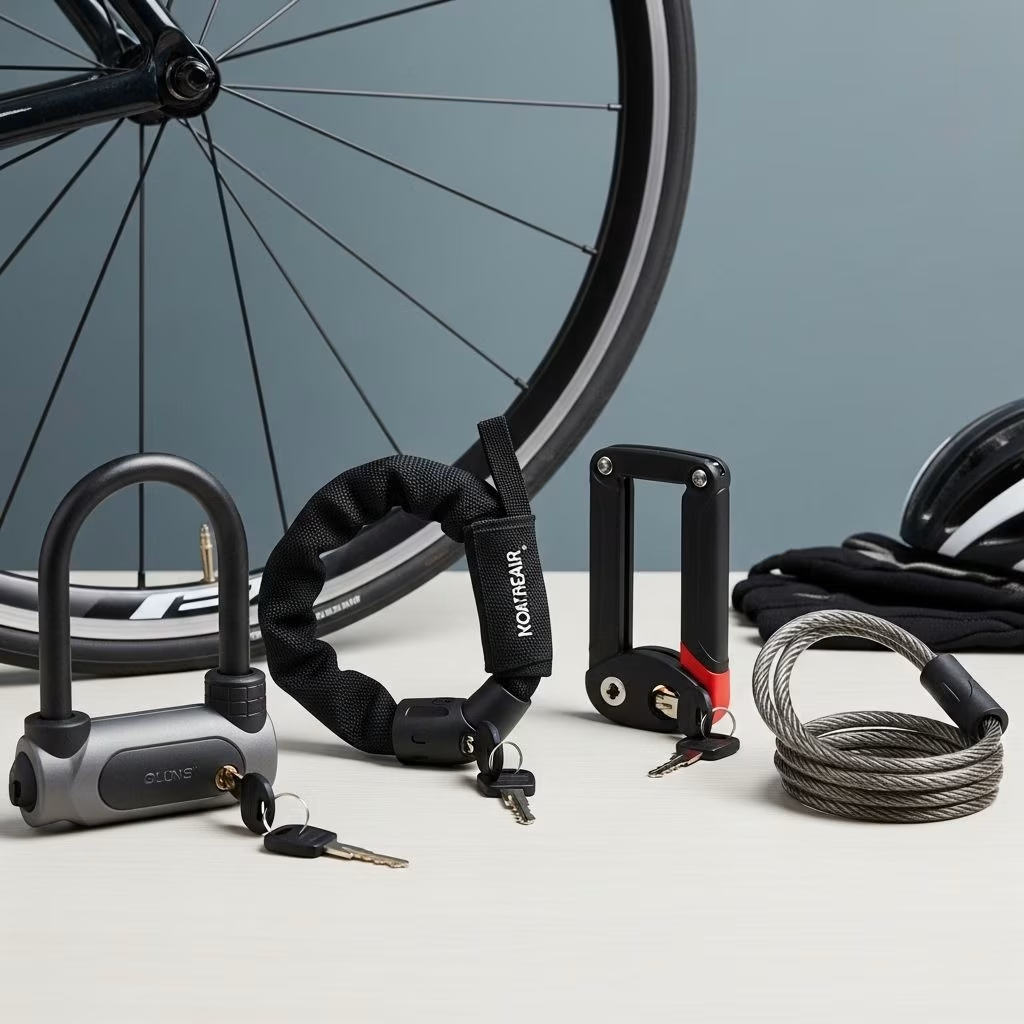
There are several major categories of bike locks, suitable for different uses and levels of risk. Knowing their strengths and weaknesses helps narrow your selection.
| Type | Security Level | Portability | Best For |
|---|---|---|---|
| U-lock (D-lock) | High | Medium | Urban parking, daily commutes |
| Chain lock | High | Low | Long-term/overnight parking |
| Cable lock | Low | High | Low-risk areas, wheel/frame secondary security |
| Folding lock | Medium | High | Versatile use, portability |
| Helmet locks/combo locks | Very Low | Very High | Quick stops, accessories |
U-Locks (D-Locks)
U-locks (or D-locks) are shaped like a horseshoe and made of hardened steel. Their rigid design makes them difficult to cut with hand tools and they are highly portable, either clipped to a frame bracket or stowed in a bag. Choose a size that fits snugly with minimal gap between bike and locking point; the less extra space, the harder it is for a thief to use leverage or tools to break it.
Chain Locks
Chain locks consist of a length of heavy-duty, hardened-steel chain, often covered by fabric to protect paintwork. Paired with a strong padlock, these offer high security, especially for overnight or long-term parking. However, the weight and bulk make them impractical for most commuters.
Cable Locks
Cable locks are flexible and lightweight but much weaker. Most cable locks can be cut in seconds by thieves. They are best used as secondary locks (for wheels or accessories) or for very short-term, low-risk stops.
Folding Locks
Folding locks combine convenience and moderate security. They are constructed from steel plates linked with rivets, folding down to a compact size. They offer greater flexibility than U-locks, can secure frames to odd-shaped racks, and are simpler to carry.
Security Ratings: Certification Matters
Certification organizations test and rate locks for their resistance to attack. The main systems are:
- Sold Secure (Bronze, Silver, Gold, Diamond)
- ART (2-star to 4-star)
For expensive bikes or e-bikes, insurance often requires a lock with a “Gold” or “Diamond” rating (or ART 4-star). Always check what rating your insurer accepts, and use these ratings as a guide to resistance against tools and techniques commonly used by thieves.
- Sold Secure Gold or Diamond: Highest for everyday use in theft-prone locations.
- ART 3-star or 4-star: Indicates high attack resistance.
Assessing Where and How You Lock Your Bike
Locking Points and Objects
Always secure your bike to something fixed and immovable. Avoid wooden rails, small trees, or objects with removable bolts. Look out for “sucker poles,” which can be lifted or dismantled by thieves after you’ve left. Public racks are not always safe—check that they are firmly anchored, and beware of racks with disguised cuts.
Locking Technique: What to Lock
- Prioritize securing the frame and the rear wheel—these are most valuable.
- If using only one lock, run it through both the frame and rear wheel.
- If possible, add a secondary cable or chain to the front wheel.
- Keep all parts within the lock close and snug; large gaps make attacks easier.
- Position the lock mechanism facing downward for harder access. This makes it tough for thieves to work tools and leverage.
Step-by-Step: How to Lock Your Bike Securely
- Find a locked, well-lit area with high foot traffic.
- Inspect the rack or post’s stability and fixity.
- Position the lock through both the frame and rear wheel (if possible, through a part of the rack as well).
- Add a secondary cable or chain through the front wheel if necessary.
- Fill the lock space as much as possible; minimize empty space inside the shackle.
- Avoid leaving accessories—lights, bags—on the bike.
Matching Locks to Your Lifestyle
- City commuting: Sturdy U-lock or high-rated folding lock—quick, frequent stops in busy areas.
- Campus or station parking: Combination of U-lock and chain for frame and both wheels.
- E-bikes: Only use locks with Sold Secure Gold/Diamond or ART 4-star ratings; secure battery as well.
- Rural/short stops: Cable or lower-rated lock may suffice when risk is lower.
Tips for Enhanced Bike Security
- Register your bike with local or national database.
- Mark it with tamper-evident stickers or UV pens.
- Remove or secure quick-release wheels and components.
- Park in visible, high-traffic spots—not dark corners.
- Use two different types of lock for extra security; thieves rarely carry tools for both.
Common Mistakes to Avoid
- Securing only one wheel (leaving frame vulnerable).
- Using a lock that’s too loose—leverage attacks are easier.
- Locking to weak or removable structures.
- Leaving a lock positioned for easy access or tampering.
- Relying solely on cable locks in urban or high-risk areas.
Choosing the Right Lock Size
The lock should be large enough to secure the desired components but small enough to eliminate extra space inside the shackle, which could enable pry or leverage attacks. Many reputable brands offer locks in various lengths and shapes to fit different frames and setups—check before buying.
Maintaining and Inspecting Your Bike Lock
- Periodic oiling of the lock mechanism prolongs life.
- Inspect for signs of damage after incidents or rough weather.
- Consider replacing after any attempted theft or if the lock is exposed to excessive corrosion.
Frequently Asked Questions (FAQs)
Q: What is the most secure type of bike lock?
A: The most secure types are high-quality U-locks and heavy-duty chain locks certified Sold Secure Gold/Diamond or ART 4-star, especially if combined for frame and wheels.
Q: Should I use more than one lock?
A: Yes, using two different locks (e.g., U-lock + cable or chain) increases security and deters thieves who may only carry tools for one type.
Q: Is it safe to use a cable lock for my main lock?
A: No. Cable locks are easily and quickly cut—even by amateur thieves. Use them only for secondary security.
Q: What if my bike has quick-release wheels?
A: Remove and take the front wheel with you, or secure it with a secondary lock to the frame and rack. Consider replacing quick-release mechanisms with locking skewers.
Q: Does lock weight matter?
A: Yes. Heavier locks usually mean more robust construction and higher security ratings, but balance this with portability and practicality for daily use.
Q: How do I check ratings for a lock?
A: Look for obvious labels/stickers from Sold Secure or ART on the packaging or manufacturer website. For expensive bikes, insurance may require written proof of rating.
Q: Are folding locks safe?
A: Folding locks can be secure if selected from reputable brands with high ratings, but they generally do not resist the same range of attacks as U-locks or chains.
Q: Where should I park to minimize theft risk?
A: Well-lit, high-visibility areas with frequent pedestrian traffic are safest. Avoid hidden spots and check for solid anchoring of rails and racks.
Final Thoughts
Whether your bicycle is a crucial tool for commuting, a prized possession, or your main mode of sustainable transportation, safeguarding it is essential. By investing in a lock matched to your needs, using it with correct techniques, and following smart security practices, you deter thieves and prolong your bike’s lifespan. Regularly review your setup and adapt as your circumstances or cycling habits change. The result: maximum peace of mind, minimum risk, and more miles on the saddle.
References
- https://www.cyclingweekly.com/news/product-news/7-of-the-best-bike-locks-5221
- https://www.youtube.com/watch?v=v4p4FiGDMCY
- https://www.bicyclelaw.com/bicycle-safety/how-to-lock-your-bike/
- https://us.tenways.com/blogs/blog/4-simple-steps-to-choose-the-best-lock-for-your-e-bike
- https://www.publiclands.com/blog/a/how-to-choose-the-best-bike-lock