Gestational Diabetes Diet: How to Eat Smart for a Healthier Pregnancy
Gestational diabetes mellitus (GDM) is a common pregnancy complication that affects how your body processes sugar, potentially impacting both your health and the health of your baby. Fortunately, most women can effectively control gestational diabetes through smart dietary changes and healthy lifestyle choices. This comprehensive guide explores the fundamentals of a gestational diabetes diet, proven meal strategies, foods to choose and avoid, and expert tips for a balanced pregnancy.
Understanding Gestational Diabetes
Gestational diabetes develops when the body fails to produce enough insulin during pregnancy, causing blood sugar levels to rise above the normal range. This happens due to natural hormonal and metabolic changes, as well as increased insulin resistance as pregnancy progresses. While any pregnant woman can develop GDM, certain factors, such as being overweight, having a family history of diabetes, or experiencing GDM in a previous pregnancy, can increase the risk.
Proper management is crucial for preventing complications in both mother and baby, including high birth weight, premature delivery, and increased risks for type 2 diabetes later on.
How to Deal with Gestational Diabetes
The encouraging news is that gestational diabetes is often manageable without medication when recognized early and treated consistently. Developing a personalized management plan in consultation with your healthcare provider is essential—never make changes without professional guidance.
Key strategies include:
- Eating the right foods
- Maintaining an active lifestyle
- Regular blood sugar monitoring
- Following medical advice at all times
Work closely with registered dietitians and your doctor for a plan that fits your individual needs.
1. Choose Quality Carbohydrates
Carbohydrates (carbs) directly affect blood sugar levels. It’s not just about how many carbs you eat, but which kinds. Experts recommend prioritizing complex, minimally processed carbohydrates over refined or sugary ones because they are rich in fiber, slow digestion, and help stabilize blood sugar swings.
Complex carbs release glucose slowly, reducing strain on both your and your baby’s pancreas.
Smart Carb Choices
- Whole grains such as oatmeal, quinoa, and brown rice
- Whole wheat bread and pasta
- Beans and legumes: chickpeas, black beans, lentils
- Fresh vegetables and fruits (preferably whole, not juiced)
Avoid highly processed carbs like white bread, pastries, sugary cereals, and sweetened drinks.
2. Eat Balanced, Regular Meals
Consistent eating patterns can help prevent blood sugar spikes. Health experts recommend three moderate main meals and two to three supportive snacks per day. Spacing meals helps keep glucose levels steady and provides continuous energy for you and your growing baby.
- Avoid skipping meals, especially breakfast; it’s important for metabolic stability.
- Combine carbohydrates with healthy proteins and fats at each meal to slow glucose absorption and aid satiety.
- Focus on smaller portions, especially with carbohydrate-rich foods.
Example Daily Meal Plan
| Meal | Food Choices |
|---|---|
| Breakfast | Oatmeal with berries, a boiled egg, and low-fat milk |
| Snack | Apple slices with a spoonful of peanut butter |
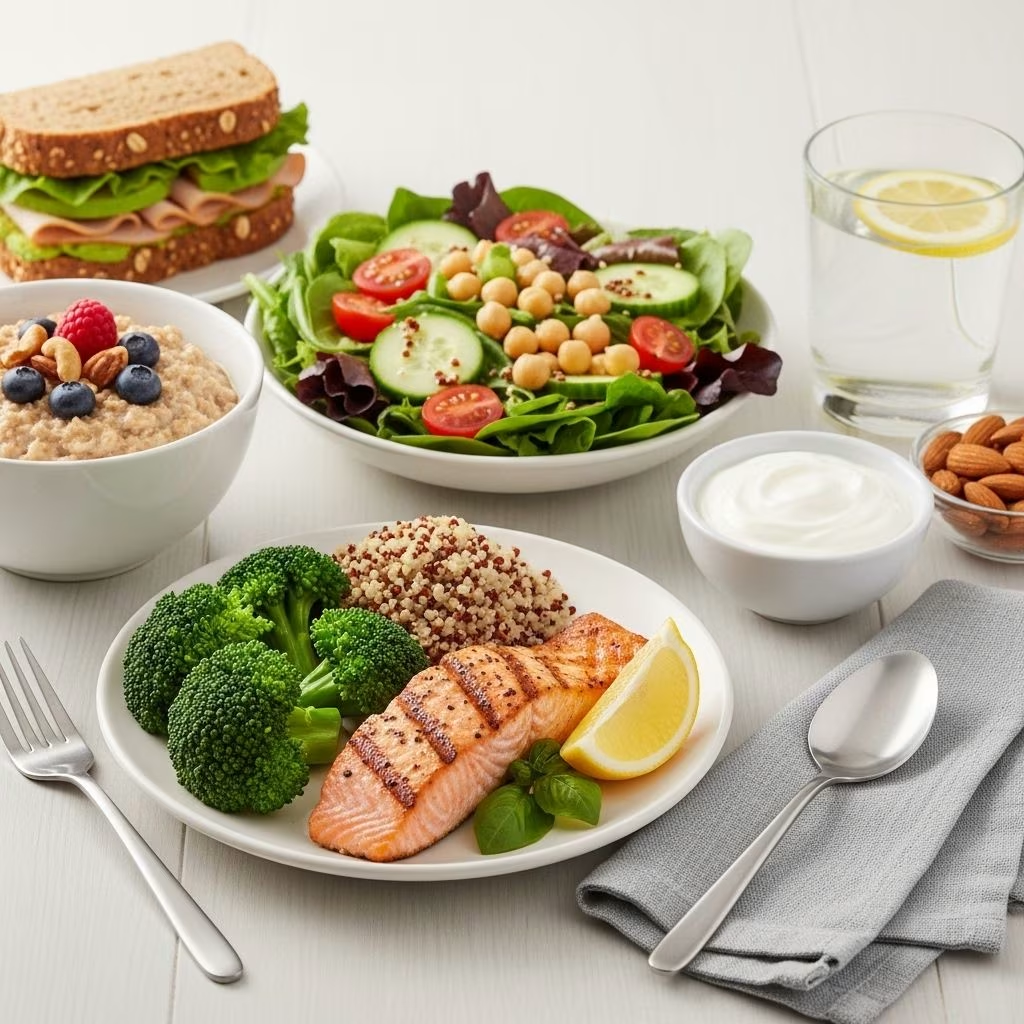
| Lunch | Quinoa salad with grilled chicken, assorted vegetables, olive oil vinaigrette |
| Snack | Carrot sticks with hummus |
| Dinner | Baked salmon, steamed broccoli, and brown rice |
3. Manage Portion Sizes
Paying attention to portion control is critical with gestational diabetes. Large servings of starchy vegetables, grains, or fruit can cause blood sugar to rise rapidly. Use measuring cups, smaller dishes, and visual cues to help keep portions in check.
- Fruit: Limit to one small piece or 1/2 cup per serving.
- Grains and starchy foods: Stick to 1/2–1 cup cooked per meal.
- Adjust portion sizes based on blood glucose monitoring and individual tolerance.
4. Pair Carbs with Protein and Healthy Fats
The combination of carbohydrates with protein and unsaturated fats reduces the glycemic impact, keeping you fuller longer and minimizing sudden blood sugar spikes. Protein options include eggs, poultry, tofu, fish, beans, and low-fat dairy, while healthy fats come from avocado, olive oil, nuts, and seeds.
- Add nuts or seeds to yogurt or salads.
- Include lean meats or plant-based proteins with each meal.
5. Avoid Sugary Foods and Refined Carbohydrates
Limit or eliminate foods that are high in simple sugars or processed carbohydrates. These can dramatically raise blood glucose and undermine diabetic control.
- Sugar-sweetened beverages (soda, fruit juices, energy drinks)
- Candies, pastries, cakes, cookies
- White bread, crackers, chips
- Sweetened breakfast cereals
Tip:
Read nutrition labels carefully, even on foods marketed as “healthy” or “natural.” Watch for added sugars and refined grains.
Physical Activity: Move for Better Blood Sugar Control
Moderate exercise helps your body use glucose more efficiently, lowers insulin resistance, and supports healthy weight gain. Activities can include walking, swimming, prenatal yoga, and other approved movements. Always check with your healthcare provider before beginning a new exercise routine during pregnancy.
- Aim for 30 minutes of moderate activity most days of the week
- Include gentle stretching and resistance exercises to support metabolism
Weight Gain: What’s Healthy During Pregnancy?
Weight gain guidelines differ based on pre-pregnancy BMI and individual health status. Gaining the recommended amount helps prevent complications and supports fetal development.
Here are general weight gain ranges during pregnancy:
| Pre-Pregnancy BMI | Recommended Weight Gain |
|---|---|
| Underweight (<18.5) | 12.5 – 18 kg (27.5 – 40 lbs) |
| Normal (18.5–24.9) | 11.5 – 16 kg (25 – 35 lbs) |
| Overweight (25–29.9) | 7 – 11.5 kg (15 – 25 lbs) |
| Obese (>30) | 5 – 9 kg (11 – 20 lbs) |
Never attempt to lose weight while pregnant. Work with your healthcare team to monitor progress。
What if Diet and Exercise Aren’t Enough?
In some cases, healthy eating and physical activity may not fully control gestational diabetes. Your doctor might prescribe insulin (the typical first-line medication) or other medications to help manage blood sugar safely. Insulin is considered safe and does not harm your baby. The safety of diabetes pills during pregnancy is still being studied and should be used only with medical guidance.
Testing and Monitoring
Gestational diabetes is typically screened for between the 24th and 28th weeks of pregnancy, though women at higher risk may be tested earlier. Blood sugar testing at home is essential for evaluating how foods and activities impact glucose.
After delivery, women who experienced gestational diabetes should be tested for type 2 diabetes at 6 weeks postpartum and re-checked every 1–3 years, as they and their children have higher risks going forward。
Expert Prevention Strategies
- Adopt a healthy eating pattern before and during pregnancy。
- Keep active with regular, moderate exercise。
- If overweight, aim to lose weight before conception (not during pregnancy)。
- Consult a registered dietitian for individualized guidance。
- Monitor weight gain, blood sugar, and other health markers throughout pregnancy。
Frequently Asked Questions (FAQs)
What causes gestational diabetes?
Gestational diabetes develops when your body cannot produce enough insulin to keep glucose within healthy levels during pregnancy. This problem is largely due to increased insulin resistance from pregnancy hormones and added metabolic demands。
Can I prevent gestational diabetes?
Risk reduction involves eating balanced meals, maintaining an active lifestyle, and achieving a healthy weight before pregnancy. Women who are overweight benefit most from early lifestyle changes。
Do I need to avoid all carbohydrates?
No—carbohydrates are important for energy and fetal development. The key is choosing complex, high-fiber carbs over processed ones and controlling meal portions。
Is gestational diabetes harmful for the baby?
If uncontrolled, GDM can lead to complications such as macrosomia (high birth weight) and increased risk for obesity or diabetes later in life. Proper management and regular checkups help keep risks low。
Will I need medication?
Most women manage gestational diabetes with diet and exercise alone. However, some require insulin or other prescribed medications under close medical supervision。
What should I do after pregnancy?
Continue healthy lifestyle habits, attend postpartum diabetes screening, and maintain routine follow-ups as advised by your healthcare provider。
Key Takeaways for a Healthy Pregnancy With Gestational Diabetes
- Eat quality, high-fiber carbs and avoid excess sugar。
- Balance meals with protein and healthy fats。
- Practice portion control to keep blood sugar stable。
- Get regular physical activity approved for pregnancy。
- Monitor your weight gain with guidance from your healthcare team。
- Seek frequent medical checkups and keep blood sugar records。
- Follow all medical advice and ask for individualized nutrition guidance whenever possible。
A gestational diabetes diagnosis can feel intimidating, but with proactive nutrition, mindful eating, regular physical activity, and expert support, you can positively impact your pregnancy and your baby’s future health。
References
- https://www.ncbi.nlm.nih.gov/books/NBK441575/
- https://www.prevention.com/food-nutrition/healthy-eating/a20137377/gestational-diabetes-diet/
- https://www.uabmedicine.org/news/news/what-women-should-know-about-gestational-diabetes/
- https://www.cdc.gov/diabetes/about/gestational-diabetes.html
- https://www.prevention.com/health/a20451453/how-to-reverse-diabetes-and-prediabetes/
- https://medlineplus.gov/ency/article/007430.htm
- https://diabetes.org/living-with-diabetes/pregnancy/gestational-diabetes
- https://www.ucsfhealth.org/education/diabetes-during-pregnancy-diet-tips
- https://www.mayoclinic.org/diseases-conditions/type-2-diabetes/in-depth/diabetes-prevention/art-20047639
- https://wicworks.fns.usda.gov/resources/diabetes-type-1-type-2-and-gestational