31 Common Foods That Secretly Contain Sawdust (Cellulose)
It’s a shocking discovery for many: cellulose, a type of fiber sometimes derived from wood pulp, regularly appears on food ingredient lists. Media headlines tout that you’re eating ‘sawdust’—but is that really the case? This article explores the widespread use of cellulose, where it turns up, its function, regulatory status, and potential impacts on your health. Plus, we’ll demystify why there’s no need to panic when you spot it in your grocery cart.
What Is Cellulose and Why Is It in Food?
Cellulose is a naturally occurring plant fiber, the primary structural component of plant cell walls. In commercial food production, it’s often extracted from wood pulp, purified, and labeled as ‘cellulose’ or ‘microcrystalline cellulose.’ Since 1973, the FDA has classified cellulose as a safe, approved food additive.
- Function & Benefits: Adds bulk, thickens and stabilizes, prevents clumping, and can improve texture.
- Source: Commonly from wood pulp, though it’s present in all plant-based foods.
- Digestibility: Human bodies cannot digest cellulose; it simply passes through, acting as dietary fiber.
According to registered dietitians and agencies like the Center for Science in the Public Interest and the Environmental Working Group, cellulose presents no known health risks when consumed in typical quantities found in food.
Why Is Cellulose Added to Food?
- Improves Texture: Creates a more satisfying mouthfeel in reduced-fat products and baked goods.
- Prevents Clumping: Keeps items like grated cheese or spice blends free-flowing.
- Boosts Fiber: Helps packaged foods advertise higher fiber content, supporting feelings of fullness.
- Thickens Liquids: Used as a stabilizer in salad dressings, sauces, and dairy products.
Debunking the ‘Sawdust’ Scare
Media headlines have fueled misconceptions. While cellulose is sometimes derived from wood pulp, it’s the same chemical structure that’s in vegetables and fruits we eat daily. The body responds identically: it can’t digest it, so it acts as roughage and is excreted.
31 Foods Where You’ll Find Cellulose (Sawdust)
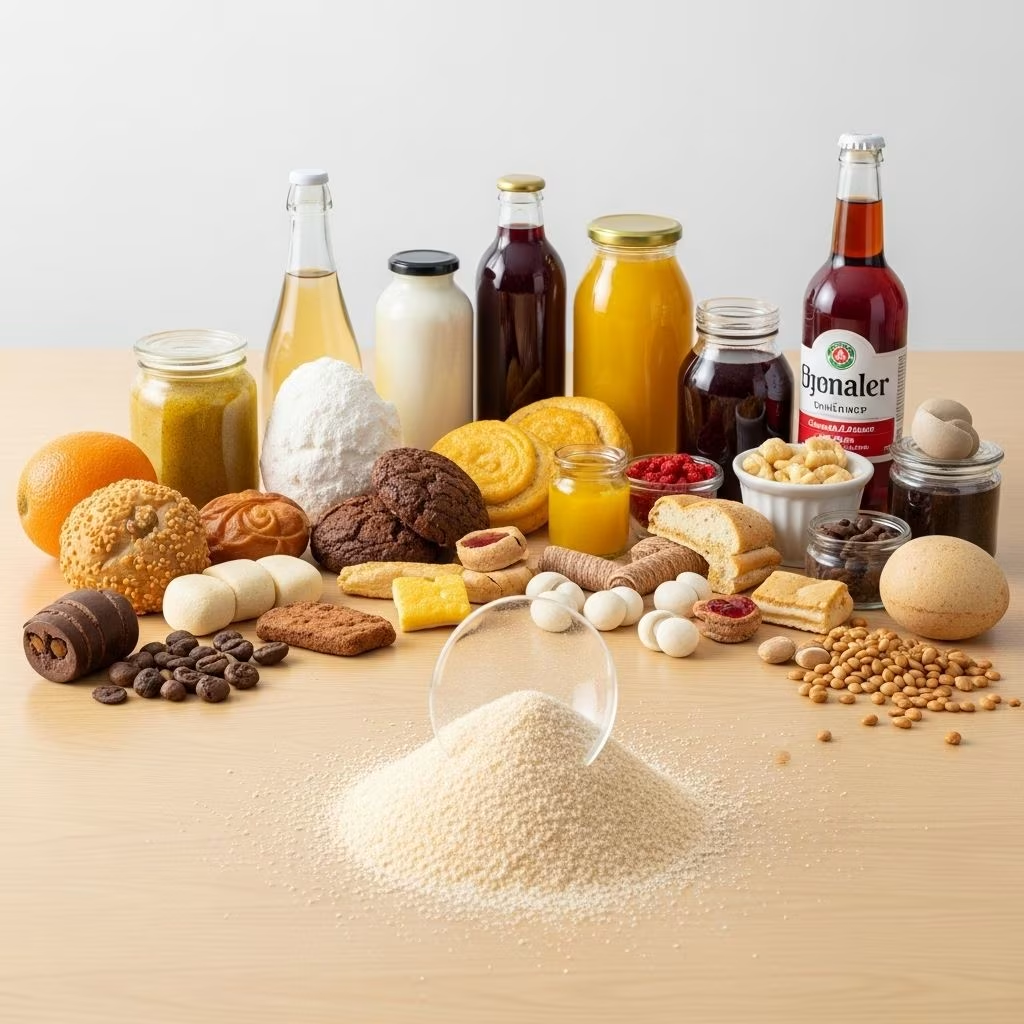
The following foods often contain cellulose—check ingredient labels for ‘cellulose,’ ‘cellulose gum,’ or ‘microcrystalline cellulose.’ This list is based on research spanning thousands of products in grocery databases.
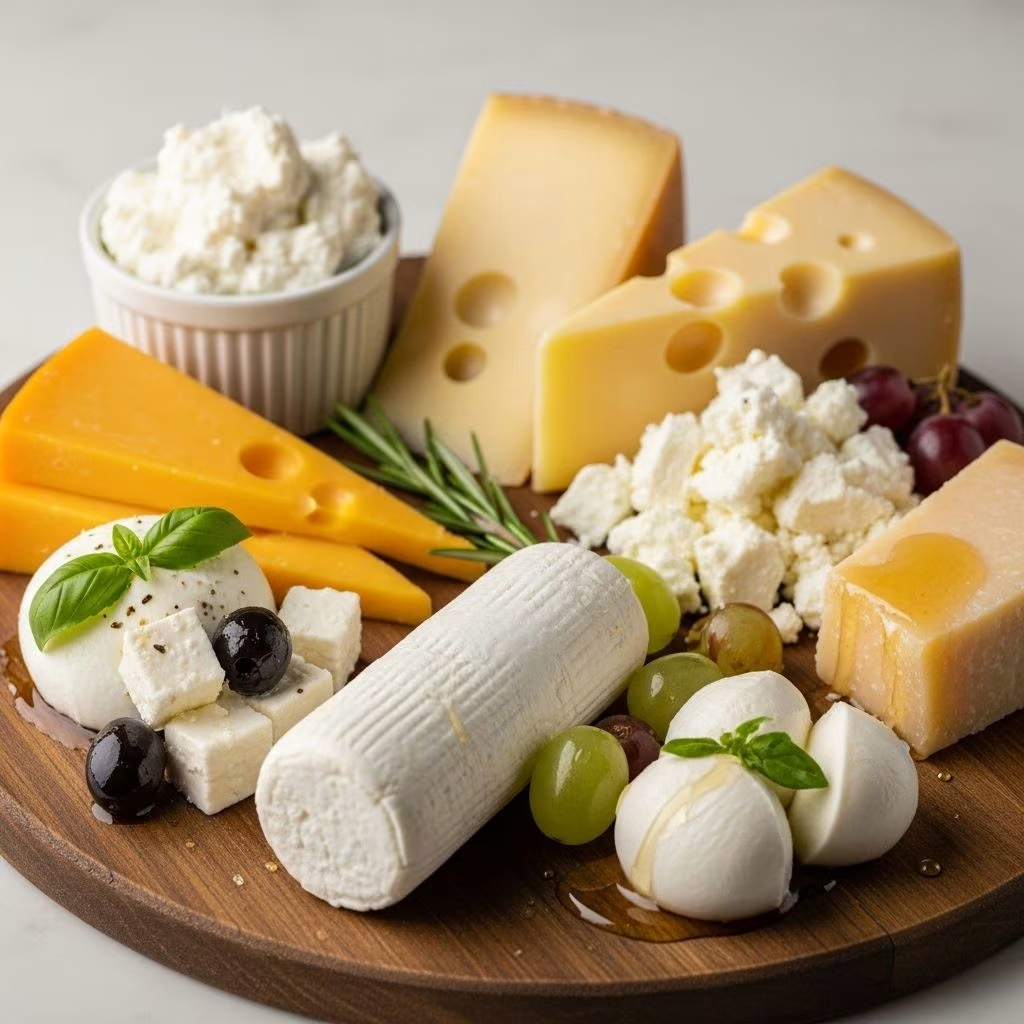
- Grated Parmesan Cheese
- Tomato Sauce
- Salad Dressing
- Ice Cream (especially low-fat/diet)
- Whole Wheat Bread
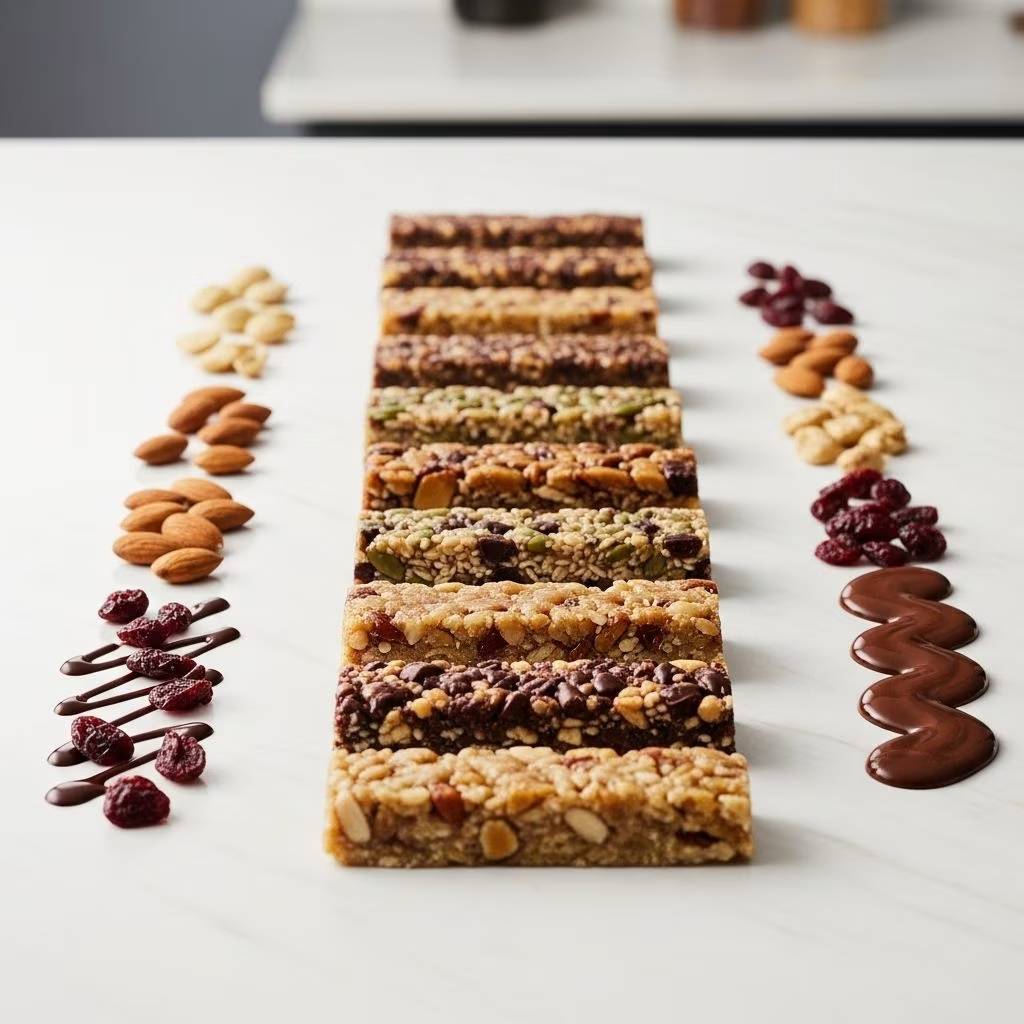
- Granola Bars
- Packaged Cookies
- Bagels
- Frozen Breakfast Sandwiches
- Frozen Diet Entrées
- Breakfast Cereals
- Veggie Burgers
- Boxed Cake Mix
- Worcestershire Sauce
- Hot Sauce
- Frozen Filled Pasta (e.g., ravioli)
- Packaged Fruit Cups
- Corn Tortillas
- Flour Tortillas
- Vegetarian soy-based “meats”
- Frozen Pizza
- Sour Cream (reduced-fat often)
- Flavored Coffee Syrups
- Cheese Spreads and Dips
- Dried Soup Mixes
- Packaged Cupcakes and Pastries
- Frozen Breaded Fish
- Frozen Pie Crusts and Potpies
- Sorbet
- Coffee Creamer
Spotlight: Grated Parmesan Cheese
The 2016 FDA investigation found certain brands of ‘100% grated Parmesan’ contained up to 8.8% cellulose. It’s used to prevent clumping and maintain shelf life. While that figure shocked consumers, it falls within regulatory limits for safety.
Cellulose: Safety, Regulation, and Nutrition Insights
Let’s explore a few facts:
| Point | Details |
|---|---|
| FDA Status | Approved as a food additive since 1973; considered safe in set quantities |
| Nutritional Role | Acts as dietary fiber; does not provide calories or nutrients |
| Digestion | Undigested by the human body; passes through digestive tract |
| Health Risks | None identified at typical consumption levels; consensus from FDA, CSPI, EWG, and RDs |
| Labeling | Must be listed as “cellulose,” “cellulose gum,” or “microcrystalline cellulose” |
Why Do Manufacturers Use Cellulose?
- Cost: Reduces ingredient expenses by providing bulk.
- Marketing: Increases fiber content for nutritional claims.
- Texture: Helps mimic the mouthfeel lost in low-fat products.
- Shelf Stability: Prevents clumping, keeps ingredients flowing, and maintains consistency.
How Can Consumers Minimize Cellulose Consumption?
- Grate Your Own Cheese: Skip pre-shredded varieties—opt for whole blocks.
- Check Labels: Scan for ‘cellulose’ on ingredient lists.
- Bake at Home: Homemade breads and cakes typically don’t include cellulose.
- Choose Whole Foods: Less processed items mean fewer additives overall.
- Make Dressings & Sauces: DIY recipes reduce reliance on thickening agents like cellulose.
Is There Any Reason to Worry?
Cellulose in your food may feel unsettling, especially when associated with ‘wood pulp.’ Most health experts, however, agree there’s no cause for alarm. It’s indigestible but not harmful and actually adds dietary fiber that could help regulate appetite and digestion. Excessive intake from supplements isn’t recommended, but from food ingredients it’s considered safe.
Frequently Asked Questions (FAQs)
Q: What is cellulose, and is it really ‘sawdust’?
A: Cellulose is a plant fiber, and though it can be derived from wood pulp, this purified additive differs markedly from literal sawdust. It’s a safe, FDA-approved material found naturally in vegetables and fruits.
Q: Are there health risks linked to cellulose in foods?
A: Main health authorities—including the FDA and registered dietitians—report no known health risks from eating typical amounts of cellulose in food.
Q: Can I avoid cellulose in my diet?
A: While it’s hard to avoid completely in processed foods, you can minimize cellulose intake by eating whole, unprocessed foods and preparing breads, cheeses, and sauces at home.
Q: Why is it used in foods like cheese or ice cream?
A: Manufacturers add cellulose to improve texture, prevent clumping, and boost fiber (especially in lower-fat or diet foods).
Q: What should I look for on food labels?
A: Check for “cellulose,” “cellulose gum,” “microcrystalline cellulose,” or similar terms in the ingredient lists of packaged foods.
Tips for Navigating Cellulose in Your Shopping
- Grate hard cheeses yourself to avoid anti-caking agents.
- Buy whole grain bread from bakeries that use minimal additives.
- Opt for homemade cakes and pastries for full control of ingredients.
- Choose simple ice creams and check labels carefully.
Final Takeaways
- Cellulose is a common, FDA-approved food additive found in 31+ everyday foods.
- It’s essentially indigestible fiber; presents no health risks in its regulated form.
- The ingredient is listed on food labels for transparency; consumers looking to minimize intake can do so by choosing homemade or whole foods.
References
- https://www.mrsdavidsgardenseeds.com/sawdust-in-our-food.html
- https://www.prevention.com/food-nutrition/healthy-eating/a20457107/31-foods-that-contain-sawdust/
- https://www.menshealth.com/nutrition/a19525743/foods-that-contain-sawdust/
- https://www.cornucopia.org/2017/11/brief-history-wood-pulp-food/
- https://chefberry.wordpress.com/2017/09/12/31-foods-youre-eating-that-contain-sawdust/
- https://www.rayonier.com/stories/why-is-wood-in-so-many-foods/