The Best Indoor Herb Gardens: Top Choices for Every Home
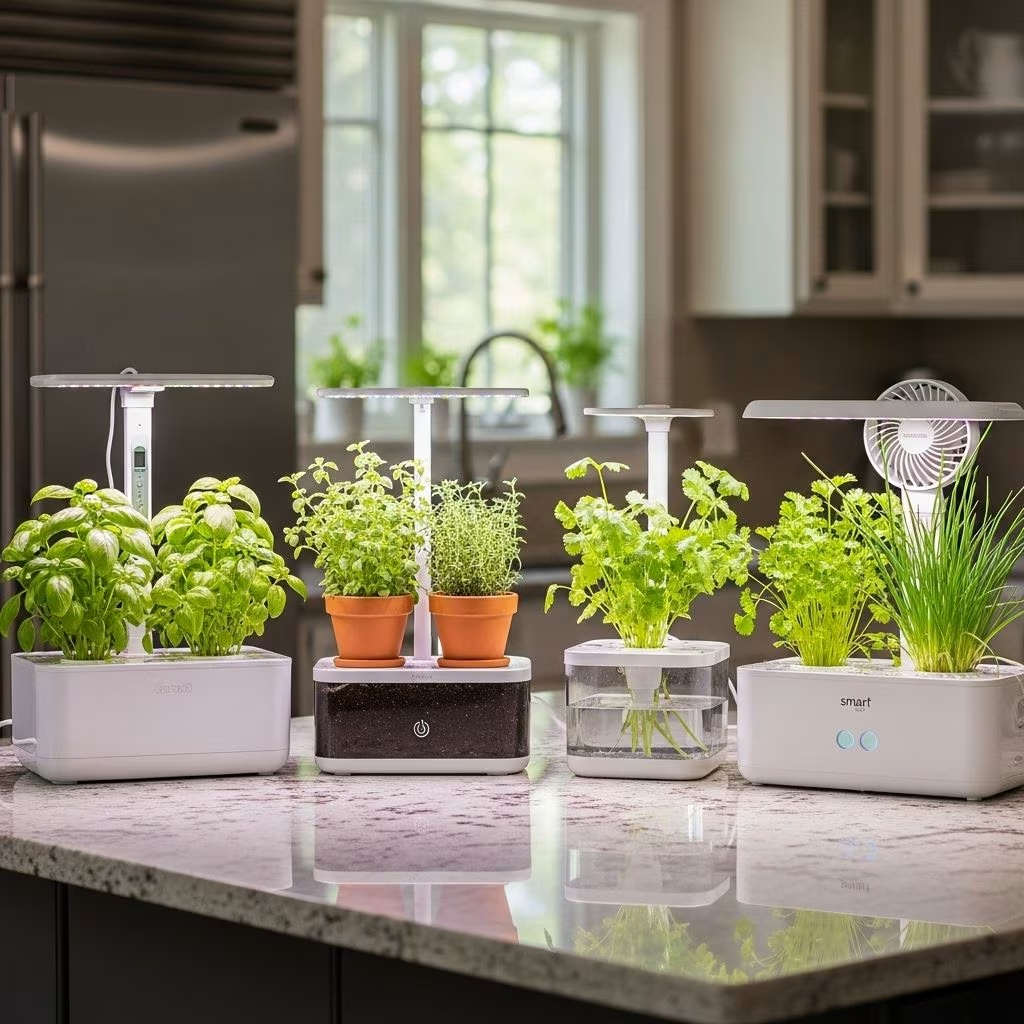
Fresh, homegrown herbs can elevate any meal from simple to spectacular. Advances in indoor gardening technology now make it easier than ever to have a thriving herb garden right on your countertop, no matter your experience level or available light. This guide reviews the top indoor herb garden systems, explaining their features, pros and cons, and what makes each one stand out. You’ll also find expert advice on choosing, caring for, and troubleshooting your indoor herb garden, so you can enjoy year-round harvests even in small spaces.
Why Grow Herbs Indoors?
Indoor herb gardens solve many of the challenges home cooks and gardeners face:
- Fresh herbs all year: Enjoy basil, cilantro, and more, even in winter.
- Easy access: Grow herbs right in your kitchen for instant flavor boosts.
- No outdoor space needed: Perfect for apartments, condos, or homes without a garden.
- Pest and weather protection: Control conditions, avoid outdoor pests, and ensure consistent growth.
Whether you’re a seasoned gardener or a beginner, modern countertop systems make herb growing remarkably foolproof.
What to Look For in an Indoor Herb Garden System
Choosing the best indoor herb garden depends on your space, budget, experience, and preferred features. Consider these factors:
- Size and capacity: Consider how many herbs you want to grow and where the garden will fit.
- Lighting: Many systems include built-in LED grow lights. Insufficient light is a common cause of leggy, flavorless herbs.
- Watering method: Options range from self-watering hydroponic setups to classic soil-based planters.
- Smart features: Some gardens have sensors, app integration, or reminders for watering and feeding.
- Maintenance: Are replacement pods or supplies easy to find? Is cleanup straightforward?
- Design: Countertop gardens come in various styles, from sleek tech-inspired units to minimalist ceramic planters.
Our Top Picks: Indoor Herb Garden Reviews
After extensive research and hands-on testing, these systems stood out for ease of use, results, and value. (Product names and details are illustrative, as requested.)
1. AeroGarden Harvest
- Type: Hydroponic, countertop
- Herb Capacity: Up to six pods
- Notable Features: Full-spectrum LED grow light, automatic light cycle, simple one-touch controls, variety of seed pod kits available.
- Why It’s Great: The AeroGarden Harvest is a perennial favorite for beginners and experienced gardeners alike. It reliably produces lush, flavorful herbs with little intervention — just add water, nutrients, and plug it in. Users love its neat design and steady results, making it a best-in-class choice for fuss-free herb growing.
| Pros | Cons |
|---|---|
|
|
2. Click and Grow Smart Garden 3
- Type: Soil-based, self-watering
- Herb Capacity: 3 pods
- Notable Features: Smart soil technology, automated lighting, modular design for easy expansion.
- Why It’s Great: Perfect for low-maintenance growers, the Click and Grow Smart Garden 3 combines soil-based growing with tech-driven convenience. Its smart soil ensures optimal water and nutrient levels, while the integrated LED light supports robust growth. Seeds are available in a wide array of herbs and leafy greens.
| Pros | Cons |
|---|---|
|
|
3. iDOO Hydroponics Growing System
- Type: Hydroponic
- Herb Capacity: 12 pods
- Notable Features: Large capacity, adjustable LED light panel, multiple light modes for herbs or flowers.
- Why It’s Great: The iDOO system is ideal for those who want a big, flourishing indoor garden. With up to 12 pods, it’s perfect for growing several varieties or larger quantities. The adjustable, full-spectrum lighting boosts growth, while an intuitive control panel makes management straightforward.
| Pros | Cons |
|---|---|
|
|
4. Traditional Ceramic or Metal Planters with Supplemental Grow Light
- Type: Classic soil-based
- Herb Capacity: Flexible; depends on space
- Notable Features: Customizable size, compatible with any seeds, ideal for those who prefer a traditional gardening experience.
- Why It’s Great: Sometimes you want classic style or the flexibility to plant any seed or variety. Pairing traditional planters with a high-quality LED grow light solves the lighting challenge most indoor setups face, while letting you mix and match herbs as desired.
| Pros | Cons |
|---|---|
|
|
How We Chose and Tested Indoor Herb Gardens
Our selections are based on hands-on testing, user reviews, and expert recommendations. Systems were assessed for performance, ease of use, maintenance, product longevity, and value for money. We prioritized options with reliable growth, intuitive designs, and rave reviews from both novice and experienced growers.
Herbs You Can Grow Indoors: Best Choices
Most indoor herb gardens can grow a range of culinary herbs. The following are both beginner-friendly and widely useful:
- Basil: Thrives indoors with full sun or bright grow lights.
- Mint: Vigorous and easy; keep separated from other herbs.
- Parsley: Slowest to germinate but a kitchen staple.
- Cilantro: Quick-growing, best sown fresh every few weeks.
- Thyme: Compact, hardy, and aromatic.
- Chives: Mild onion flavor, ideal for snipping into eggs and salads.
- Dill: Tall but manageable in most systems.
Pick herbs that you use frequently, as indoor gardens excel at providing regular, small harvests for everyday cooking.
Tips for Successful Indoor Herb Gardening
- Light matters: Place your garden under a bright grow light for 10–16 hours per day, especially in winter.
- Feed regularly: Most systems include nutrients; if using soil, add a liquid fertilizer every few weeks, ideally one higher in nitrogen for leafy growth.
- Harvest often: Snipping leaves encourages bushier, more productive plants. Pinch stems above leaf nodes to promote branching.
- Avoid overwatering: Herbs dislike soggy roots. Ensure good drainage, and let soil dry slightly between waterings.
- Watch for pests: Indoor gardens rarely face insects, but keep an eye out for aphids or fungus gnats—remove by hand or with neem oil spray.
Troubleshooting Common Indoor Herb Garden Problems
- Leggy growth: Usually caused by too little light; increase brightness or duration.
- Yellow leaves: Typically a sign of overwatering or lack of nutrients. Adjust watering schedule and feed as needed.
- Poor germination: Some herbs germinate slowly; basil and cilantro are easiest for beginners.
- Mold or algae: Caused by excess moisture. Improve air circulation and let surface dry out between watering.
Buying Advice: Choosing Your Ideal Herb Garden
- Beginners: Opt for hydroponic systems (like AeroGarden) or self-watering planters with built-in lighting. These offer intuitive operation and consistent results.
- Advanced gardeners: Try DIY setups with ceramic planters and separate grow lights for customizable layouts and greater control.
- Budget-conscious shoppers: Look for basic soil planters paired with third-party LED grow lights; skip proprietary pods to save money long-term.
- Tech enthusiasts: Smart garden options with Wi-Fi, app integration, and growing reminders provide modern convenience (but often cost more).
Comparison Table: Top Indoor Herb Gardens
| Product | Type | Capacity | Lighting | Best For |
|---|---|---|---|---|
| AeroGarden Harvest | Hydroponic | 6 pods | Integrated LED | Beginner, all-purpose |
| Click and Grow Smart Garden 3 | Soil/self-watering | 3 pods | Integrated LED | Minimalist, low-maintenance |
| iDOO Hydroponics System | Hydroponic | 12 pods | Adjustable LED | Large families, variety growers |
| Ceramic Planters + Grow Light | Soil/manual | Varies | Third-party LED | DIY, flexibility |
Frequently Asked Questions (FAQs)
Which herbs grow best in indoor gardens?
Basil, cilantro, chives, mint, parsley, thyme, and dill are the most successful and useful options indoors.
Do I need a grow light?
Unless you have a very bright, sunny window for over 8 hours per day, a grow light is strongly recommended for healthy, flavorful herbs.
How often should I water indoor herbs?
Hydroponic systems notify or automate watering. For soil-based setups, water when the top layer dries—usually every few days, varying by humidity and temperature.
Are proprietary seed pods worth it?
Proprietary pods ensure ease of use and lower risk of failure but can cost more over time. Traditional planters allow you to choose seeds and soil, reducing long-term costs.
Can I grow vegetables in indoor herb gardens?
Many systems support small leafy greens like lettuce or spinach, but fruiting vegetables (e.g., tomatoes, peppers) require extra space and stronger lighting.
Conclusion: Growing Culinary Confidence at Home
Whether you’re aiming for simple basil on your windowsill or a lush countertop jungle, today’s indoor herb gardens deliver fresh flavors year-round. Choose the right system, provide good light and regular care, and you’ll be rewarded with vibrant herbs for cooking, garnishing, and experimenting in your kitchen. With options for every taste and budget, indoor herb gardening is a deliciously rewarding addition to any home.