How Long Does Frozen Meat Last? A Comprehensive Guide to Safe Storage
Freezing meat is a time-honored method for extending its shelf life and preserving quality, but how long does each type truly last in your freezer? Understanding optimal storage timelines, best practices for packaging, and the factors that affect meat quality is crucial for any home cook or food safety enthusiast. This guide covers everything you need to know about freezing beef, pork, poultry, and processed meats, including expert insights on food safety, flavor, and nutrition.
Why Freezing Works: The Science Behind Preserving Meat
Freezing puts microorganisms that cause spoilage and illness into a dormant state, essentially halting bacterial growth and slowing down enzymatic reactions. At 0°F (-18°C) or lower, frozen meat remains safe indefinitely; however, its quality—texture, flavor, and moisture—can deteriorate over time. The recommended timelines below guarantee the best eating experience while ensuring safety.
How Long Can You Keep Different Types of Meat in the Freezer?
The longevity of frozen meat depends on the type of meat, how it’s prepared, and packaging methods. Here’s a breakdown of the maximum recommended periods for quality preservation:
| Meat Type | Form or Cut | Freezer Life (Best Quality) |
|---|---|---|
| Beef | Steaks, Roasts, Chops | 4–12 months |
| Beef | Ground | 3–4 months |
| Pork | Chops | 4–6 months |
| Pork | Roasts | 4–12 months |
| Pork | Ground | 3–4 months |
| Poultry | Whole chicken/turkey | Up to 1 year |
| Poultry | Pieces (breasts, thighs, etc.) | 9 months |
| Poultry | Ground | 3–4 months |
| Processed Meats | Sausage, bacon, lunch meats | 1–2 months |
| Lamb | Chops, Roasts | 6–12 months |
| Fish | Lean (cod, flounder) | 6–8 months |
| Fish | Fatty (salmon, tuna) | 2–3 months |
Note: Meat and poultry frozen at 0°F (-18°C) remain safe beyond these periods, but best flavor and texture are ensured within these windows.
Expert Tips for Safely Freezing Meat
- Freeze ASAP: For the best quality, freeze meat as soon as possible after purchasing.
- Temperature: Always maintain a freezer temperature of 0°F (-18°C) or lower to prevent spoilage and bacterial growth.
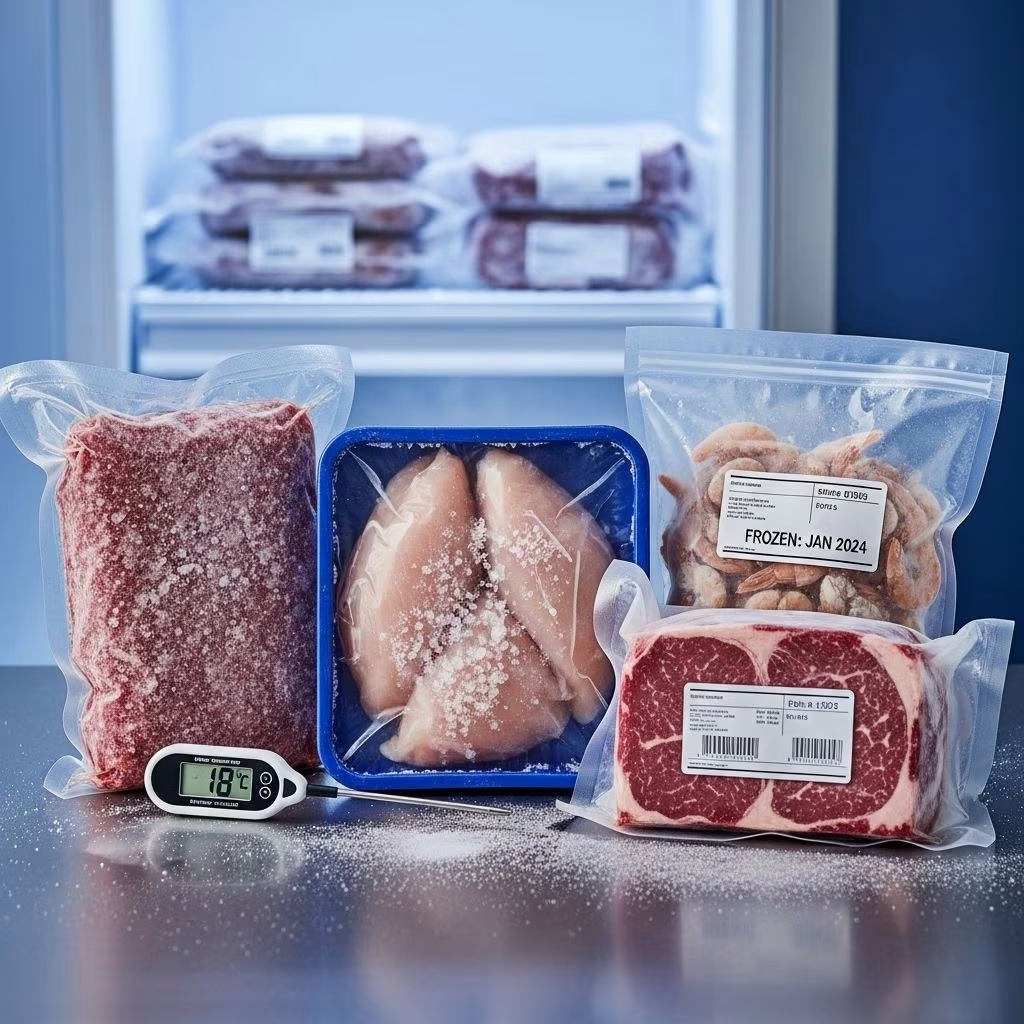
- Original Packaging: If planning to use within 2 months, meats can often be kept in their original packaging. For longer storage, add a layer of heavy-duty foil, freezer paper, or a freezer bag for extra protection.
- Air-Tight Packaging: Remove as much air as possible to reduce freezer burn and moisture loss. Use vacuum-seal machines or press air out of freezer bags before sealing.
- Label Clearly: Mark each package with the date of freezing and the type of meat/cut to help track storage times and avoid waste.
- Separate Portions: Freeze meat in meal-size portions for easier thawing and less waste.
How Long Can Meat Stay Refrigerated Before Freezing?
Before freezing, it’s essential to know how long meat can safely be kept in the refrigerator:
- Beef, pork, lamb (whole cuts): 3–5 days
- Ground meat and poultry: 1–2 days
- Cooked leftovers: 3–4 days
Only freeze meat that has been kept at or below 40°F (4°C) and is still well within its “best by” or “use by” date. Never freeze meat that has started to spoil, as freezing does not destroy bacteria—it only renders them inactive.
Packing Meat for the Freezer: Methods and Materials
Good packing is crucial for preventing freezer burn and ensuring maximum shelf life. Use one or more of the following:
- Freezer Paper: Wax- or polyethylene-coated on one side; ideal for long-term beef or pork storage. Keeps moisture in and freezer burn out.
- Plastic Wrap & Aluminum Foil: Use heavy-duty varieties; double wrapping is especially effective for cuts with sharp bones.
- Vacuum-Sealed Bags: Remove air completely for the longest-lasting quality and prevention of ice crystals.
- Freezer Bags: Thicker than regular storage bags; press out air before sealing.
Ensure all packages are sealed tightly, labeled with contents and freeze date, and not overloaded into the freezer. Packing meats flat can make them easier to stack, organize, and thaw later.
What About Cooked Meat?
Cooked meats, including leftovers and prepared dishes (such as roasts, casseroles, soups), can also be frozen for extended shelf life. Standard guidelines recommend:
- Most cooked meat dishes: 2–3 months for best quality
- Cooked poultry: 4 months
- Cured meats (bacon, sausage): 1 month
Always cool cooked food thoroughly before freezing, package in shallow containers or wrap portions individually, and label to use within the suggested window.
Understanding Freezer Burn and Preventing Quality Loss
Freezer burn is the result of air exposure, which causes surface dehydration and oxidation. It appears as dry, grayish, or white spots on the meat. While freezer-burned meat is still safe to eat, it will have dry patches and a less appetizing flavor and texture. To minimize freezer burn:
- Wrap meat tightly in moisture-proof materials.
- Remove as much air as possible from packaging.
- Use vacuum sealing for extended storage.
- Rotate stored goods, using the oldest packages first (first in, first out).
How to Thaw Frozen Meat Safely
Improper thawing can lead to unsafe bacterial growth. The safest thawing methods are:
- In the Refrigerator: The best way; allows for even, safe thawing. Place meat on a plate or tray to catch drips. Expect 24 hours for smaller cuts, longer for roasts or whole poultry.
- In Cold Water: Submerge the meat (in a leak-proof bag) in cold water, changing the water every 30 minutes. Faster, but requires more attention. Cook immediately after thawing.
- In the Microwave: Fastest method, but can partially cook meat unevenly. Cook meat right after thawing.
Never thaw meat at room temperature. This can result in bacterial growth on the outer surface, even if the inside remains frozen.
Signs Your Frozen Meat Has Gone Bad
- Unusual Color: Gray, brown, or greenish tints may indicate spoilage.
- Off Odor: An unpleasant smell when thawed, even after freezing, is a major red flag.
- Texture Changes: Sliminess or stickiness even after thawing.
- Prolonged Time in Freezer: Meat frozen well beyond recommended timelines is best discarded for quality, if not safety, reasons.
Frequently Asked Questions (FAQs)
How can you tell if frozen meat is still good?
As long as meat has remained solidly frozen at 0°F, it is safe indefinitely for consumption, but texture and flavor may deteriorate over time. Discard meat that smells off, has significant freezer burn, or is discolored after thawing.
Does freezing kill all bacteria and parasites?
Freezing halts the activity of bacteria and parasites but doesn’t kill all pathogens. Some bacteria, such as Salmonella or Trichinella, may reactivate and multiply once the food thaws. Always cook thawed meat to safe internal temperatures.
Can meat be refrozen after thawing?
Meat thawed in the refrigerator can be refrozen safely, though there may be a loss of quality. Meat thawed by other methods (microwave or cold water) should be cooked before refreezing.
Why does some frozen meat turn brown or gray?
Color changes result from the oxidation of fats or exposure to air. Brown or gray surfaces are generally safe to eat if there is no bad smell and the meat was frozen at proper temperatures, but quality is lower.
What’s the best way to package meat for freezing?
Wrap tightly in heavy-duty aluminum foil, freezer paper, or use a vacuum sealer. Label everything with the freeze date and use within the recommended timeline for best taste and texture.
How Freezing Affects Taste and Texture
While freezing preserves safety, certain meats may develop minor texture or flavor changes over time. Fatty meats (like sausage, bacon, and some fish) are more susceptible to oxidation, altering taste and mouthfeel. The longer meat is frozen, the greater the chance for subtle changes in juiciness and tenderness due to moisture loss or ice crystals forming within the muscle fibers.
- Beef, lamb, and large roasts: Maintain quality best, thanks to their structure and fat content.
- Ground meat and poultry: More prone to freezer burn and texture changes, so use within 3–4 months for ideal results.
- Fatty cuts and processed meats: Should be used sooner, as their flavor fades fastest.
Best Practices for Maintaining a Food-Safe Freezer
- Check freezer temperature regularly to ensure it stays at or below 0°F (-18°C).
- Do not overpack; proper air circulation ensures even freezing.
- Clean spills and sanitize the freezer as needed to prevent contamination.
- Organize by type and date, using the “first in, first out” rule.
- Inspect frozen packages periodically for ice buildup or damage.
Summary Table: Freezer Storage Guidelines for Meats
| Meat Type | Recommended Freezer Time |
|---|---|
| Beef roasts, steaks | 4–12 months |
| Ground meats (all kinds) | 3–4 months |
| Pork chops, roasts | 4–12 months |
| Poultry (whole) | 1 year |
| Poultry (parts) | 9 months |
| Sausage, lunch meats, bacon | 1–2 months |
| Cooked meats | 2–4 months |
Key Takeaways
- Freezing is a safe, reliable way to extend the life of meat and poultry.
- Storage timeframes ensure top quality, not safety—meat kept frozen at 0°F (-18°C) is safe indefinitely but may degrade in taste and texture.
- Use airtight, moisture-resistant packaging to minimize freezer burn and flavor loss.
- Clearly label and rotate packages to avoid waste and confusion.
- Use the safest thawing methods (in the refrigerator or under cold water) and never leave meat out at room temperature to defrost.
References
- USDA Food Safety and Inspection Service recommendations
- FDA Refrigerator & Freezer Storage Chart
- Meat industry and butcher best practices
References
- https://bunzlprocessor.com/blog/2025/03/25/butchers-guide-to-safe-meat-shelf-life/
- https://colemannatural.com/blog/how-long-can-you-keep-meat-in-the-freezer/
- https://www.fda.gov/media/74435/download
- https://www.foodsafety.gov/food-safety-charts/cold-food-storage-charts
- https://www.canr.msu.edu/news/dates_on_meat_packages_sell_by_use_by_freeze_by_packaged_on_expiration_date
- https://nchfp.uga.edu/how/freeze/freeze-general-information/how-long-can-i-store-frozen-foods/
- https://extension.oregonstate.edu/food/home-food-safety-storage/frozen-food-storage-guide-sp-50-711