Vietnamese Lettuce Wraps: A Burst of Flavor in Every Bite
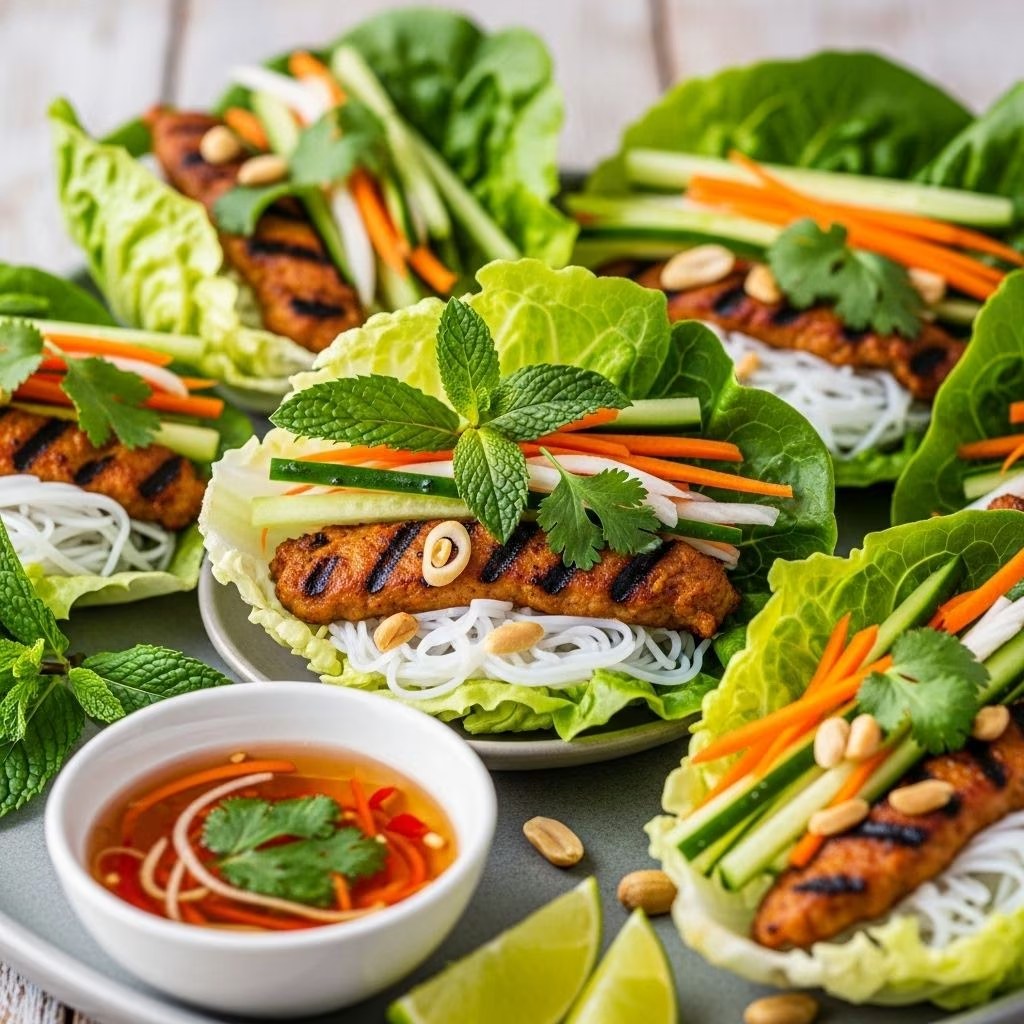
Vietnamese cuisine is celebrated for its vibrant flavors, fresh ingredients, and balanced nutrition. Among its most beloved dishes are Vietnamese lettuce wraps, which offer a refreshing, healthy alternative to heavier wraps or sandwiches. With crisp lettuce cradling savory meats, aromatic herbs, crunchy vegetables, and flavorful sauces, each bite delivers a delightful mix of textures and tastes. This article provides a comprehensive walkthrough, from essential ingredients and step-by-step instructions to expert tips, nutrient benefits, and frequently asked questions, ensuring you can effortlessly prepare and enjoy these wraps at home.
Why Vietnamese Lettuce Wraps Stand Out
- Fresh and Healthy: Lettuce wraps use leafy greens instead of bread, making them naturally gluten-free and lower in calories, ideal for varied diets.
- Customizable: Switch up proteins, vegetables, and sauces easily to match dietary needs or personal preferences.
- Flavorful Sauces: Unique Vietnamese dipping sauces such as nuoc cham or peanut sauce add complexity while balancing sweet, sour, salty, and spicy notes.
- Perfect for Sharing: Serve all ingredients family-style so everyone can assemble wraps to taste—a fun and interactive meal.
Ingredients: Building Blocks of Flavor
The fundamental ingredients for Vietnamese lettuce wraps include proteins (commonly pork or chicken), aromatic vegetables, fresh herbs, crunchy toppings, and savory dipping sauces. Here’s a breakdown, plus suggested swaps for dietary preferences:
Protein Options
- Ground pork: Traditional, juicy, and flavorful.
- Ground chicken, turkey, or beef: Lighter, lean options for those who prefer substitutions.
- Shrimp: Excellent for pescatarians—use pre-cooked for convenience.
- Tofu or meat substitute: Vegetarian-friendly, adds a soft texture.
Vegetables & Aromatics
- Lettuce leaves: Bibb, Romaine, Iceberg, or Butter lettuce work well as wraps due to their shape and crunch.
- Water chestnuts: Provide a classic, crunchy contrast in the filling.
- Carrots: Add sweetness and color—use grated or julienned.
- Cucumbers: Thinly sliced Persian cucumber for extra freshness.
- Daikon radish: Often pickled for tang and crunch.
- Aromatics: Garlic, ginger, lemongrass, shallots, and scallions infuse deeper flavor.
Herbs & Toppings
- Cilantro and mint: Bright, cooling flavor, essential for authentic taste.
- Basil: Optional, adds a sweet herbal note.
- Crushed peanuts: Sprinkled for crunch and richness.
- Chiles: Thai chilies for heat (optional).
Sauces & Condiments
- Nuoc cham: A sweet, tangy Vietnamese dipping sauce made from fish sauce, lime juice, sugar, herbs, and aromatics.
- Peanut sauce: Creamy and nutty, made with natural peanut butter, hoisin sauce, coconut milk, and aromatics. Often served as a dip.
Ingredient Swap Table
| Traditional Ingredient | Substitute Option | Dietary Need |
|---|---|---|
| Pork | Ground chicken, tofu, shrimp | Low calorie, vegetarian, pescatarian |
| Soy sauce | Gluten-free tamari | Gluten-free |
| Fish sauce | Vegetarian fish sauce (soy-based) | Vegetarian/vegan |
| Peanuts | Toasted sunflower seeds | Nut-free |
Step-by-Step Instructions: How to Make Vietnamese Lettuce Wraps
Despite their impressive flavors, Vietnamese lettuce wraps are straightforward to prepare. Below is a stepwise guide, covering all essential steps for a delicious, well-balanced dish.
Step 1: Prepare the Sauce
- For nuoc cham: Combine brown sugar, lime juice, fish sauce, and water in a bowl, stirring to dissolve sugar. Add chopped cilantro, mint, scallions, shallots, and Thai chile. Mix well and set aside.
- For peanut sauce: Blend natural peanut butter, hoisin, lime juice, coconut milk, garlic, soy sauce, and a splash of chili paste. Adjust consistency with water if needed.
Step 2: Prepare Protein Filling
- Heat oil in a large pan over medium-high heat.
- Add ground pork (or chosen protein) and cook until browned, breaking up meat as you stir. Season lightly with salt and pepper.
- Add aromatics: minced garlic, fresh ginger, shallots, finely chopped lemongrass, and scallions. Sauté for a minute until fragrant.
- Mix in sliced water chestnuts, grated carrot, soy sauce, brown sugar, fish sauce. Stir well and let simmer for another minute. Remove from heat.
Step 3: Prepare and Slice Toppings
- Thinly slice Persian cucumber and chop fresh herbs (cilantro, mint, basil).
- Lightly crush or chop roasted peanuts for garnish.
- Wash and pat dry lettuce leaves (Bibb, Romaine, or Iceberg) so they are ready to use as wraps.
- Optional: Quick-pickle carrot and daikon radish by soaking in a mix of vinegar, sugar, and salt for up to two hours.
Step 4: Assemble Wraps
- Lay lettuce leaves flat and spoon warm protein filling into the center.
- Top with sliced cucumber, pickled vegetables (if used), chopped herbs, and crushed peanuts.
- Drizzle with nuoc cham or serve with a side of peanut sauce for dipping.
Step 5: Serve Immediately
Enjoy wraps freshly assembled for the crispest texture. Serve ingredients family-style on a platter so everyone can build their own wraps for a customizable meal experience.
Tips for Success and Ingredient Prep
- Use Fresh Herbs: The blend of mint, cilantro, basil, and parsley adds authentic Vietnamese complexity.
- Choose the Right Lettuce: Bibb and Butter lettuce are preferred for their soft yet sturdy structure, but Romaine or Iceberg offer extra crunch.
- Assemble Before Eating: Prevent wraps from getting soggy by letting diners assemble just before eating.
- Customize Fillings: Swap protein or vegetables based on dietary needs, add extra herbs, or mild chiles for personal heat tolerance.
- Make Sauces Ahead: Sauces such as nuoc cham and peanut sauce benefit from melding, so prep a day in advance for deeper flavor.
- No-Cook Option: Use pre-cooked shrimp with raw vegetable toppings for a quick, fresh alternative.
Nutritional Benefits of Vietnamese Lettuce Wraps
Vietnamese lettuce wraps are not just delicious—they’re nutritionally efficient. Here’s how they stack up:
- Low Calorie & Carb: Using lettuce instead of bread or rice paper dramatically reduces calorie and carbohydrate count.
- High in Protein: The protein filling (pork, chicken, shrimp, or tofu) supports lean muscle and sustained energy.
- High Fiber & Vitamins: Fresh lettuce, cucumber, carrots, and herbs contribute fiber, vitamin A, vitamin C, and essential minerals.
- Healthy Fats: Crushed peanuts add heart-healthy fats, while coconut milk in the peanut sauce offers medium-chain triglycerides (MCTs).
- Low Sugar/Gluten-Free Adaptations: Easy swaps (gluten-free soy or fish sauce, sugar alternatives) make recipes suitable for most health goals.
Flavor Profile: What Makes Vietnamese Wraps Unique?
- Balance of Flavors: Vietnamese dishes emphasize the harmony of sweet, sour, salty, bitter, and spicy in every bite.
- Freshness: The heavy use of raw vegetables and herbs ensures the dish feels light yet satisfying.
- Contrast in Textures: Soft meat, crisp lettuce, crunchy nuts, and the snap of pickled vegetables keep the palate engaged.
- Sauces: Nuoc cham’s bright, tart notes or the rich, creamy tones of peanut sauce bring complexity and depth to every wrap.
Serving Suggestions and Variations
- Main Course or Appetizer: Lettuce wraps work as a light main or a vibrant starter for larger meals.
- Family-Style Platters: Lay out separate bowls of protein, vegetables, herbs, sauces, and toppings so everyone can create their perfect wrap.
- Wrap Bar: Offer a variety of proteins (pork, chicken, tofu, shrimp), different herbs, and both nuoc cham and peanut sauce for dipping.
- Vegetarian & Vegan Versions: Omit animal proteins and fish sauce or use flavorful tofu with vegetarian sauces.
- Gluten-Free Adjustments: Use gluten-free tamari and certified gluten-free fish sauce for those avoiding gluten.
Frequently Asked Questions (FAQ)
Q: What’s the best lettuce for wraps?
A: Bibb or Butter lettuce offers a balance of structure and tenderness, making assembly easy, though Romaine and Iceberg work for a crunchier bite.
Q: Can I prepare the components ahead of time?
A: Yes. Sauces and fillings can be made a day in advance and refrigerated. Assemble wraps just before serving to maintain freshness.
Q: How do I add more flavor to my wraps?
A: Use fresh, aromatic herbs and a combination of sauces. The more variety in toppings, the more complex the flavor profile.
Q: Can I make these wraps vegetarian or vegan?
A: Absolutely. Substitute tofu or other plant-based proteins and use vegetarian fish sauce for the dipping sauces.
Q: Are Vietnamese lettuce wraps gluten-free?
A: Yes, if you use gluten-free soy sauce and fish sauce. Always check labels to avoid hidden gluten sources.
Q: What other vegetables work well in lettuce wraps?
A: Julienne bell peppers, sliced radishes, shredded cabbage, or quick-pickled onions can add even more texture and color.
Expert Tips for Flavor and Texture
- Marinate your protein blend for deeper flavor before cooking.
- Toast peanuts lightly for maximum crunch and aroma.
- Layer herbs generously—they are key to the signature Vietnamese taste.
- Let pickled vegetables rest for at least one hour for optimal tang.
Summary: Vietnamese Lettuce Wraps, A Healthy Upgrade for Any Meal
Vietnamese lettuce wraps blend vibrant flavors, fresh textures, and customizable ingredients for a memorable, healthy eating experience. Whether for a quick dinner, elegant appetizer, or a hands-on family meal, they showcase the best of Vietnamese cooking with ease and flexibility. Try the recipe, explore ingredient swaps, and experiment with both classic and creative sauces for a dish that’s endlessly craveable and always satisfying.
References
- https://www.cherryonmysundae.com/2022/10/vietnamese-pork-lettuce-wraps.html
- https://www.recipetineats.com/vietnamese-lettuce-wraps-with-peanut-sauce/
- https://carlahall.com/vietnamese-lettuce-wraps/
- https://www.prevention.com/food-nutrition/recipes/a34031641/vietnamese-lettuce-wraps-recipe/
- https://www.prevention.com/food-nutrition/recipes/g25461289/lettuce-wrap-recipes/
- https://www.youtube.com/watch?v=eHrJe0Vxnr8
- https://www.prevention.com/food-nutrition/g41055022/low-calorie-meals/
- https://www.youtube.com/watch?v=EbSQT_3NA80