Roasted Salmon with Artichokes and Red Onion
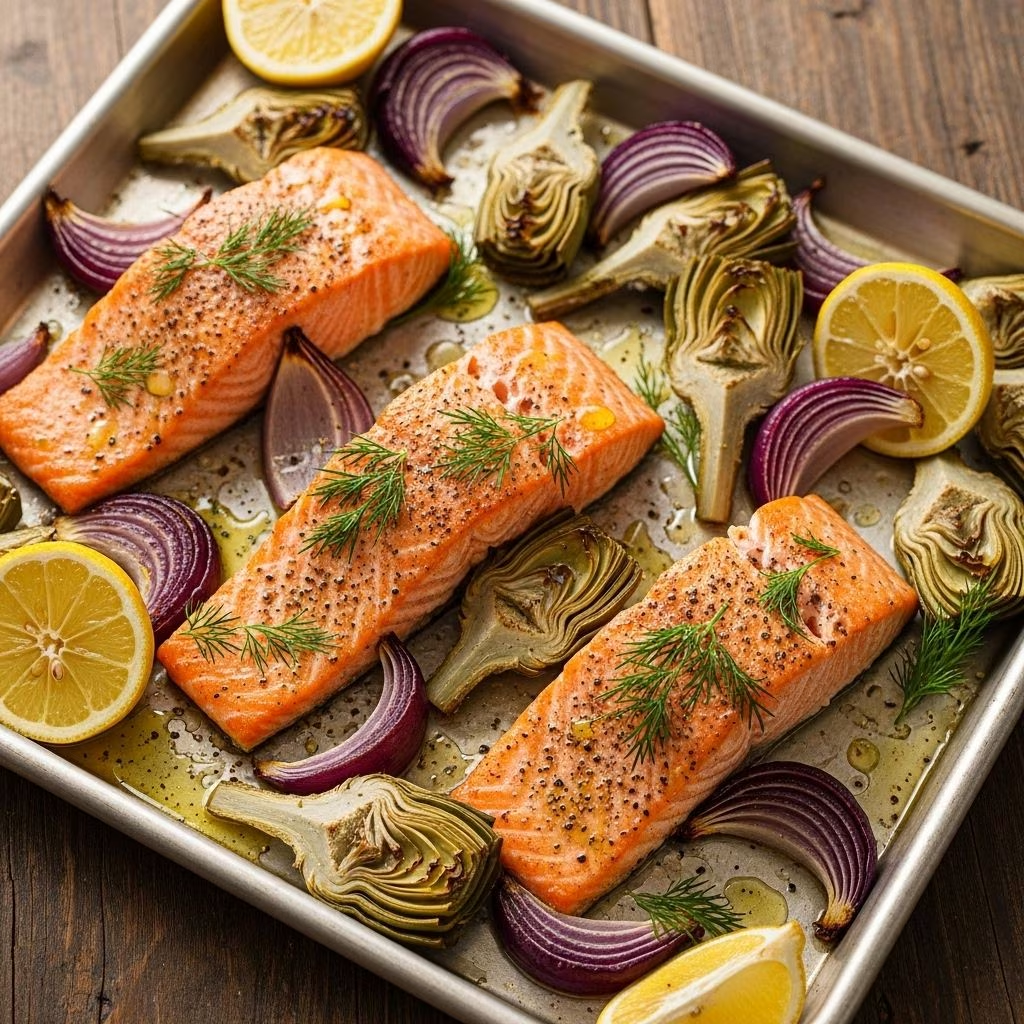
Sheet pan roasted salmon is a standout in weeknight cooking: it’s speedy, requires little cleanup, and never fails to impress with robust flavors and nutritional balance. This recipe heroically pairs salmon fillets with canned artichoke hearts, red onion wedges, and navel oranges on a single baking sheet—finished with a bright, herbaceous parsley oil drizzle. It’s a meal loaded with healthy fats, vibrant colors, and Mediterranean-inspired accents that transform a simple dinner into a feast.
Why This Recipe Works
- One-pan convenience: Everything roasts together for less mess and harmonious flavors.
- Healthy and nutrient-rich: Salmon offers omega-3s; artichoke hearts provide fiber and antioxidants.
- Zesty, balanced flavors: Oranges and parsley oil wake up the palate and complement the baked salmon.
- 30-minute total time: Efficient prep and cook time make it ideal for busy evenings.
Ingredients
This crowd-pleasing recipe serves four and features readily available pantry and produce items. Gather these for a simple, nutritious sheet pan meal:
For the Salmon and Vegetables
- 2 (14-oz.) cans artichoke hearts, halved and well-drained
- 1 medium red onion, cut into 8 wedges
- 1 tbsp olive oil
- Kosher salt and fresh cracked black pepper, to taste
- 2 small navel oranges (one for roasting, one for zesting)
- 4 (5-oz.) skinless salmon fillets
- 1 clove garlic, finely chopped
For the Parsley Oil
- 1 cup flat-leaf parsley (stems removed for smoothest sauce)
- 1/2 cup olive oil
- 1 tsp fresh lemon juice
- 1/4 tsp kosher salt
Directions
- Prep the oven and vegetables: Heat your oven to 425°F (220°C). On a large rimmed baking sheet, arrange the artichokes (patted dry to encourage browning) and red onion wedges. Drizzle with olive oil, season with 1/2 teaspoon each of salt and pepper, and toss to coat. Spread into a single layer and make four spaces for the salmon. Roast for 15 minutes.
- Prep the salmon and oranges: While the vegetables roast, slice one orange into wedges. Season the salmon fillets with chopped garlic and 1/4 teaspoon each salt and pepper.
- Add salmon and orange: Place salmon fillets in the reserved spaces on the sheet pan. Tuck in the orange wedges among the vegetables. Return to the oven and roast until salmon is opaque throughout and flakes easily, about 12–15 minutes.
- Make the parsley oil: Meanwhile, puree the parsley, olive oil, lemon juice, and 1/4 teaspoon salt in a blender or food processor until smooth and vibrant green.
- Finish and serve: Zest the remaining orange over the roasted vegetables. Spoon the parsley oil generously over the hot salmon and vegetables and serve immediately.
Nutrition Breakdown
This meal is as balanced as it is beautiful, with thoughtful macros and substantial flavor:
| Per Serving | Amount |
|---|---|
| Calories | 540 |
| Protein | 33 g |
| Carbohydrates | 21 g |
| Fiber | 3 g |
| Sugars | 7.5 g (0 g added) |
| Fat | 36 g (5.5 g saturated fat) |
| Cholesterol | 66 mg |
| Sodium | 898 mg |
Tips for Sheet Pan Success
- Pat artichokes dry: Excess moisture can prevent browning—use a paper towel to dry canned artichokes after draining.
- Don’t overcrowd: Spread veggies and salmon so they roast, not steam.
- Preheat the sheet: Preheating the pan in the oven can give vegetables a jumpstart on caramelization.
- Watch the fish: Salmon cooks quickly; pull from the oven as soon as it flakes with a fork.
- Make ahead: Prep the parsley oil and dry artichokes in advance to streamline weeknight assembly.
Ingredient Spotlight
Salmon
Rich in omega-3 fatty acids, salmon supports heart and brain health. Choosing wild-caught boosts the nutrient profile and flavor.
Artichokes
These Mediterranean gems are loaded with fiber, vitamin C, and antioxidants. Jarred or canned artichokes offer year-round convenience and concentrated nutrition.
Red Onion
Red onion adds sweetness and color while roasting, along with beneficial phytochemicals such as quercetin.
Oranges
Navel oranges add juiciness, low-acid sweetness, and vitamin C, balancing the savoriness of the fish and vegetables.
Parsley Oil
Homemade parsley oil doubles as a finishing sauce and a nutrition booster, brimming with vitamins K, C, and A, plus bright, herbal notes.
Serving Suggestions & Variations
- Make it a meal: Serve over farro, quinoa, brown rice, or whole-grain couscous for hearty texture and extra nutrition.
- Switch the citrus: Blood orange or Meyer lemon can substitute for the navel orange.
- Change up the herbs: Blend in fresh basil, mint, or dill for a new dimension to the herb oil.
- Alternate veggies: Add bell peppers, cherry tomatoes, or zucchini—just cut to similar size for even roasting.
- For a dairy finish: Top with crumbled feta or a dollop of Greek yogurt at serving.
Why Sheet Pan Dinners are Healthier—and Easier
Sheet pan dinners like this one streamline meal prep, limit added oil, and ensure you’re eating a rainbow of produce. Roasting intensifies flavors without frying, and the olive oil used is rich in healthy monounsaturated fats. By balancing fish, vegetables, and citrus (plus a fresh herb sauce), this dish proves healthy meals should never sacrifice taste.
Frequently Asked Questions (FAQs)
Can I use fresh artichokes instead of canned?
Yes, but using canned or jarred artichokes saves significant prep time and works perfectly for roasting. If using fresh, steam and quarter the hearts before roasting.
What if I don’t eat fish? What’s a good substitute?
Thick slices of tofu or skinless chicken breast may be substituted for salmon; adjust roasting time accordingly to ensure safe internal temperatures (tofu: roughly the same, chicken breast: 20–25 minutes).
How do I know when salmon is done?
Salmon should be opaque and flake easily with a fork. Internal temp should reach 145°F (63°C) for food safety, but many chefs prefer to pull it at 135°F (57°C) for just-cooked moistness since it will continue to cook off the heat.
Is parsley oil just for fish?
No; parsley oil is a versatile finishing sauce. Drizzle it over grain bowls, roasted chicken, grilled vegetables, or even eggs for an herbal pop.
Can leftovers be stored?
Store cooled salmon, veggies, and extra parsley oil in separate airtight containers. Refrigerate up to 2 days. Reheat very gently in the oven or microwave to avoid drying the salmon.
Recipe Notes & Advanced Tips
- Meal prep: Double the parsley oil and use on salads, grain bowls, or roasted veggies throughout the week.
- Budget tip: Canned or jarred artichoke hearts are frequently available on sale—stock up for fast dinners anytime.
- For entertaining: Arrange roasted components on a large platter, drizzle with parsley oil, and garnish with extra orange zest and chopped parsley for a showstopping presentation.
- Reduce sodium: Choose low-sodium or no-salt-added canned artichokes and season to taste.
Meal Planning and Seasonal Pairings
This dish is equally at home as a springtime main or a winter weeknight staple, thanks to the year-round availability of the core ingredients. Pair it with a crisp green salad in warmer months or roasted root vegetables when it’s chilly. The zesty parsley oil brightens even the gloomiest day, making this a recipe you’ll reach for again and again.
Explore More from The Healthy Kitchen
- 30 Best Foods Every Woman Over 40 Should Be Eating
- 31 Metabolism-Boosting Foods to Add to Your Plate
- 20 Vitamin A-Rich Foods You Should Be Eating
- Healthy Peanut Butter-Banana Pancakes
- Mocktail, Anyone? Try a Guava Margarita
- A Pear and Spiced Walnut Salad for Winter
- Crunchy Turkey Salad for Thanksgiving Leftovers
Get inspired to cook and eat well every day with vibrant, smart recipes that make healthy eating attainable—and delicious!
References
- https://www.prevention.com/food-nutrition/recipes/a34079549/roasted-salmon-artichokes-red-onion-recipe/
- https://hungryfoodie.com/sheet-pan-salmon-and-vegetables/
- https://sunkissedkitchen.com/mediterranean-salmon-and-artichoke-skewers/
- https://preventionrd.com/artichoke-and-spinach-roasted-salmon-weekly-menu/
- https://www.sarcasticcooking.com/2018/03/01/sheet-pan-spicy-mediterranean-salmon-and-vegetables/
- https://www.littlebroken.com/artichoke-and-spinach-roasted-salmon/
- https://www.prevention.com/food-nutrition/healthy-eating/g39431583/best-salmon-recipes/
- https://www.youtube.com/watch?v=zhbZTx-849E
- https://www.redbookmag.com/food-recipes/entertaining/g60470769/healthy-salmon-recipes/