Lunar New Year, known commonly as Chinese New Year or Spring Festival, is a celebration deeply rooted in symbolic traditions, vibrant gatherings, and culinary rituals believed to usher in fortune, longevity, and happiness for the year ahead. Much of the festivity centers around the dinner table, where each dish is not only a feast for the senses, but also a wish for health, prosperity, and good luck. This guide explores the most significant lucky foods enjoyed during Lunar New Year, revealing the symbolism behind each one and offering insights into how they’re traditionally prepared and shared with loved ones.
Understanding the Importance of Food in Lunar New Year
The Lunar New Year is observed over 15 days, with elaborate meals marking the start (the all-important reunion dinner), the transition between years, and the final day known as the Lantern Festival. Each dish on the festive table is selected not just for flavor, but for its cultural meaning—derived through symbolism, wordplay, and the hope for blessings in the coming year. Ingredients, shapes, colors, and even names are chosen with auspicious intent, turning every bite into a wish for the future.
Let us journey through the most iconic foods that make Lunar New Year both a culinary and a spiritual celebration.
Fish: Surplus and Prosperity
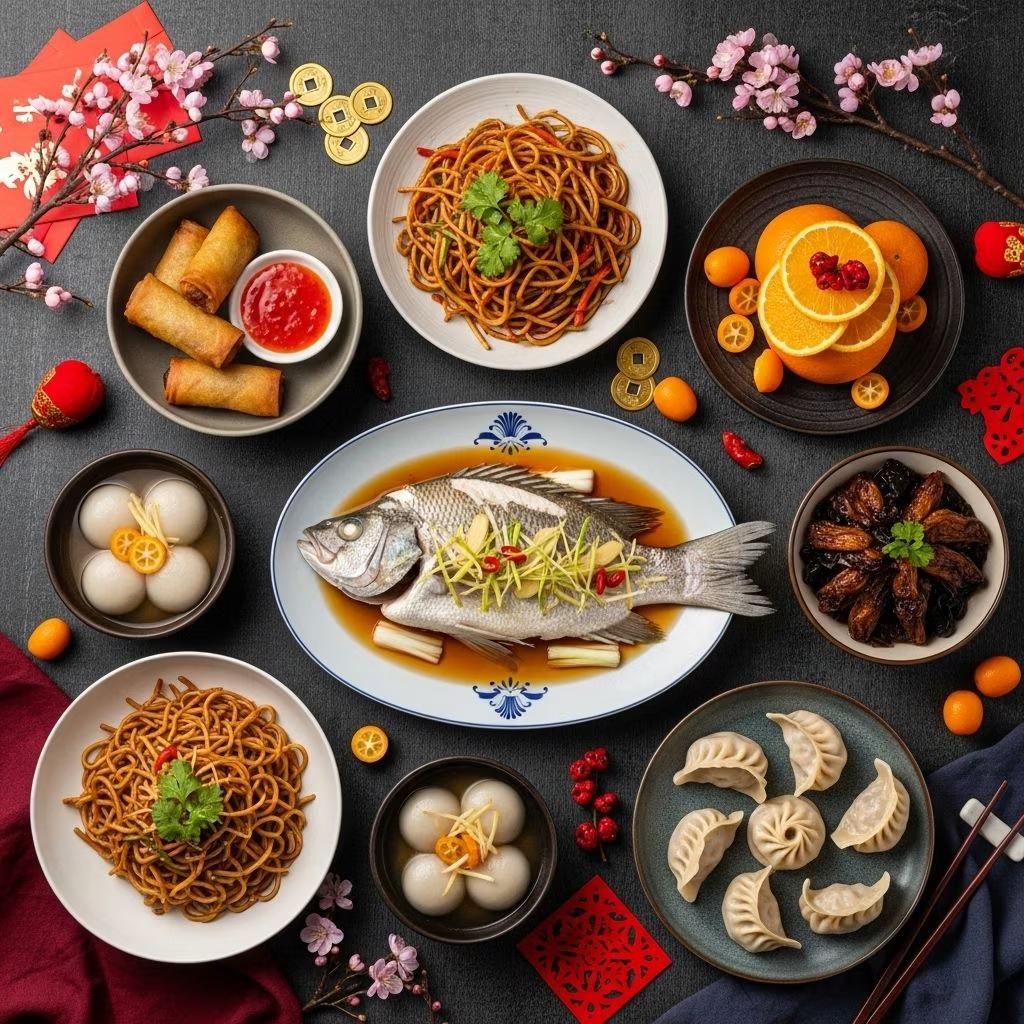
Fish, pronounced “yú” (鱼), is an essential centerpiece of the New Year’s Eve meal. It is usually served whole, symbolizing a bountiful beginning and ending to the year and the hope for surplus — that you will always have more than enough. The Mandarin phrase “nián nián yǒu yú” (年年有余) literally means “may you have abundance every year.”
- Fish is almost always served whole (head to tail), reflecting unity and completeness.
- Only part of the fish is eaten on the eve; the remainder is saved and finished the next day to symbolize continued prosperity.
- Steaming is the most common method, highlighting the fish’s natural flavors.
- Popular types of fish include carp, catfish, or crucian carp, whose names are also homophones for good fortune.
Key Symbolism: Surplus, prosperity, promising fortune into the new year.
Dumplings: Wealth and Abundance
Dumplings (jiǎozi, 饺子) are eaten throughout Lunar New Year, especially in northern China, and are traditionally enjoyed at midnight as the New Year arrives. Their shape—similar to ancient Chinese silver or gold ingots—makes them a symbol of wealth and prosperity. Dumpling-making is a communal activity, bringing family members together.
- Dumplings are commonly filled with minced pork, beef, chicken, or seafood, and chopped vegetables.
- They can be steamed, boiled, or fried.
- Some families hide a coin or a peanut in one dumpling; whoever finds it is promised extra good luck for the year.
- The more dumplings you eat, the more wealth is believed to arrive.
Key Symbolism: Money, fortune, the hope for prosperity and greater riches.
Spring Rolls: Bars of Treasure
Spring rolls (春卷, chūnjuǎn), golden and crispy, are named for their traditional role in welcoming the “Spring Festival.” Like dumplings, their resemblance to gold bars is thought to bring wealth.
- Spring rolls are filled with a variety of vegetables and/or meat, then deep fried.
- Their shape and color—crisp and golden—symbolize wealth and prosperity.
Key Symbolism: Bars of gold, wealth, prosperity.
Niangao/Rice Cake: Improving Fortune Year by Year
Niangao (年糕), a sticky, sweet rice cake, is a must-have for families hoping for promotion, advancement, or growth in the new year. The name is a homophone for “year high” (年高), expressing the wish to rise higher—with success, children’s grades, or income.
- Made with glutinous rice flour and brown sugar; sometimes ingredients like chestnuts, Chinese dates, or lotus leaves are added.
- Sticky texture represents unity and strong familial bonds.
- Niangao can be sweet or savory, steamed or fried in slices after being steamed.
Key Symbolism: Higher achievements, promotions, and abundance in life.
Longevity Noodles: Longevity and Health
Longevity noodles (chángshòu miàn, 长寿面) are extra-long noodles served uncut, believed to bring a long and healthy life. Their impressive length and preparation—boiled or stir-fried—represent the eater’s wish for extended years and smooth journeys ahead.
- Noodles should not be broken or cut during cooking and eating to ensure the symbolism of long life remains intact.
- They are often topped with savory ingredients: mushrooms, vegetables, or meat.
Key Symbolism: Longevity, health, happiness.
Tangerines and Oranges: Success and Fullness
Tangerines and oranges are omnipresent during Chinese New Year. Their round shape and vibrant golden-orange color not only symbolize fullness and wealth, but their names also sound like “luck” (jú, 桔) and “success” (chéng, 橙) in Chinese.
- Tangerines are gifted to friends, family, and business partners, and are placed around the house to invite luck.
- Offering oranges or tangerines in even numbers, especially pairs, is seen as particularly lucky.
- Some households will display them with their leaves still attached, signifying longevity.
Key Symbolism: Success, abundance, good fortune, longevity.
Whole Chicken: Family Unity
Whole chicken (鸡, jī) occupies a place of honor at the New Year’s table, representing family unity and wholeness. It is often cooked with the head and feet attached, reinforcing the theme of completeness and togetherness.
- Steamed, braised, or poached—cooking methods vary by regional tradition.
- Serving the bird whole is vital, as it represents harmony among family members and an unbroken circle of prosperity.
- Sometimes the chicken is stuffed, further emphasizing abundance.
Key Symbolism: Family, unity, togetherness, prosperity.
Other Traditional Lucky Foods
Many additional foods grace the New Year’s table, each selected for their auspicious symbolism and seasonality:
- Eight Treasures Rice Pudding: A sweet dessert made with sticky rice, dried fruits, and nuts; the number eight is extremely lucky in Chinese culture, symbolizing wealth and good fortune.
Popular toppings include red jujubes, raisins, goji berries, pine nuts, cherries, and lotus seeds. - Fat Choi (Black Moss): The name sounds like “prosperity” in Cantonese. Frequently paired with mushrooms or oysters in banquet dishes.
- Red Foods (Crab, Peking Duck, Barbecue Pork, Shrimp): Red is the most auspicious color during the New Year, associated with happiness, joy, and prosperity.
Including red foods in the festive meal is thought to amplify good luck. - Sticky Sweet Rice Balls (Tangyuan): The round shape symbolizes family togetherness and completeness, especially enjoyed during the Lantern Festival.
| Food | Symbolism | Key Traditions |
|---|---|---|
| Fish | Surplus, abundance, prosperity | Served whole, partially eaten, with leftovers for next day |
| Dumplings | Wealth, fortune | Made and eaten with family at midnight |
| Niangao | Improvement, promotions | Served to wish higher achievements |
| Longevity Noodles | Long life and health | Served extra long and uncut |
| Tangerines/Oranges | Luck, wealth, fullness | Displayed and gifted in pairs |
| Whole Chicken | Unity, completeness | Served with head and feet for family harmony |
Frequently Asked Questions (FAQs)
Q: Why are fish and dumplings always eaten during Chinese New Year?
A: Both dishes symbolize abundance and wealth. Fish represents surplus (the word for ‘fish’ sounds like ‘surplus’ in Mandarin), while dumplings mimic the appearance of ancient Chinese ingots, indicating a wish for prosperity.
Q: Must all lucky foods be homemade, or can they be bought?
A: While homemade dishes carry extra significance due to their association with family participation, it is common (especially in cities) to purchase some foods from markets or restaurants—especially if preparing everything by hand is not possible.
Q: Are there foods that are avoided during Lunar New Year?
A: Yes. Foods with inauspicious names or associations are generally avoided—for example, porridge (associated with poverty) or foods with a bitter or sour taste. Presentation matters as well: serving broken fish or chicken is a bad omen for the new year.
Q: What’s the meaning of gifting tangerines?
A: Giving tangerines and oranges, often with their leaves intact, is a gesture wishing the recipient luck, prosperity, and long-lasting relationships. Their golden color and the sound of their names are both lucky.
Q: Why are red foods and decorations so prominent?
A: In Chinese culture, red is synonymous with happiness, blessing, and good luck. Red foods and décor are thought to ward off evil spirits and draw in prosperity for the whole family.
Tips for Celebrating Lunar New Year with Lucky Foods
- Involve the whole family in preparing dumplings or rice cakes to reinforce the festival’s spirit of reunion.
- Choose dishes with auspicious shapes and names—presentation is as important as ingredients.
- Use vibrant red tableware and decorations to accentuate luck and festivity.
- Don’t forget to display bowls of oranges and tangerines in your home, and offer them as gifts to guests.
Final Thoughts
Lunar New Year meals are much more than culinary delights—they are time-honored rituals, loaded with hopes for the year to come. Whether you prepare every dish from scratch or bring family together around a spread of purchased favorites, embracing the symbolism and joyful tradition of lucky foods will ensure your celebration is both meaningful and delicious.
References
- https://www.simplotfoods.com/sea/blog/traditional-lunar-new-year-foods-and-their-meanings
- https://www.impastiamoclasses.com/post/lucky-foods-to-make-this-chinese-new-year
- https://www.chinahighlights.com/travelguide/chinese-food/chinese-new-year-food.htm
- https://www.discoverhongkong.com/us/explore/dining/enjoy-blessings-chinese-new-year-with-lucky-eats.html
- https://www.youtube.com/watch?v=7TQAltO6qNA