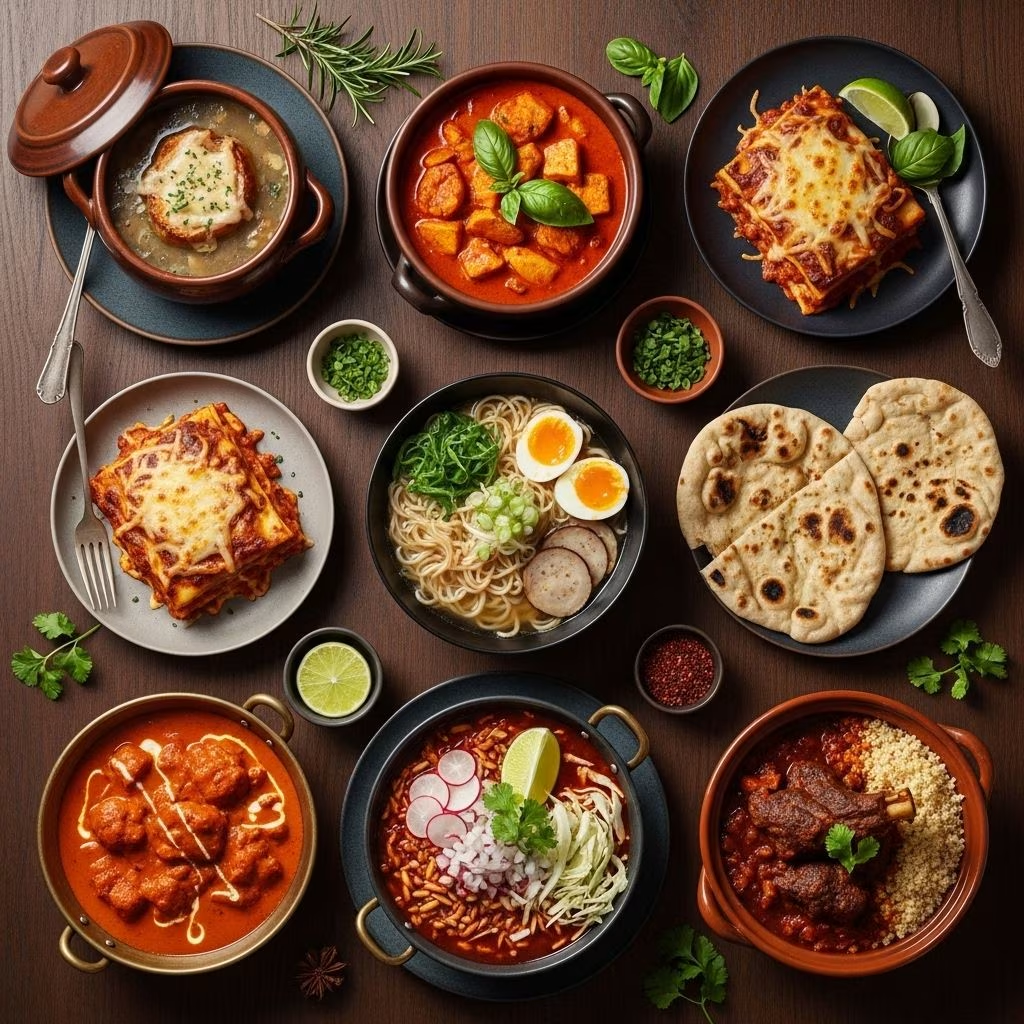
As the winter chill settles in and days grow shorter, there’s no better reason to embrace hearty and flavorful meals at home. This season, venture beyond the ordinary with seven global cuisines celebrated for their ability to bring warmth, comfort, and vibrant nutrition to your table. From Scandinavian rye and smoked fish to fragrant Indian curries, each cuisine offers a delicious glimpse into traditions designed to fortify body and spirit through the year’s coldest months.
Why Try Global Cuisines in Winter?
Winter menus are at their best when they make use of:
- Robust, seasonal produce like root vegetables, cabbage, and winter greens
- Hearty proteins, including fish, meats, and legumes
- Comforting cooking methods: simmering, braising, slow-roasting, and stewing
- Warm spices and flavors that awaken the senses
Each of these elements can be found in abundance in the cuisines featured below, making them ideal for cold-weather exploration.
Table of Winter-Friendly Cuisines
| Cuisine | Region of Origin | Signature Winter Dishes |
|---|---|---|
| Nordic | Denmark, Finland, Iceland, Norway, Sweden | Smorrebrod, Glogg, root veggie stews |
| Vietnamese | Vietnam | Pho, Bun Bo Hue, fried spring rolls |
| Southern American | Southern USA | Jambalaya, shrimp and grits, collard greens |
| Korean | Korea | Bibimbap, Kimchi Jjigae, bulgogi |
| Ukrainian | Ukraine | Borscht, Deruny (potato pancakes) |
| German | Germany | Schnitzel, bratwurst, braised cabbage |
| Indian | India | Butter chicken, aloo gobi, dal |
Nordic Cuisine: Simplicity and Heartiness
Originating from Scandinavia—including Denmark, Finland, Iceland, Norway, and Sweden—Nordic cuisine is a masterclass in utilizing what thrives in colder climates. Expect ingredients such as:
- Freshwater and seawater fish (salmon, herring, cod)
- Robust root vegetables—cabbage, beets, turnips, and mushrooms
- Dense, hearty breads, especially dark rye
One beloved specialty, Smørrebrød, is an open-faced sandwich on dense rye, lavishly coated in butter and layered with smoked fish or sliced meats, then finished with fresh herbs or horseradish. This simple meal delivers both flavor and nutrition in each bite.
If you crave something to sip, Glogg—a Swedish mulled wine spiced with cloves, cinnamon, and citrus peel—is a festive winter warmer, perfect for long nights indoors.
Try at Home
- Gravlax: Cured salmon on rye with fresh dill
- Root Vegetable Stew: Simmer beets, carrots, and potatoes with dill and black pepper
- Swedish Glogg: Red wine steeped with orange peel, cardamom, and sugar
Vietnamese Cuisine: Fragrant Balance
Vietnamese food achieves an artful balance of salty, spicy, sour, and sweet, often pairing hot preparations with cooling, fresh herbs. Even in winter, Vietnamese cuisine brings vibrancy and nourishment with:
- Broth-based dishes like Pho: long-simmered beef or chicken noodle soup topped with basil, cilantro, and lime
- Light yet hearty proteins: chicken, beef, fish, and plenty of shrimp
- Herbs in abundance: lemongrass, mint, basil, and cilantro
- Aromatic flavors: fish sauce, ginger, garlic, and chili
Pho is a Vietnamese staple, offering comfort and warmth in a steaming bowl brimming with noodles, tender proteins, and an array of garnishes such as bean sprouts and jalapeños. For a deeper flavor experience, try Bun Bo Hue, a spicy beef noodle soup with lemongrass and chili, or crispy golden spring rolls filled with pork and winter vegetables.
Try at Home
- Pho: Beef or tofu with rice noodles, bean sprouts, and fresh herbs
- Goi Cuon: Fresh spring rolls stuffed with shrimp, lettuce, mint, and vermicelli
- Bun Bo Hue: Spicy noodle soup with beef shank and lemongrass
Southern American Cuisine: Soulful Comfort
The Southern United States boasts a diverse culinary heritage blending African, French, Caribbean, and Native American traditions. Its winter fare is hearty, flavorful, and meant to sustain you through cold nights. Southern classics include:
- Jambalaya: A rich stew with rice, sausage, chicken, and seafood, slow-cooked with peppers and tomatoes
- Shrimp and Grits: Creamy cornmeal grits paired with garlicky shrimp
- Stewed Collard Greens: Slowly braised with smoked meats or simply seasoned for a vegetarian option
- Cornbread: The must-have bread for soaking up stews and broths
Soul food staples such as black-eyed peas, okra, and sweet potatoes make frequent appearances, often providing both robust nutrition and a sense of home-cooked comfort.
Try at Home
- Jambalaya: Rice, chicken, sausage, vegetables, and Cajun spices
- Collard Greens: Simmered with onions and a touch of vinegar
- Shrimp and Grits: Creamy grits topped with spicy sautéed shrimp
Korean Cuisine: Heat and Fermentation
Korean cuisine is celebrated for its bold flavors and unique textures, relying on fermentation, spice, and a variety of proteins for dishes that excite and satisfy. Signature winter options feature:
- Kimchi: Fermented cabbage with chili, garlic, and ginger, integral to nearly every meal
- Bibimbap: A colorful rice bowl with an array of sautéed and pickled vegetables, egg, meat, and gochujang (spicy paste)
- Sundubu-Jjigae: A bubbling, spicy tofu stew packed with kimchi and vegetables
- Korean BBQ: Grilled meats served with a range of pickled and fermented sides
Kimchi not only enlivens dishes but also offers probiotics that support digestion and immunity during winter. Bibimbap’s versatility lets you pile in leftover veggies or proteins, while comforting soups like Kimchi Jjigae keep you warm to your core.
Try at Home
- Kimchi Jjigae: Spicy stew with kimchi, tofu, and pork
- Bibimbap: Layer rice with stir-fried vegetables, fried egg, and kimchi
- Bulgogi: Sweet-salty marinated beef, quickly seared
Ukrainian Cuisine: Rooted in Winter Tradition
Ukraine’s cuisine is built around ingredients that thrive in frigid temperatures, such as potatoes, beets, and sturdy grains. Its hearty, earthy flavors are ideal for fortifying against winter winds:
- Borscht: A deep red beet soup enriched with sour cream, dill, and hearty vegetables
- Deruny: Potato pancakes, crispy on the outside and tender inside, often served with sour cream
- Holubtsi: Cabbage rolls stuffed with rice and ground meat
Borscht is both striking and nutritious—high in antioxidants and vitamins. Deruny deliver satisfying energy, while stuffed cabbage rolls make for a full meal packed with flavor and texture.
Try at Home
- Borscht: Simmer beets, carrots, potatoes, and onions; finish with sour cream
- Deruny: Grate potatoes and onion, mix with egg and flour, pan-fry until golden
- Holubtsi: Bake cabbage rolls in a tangy tomato sauce
German Cuisine: Robust Flavors and Hearty Plates
German cooking is celebrated for stick-to-your-ribs meals built around staple ingredients—especially winter-friendly roots and brassicas:
- Schnitzel: Breaded and fried chicken or pork cutlets
- Bratwurst: Hearty sausages, often paired with sauerkraut
- Brauhaus Pretzels: Large, soft, and salty
- Braised Cabbage: Savory-sweet red or green cabbage, often as a side
Traditional German sides such as carrots, turnips, and spinach accompany meals, drawing deeply on local, cold-hardy produce. A generous plate of schnitzel with a cabbage side dish and crusty bread, especially when enjoyed with a pint of beer, is the quintessential winter meal.
Try at Home
- Chicken Schnitzel: Thinly pounded chicken, breaded and fried
- Bavarian Pretzels: Homemade or bakery-fresh, perfect with mustard
- Braised Cabbage: Sauté onions and cabbage, finish with vinegar and spices
Indian Cuisine: Spices That Warm from Within
India’s culinary landscape is immensely diverse, but common to almost all winter dishes is the generous use of comforting spices:
- Turmeric, cumin, cardamom, cinnamon, and garam masala
- Slow-cooked stews packed with legumes, root vegetables, and grains
- Rich, thick, aromatic gravies over rice or flatbreads
Butter chicken—chicken pieces in a creamy, spicy tomato-based sauce absorbed by naan or rice—is a signature comfort food. For a lighter but equally warming choice, Aloo Gobi combines cauliflower and potatoes with turmeric, cumin, and fresh coriander. Hearty stews such as Dal (lentil soup) are plant-protein-rich and deeply satisfying.
Try at Home
- Butter Chicken: Chicken thighs simmered in creamy tomato gravy
- Aloo Gobi: Cauliflower and potatoes with turmeric and cumin
- Dal: Lentils simmered with ginger, garlic, and garam masala
Seasonal Recipes to Energize Winter Meals
Pair these cuisines and flavors with fresh, seasonal recipes to maximize nutritional value and taste. Here are a few ideas to keep your winter menu diverse and exciting:
- Kaiserschmarrn With Roasted Mixed Berries: A fluffy Austrian pancake torn into bite-sized pieces, served hot with tangy berries—great for dessert or brunch.
- Blackberry-Balsamic Glazed Pork Skewers: Sweet-tart berries and balsamic vinegar elevate simple pork to a cozy main dish.
- Green Summer Minestrone: Even comfort foods can be veggie-centric for a post-holiday reset.
- Blueberry-Chia Jam Oat Cake: A high-fiber, antioxidant-rich breakfast or snack perfect for sustaining winter energy.
Tips for Eating Well All Winter Long
- Experiment with one new cuisine each week to expand your cooking repertoire.
- Use root vegetables and hardy greens for fiber and vitamins.
- Batch-cook soups and stews for quick, warming meals on busy nights.
- Balance hearty proteins with plenty of seasonal produce and herbs.
- Don’t forget fermented or pickled foods for a flavorful probiotic boost!
Frequently Asked Questions (FAQs)
Q: How do I pick a winter cuisine if I’ve never cooked globally before?
A: Start by choosing a cuisine based on ingredients you enjoy and have access to. Begin with simple recipes, like soups or rice dishes, to build confidence and familiarity with new flavors.
Q: Which winter cuisine is the healthiest?
A: All featured cuisines can be healthy when emphasizing whole foods, lean proteins, and plenty of vegetables. Indian and Nordic meals are especially plant-forward and rich in spices, herbs, and fiber.
Q: Are these cuisines suitable for vegetarians and vegans?
A: Yes! Nearly every cuisine listed offers vegetarian staples. Indian, Korean, and Vietnamese fare are particularly accommodating with dishes based on lentils, tofu, and vegetables.
Q: What kitchen tools help with cooking winter comfort foods?
A: Useful tools include a Dutch oven or slow cooker for braises and stews, a sharp chef’s knife for prepping root veggies, and a heavy-bottomed pan for sautéing and frying.
Q: How can I make winter meals lighter and healthier?
A: Focus on brothy soups, baked versus fried foods, and generous portions of veggies. Incorporate whole grains and avoid overly processed ingredients for a nutrient-rich meal.
References
- https://www.prevention.com/food-nutrition/recipes/g42802432/the-7-best-cuisines-to-try-in-the-winter/
- https://www.consumerreports.org/health/healthy-eating/foods-to-add-to-your-diet-for-healthy-fall-meals-a1669945255/
- https://www.prevention.com/health/health-conditions/a20431415/healthy-winter-dinner-ideas/
- https://pmc.ncbi.nlm.nih.gov/articles/PMC10128075/
- https://www.epa.gov/recycle/preventing-wasted-food-home
- https://www.aspca.org
- https://nutritionsource.hsph.harvard.edu/vitamin-d/