Fresh Tomato, Horseradish, and Lemon Soba Recipe
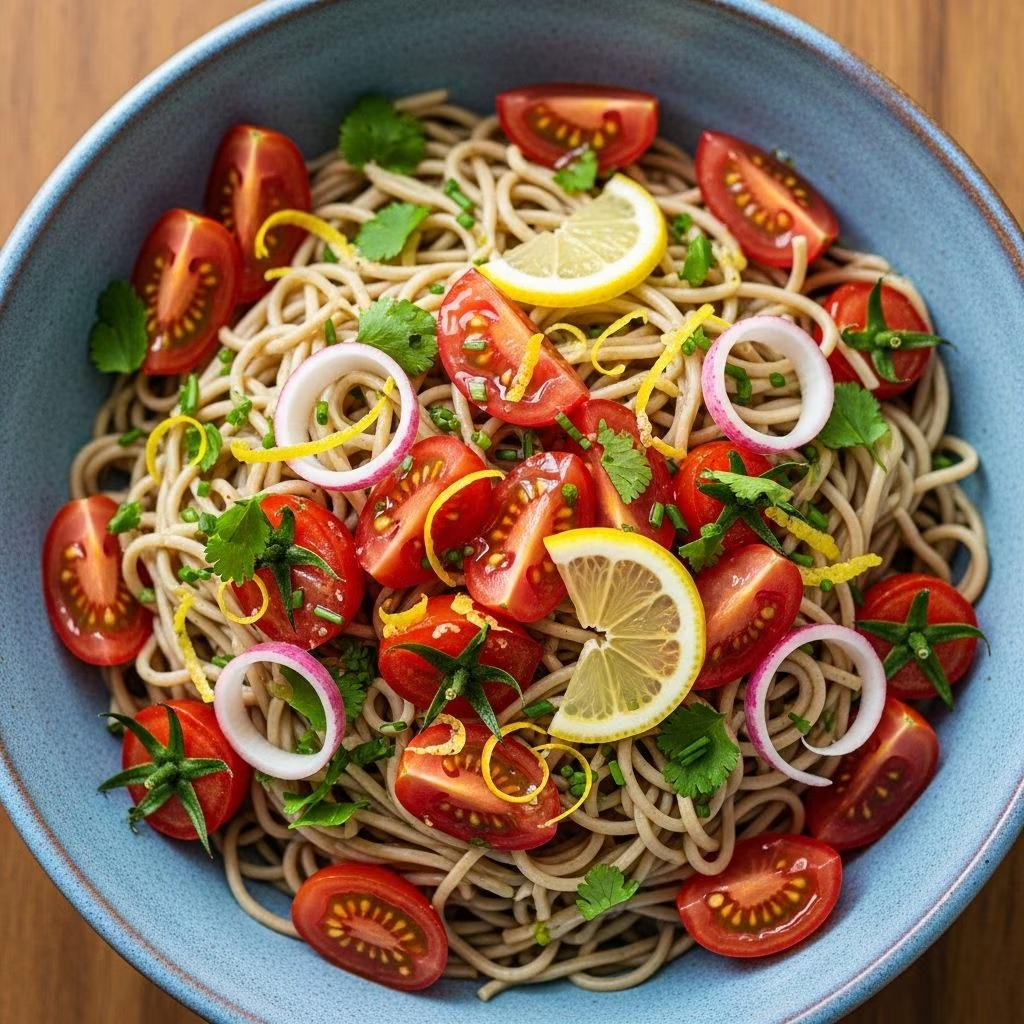
Soba noodles, with their earthy flavor and chewy texture, make the perfect base for a dish that celebrates the peak flavors of summer. This recipe harmoniously blends ripe tomatoes, assertive horseradish, and bright lemon to create a light yet satisfying main or side. Whether you’re seeking a vibrant vegetarian lunch or a healthy dinner, this dish offers wholesome nutrition and lively flavor.
Why This Recipe Works
- Peak Seasonal Flavors: Uses juicy, fresh tomatoes for maximum sweetness and tang.
- Simple Yet Sophisticated: Minimal ingredients yield rich, layered tastes.
- Quick Preparation: Cooks in under 30 minutes, making it ideal for weeknights or meal prep.
- Healthy & Balanced: Offers complex carbs, fiber, and plant protein with vibrant vegetables.
What Are Soba Noodles?
Soba noodles originate from Japan and are traditionally made from buckwheat flour, sometimes with wheat flour added. They are celebrated for their earthy taste, smooth texture, and versatile use in both hot and cold dishes. When shopping, look for noodles labeled “100% buckwheat” for maximum nutritional value and gluten-free benefits if needed.
Nutritional Highlights
- High in Protein: 6–8 grams per serving, supporting muscle function and satiety.
- Good Source of Fiber: Helps maintain gut health and stabilizes blood sugar.
- Manganese, Magnesium, and B Vitamins: Essential minerals and vitamins supporting metabolism and bone health.
- Natural Prebiotic: Buckwheat feeds beneficial gut bacteria.
- Gluten-Free (if pure buckwheat): Suitable for gluten-sensitive diets.
Key Ingredients
- Soba Noodles: Provides hearty texture and nutty flavor; opt for 100% buckwheat when possible.
- Fresh Tomatoes: Use ripe summer varieties (heirloom, cherry, or vine-ripened) for a sweet-tart punch.
- Prepared Horseradish: Lends subtle heat and depth, balancing the tomatoes’ sweetness.
- Lemon Juice and Zest: Brightens and lifts the dish with citrusy acidity.
- Extra-Virgin Olive Oil: Adds richness and lets the flavors shine.
- Fresh Herbs (optional): Chives, scallions, or parsley contribute color and freshness.
- Salt & Black Pepper: Essential for seasoning and flavor enhancement.
How To Make Fresh Tomato, Horseradish & Lemon Soba
Step-by-Step Instructions
- Prepare the Soba: Cook soba noodles according to package instructions in a large pot of salted boiling water, usually 4–6 minutes. Once done, drain and rinse with cold water to stop cooking and remove excess starch. Set aside.
- Make the Tomato Mixture: While the noodles cook, dice the tomatoes and place them in a large mixing bowl. Season generously with salt and pepper. Add prepared horseradish, lemon zest and juice, and a drizzle of olive oil. Stir well.
- Combine: Add the cooled, well-drained soba noodles to the tomato mixture. Toss everything gently to combine and allow the noodles to absorb the dressing.
- Add Herbs: Stir in chopped chives, scallions, or parsley if desired for a fresh boost.
- Adjust Seasoning: Taste and add more lemon, horseradish, or salt as needed.
- Serve: Portion into bowls and drizzle with extra olive oil. Top with more herbs or extra horseradish to taste.
Tips for Success
- Rinse soba well after cooking to prevent sticking and bitterness.
- Use the freshest, most flavorful tomatoes for the best results.
- Add a touch of soy sauce or tamari for umami depth if desired.
- Serve chilled or at room temperature for a refreshing summer meal.
Nutritional Benefits
| Nutrient | Benefit |
|---|---|
| Protein | Supports muscle, immunity, and cell repair. |
| Soluble Fiber | Promotes digestive health and satiety. |
| Manganese | Vital for metabolism, bone health, and antioxidation. |
| B Vitamins (Thiamin, Niacin) | Support energy production and cognitive function. |
| Phytochemicals | Rutin and quercetin offer anti-inflammatory and vascular support. |
| Vitamin C (from tomatoes & lemon) | Antioxidant, immune-boosting, supports collagen synthesis. |
Flavor Variations and Additions
- Spicy Kick: Add red pepper flakes or a small amount of grated fresh ginger.
- Greens: Toss in baby spinach, arugula, or thinly sliced snap peas for a vegetable boost.
- Protein: Top with grilled tofu, poached eggs, or chilled shrimp for a heartier meal.
- Toasted Sesame Oil: A little goes a long way to add nuttiness and aroma.
Serving and Storage Suggestions
- Main Course: Serve as a light entree with a crisp green salad on the side.
- Side Dish: Works beautifully alongside grilled vegetables or fish.
- Picnic-Ready: This noodle salad travels well—perfect for picnics or potlucks.
- Meal Prep: Store leftovers in an airtight container in the refrigerator for up to two days.
Why Soba Noodles Are a Healthy Choice
Compared to traditional wheat pasta, soba noodles offer a lower glycemic load and more soluble fiber, making them an excellent choice for steady energy and blood sugar control. Buckwheat contains higher-quality protein and crucial antioxidants that support heart and gut health. For those with gluten sensitivity or looking to include more plant-based meals, soba presents an excellent base for vibrant, vegetable-focused dishes.
Comparing Soba to Other Noodle Types
| Soba (100% Buckwheat) | Whole Wheat Spaghetti | |
|---|---|---|
| Calories (per 2 oz dry) | 192 | 198 |
| Protein | 8g | 8g |
| Carbohydrates | 42g | 43g |
| Fiber | 3g | 5g |
| Fat | 0g | 0.5g |
| Notable Nutrients | Manganese, Magnesium, Thiamin | Iron, Niacin, Magnesium |
While nutrition is similar, buckwheat’s protein has a higher biological value, and soba contains unique phytochemicals like rutin.
Frequently Asked Questions (FAQ)
What is the best way to prepare soba noodles?
Always cook soba in plenty of boiling water and rinse thoroughly under cold water after draining to remove surface starch. This ensures the noodles stay separate and prevents unwanted bitterness.
Can I make this dish ahead of time?
Yes! The flavors develop as the salad sits. Toss noodles and tomato-horseradish dressing together, then cover and chill for up to two days. Reserve herbs to add fresh before serving.
Is this recipe gluten-free?
If you use 100% buckwheat soba noodles, the recipe is gluten-free. Check packaging labels, as some brands blend wheat flour with buckwheat.
Can I substitute horseradish?
Prepared horseradish provides bold flavor, but you can use freshly grated wasabi or a small amount of Dijon mustard for a different kick. Adjust quantities to taste.
What other vegetables work in this salad?
Thinly sliced cucumbers, radishes, roasted peppers, or shredded carrots are all delicious and add color and crunch.
Expert Tips for the Perfect Noodle Salad
- For a chillier salad, toss the cooked noodles with ice for one minute before draining.
- Add lemon juice in stages and taste as you go. Tomatoes’ sweetness and acidity vary.
- Use a microplane for the lemon zest and horseradish for the finest texture.
- Chop herbs just before serving to keep them vibrantly green.
Conclusion: A Refreshing Take on Soba Salad
This fresh tomato, horseradish, and lemon soba noodle salad is a celebration of simplicity and flavor. It’s quick to assemble, packed with nutrients, and adaptable to any season by swapping in your favorite vegetables or herbs. With gut-healthy buckwheat, vitamin-rich tomatoes, and lively aromatics, it earns a place on the table for both entertaining and everyday nourishment.
References
- https://www.healthline.com/health/food-nutrition/soba-noodles-nutrition
- https://www.healthline.com/nutrition/soba-noodles
- https://www.news-medical.net/health/Health-Benefits-Of-Soba-Noodles-And-Nutritional-Facts.aspx
- https://www.organicfacts.net/soba-noodles.html
- https://pmc.ncbi.nlm.nih.gov/articles/PMC8595341/
- https://www.bbcgoodfood.com/health/nutrition/health-benefits-buckwheat
- https://www.byfood.com/blog/culture/guide-to-soba