


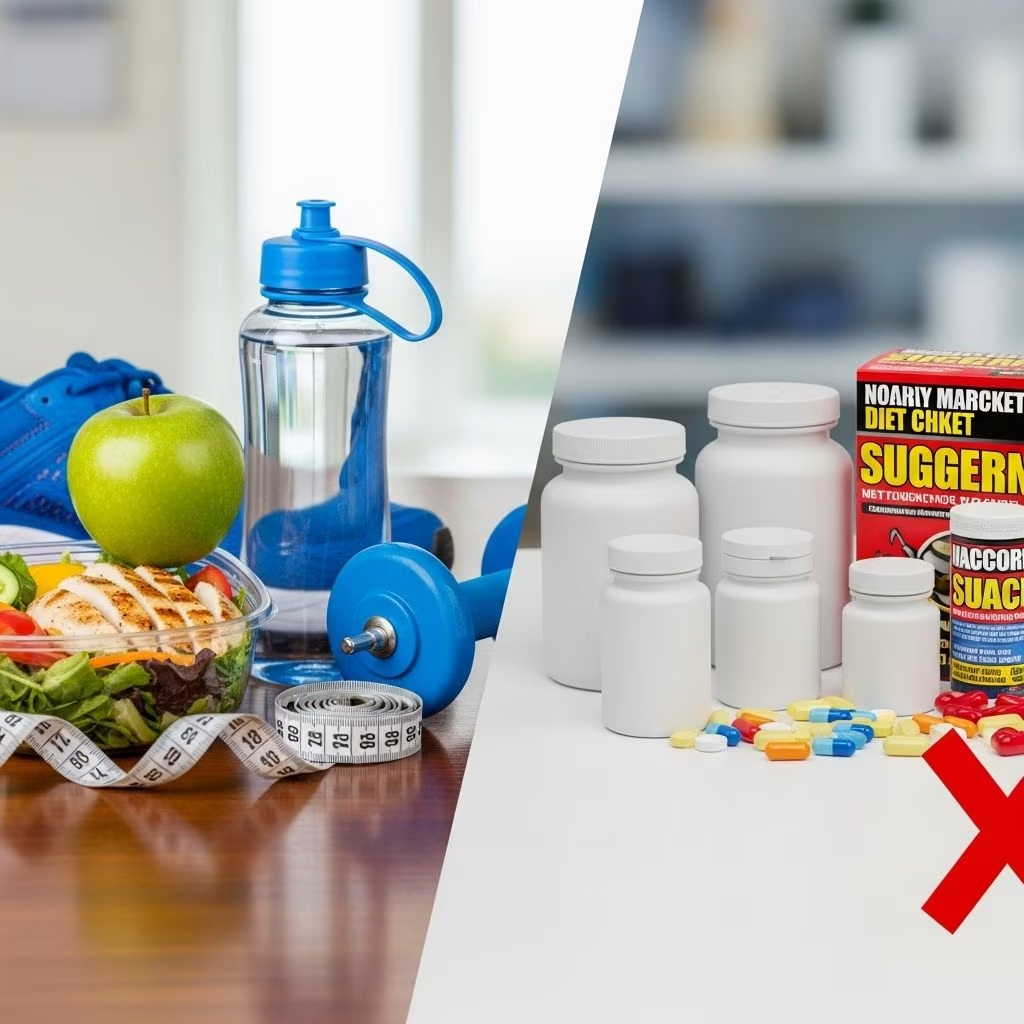
The Truth About Weight Loss Diet Pills: What Works and What to Avoid
Millions are enticed by the promises of quick weight loss that bottle after bottle of diet pills offer. With countless products lining the shelves and bold claims dominating ad spaces, it’s no surprise that many turn to these pills hoping for a shortcut to a slimmer self. But are diet pills truly effective, or are they more risk than remedy? Understanding what’s behind these pills—and what science and experts truly say—can help you make safer, smarter choices for your health and weight loss goals.
Why Are Diet Pills So Popular?
The allure of weight loss supplements isn’t new. In the United States alone, consumers spend over $2 billion annually on over-the-counter (OTC) products that promise rapid results. The reasons for their popularity are many:
- The desire for a fast and easy solution to weight challenges
- Heavy marketing and testimonials that exploit common frustrations with traditional diet and exercise routines
- Accessibility of these supplements online and in stores without a prescription
- Social pressure and unrealistic beauty standards
But before purchasing any supplement labeled as a “fat burner” or “metabolism booster,” it’s crucial to understand their reality versus their reputation.
Understanding Diet Pills: What Are They?
“Diet pills” is a catch-all term, but not all products are created equal. They generally fall into two main categories:
- Over-the-counter (OTC) supplements: Sold without a prescription, these usually contain blends of herbs, stimulants, fiber, or minerals. Brands often tout them as natural or “herbal.”
- Prescription weight loss medications: Approved by the U.S. Food & Drug Administration (FDA), these drugs are prescribed and monitored by a healthcare professional and are meant for specific patient populations.
Table: Over-the-Counter vs Prescription Diet Pills
| Type | Access | FDA Approval | Typical Mechanism | Intended Use |
|---|---|---|---|---|
| OTC Supplements | Available without prescription | No (not regulated for safety/efficacy) | Often claim to block fat, reduce appetite, increase metabolism | General public |
| Prescription Medications | Requires doctor’s approval | Yes (rigorously tested & approved for specific patients) | Targets appetite, absorption, or hormones | People with obesity or specific medical conditions |
The Science (and Myths) Behind Diet Pills
Do Over-the-Counter Diet Pills Work?
The truth is that most OTC weight loss supplements lack solid evidence to back their claims. Clinical reviews find little proof that these products deliver meaningful, lasting fat loss for most people. Common reasons include:
- Few large-scale, long-term studies on real-world users
- Trials that do exist often use only one or two ingredients and may lack proper controls
- Research may be biased, funded by supplement makers, or not replicated
- Any small observed weight loss could be due to lifestyle changes, not the supplement
According to the U.S. American Medical Association, “clinical studies for weight loss supplements typically include only 1 or 2 ingredients in a trial, lack a control group, are not double-blinded, and require lifestyle changes.”
Popular Ingredients: Hype vs Reality
Most top-selling supplements contain ingredients like caffeine, green tea extract, garcinia cambogia, glucomannan, or raspberry ketones. Claims include:
- “Burning fat faster”
- “Blocking fat absorption”
- “Controlling appetite”
The reality: While some ingredients may offer a very modest boost to weight loss, the effects are small and rarely sustained without healthy eating and physical activity. For example, caffeine can slightly raise metabolic rate—but relying on it can lead to jitteriness, heart palpitations, and other side effects.
Why Are These Supplements Still Sold?
Thanks to a legal loophole, supplements don’t require FDA approval before hitting the market. As a result:
- The FDA does not review or approve OTC weight loss supplements for safety or efficacy before they’re sold.
- Manufacturers are responsible for ensuring safety and accurate labeling—but there’s no required pre-market proof of claims.
- Products are only removed if proven unsafe after reports of harm, leading to a “buyer beware” environment.
Potential Dangers of Unregulated Diet Pills
The risks associated with unapproved OTC diet supplements can be significant. Harms documented by health authorities and researchers include:
- Liver damage, including hepatitis and even liver failure
- Heart problems such as rapid heart rate, high blood pressure, or palpitations
- Nausea, vomiting, diarrhea, mood swings, and sleep disturbances
- Seizures and kidney issues in rare but severe cases
- Contamination with unlisted, banned, or prescription-only drugs (such as sibutramine or fenfluramine)
In one high-profile case, the FDA banned Pai You Gou, a supplement found to contain undisclosed pharmaceutical compounds with serious risks, but users continued to purchase it months after its recall.
Special Warning: Children and Teens
Teens and adolescents sometimes turn to diet pills, yet major medical authorities strongly oppose such use due to heightened risks. Studies show a nontrivial percentage of teens use supplements for weight loss, despite dangers. The American Academy of Pediatrics and public health researchers urge parents and caregivers to be vigilant and counsel children appropriately.
Prescription Weight Loss Medications: Are They Safer and More Effective?
Unlike supplements, prescription weight loss drugs undergo rigorous FDA testing for safety and effectiveness. But even these are not for everyone and are typically prescribed under specific conditions:
- Generally prescribed only for adults with a BMI over 30, or over 27 with obesity-related health conditions (like diabetes or hypertension)
- Regular monitoring is necessary to track effectiveness and side effects
- They are intended to supplement—not replace—healthy lifestyle habits
- Current FDA-approved medications include: orlistat, phentermine-topiramate (Qsymia), bupropion-naltrexone (Contrave), liraglutide (Saxenda), semaglutide (Wegovy), and tirzepatide (Zepbound)
How Much Weight Can Be Lost With Prescription Medications?
Recent medical trials show significant differences between medications:
| Medication | Average Weight Loss |
|---|---|
| Tirzepatide (Zepbound) | Up to 22.5% at 72 weeks |
| Semaglutide (Wegovy) | Up to 14.9% at 68 weeks |
| Liraglutide (Saxenda) | Approx. 8% |
| Phentermine-Topiramate (Qsymia) | 7–11%, depending on dose |
| Naltrexone-Bupropion (Contrave) | 5–9% |
The amount of weight loss varies based on the drug, individual health factors, and consistency with lifestyle changes. Importantly, these medications are most impactful when combined with doctor-supervised dietary and behavioral interventions.
Are Weight Loss Pills a Long-Term Solution?
Doctors stress that these medicines are meant for chronic, not short-term use. If discontinued, users usually regain weight lost, often within a few months. As with any therapy, a provider should review the full risk-benefit profile for each patient.
What About Compounded Medications?
Some pharmacies offer compounded weight loss medications—custom-made for patients who cannot take FDA-approved versions due to allergies or other health reasons. However, compounded medications are not FDA-approved, and little rigorous data exists regarding their safety or effectiveness. Use them only under the supervision of a medical professional when no standard option is suitable.
Safe and Sustainable Alternatives to Diet Pills
Medical experts across the field agree: lasting weight loss relies on healthy habits, not miracle pills. Evidence-backed approaches include:
- Balanced nutrition: Focus on plenty of fiber, lean proteins, whole grains, and healthy fats while limiting sugars and processed foods
- Regular physical activity: Aim for at least 150 minutes of moderate activity per week. Include resistance training for added benefit
- Behavioral modification and support: Evidence-based counseling, group programs, or medically supervised plans
- Improved sleep and stress management: Both poor sleep and chronic stress can increase hunger and reduce motivation
- Setting realistic goals: Gradual, sustainable weight loss is more likely to stay off. Even modest losses can improve health significantly
Role of Healthcare Professionals
If you’re struggling with weight, the safest path is to consult a qualified medical provider. Clinicians can:
- Assess your overall health and risks
- Recommend individualized and evidence-based interventions
- Prescribe medications when appropriate, after review of pros and cons
- Monitor your progress and adjust your plan as needed
Red Flags: Spotting Unsafe Products
- Promises of instant or drastic results (e.g., “Lose 10 pounds in a week!”)
- Lack of disclosed ingredients or scientific backing
- “Secret” formulas that claim to mimic prescription drug effects
- Any product promoted as a cure for obesity
- Supplements targeting teens or children
- “Natural” labels—natural does not always mean safe
Always read labels and consult with a trusted healthcare provider before trying any supplement, especially if you have underlying health conditions or take medications.
Frequently Asked Questions
Q: Are over-the-counter diet supplements effective for weight loss?
A: Most OTC supplements lack convincing evidence of sustainable weight loss. Any minor effects are rarely maintained without healthy lifestyle changes, and some products may be ineffective or unsafe.
Q: Can prescription diet pills lead to permanent weight loss?
A: Prescription medications may result in substantial weight loss when combined with lifestyle changes. However, stopping the medication often leads to weight regain. Long-term changes in diet and activity remain essential.
Q: What are the risks of buying unregulated “fat-burner” supplements online?
A: These products may contain undisclosed ingredients, banned drugs, or harmful contaminants, increasing the risk of severe side effects including liver or heart damage.
Q: Is it ever safe to use diet pills for teens or adolescents?
A: Major medical organizations strongly advise against the use of diet supplements for children or teens due to higher risks and lack of proven benefit.
Q: What should I do if I want to lose weight safely?
A: Start with a visit to your healthcare provider, focus on healthy eating and regular exercise, and be wary of products promising rapid, easy results. Consider prescription options only if indicated for your health profile and under medical supervision.
Key Takeaways
- Most diet pills do not live up to their claims of easy, lasting weight loss.
- OTC supplements are unregulated, often ineffective, and potentially dangerous.
- Prescription medications may help—but require medical oversight and are best paired with lifestyle changes.
- Sustainable weight loss is best achieved through healthy behaviors, medical support, and realistic expectations.
References
- https://hsph.harvard.edu/research/eating-disorders-striped/striped-advocacy-playbook/striped-advocacy-campaigns/ban-diet-pills-muscle-supplements-children/science-summary-supplement-harms/
- https://journalofethics.ama-assn.org/article/should-clinicians-ever-recommend-supplements-patients-trying-lose-weight/2022-05
- https://www.brownhealth.org/be-well/facts-and-fictions-about-weight-loss-medications
- https://obesitymedicine.org/blog/weight-loss-medications/
- https://www.mayoclinic.org/healthy-lifestyle/weight-loss/in-depth/weight-loss-drugs/art-20044832
- https://health.ucdavis.edu/blog/cultivating-health/can-weight-loss-medications-help-you-lose-weight/2024/08
- https://magazine.ucsf.edu/weight-loss-drugs-too-good-to-be-true
- https://ods.od.nih.gov/factsheets/WeightLoss-HealthProfessional/
- https://my.clevelandclinic.org/health/treatments/9463-appetite-suppressants
- https://kpwashingtonresearch.org/index.php/news-and-events/blog/2019/mar-2019/Using_phentermine_for_weight_loss_more_than_3_months_seems_safe_and_effective


