


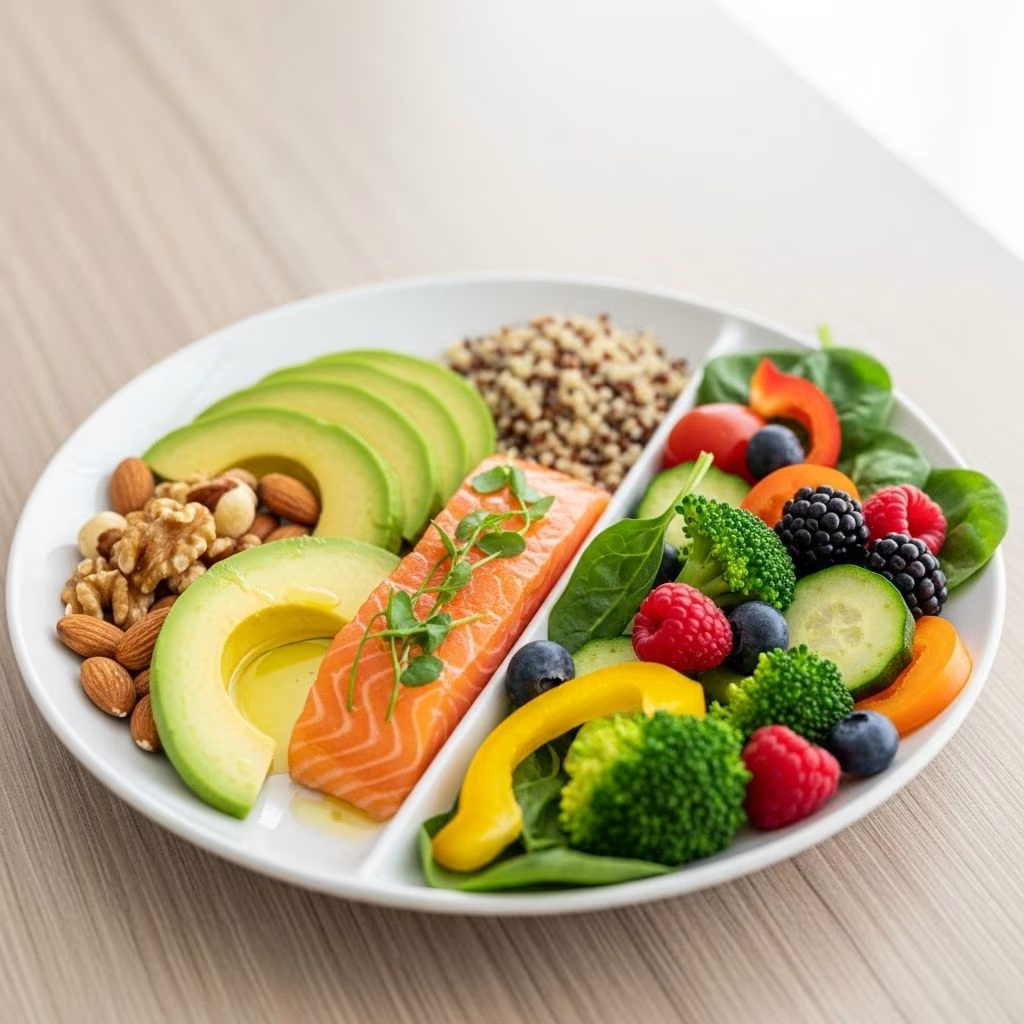
How Fat and Fiber Impact Weight Loss
Often overlooked yet fundamental, dietary fat and fiber intake play pivotal roles in effective weight management. Groundbreaking research from institutions like Tufts University demonstrates that understanding these two nutritional factors not only helps you shed pounds but also supports long-term health goals and energy levels. This guide unpacks the science, provides practical tips, and reveals how simple dietary shifts can make a big difference in your weight and well-being.
Why Fat and Fiber Matter for Weight Loss
When examining labels or planning meals, the two numbers to watch are:
- Percentage of calories from fat
- Grams of fiber
In a major study of 824 women, results showed that those who ate less than 13 grams of fiber per day and derived more than 35% of calories from fat were up to 13 times more likely to be overweight or obese compared to those with higher fiber and lower fat intake. Simply put, what you eat—and in what proportions—directly impacts your risk for weight gain.
The Science: How Fat and Fiber Affect Your Body
The Role of Fat
Dietary fats are an essential nutrient, serving as an energy source and supporting cell function and hormone production. However, excess fat—especially saturated and trans fats—leads to higher caloric intake, increased fat storage, and a heightened risk of obesity. Foods rich in fat are also often calorie-dense while supplying less satiety per calorie. This makes overconsumption easier, pushing daily calorie consumption above healthy levels without providing a lasting feeling of fullness.
The Power of Fiber
Unlike fat, dietary fiber is a form of carbohydrate that the body cannot fully digest. It’s primarily found in fruits, vegetables, whole grains, beans, and nuts. Fiber works by:
- Promoting satiety: Fiber absorbs water, increasing food volume, thus helping you feel fuller longer.
- Slowing digestion: Fiber slows the absorption of calories and sugars, keeping blood sugar levels stable.
- Reducing calorie intake: Because fiber-rich foods take longer to eat and digest, they reduce snacking and portion sizes.
Recommended Fiber and Fat Intake for Weight Loss
| Group | Recommended Daily Fiber | Maximum % Calories from Fat |
|---|---|---|
| Women | 22-28 grams | Below 30-35% |
| Men | 28-38 grams | Below 30-35% |
Despite these recommendations, less than 10% of women in recent studies actually meet the 22-28g/day fiber guideline. This shortfall is a significant obstacle to successful, sustainable weight management.
How Fiber Supports Weight Loss: Key Findings
Long-term, fiber-intake-focused eating plans show robust results for both initial weight loss and weight maintenance. Core findings include:
- Direct relationship with weight loss: People who increase their daily intake of high-fiber foods—especially vegetables and fruits—consistently lose more weight and keep it off compared to those eating the same number of calories but less fiber.
- Better health markers: Higher fiber intake correlates with improved cholesterol, blood sugar control, and reduced risk for chronic disease.
- Increased self-efficacy: Those who succeed in boosting fiber intake report greater confidence in making healthy choices.
What Types of Fiber Help Most?
- Soluble fiber: Forms a gel in the digestive tract, slowing glucose absorption and cholesterol uptake. Found in oats, beans, apples, peas, and carrots.
- Insoluble fiber: Adds bulk to stool, promoting regularity and digestive health. Found in whole grains, nuts, cauliflower, and wheat bran.
Both types are beneficial, but focusing on a variety of sources maximizes results.
Fat Intake and Weight Loss: Finding the Balance
While fat is not categorically harmful, moderation is critical:
- High intake of fatty foods (particularly processed and fried) boosts calorie count quickly, outpacing energy needs.
- Foods with more than 35% of calories from fat are tied to higher rates of overweight and obesity.
- Replacing some fats with fiber-rich alternatives (like beans or whole grains) lowers overall calorie density.
Best Fiber Sources to Add to Your Diet
- Fruits: Apples, pears, berries, oranges, bananas
- Vegetables: Broccoli, carrots, spinach, peas, brussels sprouts
- Legumes: Lentils, chickpeas, black beans, kidney beans
- Whole grains: Oats, barley, quinoa, brown rice, whole wheat bread
- Nuts and seeds: Almonds, pistachios, chia seeds, flaxseeds, sunflower seeds
Practical Weight Loss Tips: Using Fat and Fiber to Your Advantage
- Check Nutrition Labels: Aim for foods with higher fiber per serving and lower fat content (particularly saturated fat).
- Gradually Increase Fiber: Add fiber-rich foods slowly to avoid bloating and give your digestive system time to adjust.
- Pair with Water: Fiber needs adequate hydration to support digestion and prevent constipation.
- Swap Snacks: Choose whole fruit or a handful of nuts instead of chips or pastries.
- Incorporate Fiber in Every Meal: Include at least one fiber-rich component at breakfast, lunch, and dinner for maximum satiety.
- Limit Highly Processed Fats: Minimize fried foods, butter-heavy recipes, cream-filled desserts, and opt for heart-healthy unsaturated fats in moderation.
Potential Downsides of High Fiber Diets
- Digestive discomfort: Rapid increases in fiber can cause gas, bloating, or discomfort; introduce new foods gradually.
- Nutrient absorption: Extremely high fiber intake (above 50g/day) may interfere with mineral absorption, such as calcium and iron.
- Individual response: Some people may be more sensitive to certain fibers; a variety ensures balanced tolerance.
Common Fiber and Fat Myths—Debunked
- Myth: All fats are unhealthy.
Fact: Unsaturated fats (olive oil, avocados, fish) are protective in moderate amounts. It’s excess and the type of fat that matters most. - Myth: Fiber alone guarantees weight loss.
Fact: Fiber assists weight loss when used as part of a whole-foods-based, calorie-conscious plan. - Myth: More fiber is always better.
Fact: There is a healthy range; excessive fiber can cause discomfort and is not necessary for additional weight loss.
FAQ: Fat, Fiber, and Weight Loss
Q: How quickly will I lose weight if I increase my fiber intake?
A: Most people notice changes within several weeks, especially when increased fiber is combined with other healthy eating habits and calorie control. Consistency is key.
Q: What’s the easiest way to boost fiber at breakfast?
A: Switch to oat-based cereals, whole grain toast, or add berries to yogurt. Even a handful of nuts in the morning is a good boost.
Q: Should I cut fat entirely if I want to lose weight?
A: No, fat is essential for health, but the type and amount matter most. Emphasize plant-based unsaturated fats and minimize saturated and trans fats for better results.
Q: Can too much fiber be dangerous?
A: Extremely high fiber (over 50g per day for adults) may interfere with mineral absorption and cause gut discomfort. Stay within recommended ranges and increase gradually.
Q: Are fiber supplements as good as natural sources?
A: Whole foods provide additional nutrients and benefits not found in isolated supplements. Use supplements only if recommended by a healthcare professional.
Long-Term Success: Putting It All Together
The combination of lower-fat choices and increased fiber intake is proven to lower the risk of obesity and support sustainable weight loss. Real-life results show the importance of making gradual, enjoyable improvements rather than extreme diet overhauls. Instead of extensive calorie counting or restrictive plans, focus on:
- Building each meal around vegetables, whole grains, fruits, and lean proteins
- Swapping out high-fat processed foods for fiber-rich alternatives
- Listening to hunger and fullness cues
- Keeping an eye on serving sizes and food quality
- Setting realistic, incremental goals
Quick Reference Table: Fat, Fiber, and Food Choices
| Food | Fiber (g/serving) | Fat (% calories) |
|---|---|---|
| Oatmeal (1 cup cooked) | 4 | <15% |
| Apple (medium) | 4 | <5% |
| Whole wheat bread (2 slices) | 4 | ~10% |
| Black beans (1/2 cup) | 7 | <10% |
| Potato chips (1 oz) | 1 | >55% |
| Almonds (1 oz) | 3.5 | >70% |
Frequently Asked Questions (FAQs)
Q: Can increasing fiber help with belly fat?
A: Yes, studies show that diets high in soluble fiber (like oats, beans, lentils, apples) are linked to less visceral fat, the type stored around abdominal organs.
Q: What if I do not like high-fiber foods?
A: Try different preparation methods—roasting veggies, blending fruits into smoothies, or baking with whole grains—to make them more appealing. Gradual changes help your taste adjust.
Q: How does fiber affect hormones related to hunger?
A: Fiber helps slow the release of the hunger hormone ghrelin, keeping you satisfied for longer between meals.
Q: Should I count every gram of fiber?
A: Focusing on regularly including a wide range of plant-based foods is generally more effective than obsessing over exact grams.
Takeaway: Small Steps, Big Change
The balance between dietary fat and fiber intake can dramatically influence your weight loss journey. While the science underscores the value of a high-fiber, lower-fat diet, success comes from consistent, practical choices—not perfection or deprivation. Set realistic goals, make gradual improvements, and remind yourself that every healthy choice brings you closer to sustainable weight management and overall wellness.
References
- https://www.prevention.com/weight-loss/a20428279/weight-loss-fat-and-fiber/
- https://pmc.ncbi.nlm.nih.gov/articles/PMC10150096/
- https://www.prevention.com/weight-loss/a33382312/fiber-for-weight-loss/
- https://www.prevention.com/weight-loss/a20450432/weight-loss-and-dietary-fiber/
- https://www.prevention.com/weight-loss/
- https://www.prevention.com/weight-loss/g24805401/fat-burning-foods/
- https://www.prevention.com/weight-loss/diets/a60578947/how-to-lose-weight-fast-safely/
- https://www.prevention.com/weight-loss/a43905863/lose-weight-safely/
- https://www.prevention.com/weight-loss/a30188568/lose-weight-without-exercise-0/
- https://www.prevention.com/weight-loss/g20494908/how-to-start-losing-weight/


