


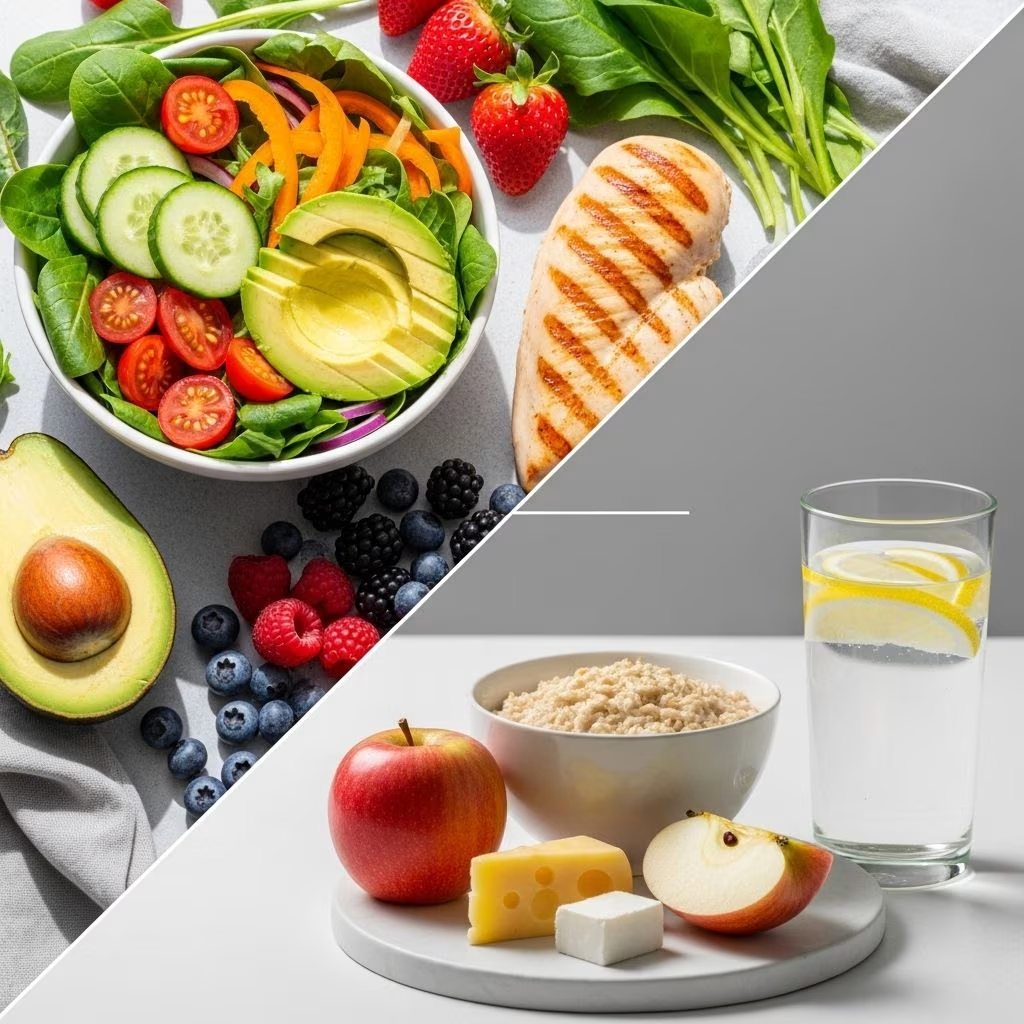
Should You Eat Healthy Foods or Low-Calorie Foods for Weight Loss?
Is it more effective to eat healthy foods or focus on low-calorie options when trying to lose weight? This is a frequent question among those looking to shed pounds. While calorie control is essential for weight loss, overall food quality greatly impacts your ability to lose weight, your health, and how satisfied you feel during your journey.
The Relationship Between Calories, Health, and Weight Loss
At the heart of weight loss is the concept of caloric deficit: you must consume fewer calories than you burn. However, not all calorie sources equally affect your nutrition, hunger, or health. The ‘quality vs. quantity’ debate examines whether you should prioritize calorie content or nutritional value of foods for best results.
Key points:
- Eating low-calorie foods can create a calorie deficit but may lead to hunger, cravings, and inadequate nutrition if not planned well.
- Eating nutritious, whole foods supports satiety, health, and can naturally help control calories due to lower energy density.
- Combining both approaches—choosing nutritious, low-calorie-dense foods—is the most effective and sustainable strategy.
Energy Density: The Science Behind Feeling Full on Fewer Calories
Energy density refers to the number of calories (energy) in a specific amount of food. Choosing foods with low energy density means you can eat a larger volume of food, feel satisfied, and still consume fewer calories. This principle forms the foundation of many successful, evidence-based weight loss plans.
For example, compare:
- 1 cup of raisins: ~480 calories (high energy density)
- 1 cup of grapes: ~104 calories (low energy density)
You’d have to eat nearly five cups of grapes to match the calorie content of one cup of raisins, meaning you’ll feel fuller with fewer calories by choosing the lower energy-dense option.
Benefits of Low-Energy-Dense Foods
- Help you eat a larger volume with fewer calories
- Promote satiety and decrease the likelihood of overeating
- Are typically rich in vitamins, minerals, water, and fiber
- Include most fruits, vegetables, legumes, and whole grains
What Makes Foods “Healthy”?
Healthy foods are those that provide essential nutrients—such as vitamins, minerals, fiber, lean protein, and healthy fats—while limiting processed ingredients, added sugars, unhealthy fats, and sodium. Examples include:
- Fresh fruits and vegetables
- Whole grains (brown rice, quinoa, oats)
- Lean proteins (beans, lentils, fish, poultry)
- Low-fat or non-fat dairy
- Nuts and seeds (in moderation)
Not all healthy foods are low in calories, but they generally offer high nutritional value for every calorie consumed.
Most Low-Calorie Foods Aren’t Created Equal
It’s possible to eat foods that are low in calories but offer little to no nutritional value—so-called “empty calories”, such as diet sodas, sugar-free candies, or rice cakes. While these might not derail your calorie budget, they don’t supply the nutrients your body needs and often fail to keep you full, leading to increased cravings or overeating later on.
Common Low-Calorie Foods: Pros and Cons
| Food Type | Sample Foods | Main Benefits | Drawbacks |
|---|---|---|---|
| Non-starchy vegetables | Broccoli, spinach, zucchini, celery | Low-calorie, high fiber, high nutrients, filling | None when combined in a balanced diet |
| Diet products | Sugar-free drinks, low-calorie snacks | Low calorie, may satisfy cravings | Often ultra-processed, no vitamins or minerals, minimal satiety |
| Fresh fruit | Berries, apples, oranges | Low to moderate calories, high vitamins, fiber | May be higher in sugars than vegetables (but natural and nutrient-rich) |
| Whole grains | Brown rice, oats, wheat bread | More filling than refined grains, moderate calorie | Calorie-dense if overeaten; portion size matters |
Healthy vs. Low-Calorie Foods: The Key Differences
The choice between “healthy foods” and “low-calorie foods” is often a false dichotomy. The ideal foods for weight loss are both healthy and low in energy density. Here’s how they compare:
| Criteria | Healthy Foods | Low-Calorie Foods |
|---|---|---|
| Main Aim | Nutrient-dense, whole | Lower calorie content |
| Common Examples | Vegetables, fruits, whole grains, lean meats | Diet snacks, raw vegetables, some fruits |
| Satiety | High (fiber, protein, water) | Varies (often high water/fiber, can also be minimal) |
| Long-term Health Impact | Supports heart health, metabolism, energy | Depends on food choice; ultra-processed foods offer minimal benefit |
Practical Strategies: How to Eat for Weight Loss and Health
Adopting an effective, sustainable eating pattern for weight loss means choosing foods that are both nutritious and help keep calories under control. Here are evidence-backed strategies:
1. Fill Your Plate with High-Volume, Low-Energy-Dense Foods
- Start every meal with a large serving of vegetables or salad
- Include a portion of lean protein (grilled fish, chicken breast, tofu, beans)
- Choose whole, fresh fruits over fruit juices or dried fruits to maximize satiety
2. Opt for Whole Grains over Refined Carbohydrates
- Choose brown rice, whole-wheat pasta, oats instead of white bread, pasta, or sugary cereals
- Whole grains provide more fiber and nutrients, supporting better blood sugar control and lasting fullness
3. Prioritize Lean Protein
- Fish, legumes, skinless poultry, and low-fat dairy are excellent sources
- Protein helps preserve muscle during weight loss and increases satiety
4. Use Healthy Fats in Moderation
- Include small amounts of olive oil, nuts, seeds, and avocado
- Fats increase flavor and nutrient absorption, but watch portions due to high calorie content
5. Modify Recipes for Fewer Calories and Better Nutrition
Swap out high-calorie ingredients for lighter, more nutritious options, as illustrated below:
| Traditional Ingredient | Healthier Substitute | Benefit |
|---|---|---|
| Whole milk | Non-fat or low-fat milk | Less fat and calories, similar volume and nutrition |
| Butter | Soft margarine (no trans fat) or olive oil | Less saturated fat, more heart-healthy fats |
| Full-fat cheese | Light or reduced-fat cheese, low-fat Greek yogurt | Lower calories, high protein |
| White pasta/rice | Whole-wheat pasta, brown rice, or riced cauliflower | More fiber, vitamins, fewer calories (especially with veggies) |
How Food Processing Affects Calorie Content and Health
About 70% of the food many people consume is ultra-processed, characterized by added sugars, salt, unhealthy fats, and artificial additives. These foods are calorie-dense and often designed to be hyper-palatable, making you crave more while offering little nutritional value. In contrast, whole foods—fresh fruits and vegetables, legumes, whole grains, lean protein—are naturally nutrient-rich and generally contain fewer calories for their size.
- Ultra-processed foods: cakes, chips, sodas, candy, prepackaged snacks
- Whole foods: apples, carrots, brown rice, grilled chicken, beans
Limit processed food intake for sustained weight management, improved satiety, and overall better health.
Common Myths About Healthy and Low-Calorie Eating
- Myth 1: You have to eat bland or tiny portions to lose weight.
Fact: Eating larger portions of low-calorie, high-nutrient foods keeps you full and supports weight loss. - Myth 2: Healthy foods are always expensive.
Fact: Staples like beans, oats, fresh or frozen vegetables, and brown rice are inexpensive and nutritious. - Myth 3: All low-calorie foods are healthy.
Fact: Many low-calorie foods are nutrient-poor and processed; focus on quality, not just calories.
Frequently Asked Questions (FAQs)
Q: Can you eat too much healthy food and gain weight?
A: Yes. While healthy foods are the cornerstone of good nutrition, weight loss fundamentally relies on eating fewer calories than you burn. Large amounts of calorie-dense healthy foods (like nuts, avocados, or oils) can still lead to overeating if portions aren’t monitored.
Q: Will sticking only to low-calorie foods sabotage my metabolism?
A: Not necessarily, but eating too few calories long-term can slow your metabolic rate, cause muscle loss, and leave you lacking vital nutrients. It’s best to combine low-calorie eating with nutrient-rich foods to fuel your body and preserve muscle mass during weight loss.
Q: How can I stay satisfied while reducing calories?
A: Focus on high-volume, fiber-filled foods (vegetables, fruits, legumes) and prioritize protein with each meal. These promote satiety, stabilize blood sugar, and prevent cravings.
Q: Do all processed foods cause weight gain?
A: No. Some minimally processed foods—like frozen vegetables, canned beans, or whole grain bread—are healthy, convenient, and promote weight loss. The issue is with ultra-processed foods high in sugar, saturated fat, and salt.
Q: What is the best approach: healthy foods, low-calorie foods, or both?
A: Both. Prioritize low-energy-dense foods that are also nutrient-dense. This way, you get the benefits of calorie control without sacrificing nutrition or satisfaction.
Tips for Long-Term Weight Loss Success
- Eat a variety of whole, minimally processed foods
- Choose foods low in energy density—lots of veggies, some fruit, lean protein, whole grains
- Watch your portions, especially with calorie-dense items like nuts, seeds, oils, and cheese
- Prepare meals at home more often to control what’s in your food
- Develop mindful eating habits: listen to hunger, eat slowly, avoid distractions
Conclusion: Healthy Eating for Sustainable Weight Loss
The most effective weight loss approach combines the calorie-control of low-calorie foods with the nourishment and satisfaction of healthy, whole foods. By understanding and applying the principle of energy density, prioritizing food quality, and making manageable changes to your meals, you can lose weight, feel full, and improve your overall health for life.
References
- https://www.mayoclinic.org/healthy-lifestyle/weight-loss/in-depth/weight-loss/art-20044318
- https://www.cdc.gov/healthy-weight-growth/healthy-eating/cutting-calories.html
- https://www.healthline.com/nutrition/9-weight-loss-diets-reviewed
- https://www.swhpalmdaleregional.com/about/blog/4-foods-may-help-you-lose-weight
- https://pmc.ncbi.nlm.nih.gov/articles/PMC8017325/
- https://www.health.harvard.edu/staying-healthy/stop-counting-calories
- https://www.nhs.uk/better-health/lose-weight/healthy-eating-when-trying-to-lose-weight/
- https://www.scripps.org/news_items/4599-are-these-5-diet-foods-ruining-your-weight-loss-goals


