


How to Watch Calories When Eating Away from Home
Dining out can be one of life’s great pleasures—but if you’re trying to manage your weight, it also presents a unique set of challenges. From oversized portions to hidden ingredients, it can feel impossible to stick to your health goals when you’re not in your own kitchen. This comprehensive guide offers expert-backed, practical solutions to help you curb calories, stay satisfied, and make smart choices wherever you eat.
Understanding the Calorie Dilemma of Dining Out
Eating out is more common than ever, but restaurant meals are often loaded with hidden calories from oversized portions, added fats, and sugar-rich sauces. Studies show that average restaurant meals can contain well over 1,000 calories—half of many people’s daily allowance in a single sitting. Even healthy-sounding options may surprise you if you don’t pay close attention.
Fortunately, with some strategies and a little mindfulness, you can enjoy eating away from home without derailing your goals.
Plan Ahead: Your First Line of Defense
- Check menus in advance: Most restaurants provide menus online. Look for grilled, baked, or steamed items and note portion sizes.
- Don’t arrive starving: Have a small, healthy snack like fruit, raw veggies, or a handful of nuts before you go out. This curbs intense hunger that may lead to overeating.
- Set an intention: Decide in advance what and how much you want to eat. Are you splitting an entrée, skipping dessert, or just having a main dish? Setting limits before you’re tempted helps you stick to healthier choices.
Master the Art of Ordering
Restaurant menus use language to entice diners and upsell higher-calorie dishes. Here’s how to order smarter:
- Scan for code words: Watch for “crispy,” “smothered,” “creamy,” or “loaded”—all hint at extra fat and calories. Instead, opt for items described as “grilled,” “roasted,” “baked,” “broiled,” “sautéed lightly,” or “steamed.”
- Customize your meal: Don’t hesitate to make special requests—a steamed vegetable side instead of fries, sauce on the side, or less cheese on your salad.
- Be portion-wise: Many restaurant entrées are two or three times a standard portion. Request a half-portion, split plates with a dining companion, or ask for a to-go box when your meal arrives and pack up half immediately.
- Soup or salad first: Start with a broth-based soup or a salad with vinaigrette on the side. You’ll feel fuller, faster, and may eat fewer calories overall.
- Skip the breadbasket: Politely decline or ask that appetizers like bread or chips be removed after you’ve sampled a bit—or skip them altogether for a calorie save.
Beware of Hidden Calories
Many seemingly healthy options can contain surprise calories:
- Dressings and sauces: Ask for these on the side so you control how much you use.
- Beverages: Just one regular soda or sweet tea can tack on over 150 calories. Choose water, unsweetened iced tea, or sparkling water with lemon or lime instead.
- Add-ons: Croutons, bacon bits, candied nuts, and extra cheese can transform a light salad into a calorie bomb. Request toppings sparingly or skip them.
Smart Swaps and Sensible Sides
- Switch fries for veggies: Swap standard sides like fries, chips, or creamy slaw for a side salad, steamed vegetables, or fruit.
- Order an appetizer as an entrée: Many appetizers feature protein and veggies and are close to the correct portion size.
- Customize grains: Substitute brown rice or quinoa for white rice or opt for whole-wheat bread over white.
- Watch creamy soups: Choose broth-based soups over creamy ones to trim hundreds of calories.
- Be careful with cheese and spreads: Ask for less cheese on pizza, lighter spreads on sandwiches, or skip buttering your bread.
Drinks: The Overlooked Calorie Trap
- Avoid sugary drinks: Regular sodas, lemonade, and sweetened teas are high in fast-absorbing sugars and add little satiety.
- Monitor alcoholic beverages: A single glass of wine or beer adds 100–200 calories. Cocktails with mixers (like margaritas or piña coladas) can be even higher.
- Alternate alcohol with water: Drink a glass of water or sparkling water between each alcoholic drink to slow your intake.
- DIY fizzy drinks: Use a home soda maker, add a splash of citrus, and skip added sugars for a low-calorie refreshment.
Portion Control: Outsmart the Supersize
| Food Item | Standard Portion | Visual Cue |
|---|---|---|
| Pasta (cooked) | 1/2 cup | Half a baseball |
| Meat/Fish | 3 oz | Deck of cards or checkbook |
| Cheese | 1 oz | Four dice |
| Waffle | 1 average piece | CD |
| Salad Dressing | 2 tbsp | Ping pong ball |
Visualizing standard portion sizes can help you avoid unintentionally doubling or tripling your calorie intake.
How to Handle Buffets and Social Eating
- Survey before serving: Walk the entire buffet before filling your plate, then start with produce and lean protein.
- Use a smaller plate: Studies show this helps you serve—and eat—less.
- Pause before seconds: Wait at least 10–15 minutes after your first plate to see if you’re really still hungry. Often, the feeling passes.
- Keep moving: If a party is centered around food, focus on participating in conversation, dancing, or games, not hovering by the appetizer table.
Travel and Fast Food: Make Better Choices on the Go
- Choose better chains: Select restaurants that offer nutrition information and healthier options like salads, grilled proteins, and fruit sides.
- Limit add-ons: Skip extra bacon, cheese, or “special sauce.”
- Order simple sandwiches: Ask for whole-wheat bread, hold the mayo, and load up on veggies like lettuce, tomato, and onion.
- Fast food upgrades: Choose grilled chicken over fried, salads with vinaigrette instead of creamy dressings, and water or unsweetened tea in place of soda.
- Pack healthy snacks: Bring fruit, yogurt, nut butter packets, or snack bars so you’re not forced to make a hasty, less-healthy choice.
Support Yourself: Calorie Tracking and Accountability
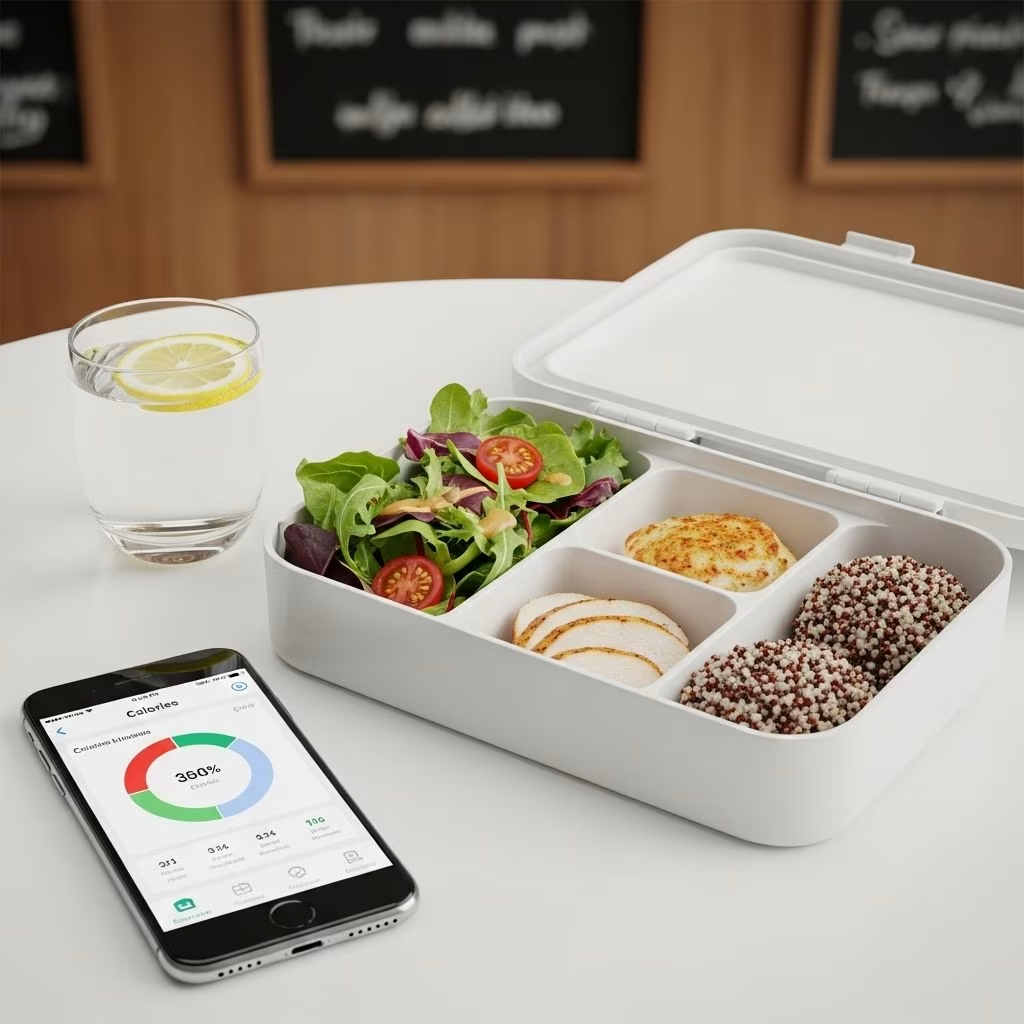
- Track your intake: Keeping a food diary—written or using a smartphone app—can double your weight loss by increasing awareness and helping you spot high-calorie habits.
- Set non-scale goals: Aim to exercise most days, add more produce to meals, or practice mindful eating. Achieving these supports your weight management without focusing on the number on the scale alone.
- Buddy up: Share your goals with a friend, join an online community, or find a weight loss buddy to motivate you and keep you accountable.
Real-Life Success Stories
Lupe Reyther, Denver, CO
“I used to eat lots of fast food and didn’t realize the impact on my health until my daughter asked me to go hiking and I couldn’t keep up. Switching to portion control and healthier restaurant choices helped me lose 42 pounds and reclaim my life.”
Nancy Rabinowitz, Burlington, VT
“My weight crept up slowly over the years. Eating out and big portions were part of the problem. Once I became aware of my true calorie needs, stayed active, and kept an honest food journal, I shed 42 pounds and found more energy than I’d had in years.”
Frequently Asked Questions (FAQs)
Q: How do I estimate calories when there’s no nutrition info?
A: Pay close attention to the preparation (grilled/broiled is best), ask about ingredients, and compare portions to handy objects (deck of cards for meat, ping pong ball for dressing). Err on the side of caution—if something seems extra saucy or fried, estimate higher.
Q: Does eating out always have to mean overeating?
A: Not at all. Small changes—ordering sauces on the side, sharing dishes, choosing side salads, or bringing home leftovers—help keep calories in check while still letting you enjoy meals.
Q: What foods should I absolutely avoid?
A: It’s rarely necessary to outright ban any food, but limit items described as “fried,” “smothered,” or “loaded,” and be cautious with beverages and add-ons like creamy dressings, cheese, and sweets. Moderation is key.
Q: Can I still make progress if I travel often for work?
A: Yes. Many chains have healthier options, and airports/stations now offer fruit, yogurt, and salads. Bringing some shelf-stable snacks in your bag increases your control. Aim for one smart choice at a time; progress, not perfection, adds up.
Q: How important is activity when I’m eating out more?
A: Very! Walking to the restaurant, strolling after your meal, or standing during events all help offset extra calories and support weight loss or maintenance. Every bit of movement counts—and can help keep your metabolism humming.
Takeaway: Build Resilient, Healthy Habits—Wherever You Eat
With the right strategies and a flexible mindset, you can navigate even the most challenging food environments. Remember that every meal and snack is an opportunity to practice mindful choices. Planning ahead, understanding portions, prioritizing vegetables and lean proteins, and indulging in moderation can make eating away from home a pleasure that supports—not sabotages—your health goals.
References
- https://www.prevention.com/weight-loss/a20466904/weight-loss-tips-7/
- https://www.prevention.com/weight-loss/a20437039/100-easy-tricks-to-move-more-and-lose-weight/
- https://www.prevention.com/weight-loss/g20432475/15-ways-to-cut-hundreds-of-empty-calories-a-day/
- https://www.prevention.com/weight-loss/g20512017/10-oddly-effective-weight-loss-tips-that-are-backed-by-science/
- https://www.prevention.com/weight-loss/a30188568/lose-weight-without-exercise-0/
- https://www.prevention.com/weight-loss/a20456466/diet-and-healthy-weight-loss-advice/
- https://www.prevention.com/fitness/fitness-tips/a20447107/burn-major-calories-at-home/
- https://www.prevention.com/weight-loss/a20461708/weight-loss-tips-3/
- https://www.prevention.com/food-nutrition/a64365995/4-3-intermittent-fasting-vs-calorie-counting-weight-loss-study/


